Tech Brew // Morning Brew // Update
Nuclear fusion in healthcare.

It’s Wednesday. In the Wild West of AI, data protection is the new sheriff in town. Join Tech Brew on December 11 to learn who’s keeping order.

In today’s edition:

Patrick Kulp, Tricia Crimmins, Billy Hurley, Annie Saunders

HEALTH TECH

A medical practitioner looking at MRI results next to a graphic of the nucleus of atoms

Illustration: Brittany Holloway-Brown, Photos: Adobe Stock

A form of nuclear medicine that most doctors use to diagnose chronic diseases like cancer is currently produced almost entirely outside the US, leading to shortages, lost supply, and gaps in care. But we could be on the brink of change, thanks to burgeoning nuclear fusion technology.

The medicine in question contains technetium-99m (Tc-99m), a radioactive material that can detect disease by allowing it to show up on medical imaging. When a patient is being tested for cancer or cardiovascular disease, doctors will most likely inject them with a radiopharmaceutical containing Tc-99m to make a diagnosis.

Tc-99m is derived from another radioactive material, or radioisotope, called molybdenum-99 (Mo-99). Even though these materials power radiopharmaceuticals that are used in a whopping 80% of nuclear medicine procedures, the nation’s supply of Mo-99 is shipped here from nuclear fission reactors in other countries—and can be subject to tariffs.

“We lose about 20% of product just in shipment—when things go well. And when things go poorly, we don’t get product. You need shipments every single week, and sometimes multiple times a week, because it doesn’t have a shelf life. Like shipping ice on a hot day,” Greg Piefer, CEO of nuclear fusion company Shine Technologies, told Tech Brew.

Keep reading here.—TC

Presented By Amazon Web Services

AI

image of US capitol in front of circuit board background

Douglas Rissing/Getty Images

An effort to block states from regulating AI seems to be emerging from the dead.

As states pass more rules around the burgeoning technology, AI industry boosters are once again pushing the federal government to stymie them.

Congressional Republican leaders are reportedly mulling a provision in the National Defense Authorization Act that would override state AI laws. Politico reported that they’re considering merging the push with rules to protect children’s safety online.

And the Trump administration floated a draft executive order that pressures states to forgo AI regulation through lawsuits and withholding federal funds, though the White House has reportedly put it on ice for now.

Over the summer, the Senate shut down a similar moratorium, which would have blocked AI-related laws at the state level for a decade, in a resounding 99–1 vote.

The defeat hasn’t stopped factions of the AI industry from pushing for a revived effort as industry-backed lobbies step up spending in individual states.

Keep reading here.—PK

Together With Visible

AI

AI public accounting integration

Ookawa/Getty Images

As employers look for AI talent in their data management and IT ranks, what’s a poor ol’ password-resetting, printer-kicking help desk professional to do? Does a tech support pro need to become an AI master, too?

The short answer, according to IT practitioners who spoke with IT Brew: Yes.

AI-powered automation has hit the help desk, and the help desk pros, in turn, need to know what’s available, what’s possible, and what’s not.

A specific set of skills: According to online education platform edX’s August review of job postings, over 120,000 unique listings featured a need for AI skills—a 104% uptick year over year. Top AI-related skills, edX found, included machine learning, deep learning, and large language modeling—not exactly easy to learn overnight.

According to a November study by hiring site Upwork, companies are increasingly seeking data mining and management skills; requests for such expertise grew 26% month over month in October. AI and machine learning skills—including data annotation, labeling, and generative AI modeling—also grew 15% month to month. A recent poll from nonprofit tech org IEEE found “ethical practices skills” as a top expertise sought by tech pros.

So, what does that mean for the help desk professionals?

Keep reading here.—BH

Together With Atlassian

BITS AND BYTES

Stat: 12%. That’s the percentage of respondents to an HR Brew survey who said they were not using AI tools in HR, our sister publication reported.

Quote: “Which means you need to be very thoughtful about change management because if you’re going to change the behavior of 20,000 nurses, you need to design the heck out of it.”—Rohit Chandra, Cleveland Clinic’s chief digital officer, to Healthcare Brew about how the health system is implementing AI tools

Read: I looked into CoreWeave and the abyss gazed back (The Verge)

Hold the hype: AWS explores how teams ship real gen AI use cases quickly, securely, and at scale. Check out the brief and snag the playbook.*

*A message from our sponsor.

Tech Brew Ride Home covers the latest tech headlines you need to know, in a smart, fast-paced format designed for your commute home. It’s where thousands of tech pros turn for news. Tune in now, wherever you get your podcasts.

Check it out

SHARE THE BREW

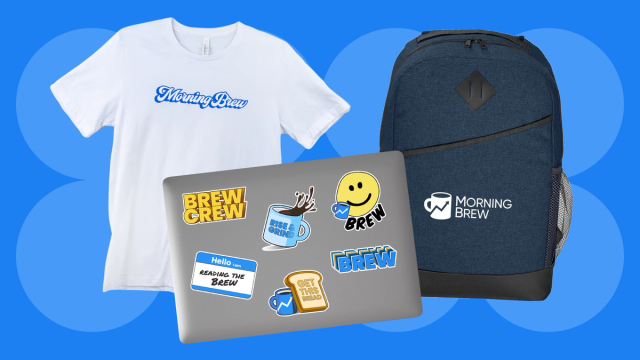
Share Tech Brew with your coworkers, acquire free Brew swag, and then make new friends as a result of your fresh Brew swag.

We’re saying we’ll give you free stuff and more friends if you share a link. One link.

Your referral count: 0

Click to Share

Or copy & paste your referral link to others:
emergingtechbrew.com/r/?kid=ee47c878

         
ADVERTISE // CAREERS // SHOP // FAQ

Update your email preferences or unsubscribe here.
View our privacy policy here.

Copyright © 2025 Morning Brew Inc. All rights reserved.
22 W 19th St, 4th Floor, New York, NY 10011