|
 |
Most Substacks would paywall an interview with Al Gore, or at least a portion of it. I’m not doing that for the same reason I don’t paywall any of my content: because climate journalism shouldn’t be a luxury good.
That’s the difference between HEATED and other newsletters. A paid subscription doesn’t buy you exclusive access to information. It buys access to information for everyone, regardless of income. If that feels like something worth supporting, and you have the means, please smash that subscribe button below.
Al Gore's case for optimism
Gore talks to HEATED about COP30, the Gates memo, and why he thinks billionaires should face far more scrutiny in the climate fight.
|
| |||||||||||||||


 |
This year’s United Nations climate summit in Belém, Brazil had everything: A literal flood, a literal fire, a record-breaking 1,600+ fossil fuel lobbyists, and delegates from oil-producing nations working overtime to strip the final text of anything resembling a concrete commitment to stop lighting the planet on fire for profit.
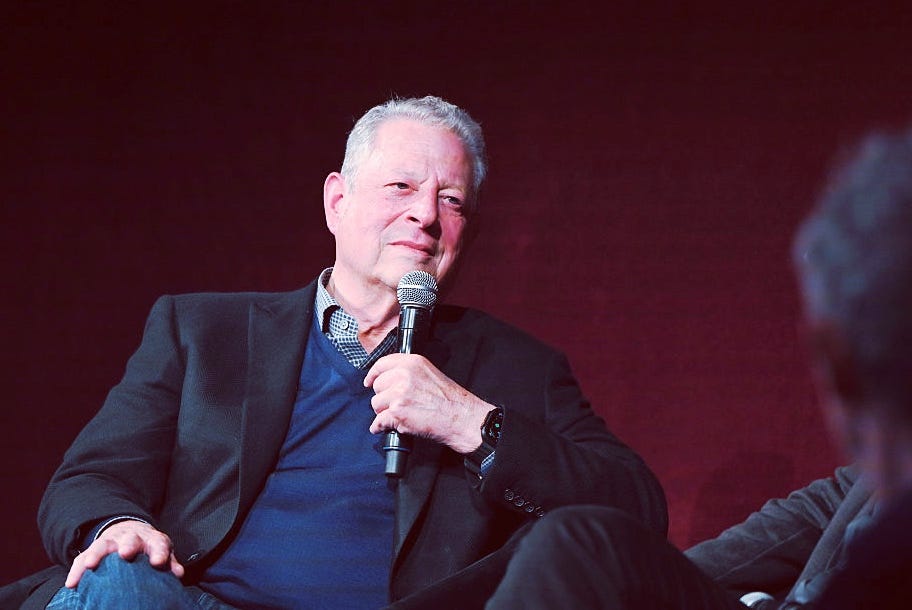
So naturally, when I spoke to Al Gore on the final day of the summit, he was optimistic.
“[The fossil fuel industry] believes they are the global hegemon dictating policy for everyone else,” he said from his home office in Tennessee. “But I don’t think they are.”
Gore had returned from COP30 just a few days earlier, and insisted that what he’d seen on the ground was more encouraging than what doom-obsessed reporters like me were fixated on. “The majority of nations understand the crisis clearly, understand the cause clearly, and understand the solutions,” he said. “I wouldn’t bet against them.”
And yet, the final agreement that emerged seemed designed to test Gore’s faith. On the positive side, nearly every country on Earth—excluding the U.S., which did not send a delegation—agreed to new voluntary initiatives to accelerate national climate action. And more than 80 countries did back a roadmap away from fossil fuels, with South Korea pledging to stop building new coal plants and phase out existing ones.
But the final text didn’t even mention the words “fossil fuels,” much less include any timeline, mandate, or commitment to phase them out. Thanks to pushback from oil-producing nations, the final framework posed no real obstacle to continued fossil fuel expansion.
Gore acknowledged the deal’s shortfalls in a statement, calling it “the bare minimum of what the world must do.” But still, he argued that Big Oil’s victory at COP30 was largely symbolic. “Ultimately, petrostates, the fossil fuel industry, and their allies are losing power,” he said. “They may be able to veto diplomatic language, but they can’t veto real-world action.”
When we spoke, Gore walked me through the sources of his optimism. He also had a lot to say about Bill Gates’s controversial climate memo, and how it ties into a growing “global project to create a new autocratic world order“—one he believes is destined to fail.
Below is our full conversation, edited for length and clarity.
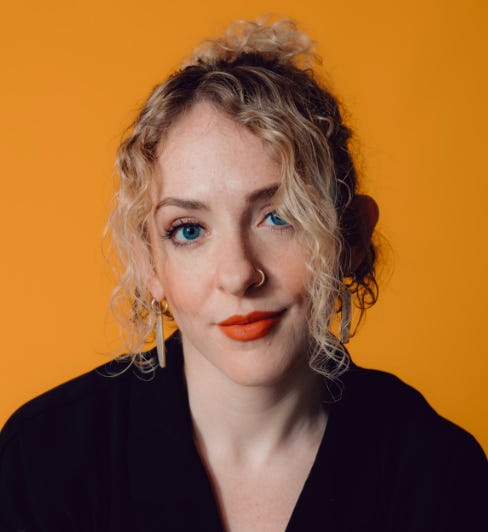
Emily Atkin: I am gonna be really honest with you. I have been struggling with how to write about COP30 in a way that’s going to connect with my readers. From what I’ve been hearing, they’re really exhausted. And then when they see another U.N. climate summit, they’re checking out. So I wanted to bring in the big guns. You’ve been at this for decades, you’ve watched these talks rise and fall. Why should they care about what has just happened at COP30?
Al Gore: The biggest danger humanity has ever faced is the climate crisis. We know the solution. We know fossil fuels are 80 percent of the cause. We have alternatives. Now is the time to set a rational course toward phasing them out. That’s why a roadmap is so essential.
We’ve reached a moment of important decisions. Saudi Arabia and OPEC, in league with Donald Trump and Vladimir Putin’s Russia, are attempting to make the fossil fuel industry hegemonic, dictating the world’s policies toward the principal cause of the climate crisis. They’re demanding to be in charge.
OPEC has attempted to capture this entire process. OPEC was the hidden hand behind the push to eliminate any mention of a roadmap to transition away from fossil fuels [in the COP30 text]. They even deleted the proposal to begin phasing out the ridiculous subsidies governments provide for fossil fuels.
The COP process must continue—and must be reformed—but the world needs texts that reflect reality, not the greed of the fossil fuel industry.
EA: COP30 had more fossil fuel lobbyists than any summit before it. Sometimes it feels like they really are in charge. Do you agree?
AG: I don’t think they are. But their attempt to fully capture the process raises, with new urgency, the need to reform this COP system.
We need these annual meetings. On a cumulative basis, they’ve added significantly to the momentum for change. Last year, 93 percent of all new electricity generation globally was renewable. In the U.S., it was 97 percent. Green tech spending has soared.
The COP process is meaningful—but it needs reform so the principal polluters are no longer in the driver’s seat.
EA: What else is fueling your optimism that the world will be able to effectively tackle climate change, despite the industry’s heavy hand and the rise of Donald Trump?
AG: The days off of Donald Trump directing policy in other countries are quickly coming to an end. He is now well and truly a lame duck. Members of his party are beginning to to trickle away from him, and I predict in the wake of the massive landslide election defeat [last month], more of them will pay less attention to his absurd demands.
Now, Trump is a dangerous lame duck, because he is flailing about with ever more extreme statements and proposals. But I think that this is a moment when the vast majority of nations who want to transition away from fossil fuels need to hold firm. A lot is at stake. He is losing power by the hour. And we have three years and two months to go, but we have to hold firm and stay on a rational course.