And, improving diabetes care in pregnancy.

Get full access to Reuters.com for just $1/week. Subscribe now.


Health Rounds

Health Rounds

By Nancy Lapid, Health Science Editor

Hello Health Rounds readers! Today we highlight a finding of additional benefit from a shingles vaccine in patients with dementia. We also report on a study with potentially important consequences for women who develop diabetes while pregnant and their babies. 

See these breaking news stories from our Reuters team: US vaccine advisers delay vote on dropping hepatitis B vaccine recommendation for children, which if it happens would be the committee's most consequential change yet; women can self-test at home for cervical cancer virus, new guidelines say; and US Senate Democrats seek vote on 3-year extension of healthcare subsidies.

Also: airline pilots hide mental health struggles to keep flying; Mark Cuban seeks Trump’s backing for drug fee relief to spur generics manufacturing; FDA appoints acting director of drug evaluation center; US signs pact with Kenya under 'America First' global health plan; malaria deaths rose in 2024; and child deaths will rise for first time this century after aid cuts.


Industry Updates

  • Novo Nordisk gears up for December Ozempic launch in India.
  • FDA scrutiny of WHOOP signals challenges for niche wearable device makers.
  • AT&T sues generic drugmakers over alleged price-fixing scheme.
  • FDA approves Axogen's nerve repair graft.
  • Capricor eyes US nod for Duchenne cell therapy after success in key study.
  • Philips shares slump over 6% after Citi flags weaker growth.


Former US FDA commissioners express concerns about agency's vaccine change

REUTERS/Andrew Kelly

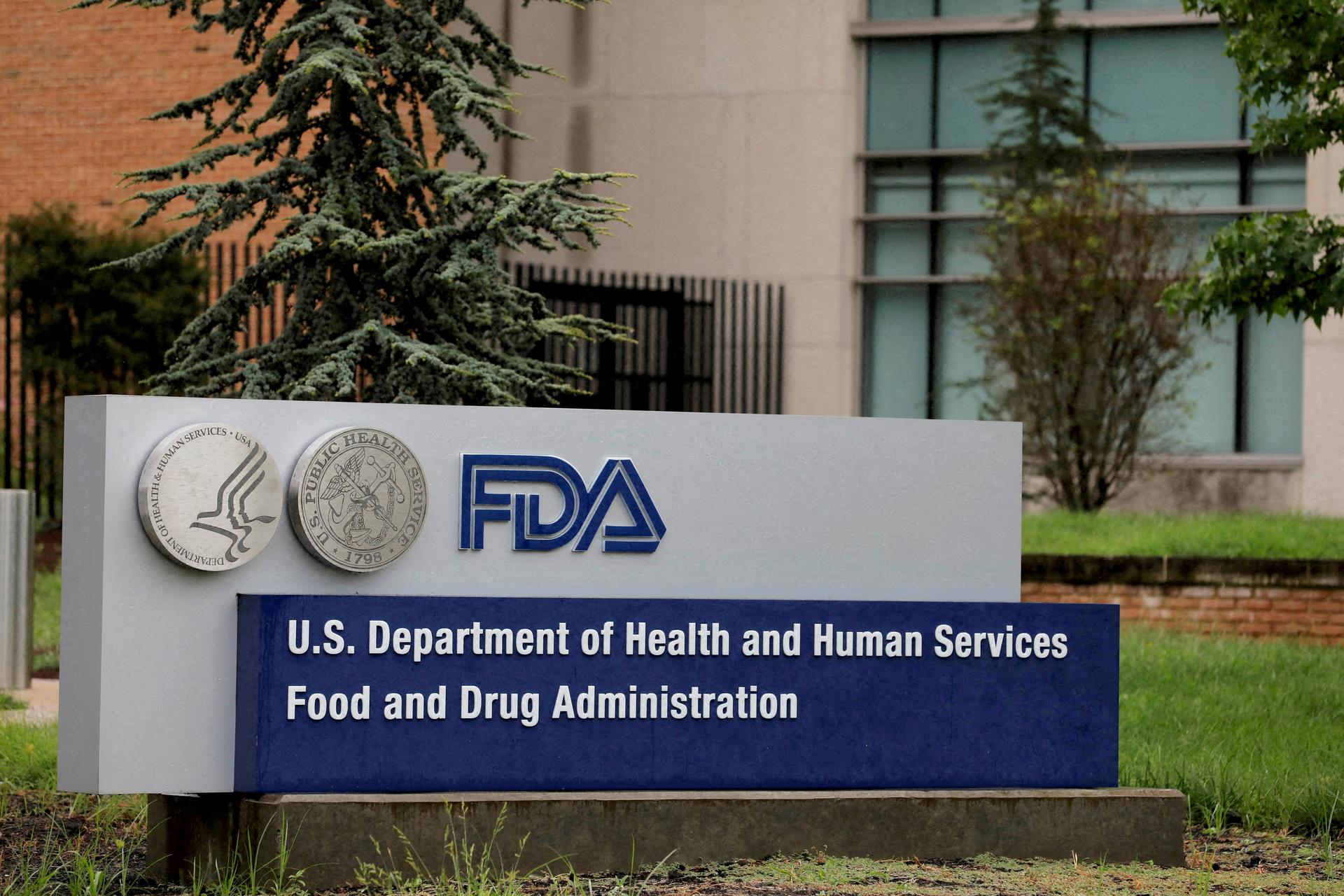
Twelve former U.S. FDA commissioners said they were deeply concerned about proposed changes to vaccine regulation by the agency's chief scientific officer and the details of his assertion that the COVID-19 vaccine killed 10 children.


Study Rounds

Shingles vaccine may slow dementia progression


People with dementia who received a shingles vaccine were significantly less likely to die from dementia than those who didn’t get the shot, according to findings of a large study, suggesting the vaccine could slow progression of the disease.

Overall, nearly half of the more than 14,000 seniors in Wales who had dementia at the start of the vaccination program died from dementia during nine years of follow-up.

But receipt of Merck's Zostavax vaccine lowered the risk of death from dementia by nearly 30 percentage points, researchers reported in Cell.

Earlier this year, researchers in Wales had found that older adults who received the Zostavax vaccine were 20% less likely to develop dementia in the first place, compared to similar seniors who did not receive the vaccine.

“The most exciting part (of the newer findings) is that this really suggests the shingles vaccine doesn’t have only preventive, delaying benefits for dementia, but also therapeutic potential for those who already have dementia,” study leader Dr. Pascal Geldsetzer of Stanford University in California said in a statement.

Whether the shingles vaccine protects against dementia by revving up the immune system overall, by specifically reducing reactivations of the virus that causes shingles, or by some other mechanism is still unknown, the researchers said.

Also unknown is whether the newer shingles vaccine, Shingrix from GlaxoSmithKline, which contains only certain proteins from the virus and is more effective at preventing shingles, may have a similar or even greater impact on dementia than the older vaccine received by participants in the Wales studies.

Protection against shingles with Merck's vaccine was found to wane over time and it is no longer used in most countries after Shingrix was shown to be superior.

The researchers say that in the past two years, they have replicated the Wales findings in health records from other countries, including England, Australia, New Zealand and Canada.

“We just keep seeing this strong protective signal for dementia in dataset after dataset,” Geldsetzer said.


Read more about shingles vaccines and dementia on Reuters.com

  • GSK studying if best-selling shingles vaccine lowers dementia risk
 

Diabetes in pregnancy is better managed with continuous monitoring

Women who develop pregnancy-related diabetes can reduce their risk of having a newborn with above-average birth weight by wearing continuous glucose monitors, new trial data show.

“Gestational diabetes can lead to excessive growth of the child, which can contribute to birth problems but also to an early childhood predisposition to obesity and metabolic diseases,” the researchers noted in a report in The Lancet Diabetes & Endocrinology.

They randomly assigned 375 women with gestational diabetes to wear a continuous glucose monitoring device from Dexcom or to self-monitor their blood sugar levels via intermittent finger pricks.

Above-average-weight babies were born to 4% of women in the CGM group and to 10% of those in the finger-prick group, the researchers found.

In addition, the average birth weight percentiles were lower in the CGM group, indicating that the children of these women were less likely to grow excessively, the researchers said.

"Continuous glucose monitoring via a sensor placed under the skin allows patients to check their blood sugar levels at any time," study leader Dr. Christian Göbl of MedUni Vienna/University Hospital said in a statement. "This enables them to make specific adjustments to their lifestyle or insulin therapy, which can have a positive impact on the course of their pregnancy."


Read more about diabetes in pregnancy on Reuters.com

  • Study strengthens link between maternal diabetes and autism