Image

Daily News Brief

December 10, 2025

Welcome to CFR’s Daily News Brief. Today we’re covering the escalating conflict in the Democratic Republic of Congo (DRC), as well as...

  • Ukrainian President Volodymyr Zelenskyy’s statement on elections

  • European Union (EU)-India trade talks

  • Proposed social media screening of travelers to the United States


Top of the Agenda

The United States and other countries that have tried to mediate an end to the DRC conflict jointly called for de-escalation yesterday amid a new surge in violence. Less than a week after President Donald Trump hosted a signing ceremony for a peace deal between the DRC and Rwanda—which backs M23 rebels fighting the DRC government—the rebels launched a fresh offensive. They advanced today on Uvira, the last government-held city in the eastern Congo. The push has sent thousands fleeing across the border into Burundi. At least seventy-four people have been killed and two hundred thousand people have fled fighting in recent days, the United Nations said Monday. 


What’s at stake. An increased use of attack and suicide drones marked “a significant escalation in the fighting and poses an acute risk to civilian populations,” the joint statement from the United States and partner countries, known as the International Contact Group for the Great Lakes region, said. It also warned that the fighting has the potential to destabilize the entire region. Monitoring groups already deem the conflict one of the world’s worst humanitarian crises, with more than eight million people displaced.


Where peace efforts stand. Both the contact group and the U.S. State Department this week focused their criticism on Rwanda, calling on it to cease its support for the M23 rebels. Although the M23 rebels were not party to the peace deal signed last week in Washington, they agreed to a framework for a truce with the DRC government earlier this year in a separate U.S.- and Qatar-mediated deal. That framework requires Rwanda to stop supporting the rebels. Congo’s communication minister blamed Rwanda for the most recent fighting yesterday, while the Rwandan foreign ministry denied responsibility in a statement today, instead accusing the DRC and Burundi of bombing civilian villages close to the Rwandan border.  


“The Trump administration’s radical oversimplification of the crisis in eastern Congo sets the stage for disappointment. There are scores of armed groups operating in the region, including forces from other neighboring states, who have their own security and economic agendas. By giving leaders iterative opportunities to sign agreements that have meant little in practice, Washington and Qatar risk divorcing those leaders from any real accountability. Their participation in these diplomatic charades helps them evade criticism and pressure even as massacres, mass sexual violence, smuggling, corruption, and humanitarian crisis persist.”

—CFR expert Michelle Gavin, Africa in Transition


Currency Policy as a Tool of China’s Trade War

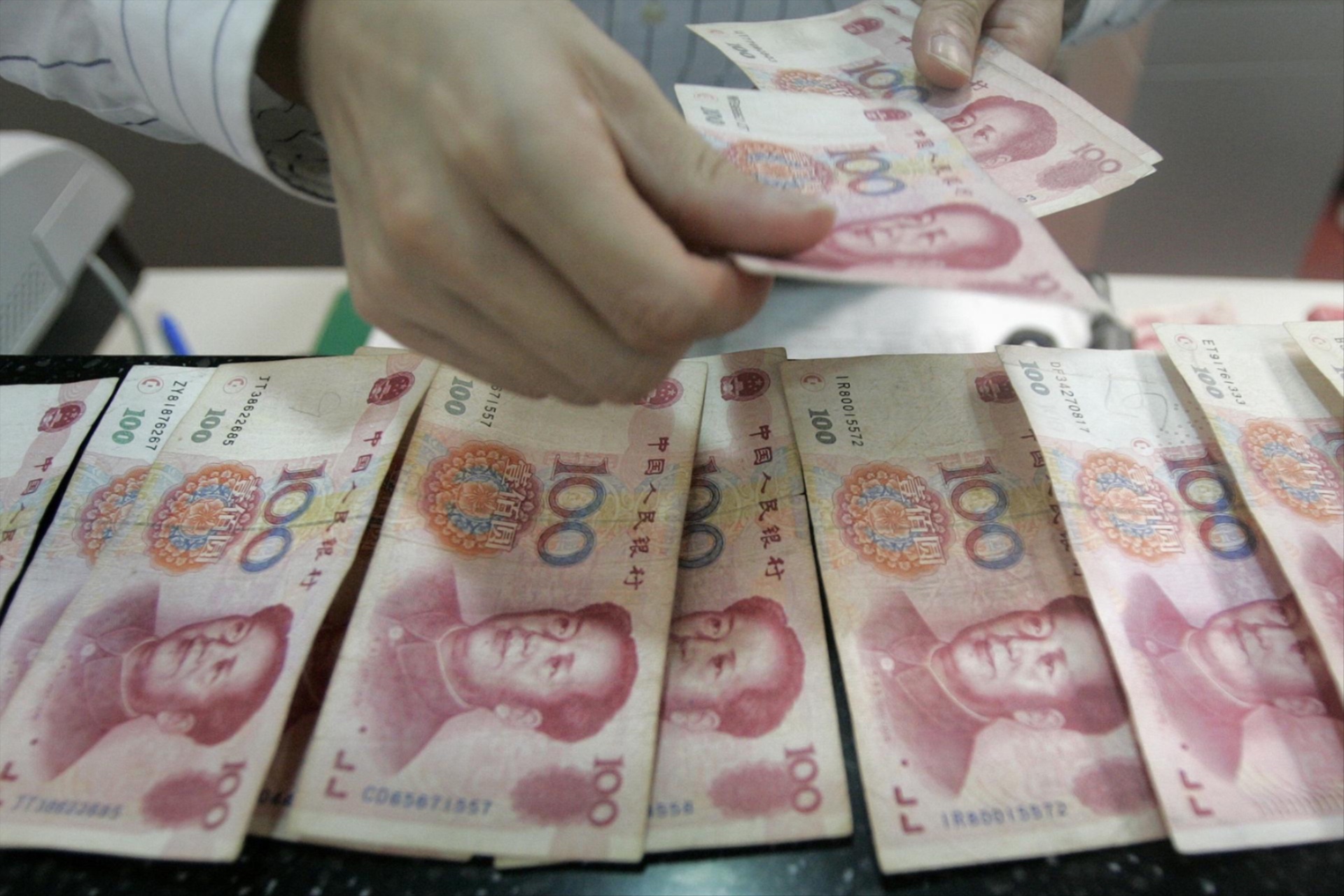
Chinese yuan notes.

Pichi Chuang/Reuters

Industrial policy and a weak currency, not tariffs, are the tools of China’s trade war, CFR expert Brad Setser writes in Follow the Money.


Across the Globe

Zelenskyy on elections. Zelenskyy told reporters yesterday that he was ready for elections, adding they could occur within the next three months if their security was guaranteed. Trump has repeatedly criticized Ukraine’s deferred elections, including in an interview with Politico published yesterday in which he accused Zelenskyy of using the war as an excuse for not holding a vote. Zelenskyy has been meeting with European leaders this week to prepare a response to Trump’s peace plan.


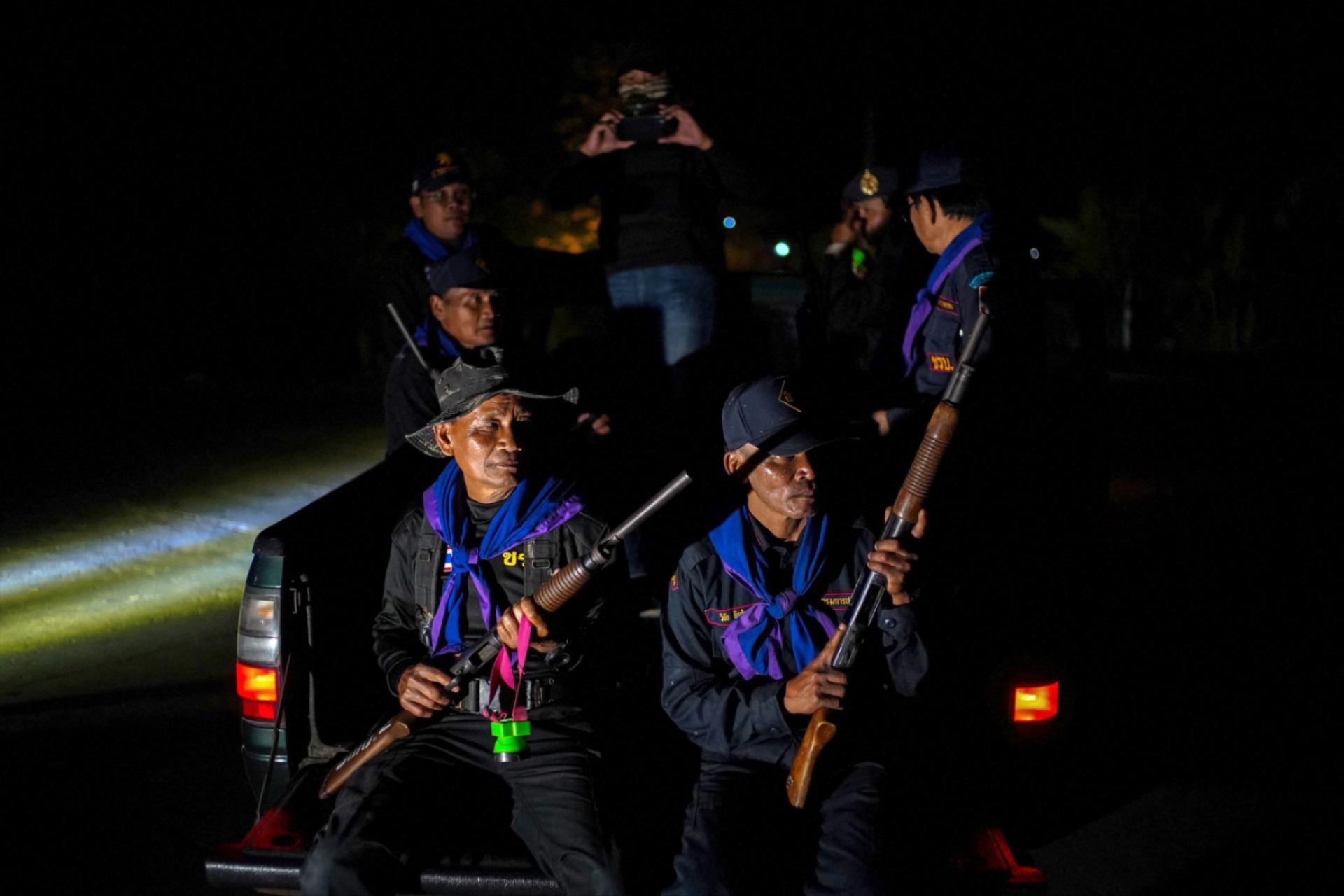
Cambodia-Thailand fighting. Both countries accused the other today of targeting civilians during renewed fighting in their border region. The latest wave of fighting has killed at least ten people and displaced hundreds of thousands. Hostilities also appeared to expand to a new front yesterday, as the Thai navy announced it had conducted operations to expel Cambodian forces near the Gulf of Thailand. Trump, who mediated between the countries this year, said last night that he planned to “make a phone call” to address the escalation.


Nobel prize ceremony. Ana Corina Sosa Machado, daughter of Venezuelan opposition leader María Corina Machado, accepted the Nobel Peace Prize in Oslo today on her mother’s behalf. She delivered a speech written by María Corina that celebrated the history of Venezuelan democracy and the struggle to regain it in recent years. She called democracy a “deliberate, personal choice” that “must be renewed every day.” Following uncertainty over whether María Corina—who has been in hiding—would travel to Oslo, the Nobel Institute confirmed earlier today she was safe and “will be with us in Oslo,” but would not attend the ceremony.


EU corporate sustainability rollback. EU countries reached a provisional deal yesterday to exempt all but the largest companies from the bloc’s requirements on sustainability reporting. A requirement that companies produce climate plans was dropped. Environmental campaigners criticized the shift, which Brussels said would reduce red tape. The United States and Qatar had lobbied for the rollback, saying the sustainability requirements threatened natural gas trade with Europe. 


IMF warning on Chinese economy. During a visit to Beijing today, International Monetary Fund (IMF) Managing Director Kristalina Georgieva urged China to allow its currency to strengthen and boost domestic consumption, rather than relying so much on exports. The IMF has been hesitant to take a position on whether China’s currency should strengthen or weaken in the past, but U.S. Treasury Secretary Scott Bessent called on the organization this year to take a stronger stance on Beijing’s currency policy. 


Social media scrutiny. The Trump administration is considering requiring visitors from countries party to the U.S. Visa Waiver program—a group that includes France, South Korea, and the United Kingdom—be subject to a review of five years of social media history. The U.S. Customs and Border Protection proposal was published for public comment today. Travelers might also have to provide personal data such as their email addresses and their family members’ places of birth and telephone numbers.


EU-India trade talks. India and the EU held trade talks this week in an effort to reach a new free trade deal, envoys from both sides wrote on social media. Hit by U.S. tariffs earlier this year, both parties hoped to reach a trade agreement with each other by the end of 2025. However, an unnamed source told Reuters that differences remained on topics like steel, cars, and carbon levies.


Peru-South Korea defense deal. The countries signed a framework agreement in Lima yesterday that commits to exporting South Korean tanks to Peru. The deal is estimated to be valued around $1.4 billion, which would make it Seoul’s largest sale of ground equipment to Latin America, South Korean news agency Yonhap reported. 


Thailand and Cambodia Head Back to Battle

Village security volunteers patrol a village amid deadly clashes between Thailand and Cambodia along a disputed border area, in Buriram province, Thailand, on December 9, 2025.

Athit Perawongmetha/Reuters

With both sides dug in and having little incentive to stop, the fighting probably will get worse, CFR expert Joshua Kurlantzick writes for Asia Unbound.


What’s Next

  • Today, the U.S. Federal Reserve makes an interest rate decision.

  • Today, Australia’s youth social media ban comes into effect.

  • Tomorrow, NATO Secretary General Mark Rutte visits Germany.


The First MAGA National Security Strategy

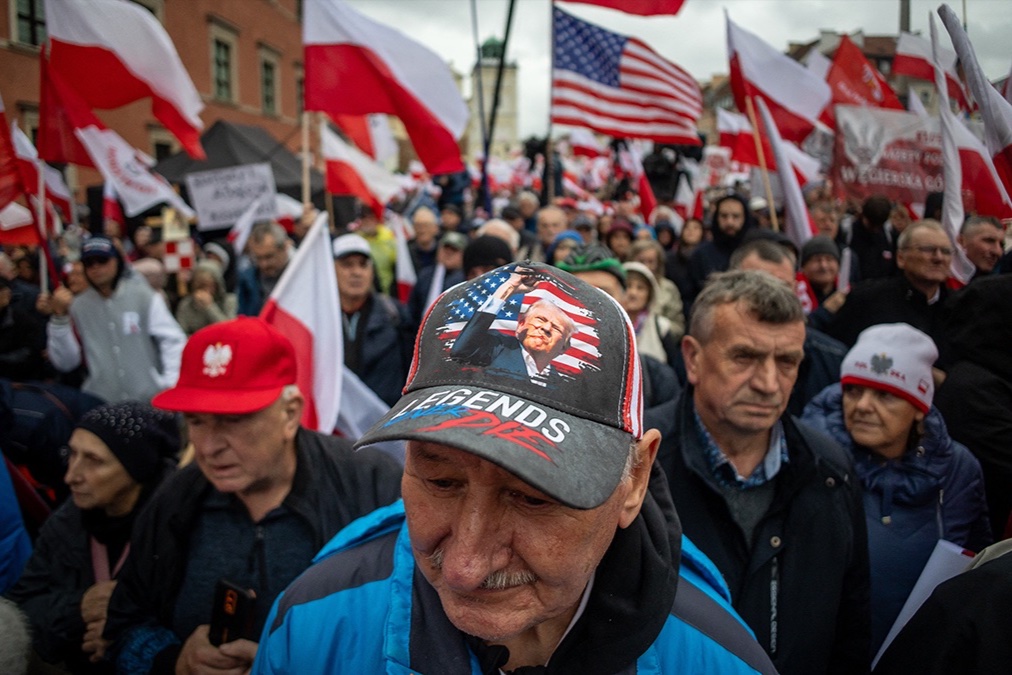
A man wears a cap with a picture of Donald Trump at an anti-immigration demonstration in Warsaw, Poland.

Wojtek Radwanski/AFP/Getty Images

Trump’s ideologically driven statement of strategic intent indicates that the United States could be willing to interfere abroad to promote an illiberal world, CFR Senior Fellow Rebecca Lissner writes in an Expert Brief.


Council on Foreign Relations

58 East 68th Street, New York, NY 10065

1777 F Street, NW, Washington, DC 20006

Was this forwarded to you? Subscribe to the Daily News Brief