The latest from CFR’s RealEcon Initiative
RealEcon

Reimagining American Economic Leadership

Editor’s Note: There will be no December 24 edition of the RealEcon newsletter.

A person arranges groceries in El Progreso Market in the Mount Pleasant neighborhood of Washington, D.C., U.S., August 19, 2022. REUTERS/Sarah Silbiger

The U.S. Economy Is Growing, but Faces Much Uncertainty

A quarterly review finds that the U.S. economy’s increasingly K-shaped nature is making American consumption patterns uneven and unpredictable. Despite continued growth, that and several other data points suggest a precarious economic situation could soon emerge, warn CFR Fellow Roger W. Ferguson Jr. and Research Associate Maximilian Hippold. Read the brief

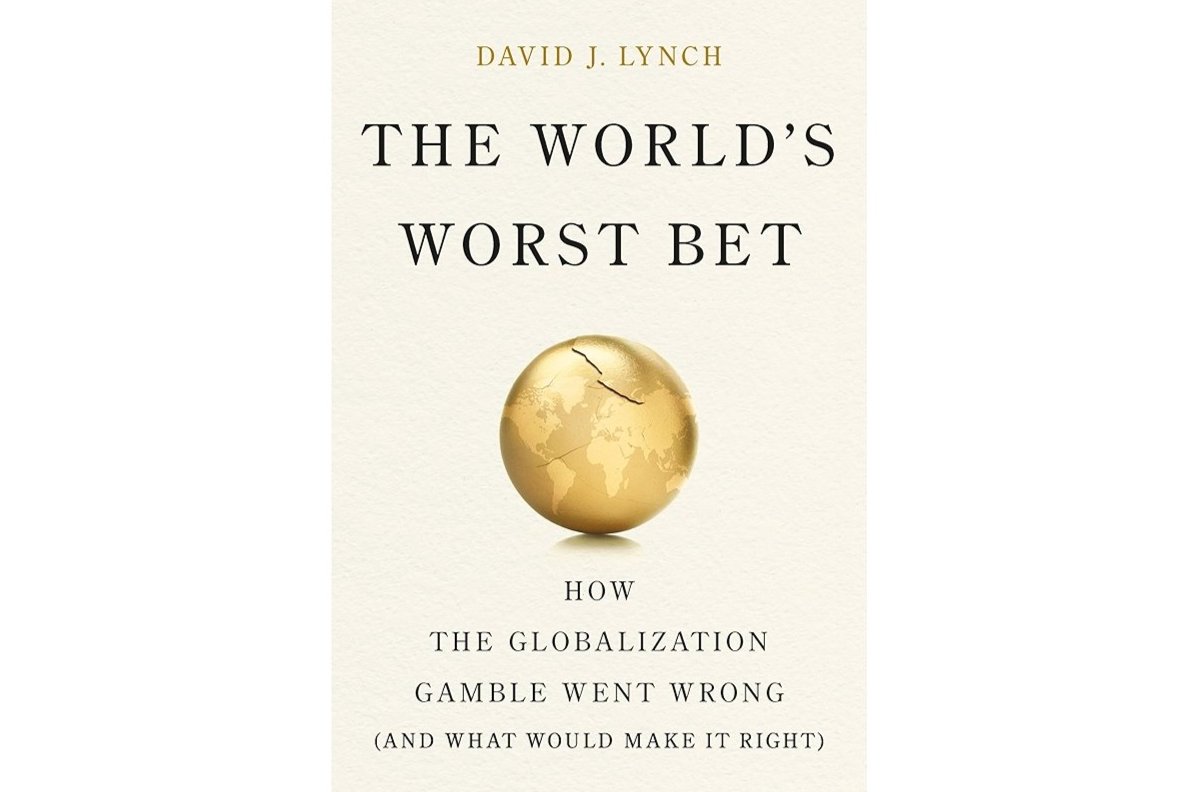
A Review of The World’s Worst Bet: How the Globalization Gamble Went Wrong by David J. Lynch

The book argues that the United States erred in embracing globalization. But many other policy decisions contributed to the United States’ current economic predicament—and raising trade barriers could prove as misguided as the mistakes it claims to correct, writes CFR Fellow James M. Lindsay. Read the book review

The flags of the United States and China fly from a lamppost in the Chinatown neighborhood of Boston, Massachusetts, U.S., November 1, 2021. REUTERS/Brian Snyder

What I Learned When I Dug Into My Retirement Account

At $46 trillion total, American retirement savings are not just important for life after work—they are also quietly but powerfully shaping markets, industries, and geopolitics today, illustrates CFR Fellow Jonathan E. Hillman in the New York Times. Read his op-ed

Illustration generated by ChatGPT (OpenAI)

The Right Way to Fight Economic Inequality

Most Americans want good jobs, not handouts. Delivering them means boosting productivity by making it easier for Americans to move, get, and switch jobs, argues CFR Fellow Benn Steil. Check it out in the Catalyst

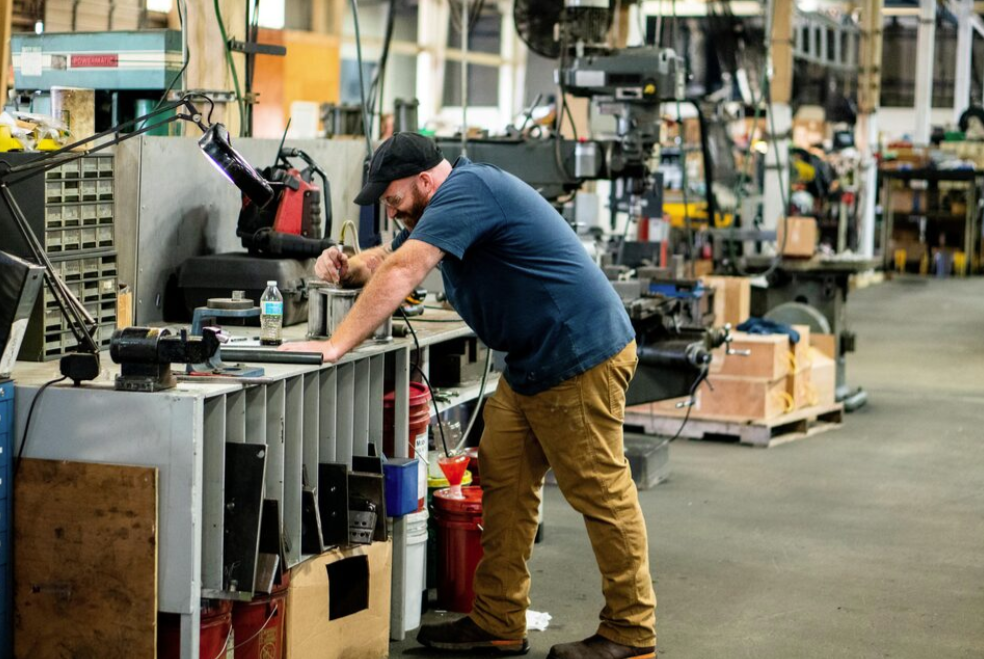
 A worker machines a screed tower link at the Calder Brothers' facility in Taylors, South Carolina, U.S., July 19, 2021. Picture taken July 19, 2021. Brandon Granger/Calder Brothers Corporation/Handout via REUTERS

Trade Fun Fact 

What would U.S. soybean exports to China total in 2025 if China fulfills the new twelve-million-ton year-end purchase? 

Answer at the bottom of the newsletter

U.S. Economic Security: Winning the Race for Tomorrow’s Technologies

CFR’s latest Task Force report outlines challenges for U.S. economic security and offers practical recommendations for prevailing in strategic competition over foundational technologies.

Read the report
Read the Task Force Report: U.S. Economic Security: Winning the Race for Tomorrow’s Technologies

Also on Economic Security

Strengthening Export Controls on Semiconductor Manufacturing Equipment

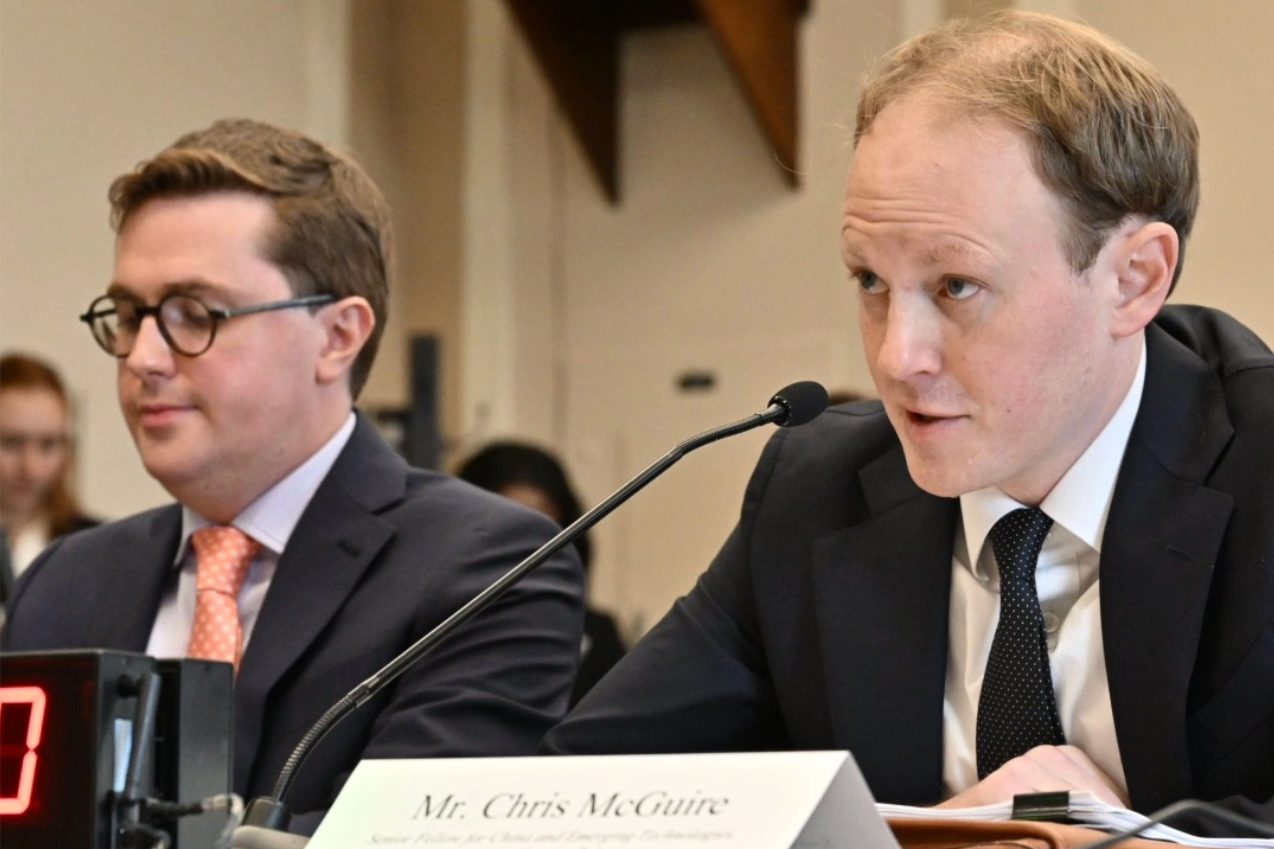
In his testimony to the House Foreign Affairs Committee, CFR Fellow Chris McGuire argues that export controls related to semiconductor manufacturing equipment and advanced semiconductors are among the most powerful tools available to U.S. policymakers in the technological competition with China and are critical to U.S. efforts to maintain leadership in artificial intelligence (AI) and other emerging technologies. Watch or read the testimony

Chris McGuire testifies to the House Committee on Foreign Affairs on November 20, 2025.

The Consequences of Exporting AI Chips to China

CFR experts Michael C. Horowitz, McGuire, and Zongyuan Zoe Liu discuss President Donald Trump’s decision to allow Nvidia to sell advanced AI chip sales to China and what implications it could have for the future of AI, U.S. national security policy, and Chinese relations. Read the joint piece

Nvidia CEO Jensen Huang makes a keynote speech at Computex in Taipei, Taiwan, May 19, 2025. Ann Wang/Reuters

How to Use Russia’s Frozen Assets

The December European Council could bring a final decision regarding using Russia’s immobilized reserves to help close Ukraine’s 2026–27 financing gap. Ideally, the chosen framework would also draw on all frozen Russian assets, not just those at Euroclear, suggests CFR Fellow Brad W. Setser. Read the article

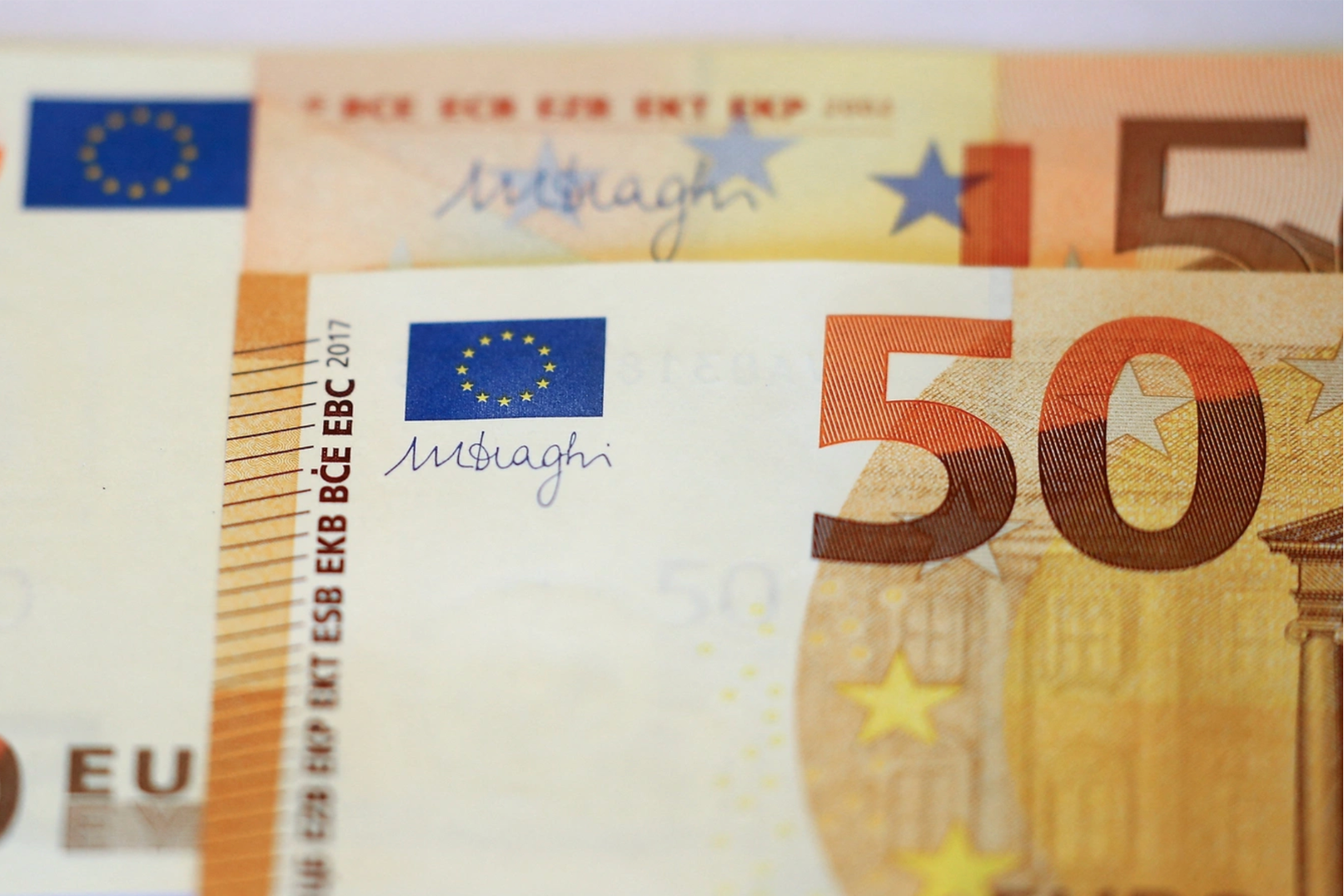
Euro notes seen at European Central Bank headquarters in Frankfurt, Germany. Kai Pfaffenbach/Reuters

DoD’s AI Balancing Act

To secure a strategic advantage, the Department of Defense (DoD) needs to manage the tension between vendor hype and extreme alarmism regarding AI adoption, write CFR Fellow Sebastian Elbaum and former CFR Fellow Jonathan Panter. Find out more

Illustration generated by Gemini

Ensuring a Secure and Stable Supply of Critical Minerals

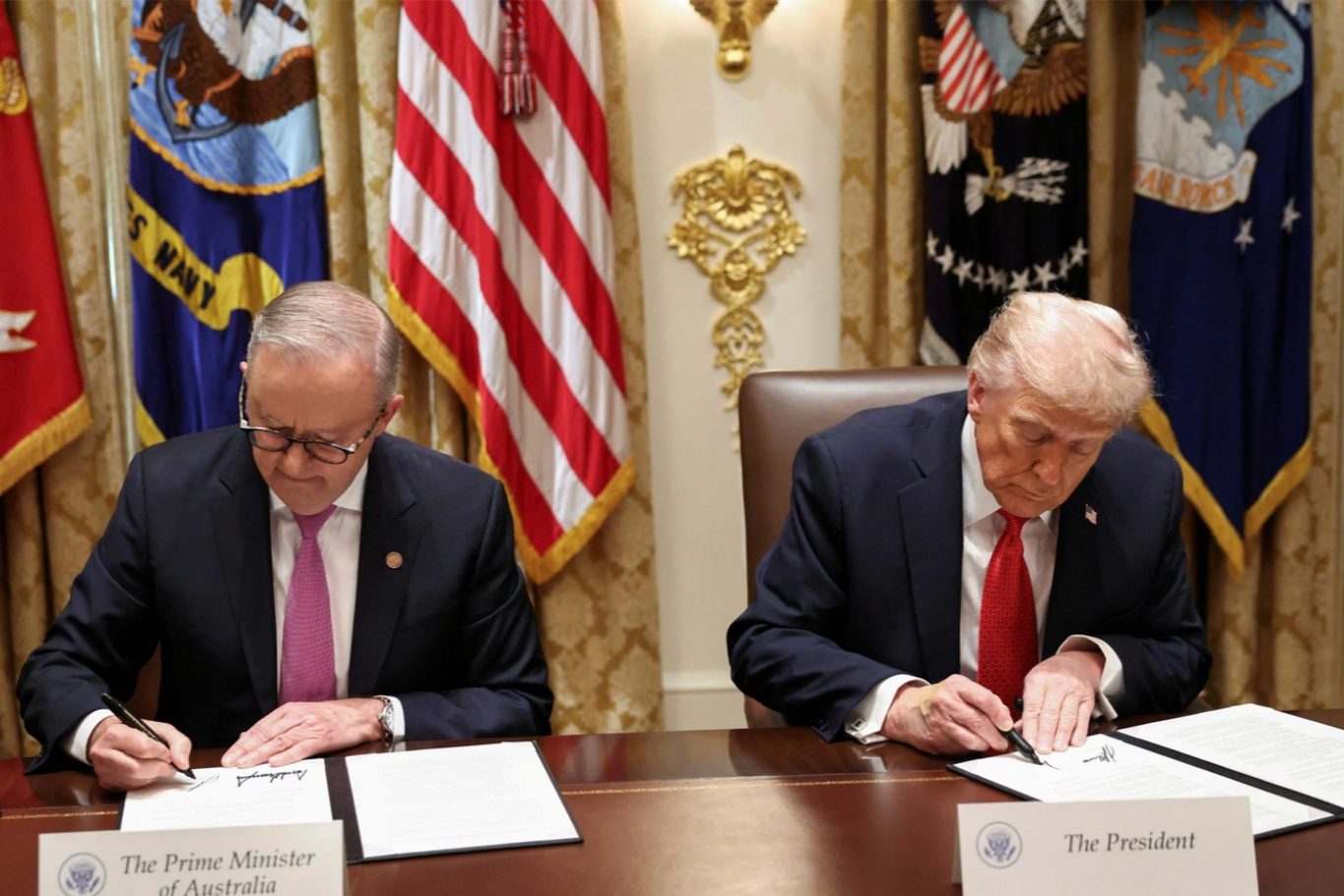
As the world transitions to green energy, the United States’ reliance on China for critical mineral inputs poses significant risk. Though the Trump administration is taking steps to mitigate that vulnerability, the U.S. government should pool international collaboration through legally binding commitments to avoid fragmentation and secure stable access, write Research Associate Helena Kopans-Johnson and CFR Intern Victoria Fenton. Read the piece

U.S. President Donald Trump and Australia's Prime Minister Anthony Albanese sign an agreement on rare earth and critical minerals during a meeting in the Cabinet Room at the White House, in Washington, D.C., U.S., October 20, 2025. Reuters/Kevin Lamarque