|
|
 
| |
 |
| (DoraZett/Getty Images) |
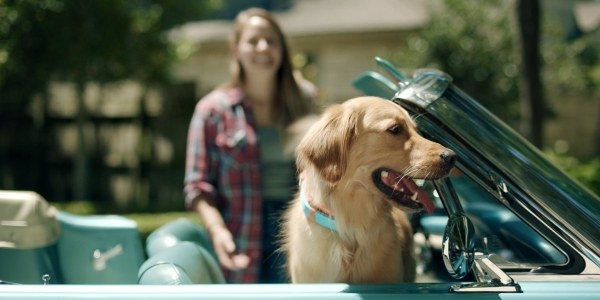
It's tempting to give pets human food as special holiday treats, but many foods can cause gastrointestinal problems or even death. Instead, give pets the gift of health with a veterinary wellness exam, toys that stimulate them physically and mentally, pet-specific nutritional treats, parasite preventives, pet insurance or a microchip. Instead of giving a loved one a new pet as a gift, donate in their name to a local animal shelter, give them a book about pet care or breeds, or give them an IOU to accompany them to a shelter to adopt.
|
|
 |
| "Pets can bring immense joy, but they also require daily care, training, veterinary visits, and love for many years" |
~ AVMA President Dr. Michael Q. Bailey
|
 |
|
|
|
Look for early signs of canine OA and educate clients why it's essential to maintain joint health. Make mobility a vital sign at each patient visit. Get these new tools to help you and your team discuss why it's important to start the OA discussion early.
|
|
|
| ADVERTISEMENT |  |
|

| Veterinary Medicine Update |
|
|
Avian influenza could reassort with seasonal human influenza strains and infect more animal species, including humans, through unpasteurized milk, researchers reported in the Journal of Dairy Science. The researchers say wider livestock surveillance is needed, and they caution against consuming raw milk.
| Full Story: Axios (12/10) |
|
|
|
Female guinea pigs are prone to reproductive system diseases, and spaying them both reduces that risk and can curb certain undesirable behaviors, says veterinarian Mariana Sosa Higareda, a specialist in zoological medicine. Ovariectomy via a bilateral flank approach is easier than an ovariohysterectomy via a mid-lower abdomen approach and is less likely to result in complications, Dr. Higareda says. Post-surgery care includes pain control and ensuring the animal eats.
|
|
|
Fromm Family Foods has issued a recall for some of its Bonnihill Farms cooked frozen beef for dogs due to the possible presence of plastic fragments. No injuries or illnesses related to the food have been reported.
|
|
|
Dechra has received FDA approval for Emeprev injectable maropitant citrate solution to treat and prevent and treat acute vomiting in dogs and cats. The product is a biosimilar for Zoetis' Cerenia. The drug does not require refrigeration and includes a preservative that acts as a mild local anesthetic.
|
|
|
|
|
Navigating data challenges in retail and CPG demands strong governance to tackle insights inconsistency, security issues, and rising costs. A governance-first approach ensures seamless data integration and management. Read more in this whitepaper. |
|
|
|
|
|

|
Birds across four continents use nearly identical calls to alert each other to the presence of brood parasites like cuckoos or predators like raptors, according to a study in Nature Ecology & Evolution. Cooperative defense may also support migration and food intake.
|
|
|
Feral and free-roaming cats are not significant predators of rats, and that might be beneficial for the cats' health, according to a study in the Journal of Wildlife Diseases. Researchers at Lincoln Park Zoo's Urban Wildlife Institute found traces of rodenticide in the blood of only 7% of free-roaming cats studied -- much less than other local wildlife. The finding suggests that cats are less likely to be harmed by rodenticides than birds of prey, many of which have suffered from secondary poisoning.
|
|
|
|
|
Zipline is your calm in the chaos of NRF. Stop at Booth #5251 for fast demos on connecting strategy to the frontline, with real retailers and real results. Grab a bagel, book a demo, and let's solve your toughest execution challenges. Learn more → |
|
|
|
| ADVERTISEMENT |  |
|

|
Veterinary practices should consider conducting an "estimate exercise" to ensure consistency in cost estimates for common procedures. The exercise involves having each veterinarian create an estimate for the same case and comparing results to identify discrepancies. Consistent estimates can improve client trust and transparency, while inconsistencies can prompt discussions for better alignment.
|
|
|
|
|
Join our experts Jason Kikta and Katherine Chipdey, as they reveal findings from the 2026 State of Endpoint Management Report. Learn why time-to-remediate is becoming a key business metric and how Autonomous Endpoint Management boosts security and efficiency. Register now » |
|
|
|
| ADVERTISEMENT |  |
|

| | |