
This guy was so desperate he sold everything to pay for African tribesmen’s hair loss remedy. And he got it!
Just tell me you have seen this before this insane guy takes off his documentary…
It took him over 2 YEARS to get his hands on this miraculous cure, and it cost him every single penny he had.
But he said he was going to pay even more to the legendary Afar tribe if it was needed.
They’ve been known for quite a long time by the elite and the scientific community for their amazing dense hair.
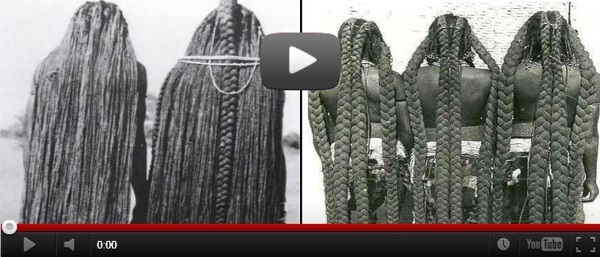
For many years, decades actually, thousands of people traveled there and begged for their secret, but with no luck.
Until this guy came and did the most insane thing to convince them…
He gave everything he had, from his house to his bus ticket money to pay only for the privilege to hear the hair growth secret!
He secretly taped every single step of the ritual…
Be aware.
They swore to come after anyone who knows so they could keep this sacred remedy safe.
It’s just fascinating the way it works! His documentary shows every step of this ritual…
In fact, they are already on their way to silence this guy…
So all the information could be deleted ANYTIME…
That’s why I said you have to see this…
Could be your only chance!
ee is a beverage brewed from roasted, ground coffee beans. Darkly colored, bitter, and slightly acidic, coffee has a stimulating effect on humans, primarily due to its caffeine content, but decaffeinated coffee is also commercially available. There are also various coffee substitutes. Coffee production begins when the seeds from coffee cherries (the Coffea plant's fruits) are separated to produce unroasted green coffee beans. The "beans" are roasted and then ground into fine particles. Coffee is brewed from the ground roasted beans, which are typically steeped in hot water before being filtered out. It is usually served hot, although chilled or iced coffee is common. Coffee can be prepared and presented in a variety of ways (e.g., espresso, French press, caffè latte, or already-brewed canned coffee). Sugar, sugar substitutes, milk, and cream are often added to mask the bitter taste or enhance the flavor. Though coffee has become a global commodity, it has a long history tied closely to food traditions around the Red Sea. The earliest credible reports of coffee drinking pertain to the plant's use among the Sufis of Yemen in the middle of the 15th century. Up to the end of the 17th century, most of the world's coffee was imported from Yemen. But as the beverage gained in popularity, coffee started to be cultivated in Java in the 17th century, as well as in the Americas from the 18th century onward. The two most commonly grown coffee bean types are C. arabica and C. robusta. Coffee plants are cultivated in over 70 countries, primarily in the equatorial regions of the Americas, Southeast Asia, the Indian subcontinent, and Africa. Green, unroasted coffee is traded as an agricultural commodity. The global coffee industry is worth $495.50 billion, as of 2023. In 2023, Brazil was the leading grower of coffee beans, producing 31% of the world's total, followed by Vietnam. While coffee sales reach billions of dollars annually worldwide, coffee farmers disproportionately live in poverty. Critics of the coffee industry have pointed to its negative impact on the environment, inclu
