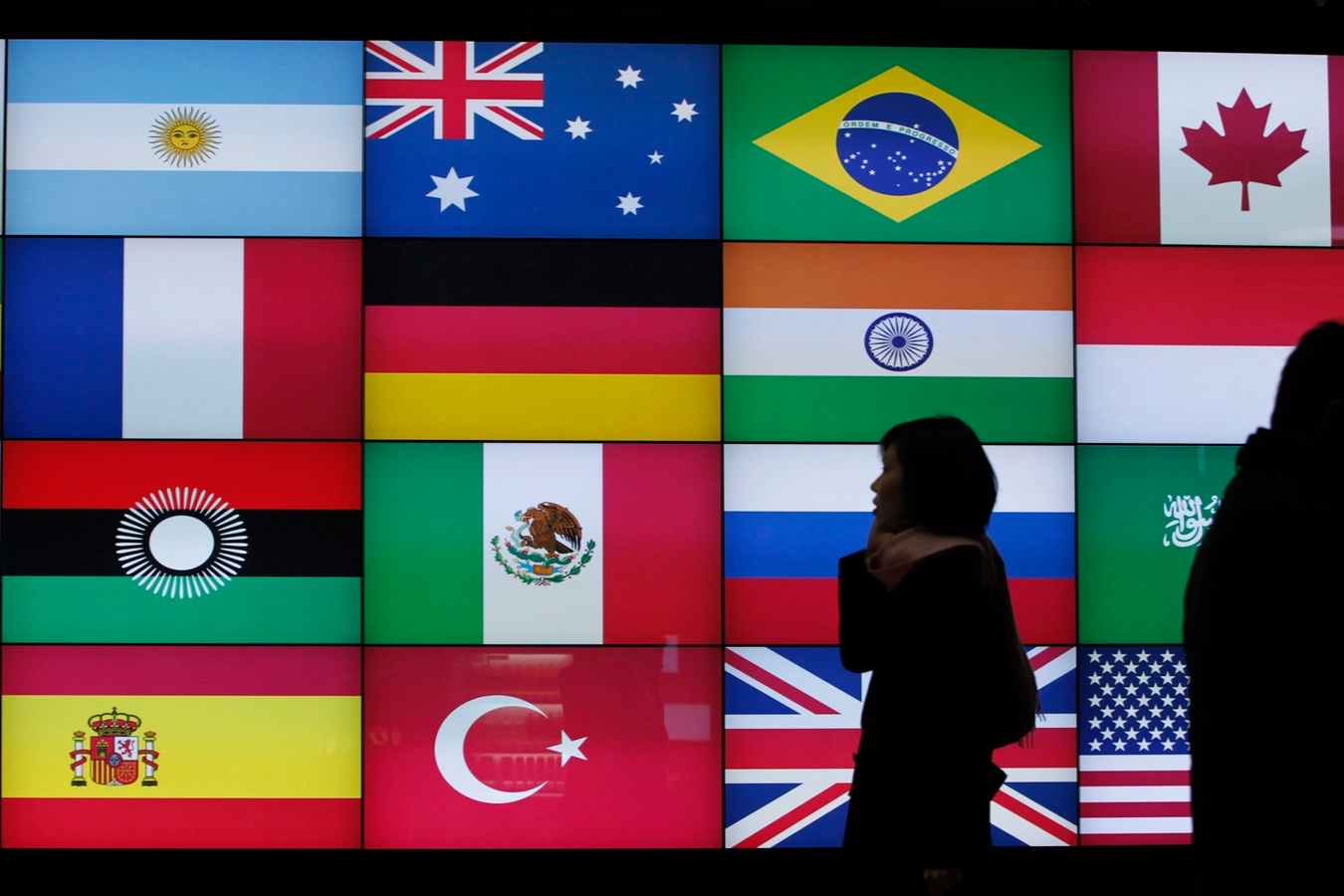
In recent years, leading middle powers such as Brazil and South Africa have held the rotating Group of Twenty (G20) presidency, but the United States will host the 2026 G20 summit. (Jo Yong-Hak/Reuters) |
CFR James H. Binger Senior Fellow in Global Governance Brimmer examines the rising role of middle powers in creating stability in multilateral institutions. She writes how those countries both challenge great power leadership and strengthen the same institutions that all countries inhabit. Read the article
|
Check out additional CFR resources on topics in global governance: -
Three Years of War in Ukraine: Are Sanctions Against Russia Making a Difference? by CFR Editors
-
How Significant Is the Latest U.S.-Saudi Embrace? by Steven A. Cook
-
The Global Trading System Faces a Historic Change, by Inu Manak
-
A Look Back at 2025: The Year in Foreign Policy, by Michael Froman
-
Transnational Repression Grew in 2025—and It Will Only Get Worse, by Joshua Kurlantzick and Annabel Richter
- The Great Aid Recession: 2025’s Humanitarian Crash in Nine Charts, by Sam Vigersky
-
The White House Transformed Asia in 2025: Expect Much More in 2026, by Joshua Kurlantzick
-
Ten Elections to Watch in 2026, by James M. Lindsay
-
Visualizing 2026: Five Foreign Policy Trends to Watch, by Heidi E. Crebo-Rediker, Benn Steil, Erin D. Dumbacher, David M. Hart, and Linda Robinson
|
|
|
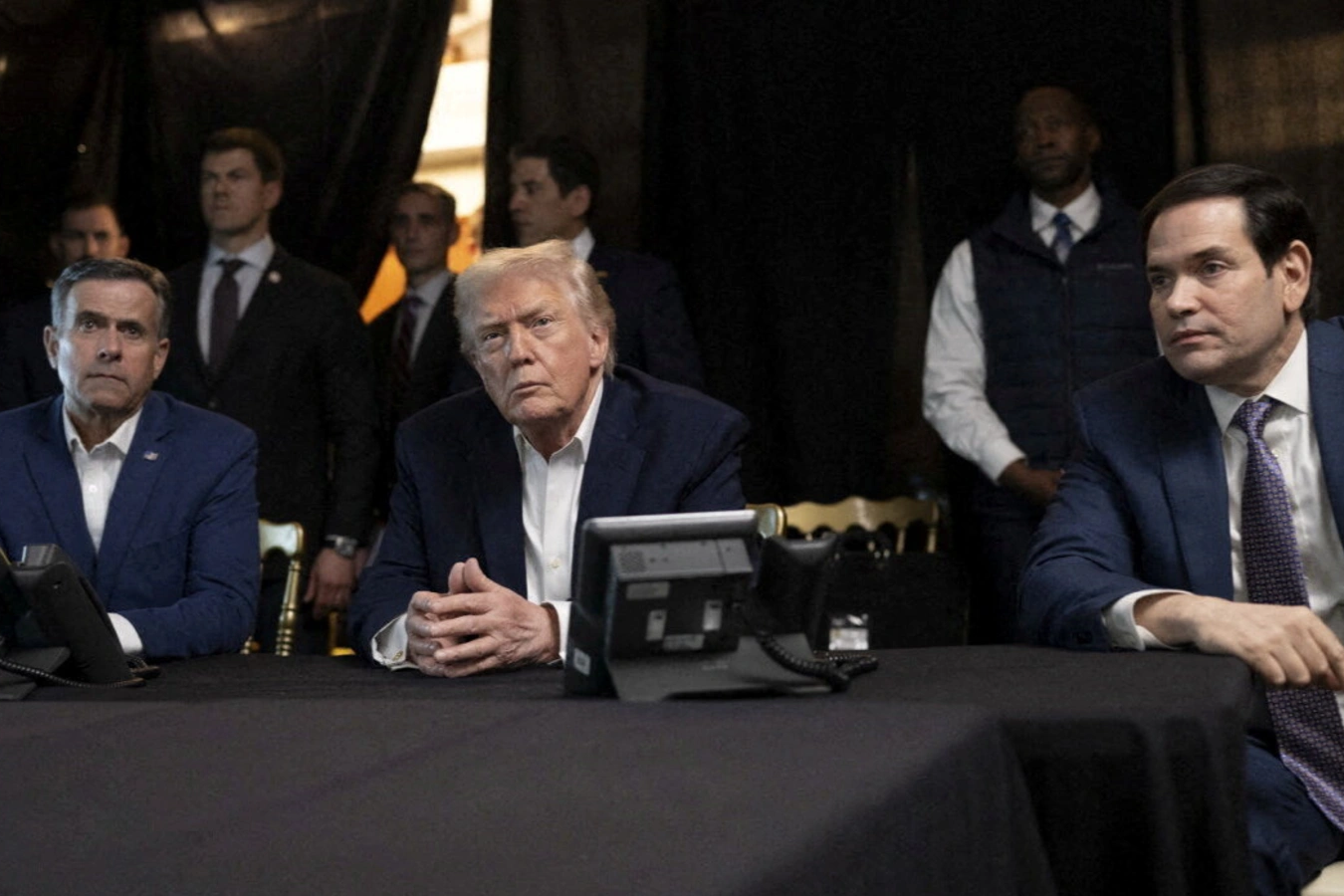
President Donald Trump sits next to CIA Director John Ratcliffe and U.S. Secretary of State Marco Rubio as they watch the U.S. military operation in Venezuela from Trump’s Mar-a-Lago resort in Palm Beach, Florida, on January 3, 2026. (@realDonaldTrump/Reuters)
|
After the January 3 U.S. military operation capturing Venezuelan President Nicolás Maduro and his wife, Cilia Flores, four CFR experts analyze the immediate aftermath and impact that the U.S. intervention will have in Venezuela and Latin America. Read the brief |
|
|
The capture of Venezuelan leader Nicolás Maduro has spurred comparisons to the U.S. operation to arrest and extract Panamanian leader Manuel Noriega. Senior Fellow Scheffer’s look back at the 1989 case shines a light on emerging questions of international law and U.S. policy. Read the excerpts
|
|
|
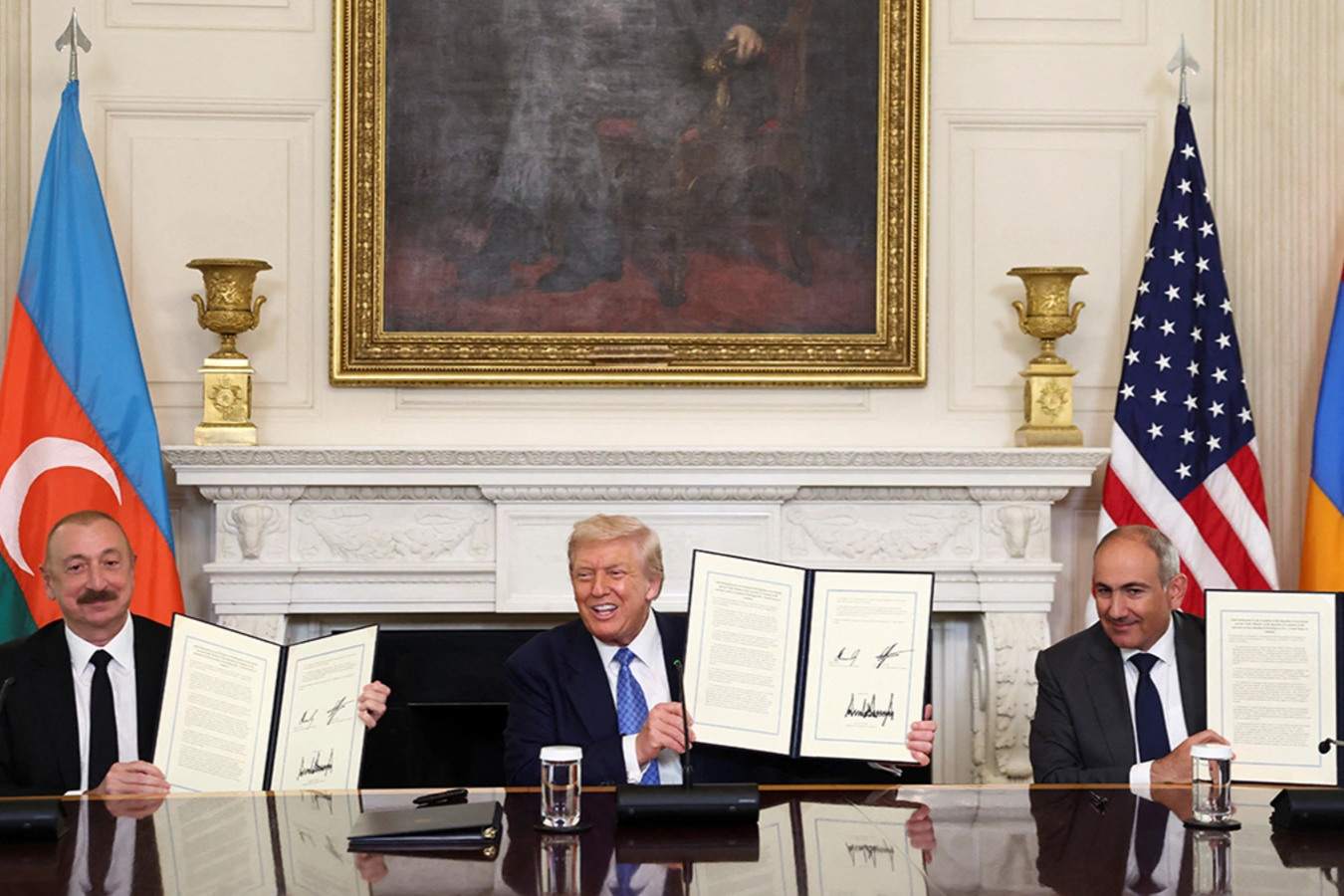
Azerbaijani President Ilham Aliyev, Trump, and Armenian Prime Minister Nikol Pashinyan hold up their signed agreements at the White House on August 8. (Kevin Lamarque/Reuters) |
Trump has repeatedly claimed to have ended eight wars since he returned to office. Accessing critical minerals and extracting resources appear to be at the core of those diplomatic efforts. Check out the analysis |
| |
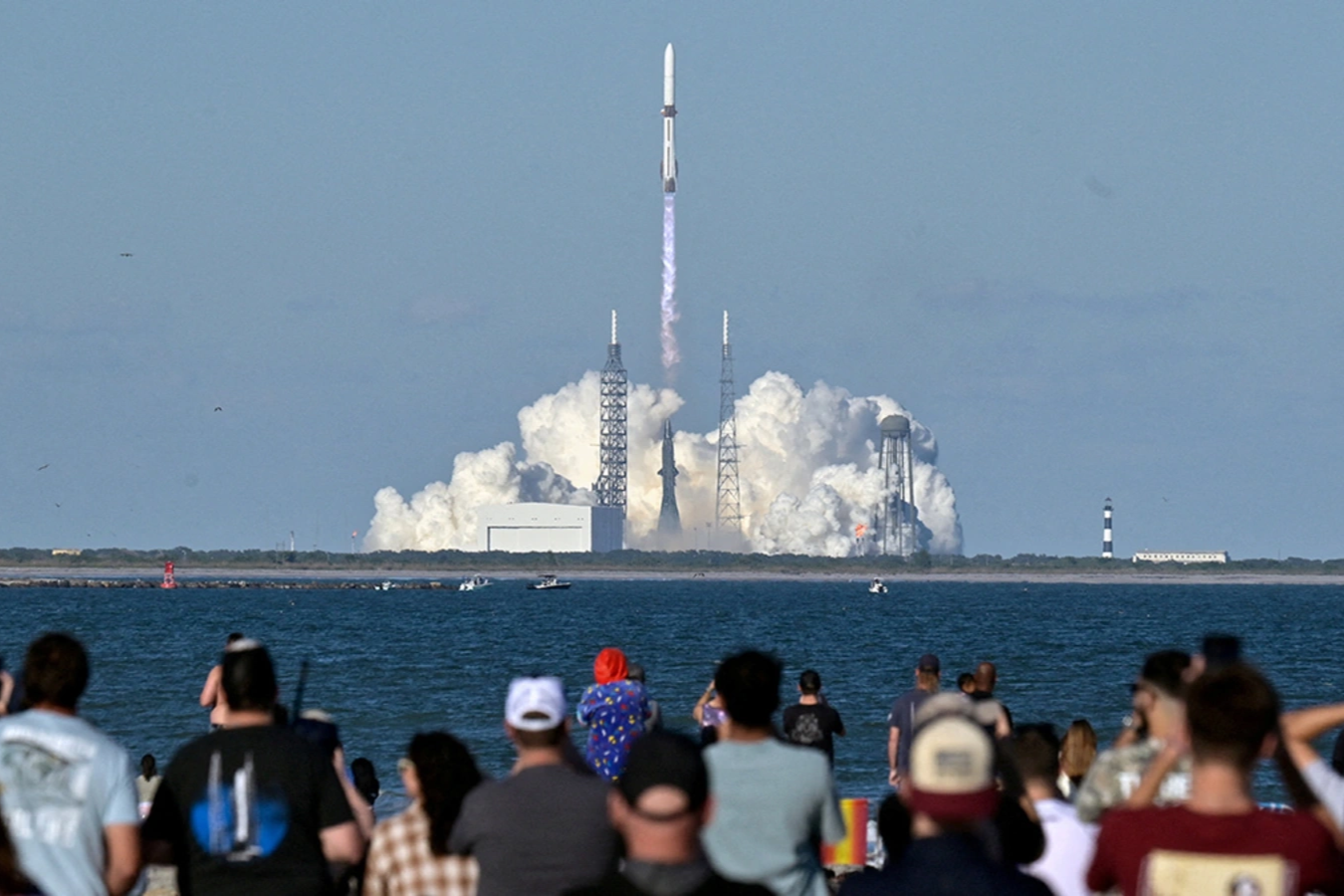
A Blue Origin New Glenn rocket carrying two satellites for NASA’s ESCAPADE mission to orbit Mars launches at the Cape Canaveral Space Force Station in Florida on November 13, 2025. (Steve Nesius/Reuters) |
Trump’s new executive order sets an ambitious course for lunar exploration, missile defense, and commercial investment. However, it overlooks the need for practical rules agreed to by all spacefaring countries, writes Brimmer. Read the brief |
|
|
Every year, the Preventive Priorities Survey asks experts to rank thirty conflict scenarios in terms of likelihood and potential impact. This year’s results paint a picture of a more violent and dangerous world in 2026. The Center for Preventive Action describes the key takeaways from CFR’s latest conflict risk assessment. Read the breakdown
|
|
|
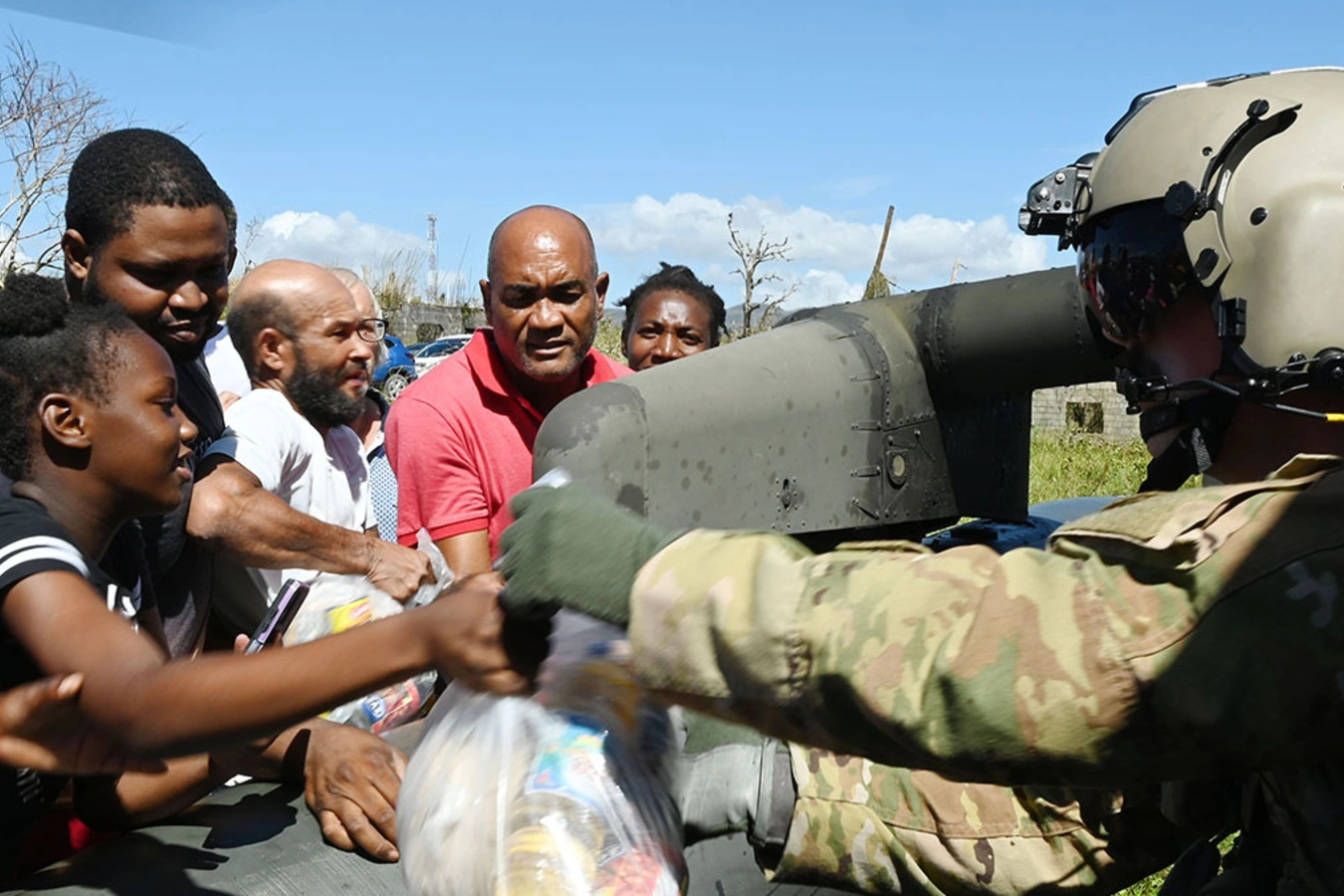
A U.S. Army soldier distributes food in Amity, Westmoreland Parrish, Jamaica, on November 4, 2025. (Kaylee Schanda/U.S. Air Force) |
In 2025, the Trump administration dismantled the humanitarian aid system run for decades by the U.S. Agency for International Development (USAID). CFR International Affairs Fellow Vigersky analyzes how the United States’ new humanitarian model is filling the void left by USAID. Read the brief
|
| |
Looking Back, Looking Ahead |
| |
CFR Mary and David Boies Distinguished Senior Fellow in U.S. Foreign Policy Lindsay looks back at the last twelve months and analyzes the ten most notable events of 2025. Read the list |
|
|
Given how eventful 2025 proved for the global order, it is well worth looking ahead at which major global forums scheduled in 2026 will continue to shape the future of multilateralism—and how the Trump administration will continue to influence those summits. Read the article |
|
|
|