|
 |
The Playbook Donald Trump Is Stealing From Ronald Reagan
Today the target is Somalis in Minnesota. Fifty years ago it was “welfare queens.”
|

| |||||||||||||||


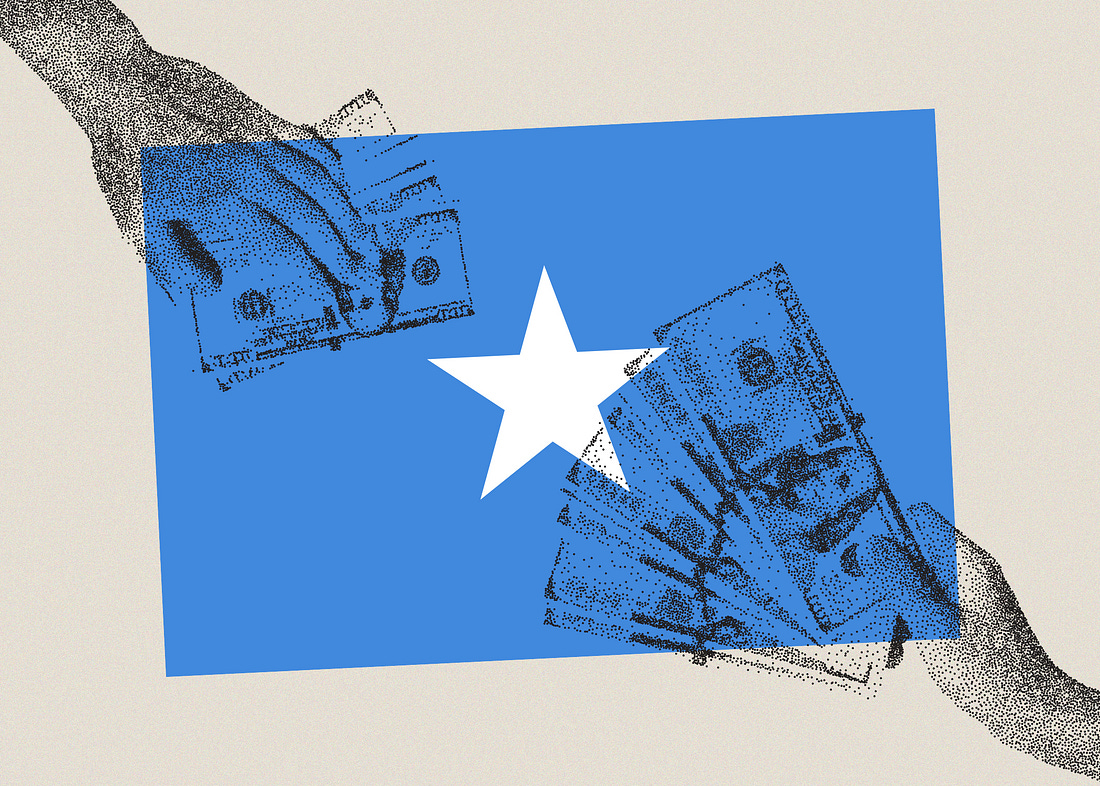 |
HOMELAND SECURITY SECRETARY KRISTI NOEM announced on Tuesday that the federal government is revoking “temporary protected status” for more than 2,000 Somali refugees. The ostensible rationale is that “country conditions in Somalia have improved,” which is a strange thing to say about a place very much still wracked by political turmoil and in the throes of a humanitarian crisis.
Not that anybody takes the rationale seriously. The move comes after weeks of hostile Trump administration rhetoric toward Somali immigrants, including the president calling them “garbage” and “lowlifes” ” and vowing to “send them back from where they came.” Lately his administration has been trying to do just that through a massive immigration crackdown in Minneapolis, home of a large Somali diaspora—and where last week an immigration officer killed local resident Renee Good, who was protesting the enforcement action.
The spark—or, at least, the excuse—for the crackdown and rhetoric was a welfare fraud controversy involving mostly Somali-run service organizations stealing money that’s supposed to finance programs to support needy Minnesotans. The decade-old scandal attracted national attention in December following new indictments from federal prosecutors and a now-viral video from a MAGA-aligned, self-described “citizen journalist.”
Animus toward Somalis is nothing new for Trump and his supporters. The uptick in just the last week is almost certainly linked to the administration’s desperation to justify the killing of Good, a native-born, white U.S. citizen. But something else is going on here too. What you’re seeing and hearing is the fusing of two parts of the Trump administration’s agenda.
One is its war on immigration, which every day seems less like an attempt to control the border and more like an effort to minimize—and bully—America’s non-native, non-white population. The other is Trump’s war on the welfare state, which feels less like an effort to cut waste and more like an attempt to gut core programs that provide health care, childcare, and other critical services to many millions of Americans
You can imagine why Trump and his supporters are putting these two narratives together. And that’s especially true if you’re familiar with a political trope that first became part of the national conversation fifty years ago—one that, like the Somali fraud story, twisted some real facts and mainstream policy arguments into a fictional tale that leveraged ugly sentiments against a minority group in order to promote a more radical agenda.
RONALD REAGAN WAS IN THE EARLY STAGES of his 1976 presidential campaign when he began sprinkling his speeches with references to a Chicago woman who, in his telling, was using fraudulently collected welfare benefits to buy fur coats, a Cadillac, and other luxury items. Reagan was referring to the real-life story of a woman named Linda Taylor, whose exploits the Chicago Tribune had revealed two years before. Though Reagan didn’t use her name, eventually he started using the same moniker the Tribune did, referring to her as a “welfare queen.”
The story was a perfect fit for one of Reagan’s core claims, which was that a bloated, corrupt federal government was squandering tax dollars on wasteful, ineffective anti-poverty programs. It tracked some serious arguments made by prominent conservatives—and even the occasional liberal—that the welfare system didn’t provide incentives for recipients to find work.¹ Politically, it tapped into the post-Vietnam, post-Watergate cynicism that had sent faith in government (as measured by Pew Research polling) plunging from more than 70 percent in the 1960s to below 30 percent by the time Reagan became president in the 1980s.
But it wasn’t just a failed war in Asia or a corruption scandal in the Oval Office that explained the public’s turn against the government. Attitudes about race played a big role too. The backlash against anti-poverty programs specifically and government programs more generally had a lot to do with the fact that, after the civil rights movement and the Great Society reforms, large numbers of white voters believed that their hard-earned tax dollars were going to black people who didn’t deserve it, just like Reagan’s welfare queen was widely presumed to be.
Except the real welfare queen story was more complicated, as journalist Josh Levin later detailed in his acclaimed biography The Queen.² Taylor had indeed defrauded welfare, but only by a small amount. The more troubling parts of her life, Levin wrote, were potential (but never prosecuted) transgressions like alleged kidnapping that had nothing to do with public assistance.
And just as the truth about Taylor didn’t line up with Reagan’s rendition, the truth about the welfare system belied Reagan’s simple morality-political tale. Actual fraud in the program was relatively low, as research later showed. Blacks were never a majority of recipients, though many voters assumed they were.