| Forwarded this email? Subscribe for more |


 |
| By The Free Press |
It’s Wednesday, January 14. This is The Front Page, your daily window into the world of The Free Press—and our take on the world at large. Today: The bloodiest massacre in the history of the Islamic Republic of Iran. Patrick McGee on the race between China’s robots and America’s chatbots. Will the Supreme Court let states bar trans athletes from public-school teams? Plus: Sanjana Friedman asks: Why is San Francisco doing reparations? And much more.
But first: Olivia Reingold joins ICE watch.
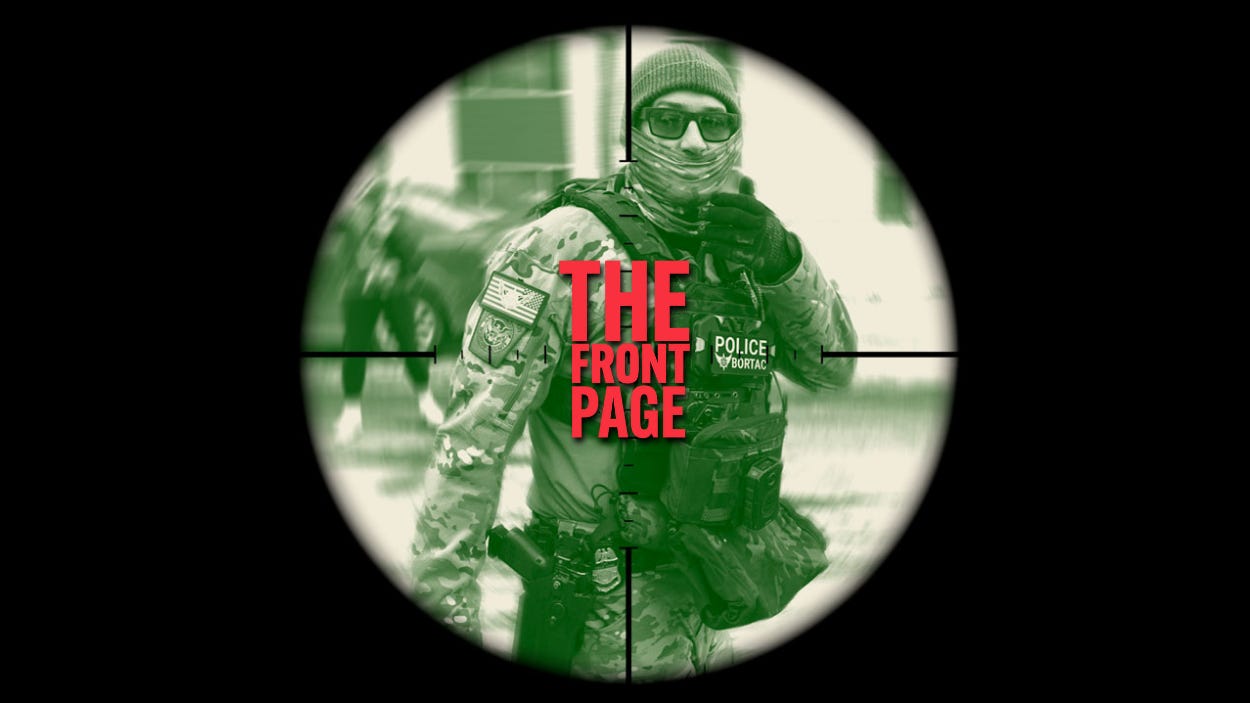
When the news broke last week that an ICE agent had shot and killed Renee Good, a 37-year-old “ICE observer” in Minneapolis, one question soon came to the fore: What exactly is an “ICE observer”?
For the past 72 hours, I’ve been getting to the bottom of that as a member of their secret world. And by “world,” I mean a series of clandestine Signal chats, in which Minneapolis activists go by usernames like “Pissed Off Old Lady” and discuss things like whether ICE agents can hack their AirPods. I even gained access to a meticulously maintained database of license plates they claim are “confirmed ICE” vehicles.
The few that would speak to me told me that they are undeterred by the death of Good, and that they’re more determined than ever to monitor and interrupt ICE. As the Trump administration continues the largest immigration enforcement operation in ICE’s history, read my dispatch on the groups determined to resist it.
—Olivia Reingold
 |
Ends today: We’re celebrating a new year and new additions to our newsroom. Enjoy 20 percent off a subscription to The Free Press. |
A Bloodbath in Iran
On Tuesday morning, a shocking figure was presented to the world: 12,000. That’s the number of protesters who have been killed by the Iranian regime in recent days, according to reporting by London-based Iran International. This number isn’t a guess, says Iran International executive editor Mehdi Parpanchi. It is a leaked figure from inside the regime. “This is a full massacre,” Parpanchi tells Tanya Lukyanova. Watch her harrowing report on the Iranian regime’s bloody crackdown.
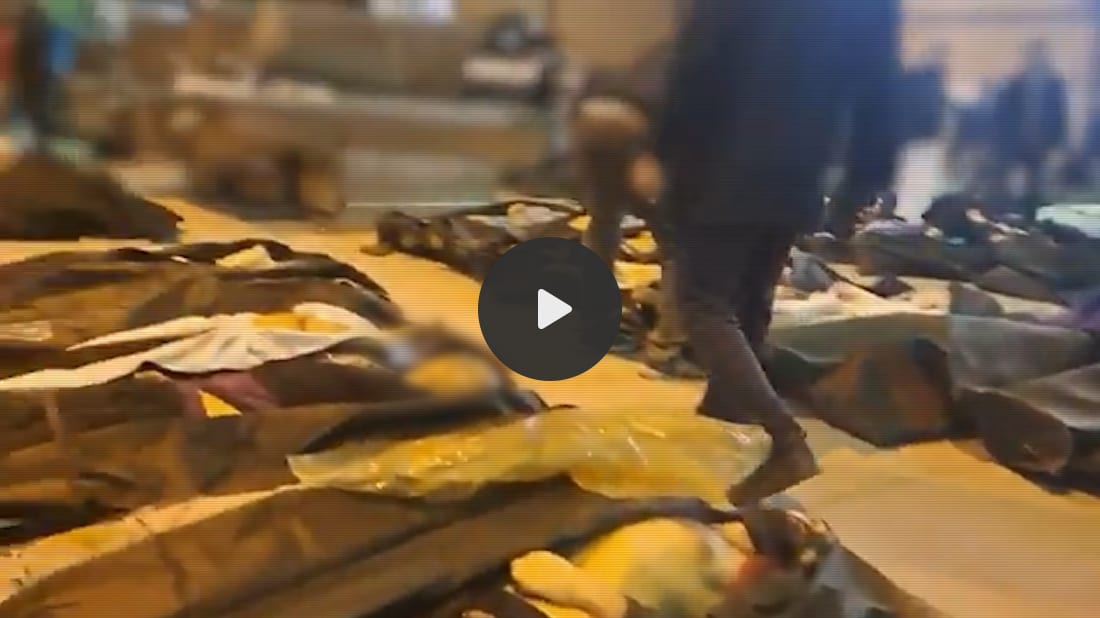
Iranian journalist Roya Hakakian reaches a similar conclusion to Parpanchi, and estimates the regime has murdered at least four times as many people as were killed during the 1979 Islamic revolution. Roya explains that this brutal strategy is the regime’s tactic of last resort—and argues that the Iranian people need urgent help from overseas. Read her piece:
Skeptics of foreign involvement in Iran point to the past as an argument against U.S. or Israeli action in the coming days. In particular, they cite America’s role in the fall of Prime Minister Mohammad Mossadegh as a cautionary tale for the present. But the story is a little more complicated than that, writes Eli Lake. He dissects the half-truths and fake history distorting our debate on how to respond to the violent crackdown:
|
Boys in Girls’ Sports Is a Loser in Court | ||||||
 | ||||||
|

China’s Robots vs. America’s Chatbots | ||||||
 | ||||||
|
New Life for San Francisco’s Worst Idea | ||||||
 | ||||||
|