|
|
Tropical Islands Partnering on Solutions for Marine Debris logo (Credit: NOAA).
|
|
|
Thank you for subscribing to the newsletter for Tropical Islands Partnering on Solutions for Marine Debris, a webinar series hosted by the NOAA Marine Debris Program. Webinars are hosted every other month and connects tropical island communities to share perspectives on common marine debris issues and potential solutions. Each webinar features stakeholders from federal, state, and local government; nongovernmental organizations; academia; and industry to discuss marine debris topics impacting tropical islands.
Visit our website to learn more about the upcoming topics and speakers, and to revisit our previous webinars.
Upcoming Webinar
Paradise Polluted: Strategies for Sustainable Tourism
Tuesday, January 27, 2026
3:00 p.m. EST, 4:00 p.m. AST, 10:00 a.m. HST
|
|
|
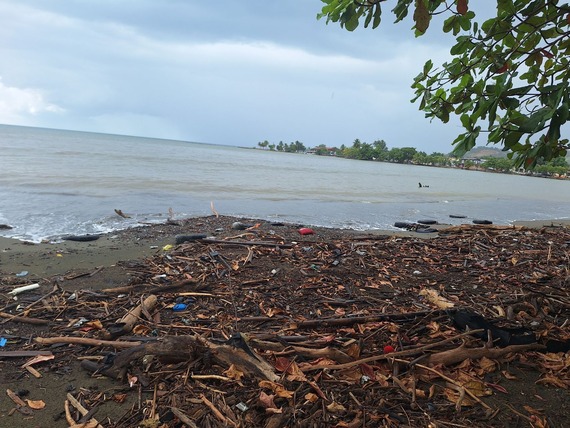
Consumer debris deposited on a beach in Puerto Rico (Photo Credit: NOAA).
English
Tourism is an important part of island economies, but at times, can also pose threats to the health of ecosystem resources. Implementing strategies to relieve this burden on essential environments is critical to preserving these valuable resources. In our next webinar, Paradise Polluted: Strategies for Sustainable Tourism, speakers will discuss the successes and challenges of various approaches to shifting toward responsible tourism.
Español
El turismo es una parte importante de las economías en las islas, pero en ocasiones también puede suponer una amenaza para la salud de los ecosistemas. La implementación de estrategias para aliviar esta carga sobre entornos esenciales es fundamental para preservar estos valiosos recursos. En nuestro próximo seminario web, Paraíso contaminado: estrategias para un turismo sostenible, los ponentes discutirán los éxitos y retos de diversos enfoques para avanzar hacia un turismo responsable.
Our Speakers
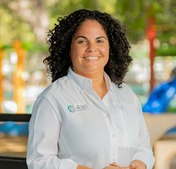
Glenis Padilla-Plaza | Executive Director
Aleli Environmental Inc.
From 2021 to 2024, Alelí collaborated with Villanova University, NOAA, and Protectores de Cuencas, Inc. in the study Assessment of Pathways and Degradation of Marine Debris within the Guánica Watershed and Surrounding Region of Southwest Puerto Rico. The outreach and education component of this project inspired Alelí’s team to create the initiative "Comida sin Huella," or Food without a Footprint, to prevent and reduce the use of single-use plastics and waste in this region, with a special focus on eight Guánica restaurants and their customers. Comida sin Huella utilizes social marketing methods and integrates unique social and monetary incentives to promote a circular economy among restaurants, and more recently to public schools as well.
|
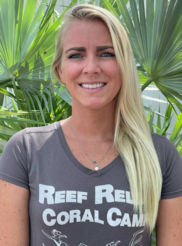
Dora DeMaria | Assistant Executive Director Reef Relief ®
Dora will be speaking on Reef Relief's work in combating marine debris pollution in the waters of the Florida Keys. Through preventive campaigns, partnerships with the local city to curb littering, and actively removing trash from the waters, staff and volunteers at Reef Relief work together to tackle pollution at multiple levels.
|
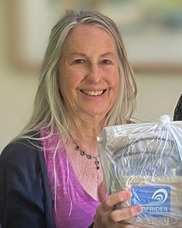
Cynthia Welti | Advisory Council
Surfrider Kaua‘i
Surfrider launched its Ocean Friendly Visitor program in November 2020 as a way for visitors to Kaua‘i to learn more about the issue of marine debris. Several major resorts participate, as well as visitors doing solo cleanups. The program caught the attention of the Hawai‘i Visitors Bureau, who promote it to travel journalists.
|
|
|
|
|