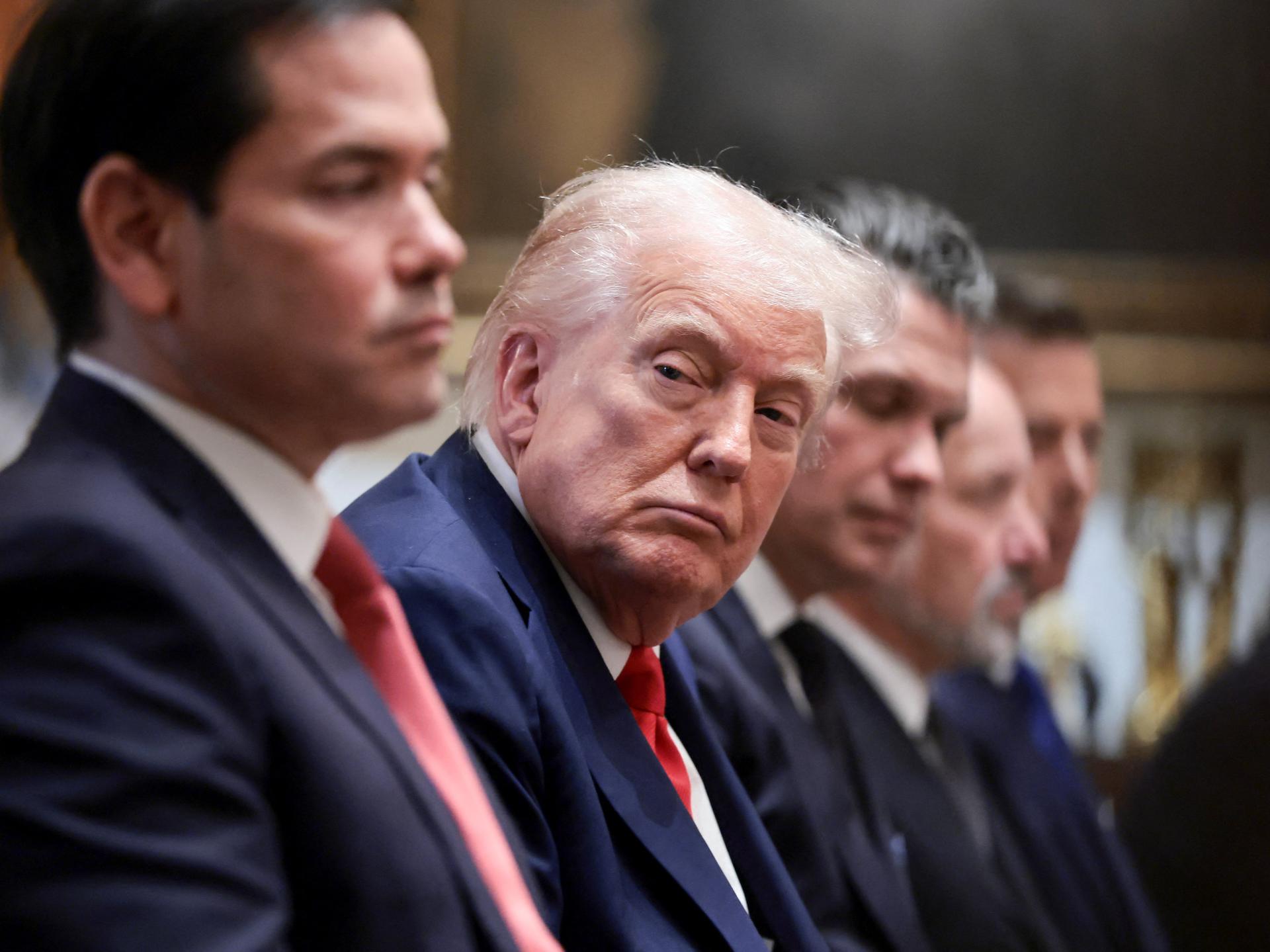
Thursday marked one year since President Donald Trump initiated the U.S. withdrawal from the World Health Organization (WHO), ostensibly ending U.S. involvement in the institution. Trump’s decision—shaped by grievances with the WHO’s perceived “mishandling” of the COVID-19 pandemic, U.S. financial contributions, and a lack of reform—is part of his administration’s retreat from multilateralism and sets the tone for the America First Global Health Strategy.
To lead this week’s newsletter, Peter Singer, former special advisor to the WHO’s director general, outlines three reforms that could strengthen the WHO and global health, regardless of whether the United States returns. He also suggests avenues for more effective U.S.-WHO collaboration.
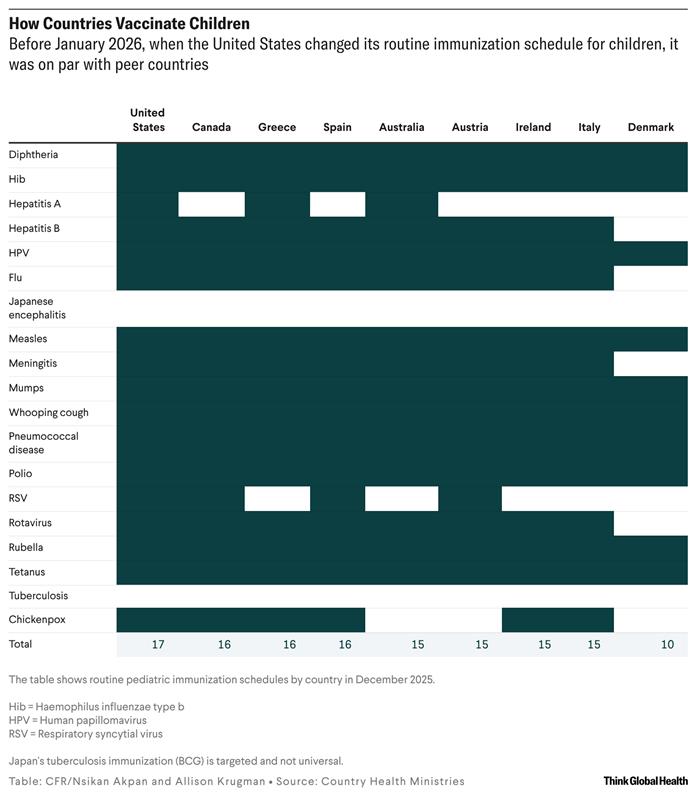
Beyond transforming global health, the United States is revamping its domestic health policy. On January 5, the U.S. Centers for Disease Control and Prevention (CDC) reduced the number of diseases covered in the childhood vaccine schedule from 17 to 11—a move that comes as the country is struggling to contain its largest measles outbreak in 35 years. To unpack the CDC’s decision, TGH Data Visuals Editor Allison Krugman interviews Seth Berkley, the former head of Gavi, the Vaccine Alliance, who explains how the new guidelines will influence local and global outbreaks.
Next, physician Sunny Jha warns that generative artificial intelligence (AI) is being used to create deep-fake videos that impersonate doctors and other health practitioners to promote health falsehoods and erode trust in health care.
David Mawutor Donkor, a research assistant at the University of Cape Coast in Ghana, concludes this week’s edition by describing how record-high gold prices are pushing more Ghanaians to seek work in dangerous and poorly regulated mines, harming their bodies and the environment.
Until next week!—Nsikan Akpan, Managing Editor, and Caroline Kantis, Associate Editor