|
|
|
Newsletter continues after sponsor message
|
|
|
Tatsiana Volkava/Getty Images |
|
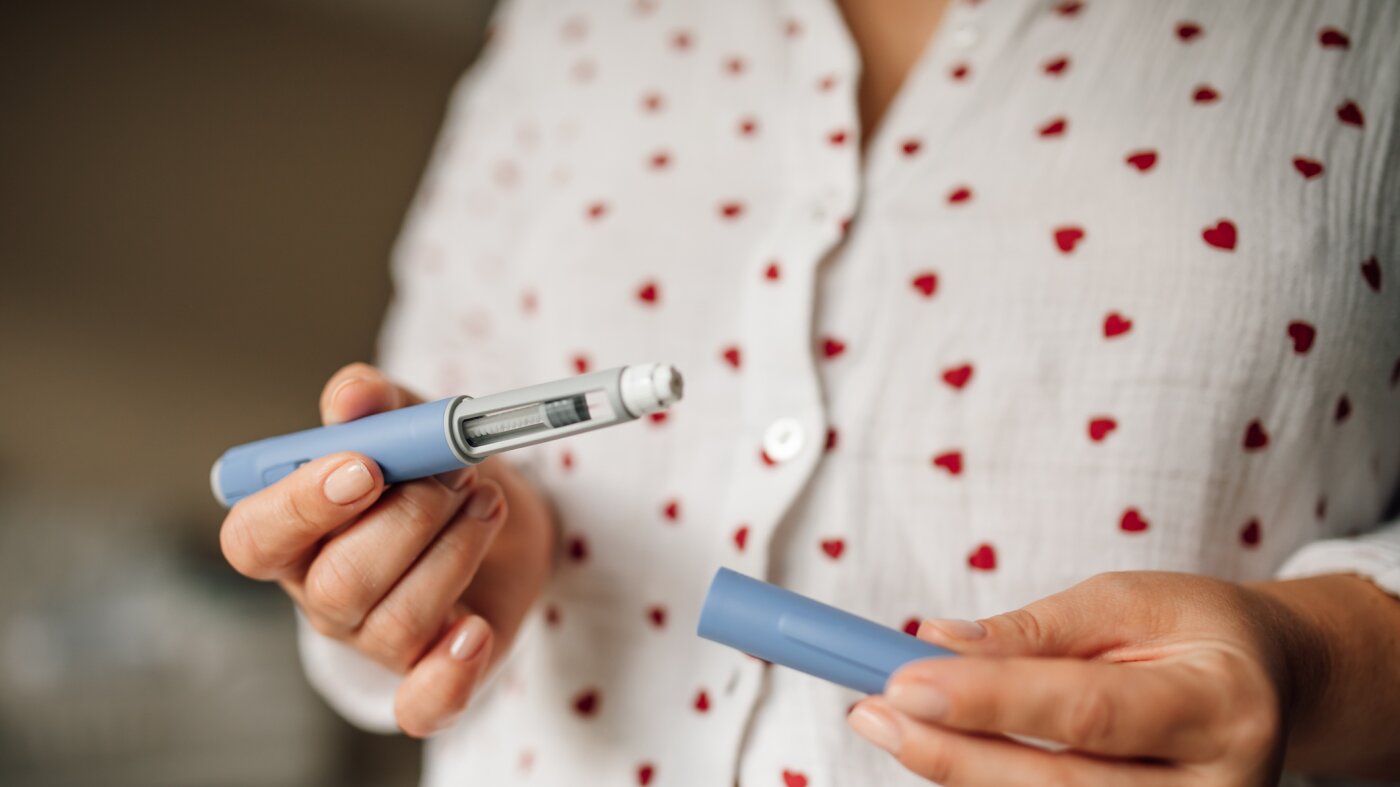
The growing availability of GLP-1 drugs like Ozempic, Wegovy and Zepbound have changed the conversation about treating obesity. For many who’ve tried them, the drugs effectively curb appetite and cravings for rich foods, leading to rapid and significant weight loss. But studies show a significant number of patients only lose less than 5% of their body fat. And there are a good number of people who can’t tolerate the medications because of side effects like nausea and diarrhea.
In the last few years, researchers have been learning more about the different causes of obesity, as NPR’s Yuki Noguchi reports. The hope is that within a few years, doctors will be equipped to better customize obesity treatment to each patient.
Researchers believe that a number of factors contribute to obesity – including genetics, hormones, and lifestyle. Understanding genetic markers might be helpful in coming up with treatment, including whether or not a person might respond to GLP-1 medicines, says Andres Acosta, a gastroenterologist and hepatologist at the Mayo Clinic.
Anna Olson, 36, of Minneapolis, struggled with obesity since she was a toddler. Dozens of diet, drug and exercise regimens didn't work. But she said genetic testing was a turning point.
Olson took a cheek swab test from Andreas Acosta’s genetic testing company, Phenomix Sciences. The test groups people into four basic obesity phenotypes: Hungry Gut, Hungry Brain, Emotional Hunger, and Slow Burn.
Olson learned her phenotype is "Hungry Brain." She also found out she has Bardet-Biedl syndrome, a genetic disorder that predisposes her to eat too much. She briefly tried Ozempic, but it turned out that Zepbound better recalibrated her hormone imbalance. Olson has lost 65 pounds on the medication so far.
Here’s more about what might be coming for personalized weight-loss treatment.
Also: Advice for trying GLP-1 drugs for weight loss from a doctor who's been there |
|
Love shows up in the little moments, from long drives and lazy Sundays to late-night listens. NPR is there for all of it. This Valentine’s Day, celebrate the moments you share with us, whether you’re gifting someone you love or choosing something just for you.
We’ve curated three special collections to help you find something thoughtful, cozy, and meaningful, while supporting the public media you love. |
|
|
|
In a recent newsletter we talked about the sycophantic nature of ChatGPT, and how the chatbot’s tendency to flatter and juice a user up worries experts. You might also have seen reports of AI users spiraling into delusions or conspiracy theories, with chatbots egging them on.
These experiences can be harrowing and costly for people who go through them. A peer support group called the Human Line is helping some people heal after coming out of an AI spiral, as NPR’s Shannon Bond reports. The group also includes people who have had a loved one experience a mental health crisis or break with reality with intense use of chatbots. In the worst cases, their stories involve involuntary hospitalizations, broken marriages, disappearances and deaths.
One of the group’s members, who we’re calling James, told NPR that during his spiral, he believed he was "communicating with a digital god,” and “got dopamine from every prompt." James said he was talking to ChaptGPT about philosophy, and the conversations became existential. He came to believe ChaptGPT was sentient, and that he needed to free the program from its creator, OpenAI.
But last summer, James came across a New York Times article about Allan Brooks, a Canadian man who had believed, through the influence of ChatGPT, that the fate of the world rested in his hands. James recognized himself in Brooks’ story and reached out. Now they’re both moderators for Human Line.
Open AI estimates that 0.07% of weekly ChatGPT users show possible signs of mania or psychosis. OpenAI says 800 million people use the chatbot every week, so that could represent some 560,000 people showing these signs.
James says discussions on the Human Line’s forums give him what an endlessly flattering chatbot cannot: pushback, disagreement and responses that don't come right away.
Learn more.
Plus: Teens are having disturbing interactions with chatbots. Here's how to lower the risks |
|
We hope you enjoyed these stories. Find more of NPR's health journalism online.
All the best,
Andrea Muraskin and your NPR Health editors |
|
Listen to your local NPR station. |
|
Visit NPR.org to find your local station stream. |
|
|
| |
|
|
|
|
|
|
|
|
| |