public health
‘The fear is absolutely wreaking havoc’
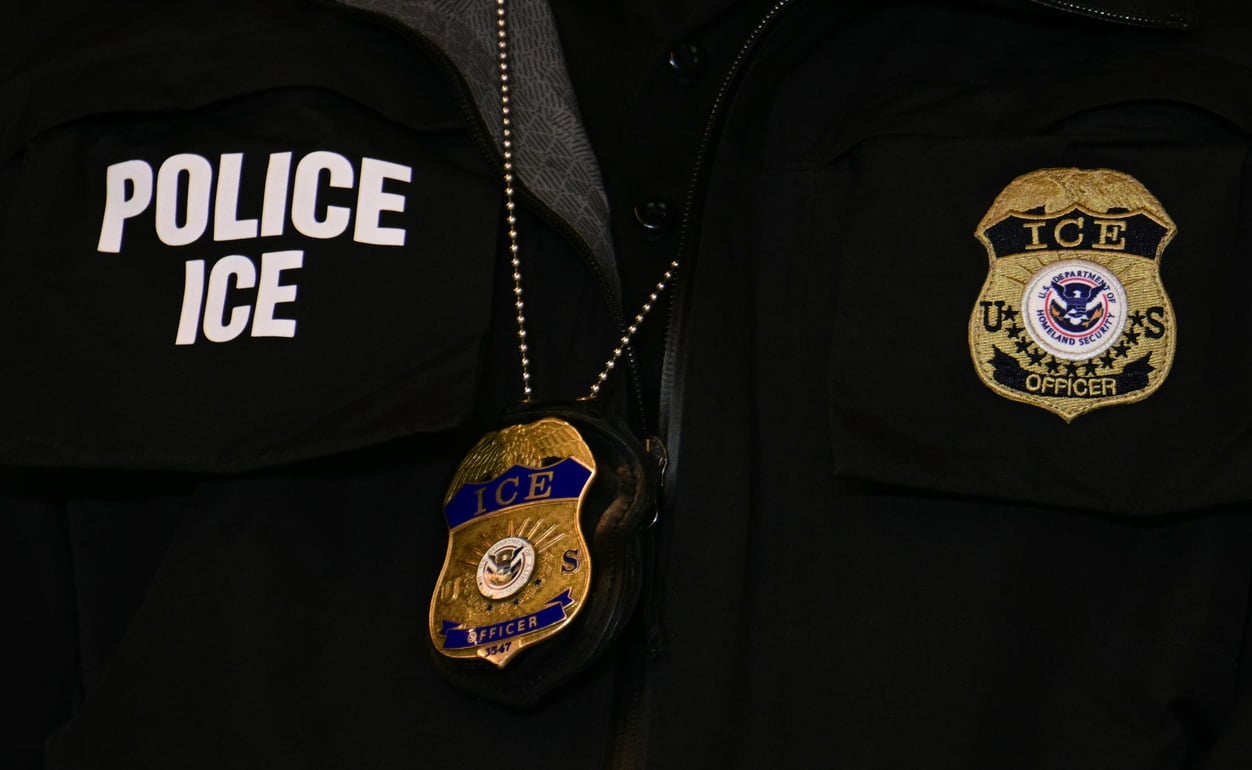
Jim Watson - Pool/Getty Images
At Children’s Minnesota, the emergency room usually sees about 130 patients per day. But lately, amid an ICE crackdown in the city and across the country, they’re seeing around 100. Bryan Fate, a pediatrician there, noted this is particularly unusual given the rough flu season. “It has an eerie feeling that there was during the pandemic,” he said. “The fear is absolutely wreaking havoc.”
And it’s not just in Minneapolis — doctors across the country are describing harrowing consequences for patients who delayed seeking care or skipped it altogether. At one Los Angeles clinic, no-show rates tripled last summer during a bout of intense immigration raids. STAT’s Daniel Payne spoke to doctors about what they’re seeing and how they’re trying to help.
infectious disease
Measles confirmed at two ICE facilities
In related news: Two people detained at a Texas immigration detention center were confirmed to have measles infections, multiple outlets reported Sunday night and Monday. A separate case was also confirmed in an Arizona ICE facility last week. In both instances, the Department of Homeland Security said in statements that the ICE Health Service Corps “immediately” took steps to quarantine the detainees, and that all movement within the facilities had stopped.
In the first nine months of the Trump administration, the number of people held in ICE detention facilities rose 50%, per KFF. Concerns that people in detention receive inadequate health care are longstanding, but the Trump administration has reduced oversight of these facilities.
cancer
Is cancer immunotherapy more effective in the morning?
It may sound surprising, but it’s not a new idea — researchers have previously noticed that cancer patients who get immunotherapy infusions in the morning seem to do much better than those treated later in the day. Still, many have doubts about the phenomenon.
Now, a randomized trial published yesterday in Nature Medicine is drawing renewed attention to the idea. In the trial, advanced lung cancer patients who got chemo and immunotherapy infusions before 3 p.m. had a 60% reduction to the risk of progression compared to those who received infusions after 3 p.m. That result, while not fully convincing to skeptics, is raising eyebrows. Read more from STAT’s Angus Chen on the study and its caveats.