Greetings from London!
Ever since the European Union decided in December to drop its effective 2035 ban on fossil-fuel cars and propose a 90% cut in CO2 emissions from 2021 levels instead, people have been trying to figure out what that could mean for the continent’s shift to electric vehicles.
Well, European climate group Transport & Environment has taken a crack at it, estimating that EVs will most likely account for 85% of new car sales from 2035.
T&E estimates automakers’ sales of cars that are not fully electric could range from 5% - for those continuing to sell high-emission, luxury internal combustion engine cars – to 50% after 2035 for those focusing on the most efficient extended-range plug-in hybrids. But T&E says the most likely figure is 15%, with automakers including a mix of combustion engine and plug-in hybrid vehicles alongside EVs.
Which brings us to today’s Auto File… |
|
|
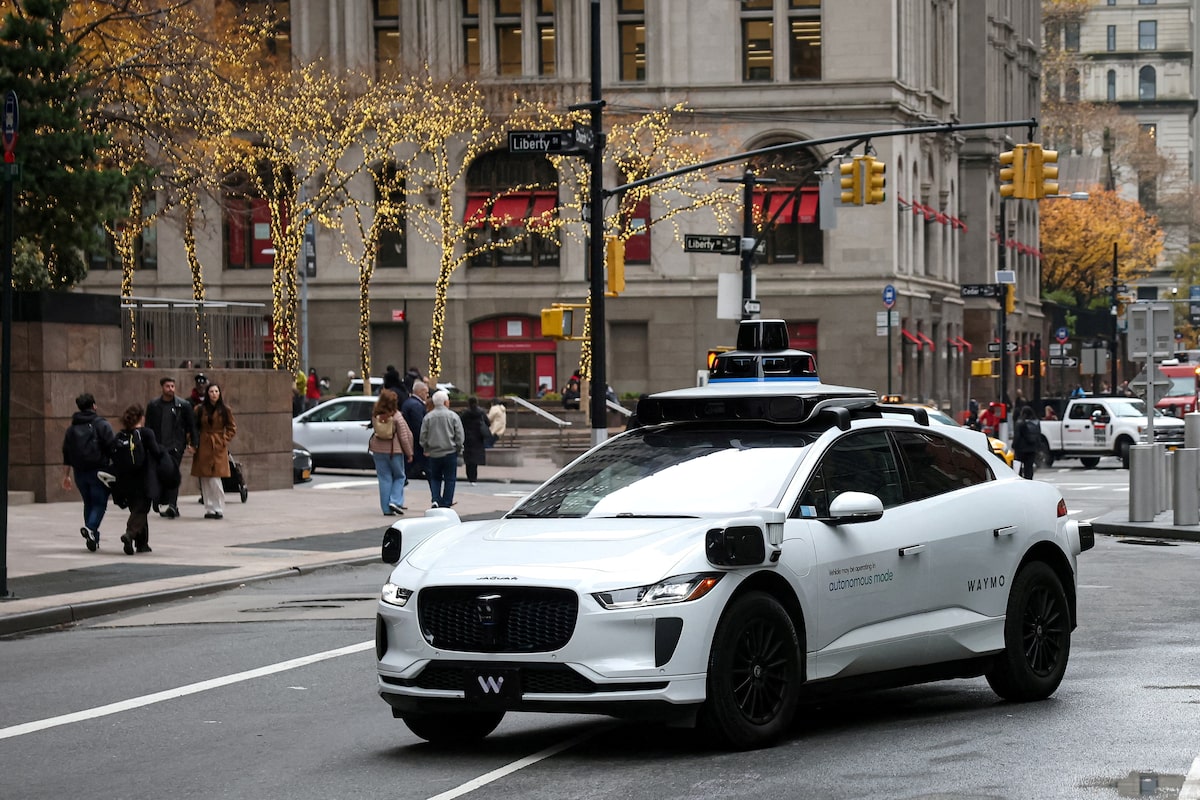
Waymo gets a big cash infusion - REUTERS/Brendan McDermid. |
If you were looking for a sign that self-driving cars were back in favor with investors, look no further than Waymo’s huge new fundraise, bringing in a whopping $16 billion in cash from investors.
The latest fundraising values Waymo at $126 billion – almost as much as the combined valuations of General Motors and Ford – or nearly triple its $45 billion valuation just two years ago. The fundraise comes as Waymo and other self-driving firms try to scale up by leaning heavily on AI.
Waymo, which Alphabet carved out of Google's self-driving car project in 2016, is the only operator in the U.S. offering paid robotaxi services with no safety drivers or in-vehicle attendants. The company said it tripled its volume to 15 million rides in 2025, providing 400,000 rides weekly across six major U.S. metropolitan areas.
The big payday for Waymo comes despite a U.S. regulator’s investigation into an incident where a Waymo self-driving vehicle struck a child near an elementary school in California. Safety concerns linger over autonomous vehicles, but not enough to put off deep-pocketed investors. |
|
|
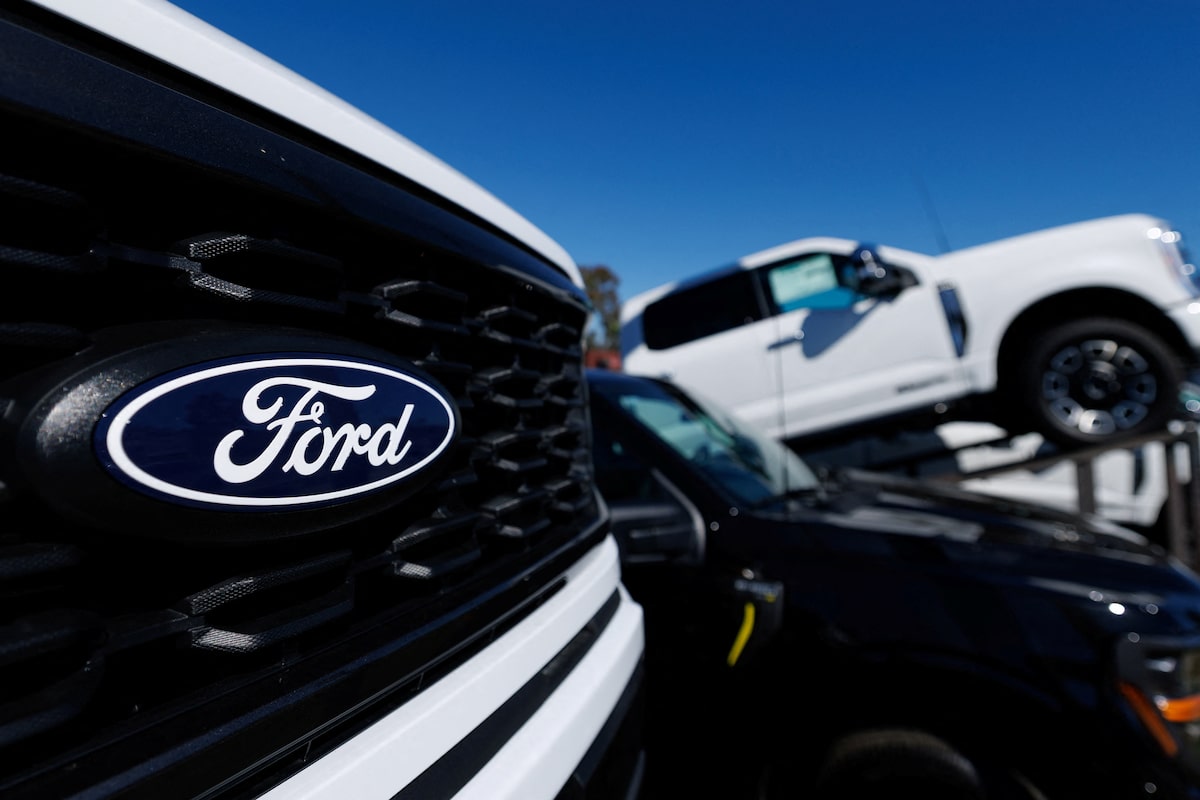
Ford needs more aluminum for its pickups- REUTERS/Mike Blake. |
More than four months ago, a fire at aluminum supplier Novelis triggered a supply chain headache for Ford, which relies on the metal for its highly profitable pickup-truck models.
As Reuters colleague Nora Eckert reports, that headache is far from over as Novelis has still not managed to restore full production. You can read more about it here.
Ford has already cut its 2025 profit outlook because the conflagration at the New York factory would lower the output of F-Series pickup trucks by up to 100,000 vehicles through the end of the year.
The U.S. automaker has been buying aluminum from other suppliers in the meantime and is expected to give an update on the situation at Novelis when it reports quarterly results next week. |
|
|
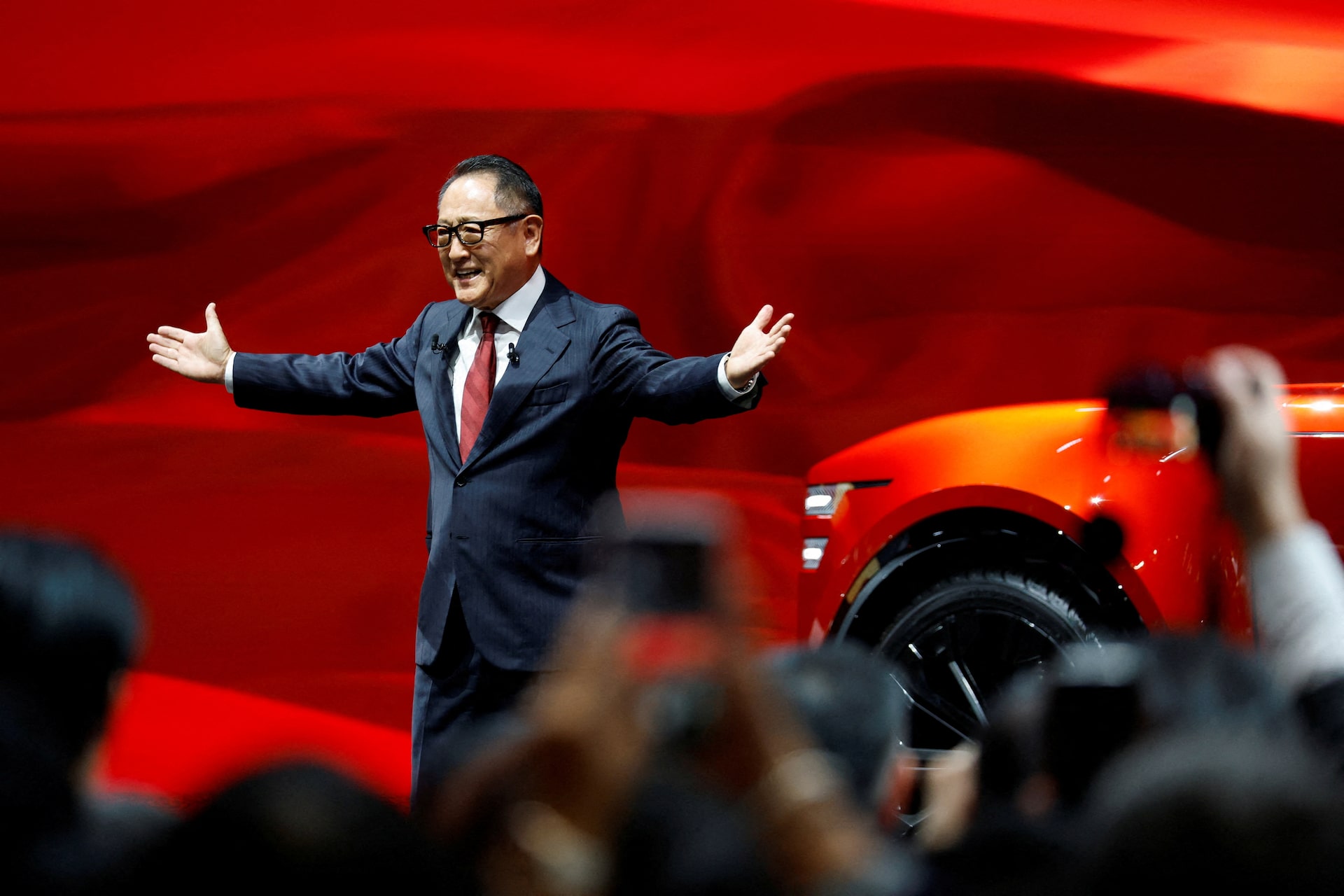
Akio Toyoda faces activist investor fight - REUTERS/Manami Yamada. |
When Toyota decided last year to take its Toyota Industries unit private, it seemed like a slam dunk.
But as Reuters colleagues Maki Shiraki, Daniel Leussink, David Dolan and Anton Bridge report, the move set up a clash with Elliott Investment Management that shows a cultural divide that has left the world’s largest automaker flatfooted. You can read all about it here.
The standoff pits Paul Singer's fund, known for extracting big paydays from Argentina and Peru, against Toyota and its chairman, Akio Toyoda.
The pushback threatens to upend Toyota's plans to revamp a key affiliate. Elliott has urged investors not to take a sweetened bid from the automaker, arguing TICO would be worth more independent - a gambit that could force Toyota to pay significantly more or kill the deal outright.
The transaction has become a test case for dealmaking in Japan - and whether the principle of "sanpo yoshi," which prizes benefits to all stakeholders and society, can withstand pressure from shareholder activists. |
|
|
It has been clear for some time that as far as Elon Musk is concerned, cars are just a stepping stone to something bigger for Tesla.
As Reuters colleagues Chris Kirkham and Akash Sriram report, Tesla plans to more than double capital spending to a record high of more than $20 billion this year – with almost none of that on new EVs. You can read all about it here.
Tesla, which lost its global EV sales crown to China's BYD in 2025, is shifting investment to yet-unproven business lines such as fully-autonomous vehicles and humanoid robots, based on executive comments during last week’s earnings call. Highlighting the change, Musk said Tesla would end production of its Model X SUV and Model S sedans and, instead, use the space in its California factory to make its Optimus robots.
Tesla still relies on conventional EVs for much of its sales, but its valuation far exceeds that of any other automaker. Much of that value hangs on investor belief that Musk will deliver on promises of delivering robotaxis and humanoid robots backed by the company's investment in AI. |
|
|
Toyota sold a record 11.3 million vehicles globally in 2025, retaining its crown as the world's top-selling automaker for a sixth year.
BYD's vehicle sales fell 30.1% in January from a year earlier, the fifth month of declines, as the Chinese EV maker navigates external uncertainties and tough competition at home.
Bosch, the world's largest car parts supplier, warned of another tough year in 2026 and postponed a 7% margin target as it expects no let-up in cost and competitive pressure in a sector hit by tariffs worldwide.< |
|
|
|