The latest from CFR’s RealEcon Initiative
RealEcon

From the Maurice R. Greenberg Center for Geoeconomic Studies

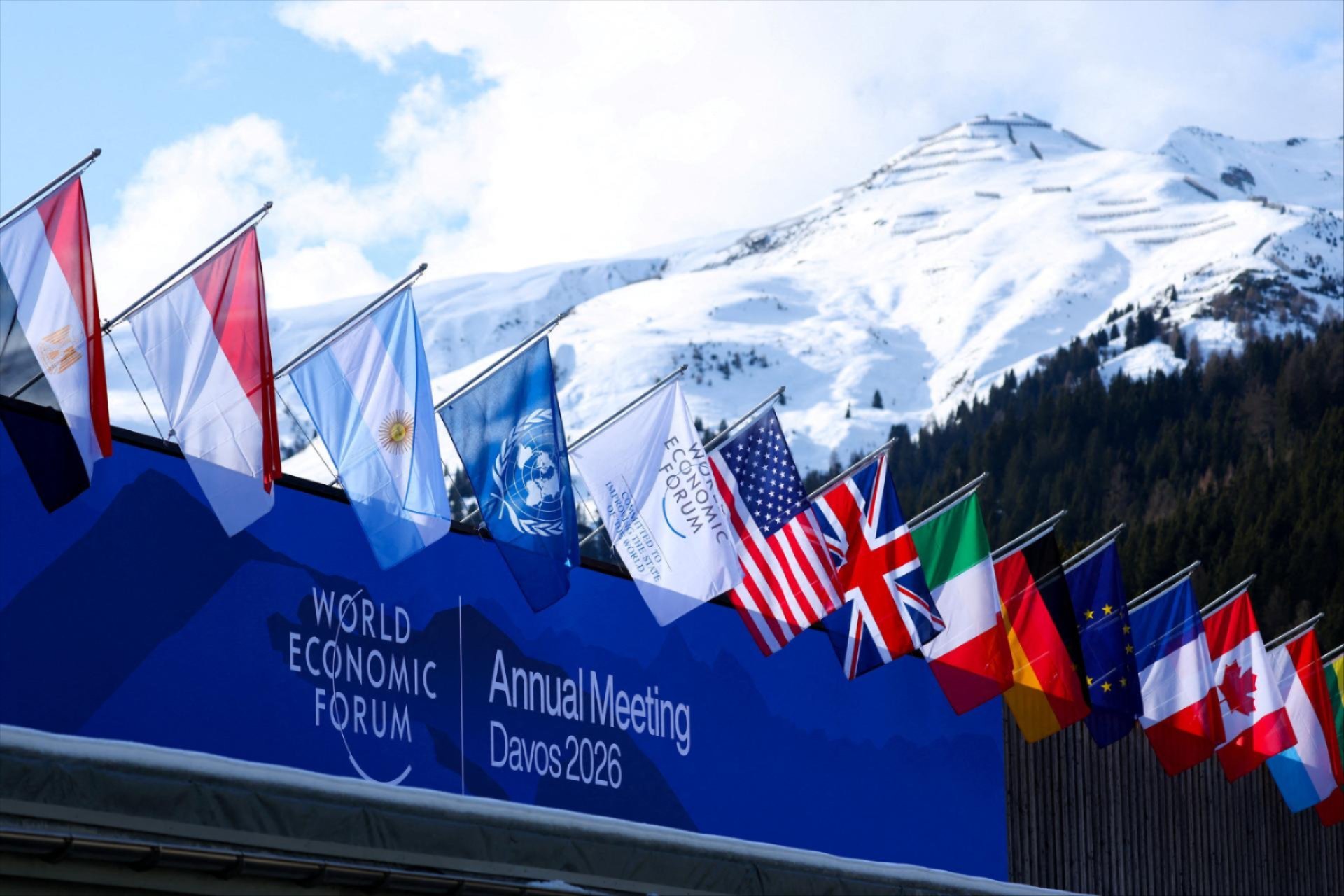
 Flags flutter during the 56th annual World Economic Forum (WEF) meeting, in Davos, Switzerland, January 19, 2026. REUTERS/Denis Balibouse/File Photo

Dispatch From Davos: The Geopolitics of the New Realism

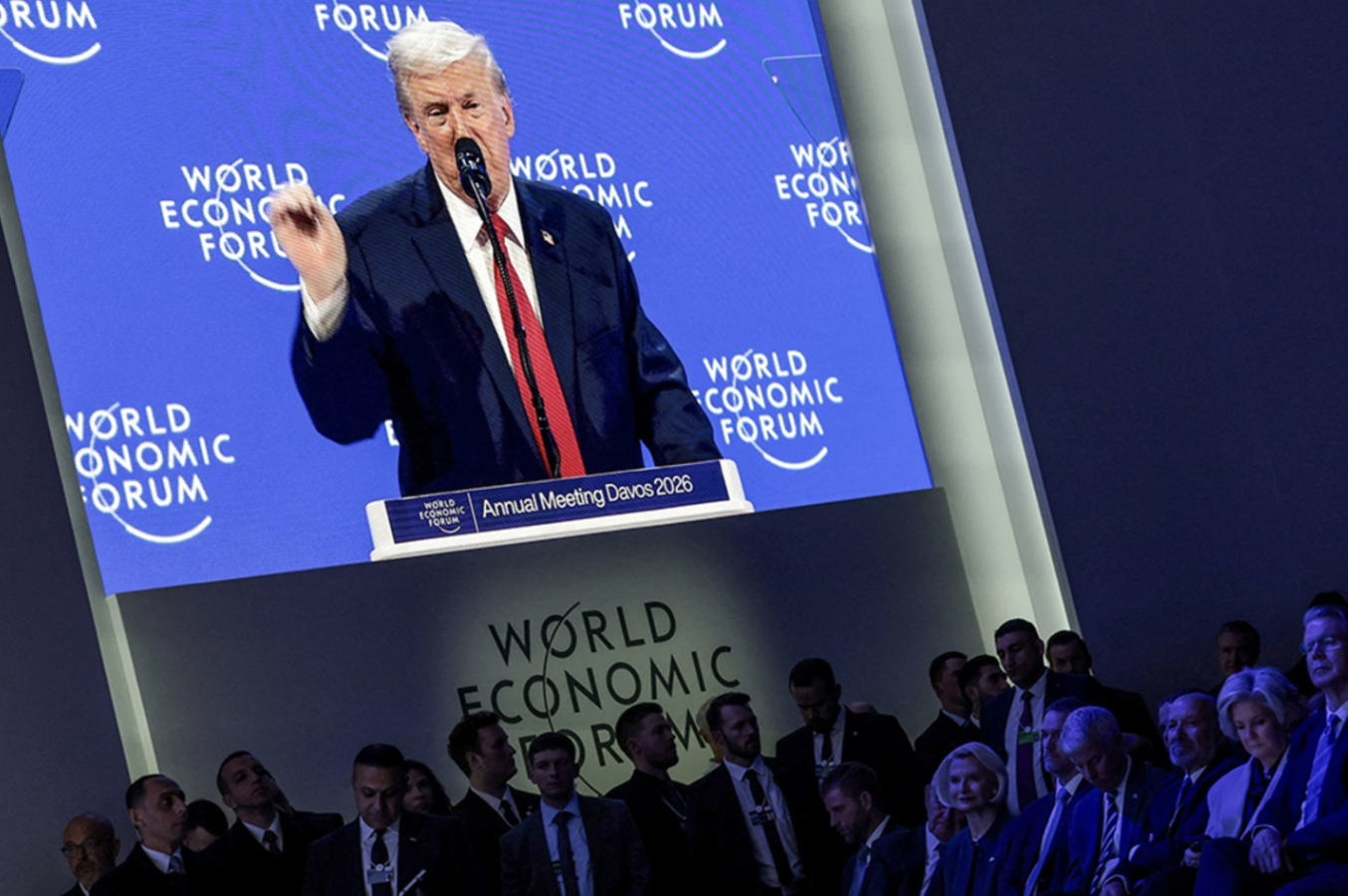
CFR President Michael Froman analyzes the mood at the World Economic Forum in Davos, Switzerland. Read his take

The 56th annual World Economic Forum meeting in Davos. Jonathan Ernst/Reuters

Why Kevin Warsh Won’t Revolutionize the Federal Reserve

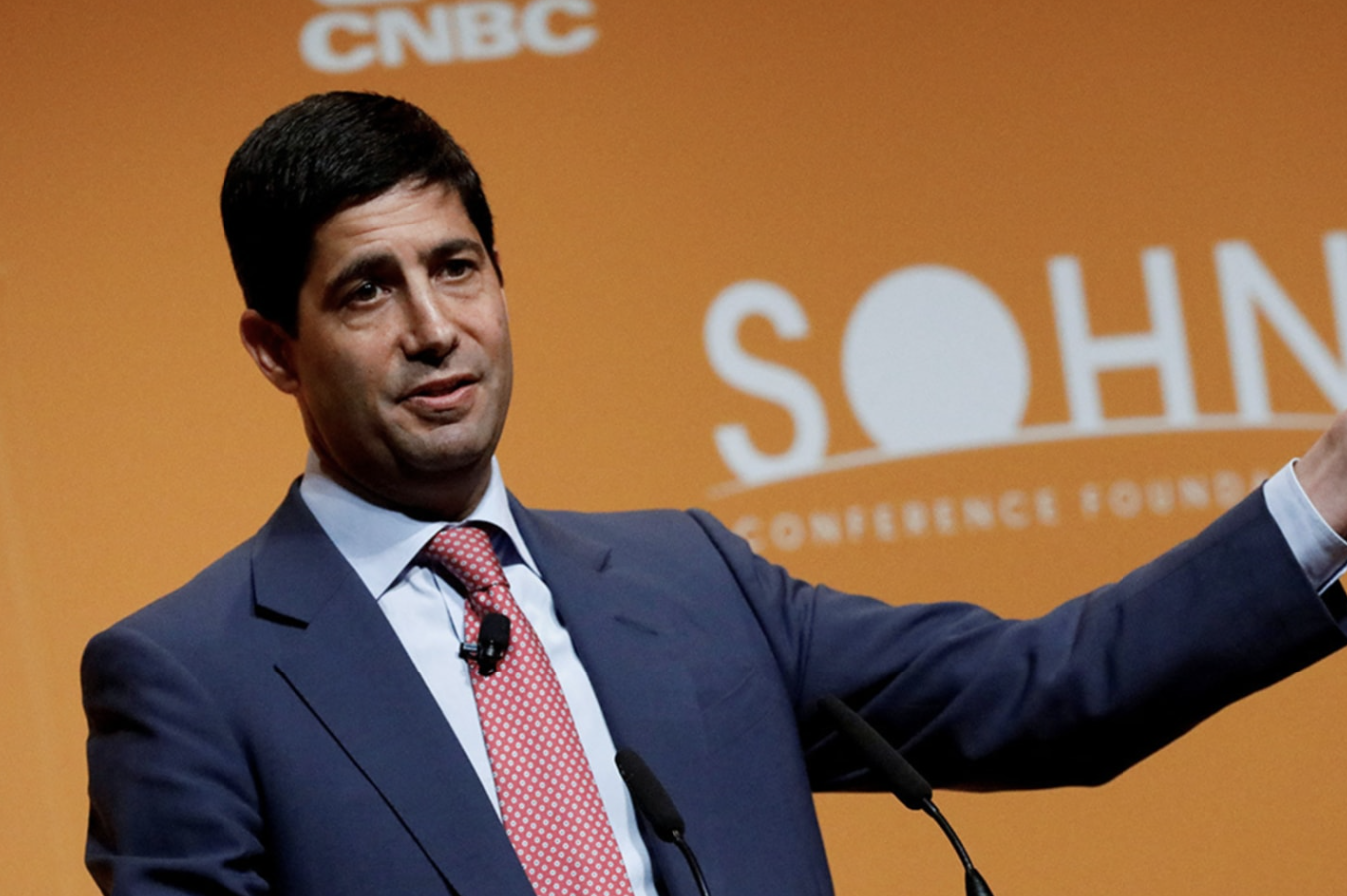
President Donald Trump’s nominee for Federal Reserve chair, Warsh, has aligned himself more closely with Trump’s agenda recently, but the president is mistaken to think a dramatic transformation at the Fed will lead to sudden rate cuts, argue CFR Fellow Roger W. Ferguson Jr. and Research Associate Maximilian Hippold. Read more

Kevin Warsh, Fellow in Economics at the Hoover Institution and lecturer at the Stanford Graduate School of Business, speaks during the Sohn Investment Conference in New York City, on May 8, 2017. Brendan Mcdermid/Reuters

The AI Bubble Is Getting Closer to Popping

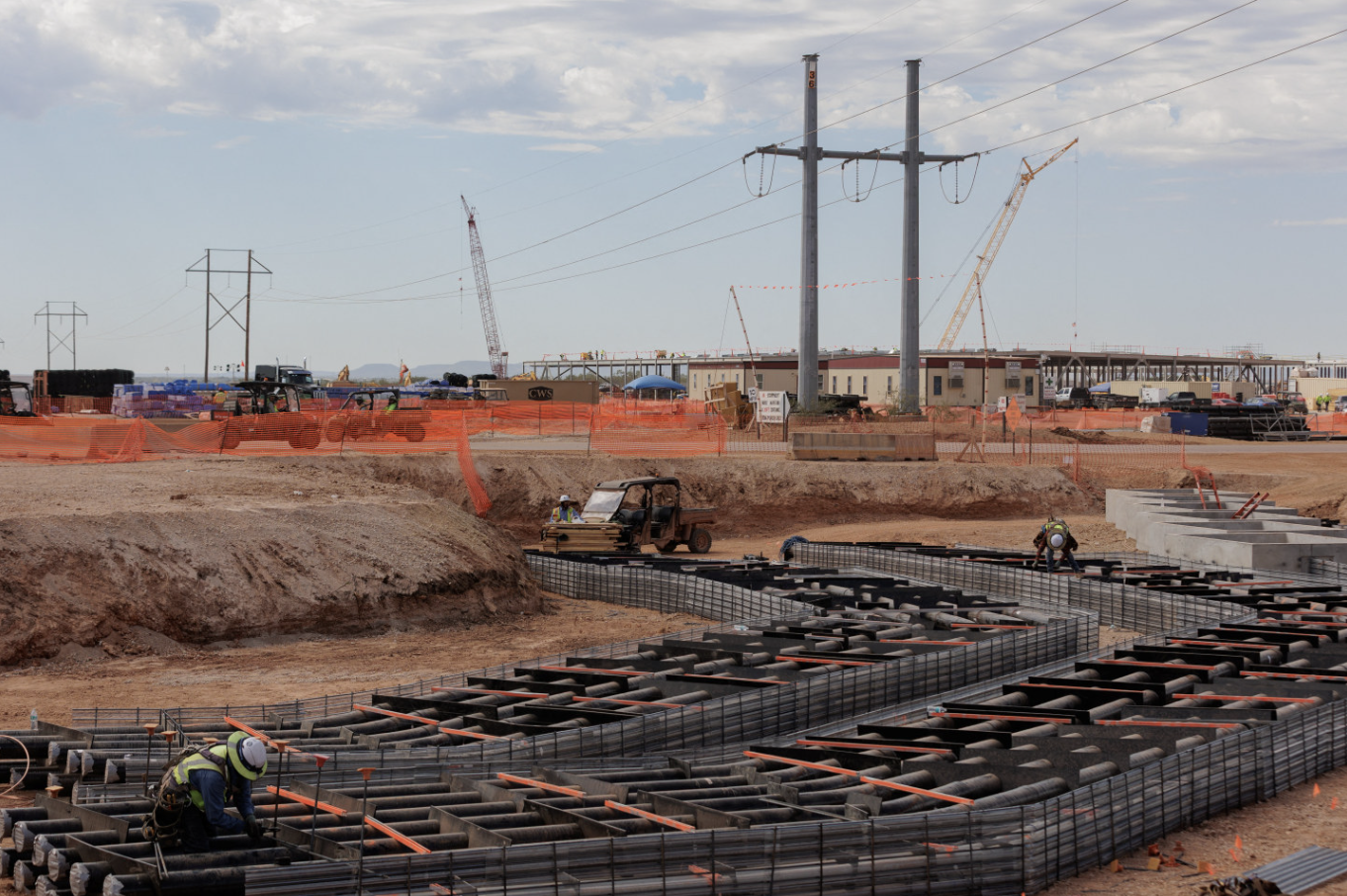
The success or failure of artificial intelligence (AI) will depend on whether it can start to show the worth of massive investments. And today, the Trump administration’s tariffs and immigration policies are a big part of what is holding back U.S. models and companies, writes CFR Senior Vice President of Studies Shannon K. O’Neil. Read her take

Conduits for fiber to connect superclusters of data centers are under construction during a tour of the OpenAI data center in Abilene, Texas, U.S., September 23, 2025. Shelby Tauber/Reuters

Trade Fun Fact 

What is India’s new reciprocal tariff rate recently announced by Trump? 

Answer at the bottom of the newsletter

U.S. Economic Security: Winning the Race for Tomorrow’s Technologies

CFR’s latest Task Force Report outlines challenges for U.S. economic security and offers practical recommendations for prevailing in strategic competition over foundational technologies.

Read the report
Read the Task Force Report: U.S. Economic Security: Winning the Race for Tomorrow’s Technologies

Also on Economic Security

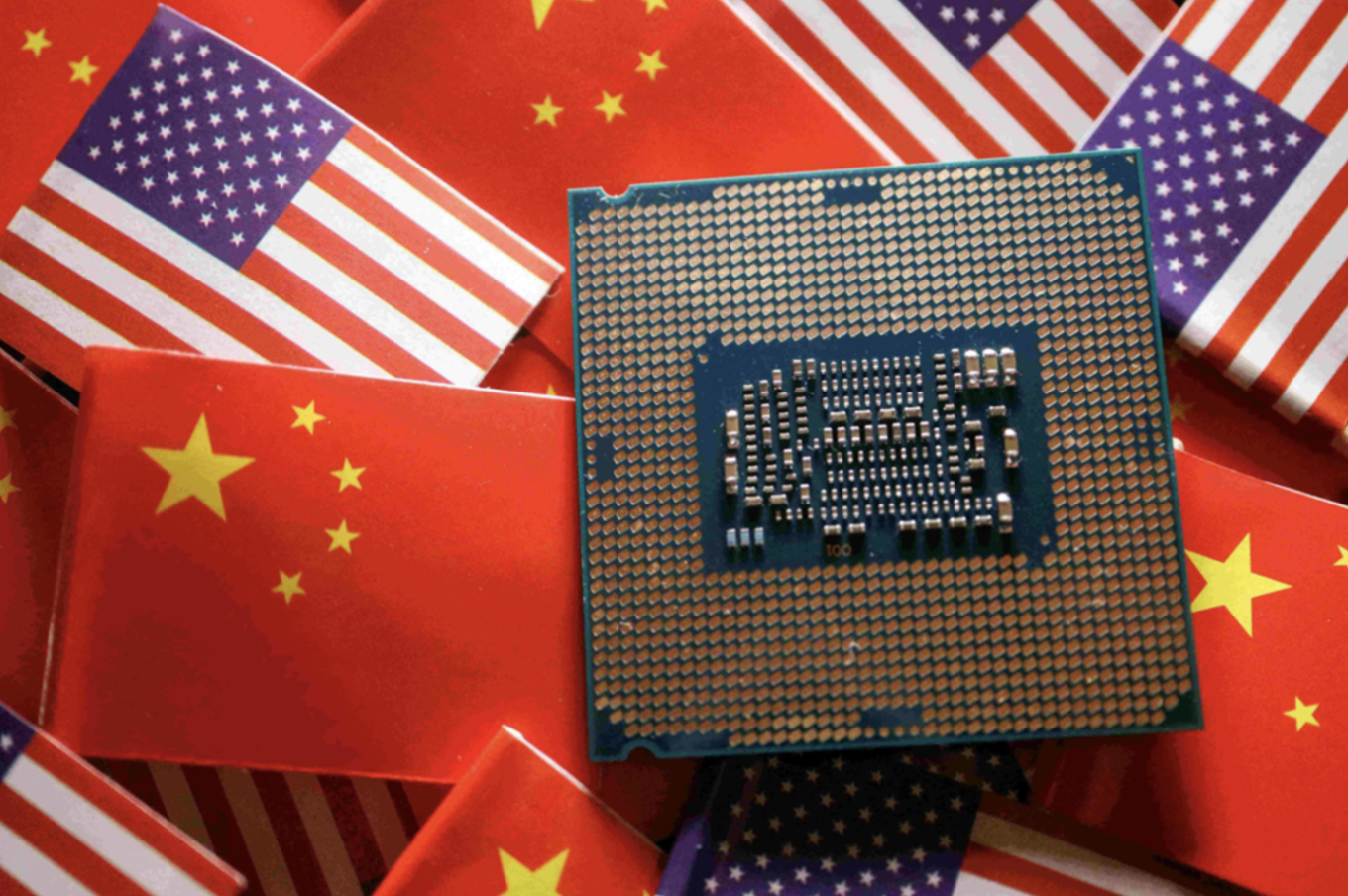
The New AI Chip Export Policy to China: Incoherent and Unenforceable

The regulation acknowledges that exporting advanced AI chips to China poses serious national security risks, while simultaneously creating a pathway to permit their sale. The result is a framework that is strategically incoherent, writes CFR Fellow Chris McGuire. Read the analysis

A central processing unit semiconductor chip is displayed among flags of China and U.S., in this illustration picture taken February 17, 2023. REUTERS/Florence Lo/Illustration/File Photo

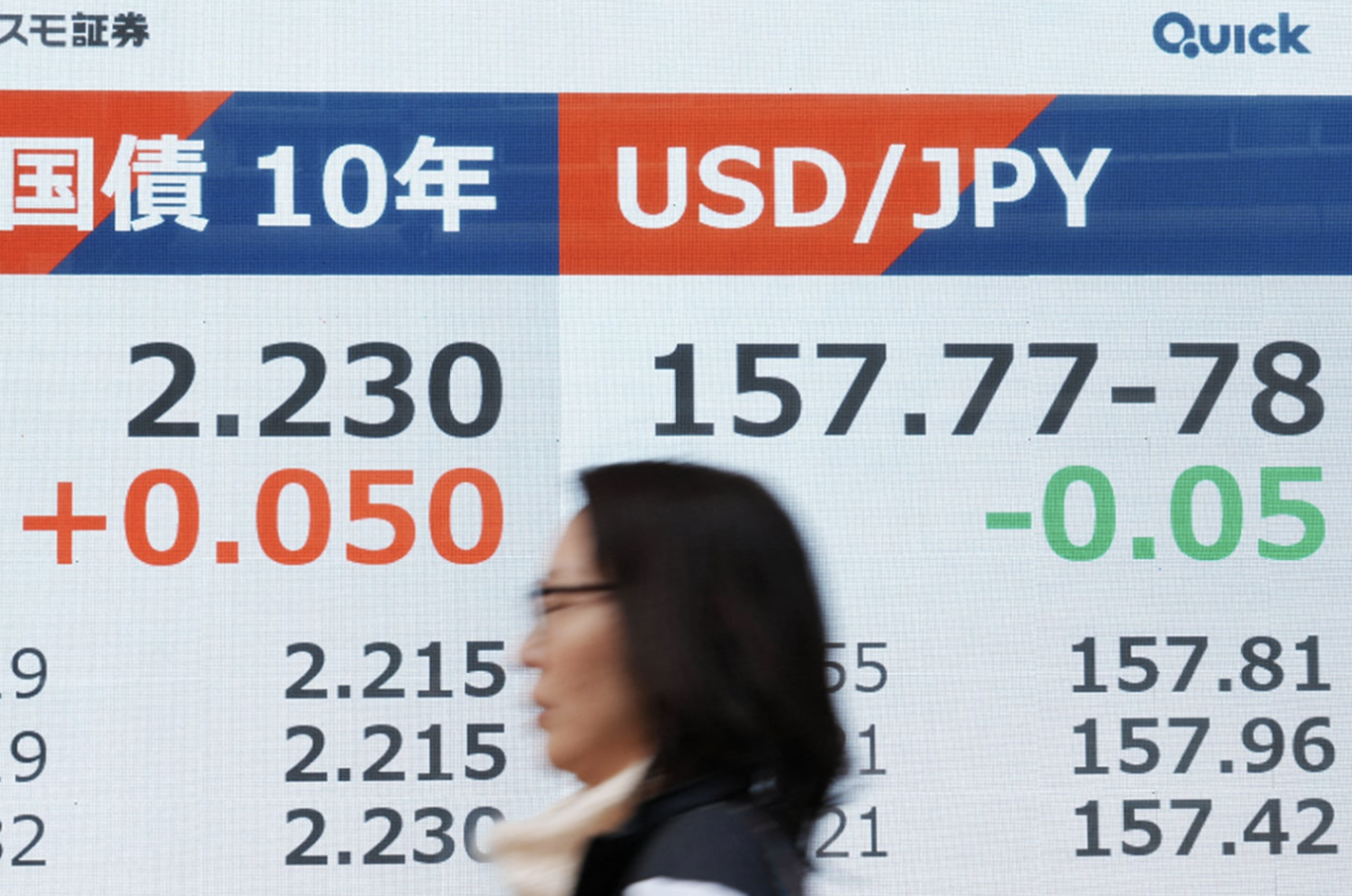
The Mar-a-Lago Accord’s Economic Ripple Effect Widens

Several economic proposals from Trump ally Stephen Miran’s so-called Mar-a-Lago Accord took shape in 2025—at a significant cost. Three more of his risky proposals are now gaining traction, explains CFR Fellow Rebecca Patterson. Read more

A woman walks past electronic quotation boards displaying ten-year government bonds (L), an index of long-term interest rates on the Tokyo bond market, and the foreign exchange rate of Japanese yen against the U.S. dollar (R) in Tokyo, January 19, 2026. Kazuhiro Nogi/Getty Images

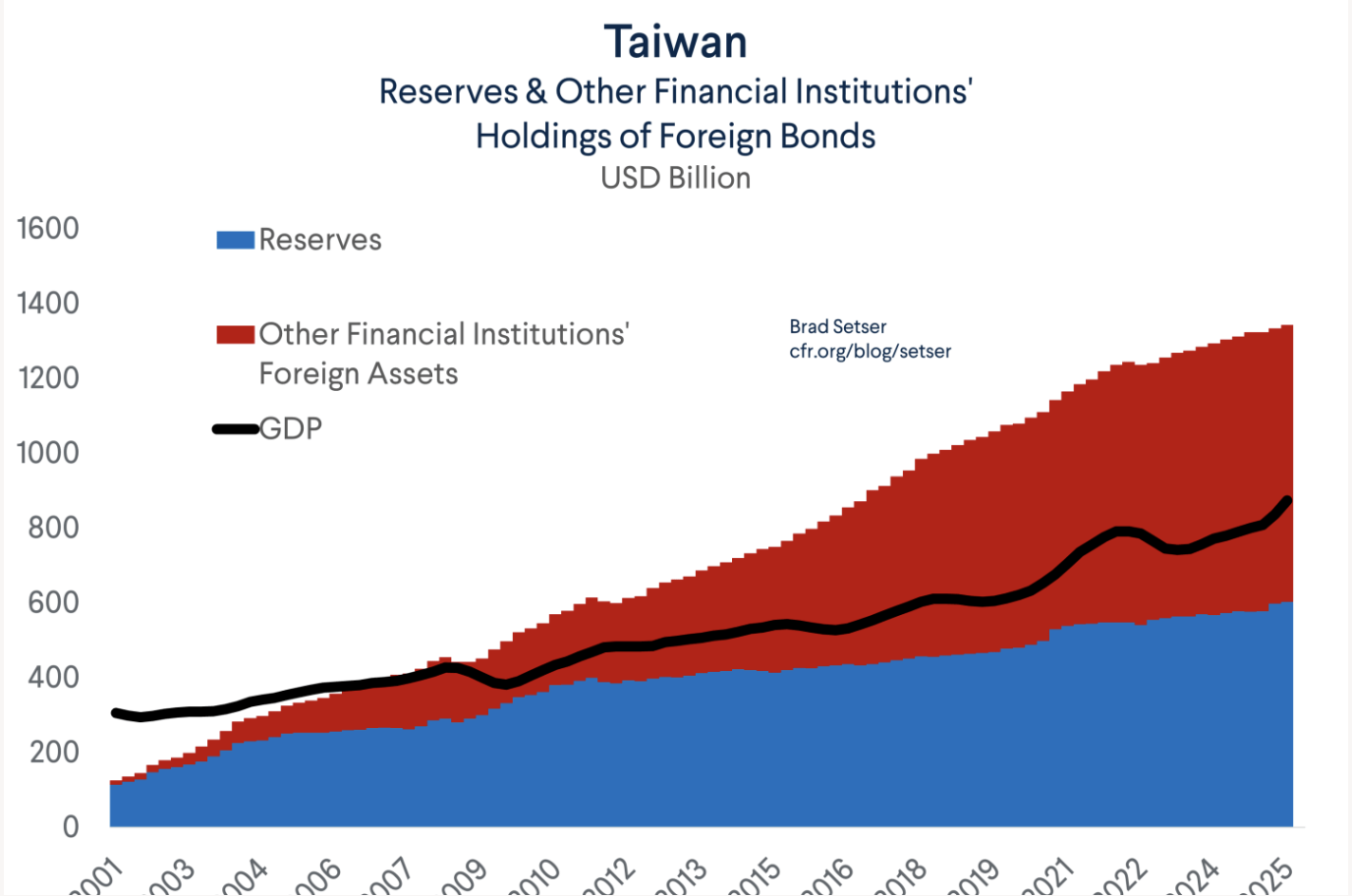
Taiwan’s Backdoor Currency Manipulation

The letter from Taiwan’s central bank, the CBC, to the Economist had the effect of waving a red flag in front of a bull, especially when the regulators are rigging the hedging market, argues CFR Fellow Brad W. Setser. Read his take

Taiwan Reserves & Other Holdings

Trump’s Greenland Ambitions

Heather Conley, nonresident senior fellow at the American Enterprise Institute, and Rebecca Pincus, senior fellow at the Foreign Policy Research Institute, sit down with Mary and David Boies Distinguished Senior Fellow in U.S. Foreign Policy James M. Lindsay to unpack Trump’s desire to acquire Greenland and its implications for the transatlantic relationship.

Listen

Featured From the Greenberg Center

How the World Is Seeing the United States as 2026 Begins

CFR connected with public- and private-sector leaders from outside the United States in mid-January, seeking their anonymous perspectives to facilitate frank discussion. The latest conversation included attendees from Africa, the Americas, Asia, Europe, and the Middle East, with an initial focus on the Western Hemisphere. Read the key takeaways

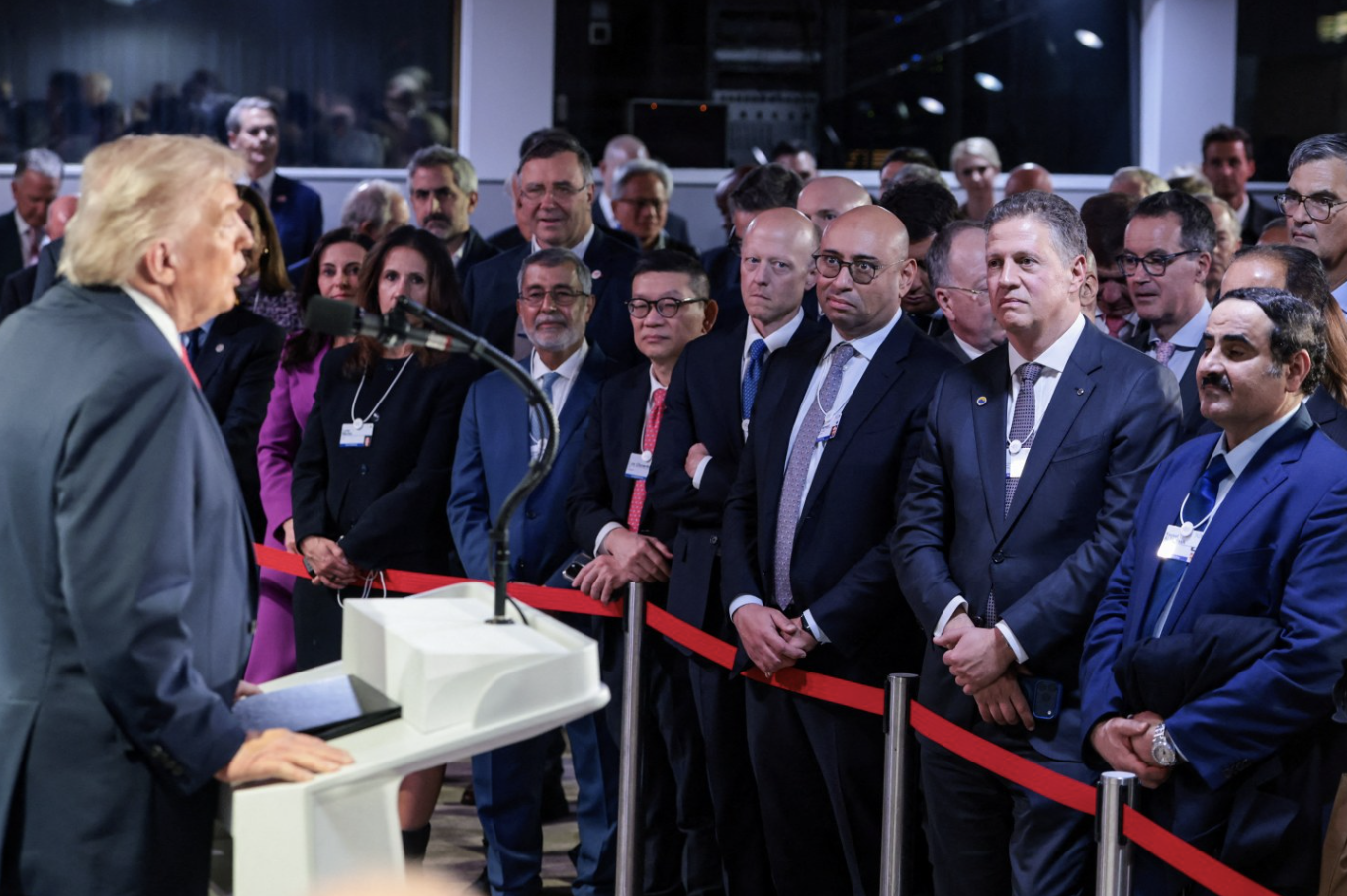
Attendees listen to President Donald Trump speaking during a reception with business leaders, at the 56th annual World Economic Forum (WEF), in Davos, Switzerland, on January 21, 2026. Jonathan Ernst/Reuters

Understanding the Low October 2025 Trade Deficit

A closer look at trade data shows that fears of tariffs that never materialized—rather than actual tariffs—drove October’s trade deficit down, explains Setser. Learn more

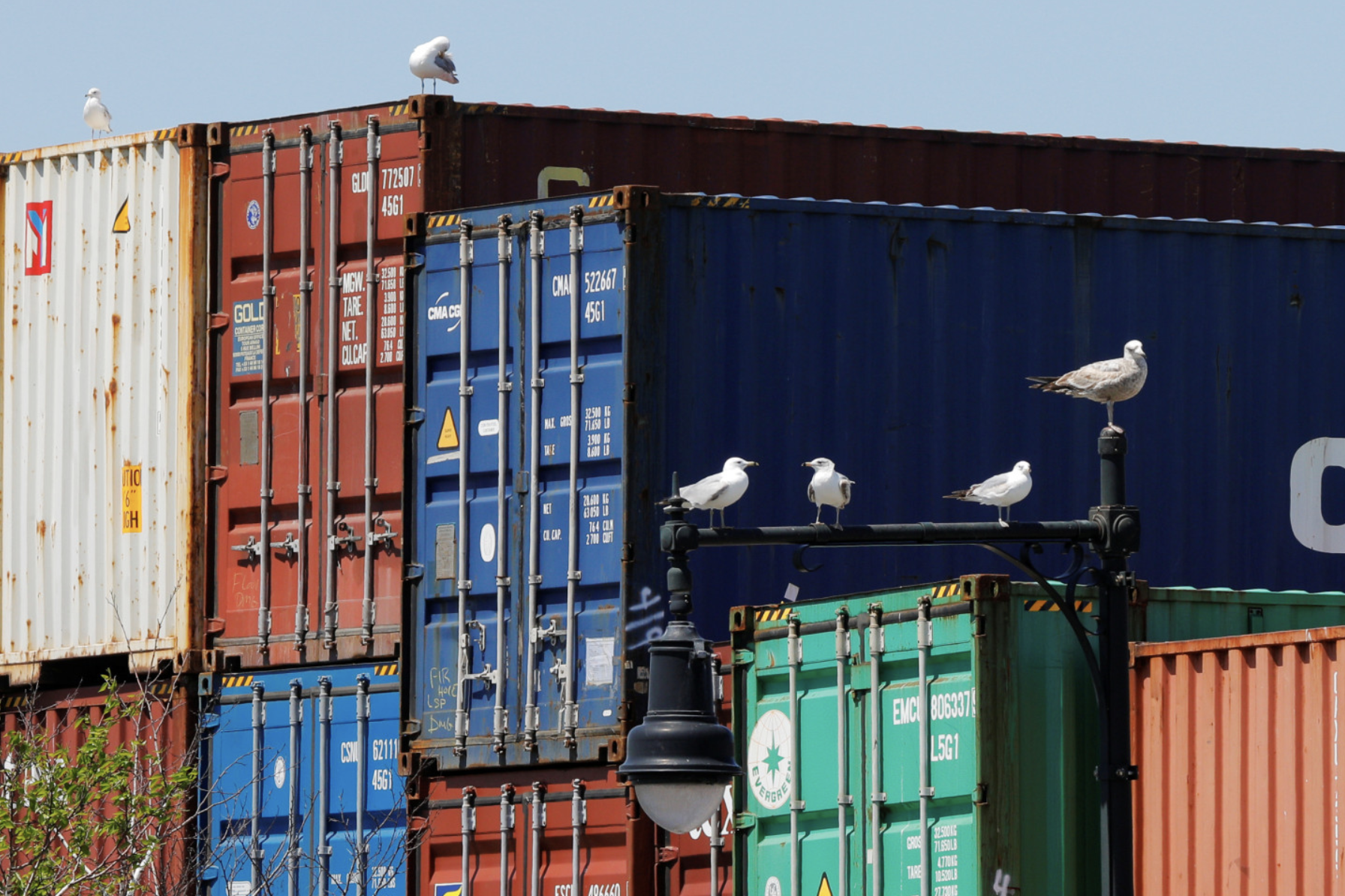
Sea gulls sit on a lamppost beside shipping containers stacked at the Paul W. Conley Container Terminal in Boston, Massachusetts, U.S., May 9, 2018. REUTERS/Brian Snyder