Cart Smarts: The best insights on building great shopping experiences in 2026
Did you know the first thing sold on the internet was a Sting CD? It was his album Ten Summoner’s Tales and it was bought by a guy who paid $12.48 (plus shipping) back in August 1994. It was also the first secure online retail transaction using credit card encryption.
And he was probably just as annoyed about shipping costs as you are today.
In this edition of The Exchange Notes, it’s all about shoppers and what they want from the companies they’re buying from. We’ve got research on shopping trends, buyer behaviors and an awesome set of tips on how to fix everything from reducing cart abandonment to making a non-annoying chatbot.
After all, isn’t all business just shopping?
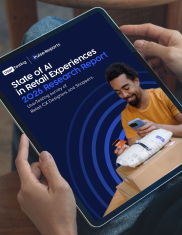
The State of AI in Retail Experiences
We ran a massive survey asking both retailers (n=89) and shoppers (n=1107) about how they are adapting to the new world of AI-powered shopping.
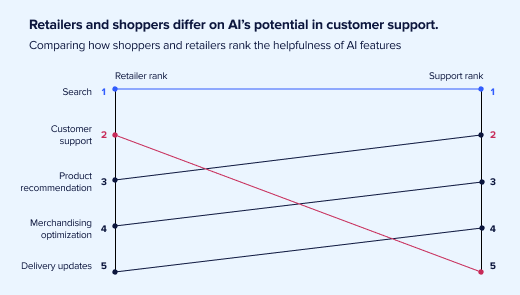
The retailers told us which AI-powered shopping features had the biggest impact, and what they were investing in building this year.
The shoppers in turn, told us which AI-features they found the most helpful.
Spoiler alert, those two answers did NOT line up.
Turns out, the number one thing most shoppers want is for AI to help them search and find the products they’re looking for more efficiently. Retailers on the other hand are investing big in customer support.
Now there’s no doubt everyone loves better customer support. But our data shows retailers might have a blind spot when it comes to prioritizing what shoppers actually want.
If you’re a CX executive building a retail experience in 2026, this is one research report you can’t afford to ignore.
Other findings include:
69% of retail CX teams say at least half of their AI-powered experiences need substantial revision after launch.
Retail teams use AI most for research synthesis (66%)—but only 36% use it to prototype or create visual assets.
The biggest digital purchase drop-off is product detail → add to cart (31.5%).
Only 5.2% of shoppers say they trust AI-powered recommendations most when deciding what to buy.
What does a great retail experience in 2026 look like?
In this episode of Insights Unlocked, Phillip Jackson, CEO and co-founder of Future Commerce, joins the show to explore how commerce is fundamentally shaped by culture, not just technology. Phillip dives into how leading brands use AI in retail to enhance customer experiences quietly and authentically, why friction in the customer journey isn’t always a bad thing, and how brands can stand out in a sea of sameness.
Guide: Designing AI Shopping Experiences Customers Actually Trust
This very practical guide shows eCommerce and digital leaders how to design AI-powered shopping experiences that customers understand, feel confident using, and actually come back to. Learn how to close the trust gap, prepare for agent-to-agent commerce, and use real human insight to turn AI from a risk into a competitive advantage.
What happens when I ask my AI to buy from your AI? AI agents are already buying products on behalf of consumers — comparing options, negotiating prices, and checking out without a click. This article explores how agent-to-agent commerce changes brand visibility, loyalty, and trust — and what happens when algorithms decide who wins.
Led by Kaleb Loosbrock (the Founder of the AIxUXR discord community,) you’ll get the best tips on structuring context, tuning responses, and using real research examples to turn raw inputs into insights you’d actually share with stakeholders.