
According to new Harvard studies… the #1 cause of your back & hips pain is NOT age, posture, or injuries.
It’s actually THIS forgotten "survival muscle":
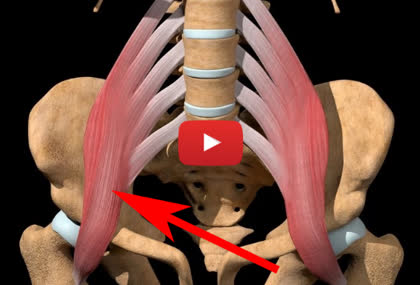
When THIS muscle gets tight, it "pulls" your pelvis out of its natural position - leading to stabbing low back & hip pain every time you move.
Fortunately, there’s a simple 12-second "leg stretch" to fix this.
It can unlock this "survival muscle" and STOP your pain naturally. And it’s even Harvard-approved:
This "leg stretch" ENDS low back & hip pain in 12 seconds.

rity of tree species are angiosperms or hardwoods. Of the rest, many are gymnosperms or softwood trees; these include conifers, cycads, ginkgophytes and gnetales, which produce seeds which are not enclosed in fruits, but in open structures such as pine cones, and many have tough waxy leaves, such as pine needles. Most angiosperm trees are eudicots, the "true dicotyledons", so named because the seeds contain two cotyledons or seed leaves. There are also some trees among the old lineages of flowering plants called basal angiosperms or paleodicots; these include Amborella, Magnolia, nutmeg and avocado, while trees such as bamboo, palms and bananas are monocots. Wood gives structural strength to the trunk of most types of tree; this supports the plant as it grows larger. The vascular system of trees allows water, nutrients and other chemicals to be distributed around the plant, and without it trees would not be able to grow as large as they do. Trees need to draw water high up the stem through the xylem from the roots by capillary action, as water continually evaporates from the leaves in the process of transpiration. If insufficient water is available the leaves will die. The three main parts of trees include the root, stem, and leaves; they are integral parts of the vascular system which interconnects all the living cells. In trees and other plants that develop wood, the vascular cambium allows the expansion of vascular tissue that produces woody growth. Because this growth ruptures the epidermis of the stem, woody plants also have a cork cambium that develops among the phloem. The cork cambium gives rise to thickened cork cells to protect the surface of the plant and reduce water loss. Both the production of wood and the production of cork are for