| | Geneva talks on Iran and Ukraine yield little progress, global social media bans gather momentum, an͏ ͏ ͏ ͏ ͏ ͏ |
| |  | Flagship |  |
| |
|
The World Today | 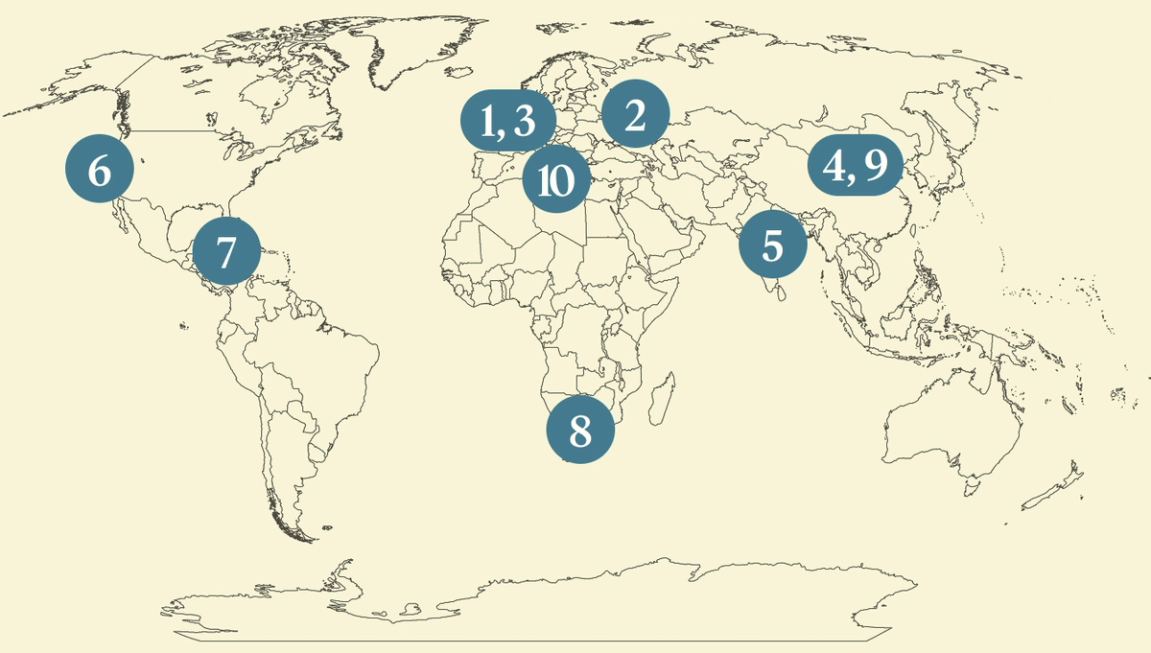 - Dim hopes for Geneva talks
- Russia’s battlefield setbacks
- Calls for EU defense boost
- West’s missteps aid China
- India’s AI jobs challenge
- More social media bans
- UN worried by Cuba decline
- New US envoy to S. Africa
- China’s holiday migration
- Italy’s record Olympics
 An ‘admiring yet unflinching’ biography of the late Jesse Jackson. |
|
Hopes dim for Iran, Ukraine talks |
 Liesa Johannssen/File Photo/Reuters Liesa Johannssen/File Photo/ReutersParallel talks resumed in Geneva aimed at curtailing Iran’s nuclear program and finalizing a ceasefire between Russia and Ukraine, but analysts held out little hope of lasting progress in either. In both negotiations, opposing sides appear to have irreconcilable demands. Washington wants Tehran to curb its atomic ambitions and has sought to expand the talks to include Iran’s support for regional proxies and its missile program, efforts that the Islamic Republic has so far resisted. And Moscow has shown little sign of budging from maximalist territorial demands and even carried out renewed strikes on Ukraine overnight. In a sign of Russia’s position, its negotiating team in today’s talks is helmed by a Kremlin aide who has previously questioned Ukraine’s sovereignty. |
|
Russia faces mounting woes |
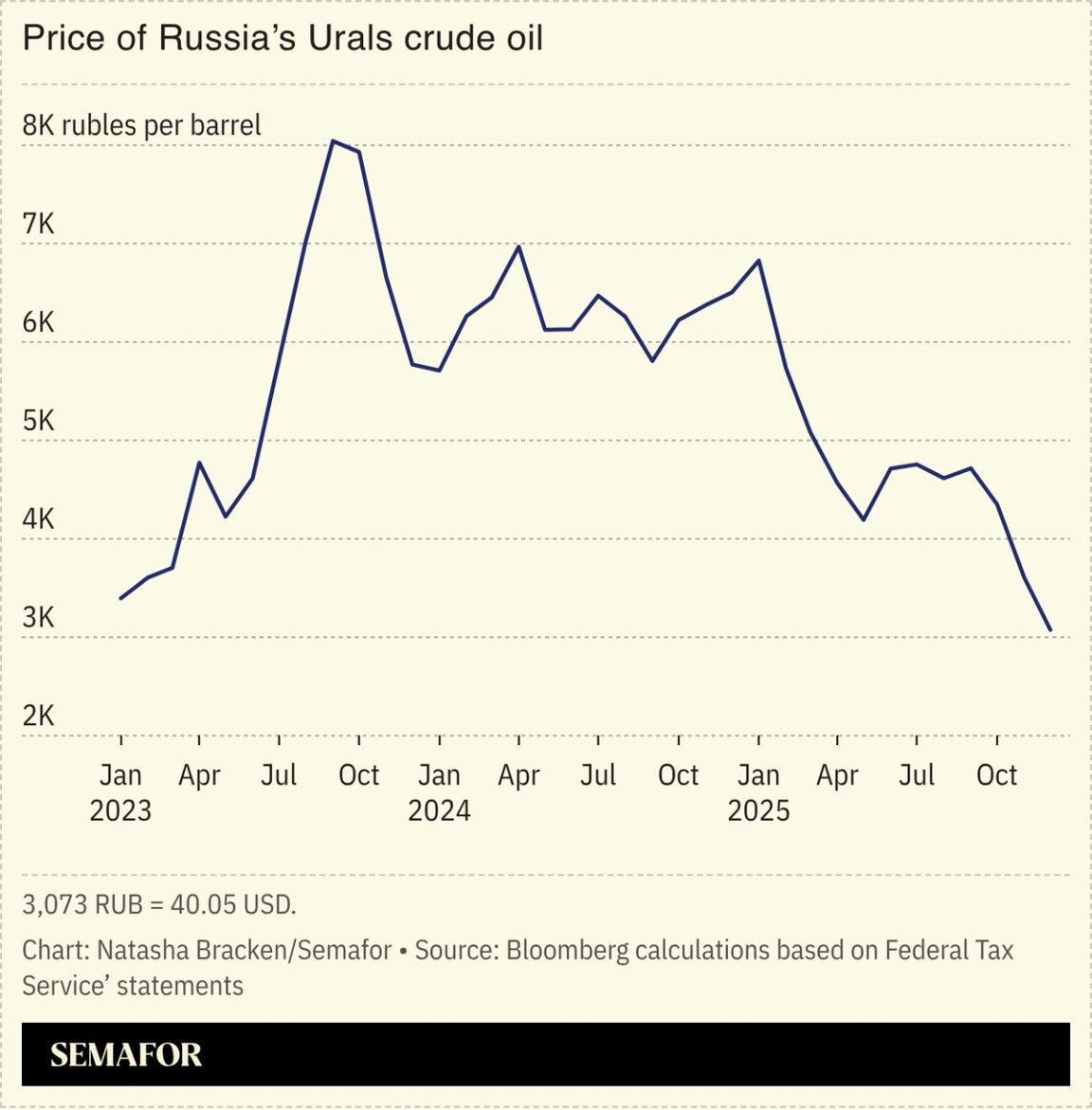 Russia is facing growing pressure on and off the battlefield. Ukraine has in the past five days made its fastest territorial gains since 2023, according to AFP; analysts said disruption to Starlink access was causing command-and-control problems for Russian forces, while Moscow has seen casualties surge in recent weeks. Tougher sanctions appear also to be hitting Russian oil exports: Moscow had redirected sales to India, among others, but Washington threatened New Delhi with secondary tariffs over the purchases, and Indian purchases have fallen since. The war enters its fifth year this month, and Kyiv is in a stronger position than at the start of 2025, a Carnegie Endowment expert argued in Foreign Affairs. |
|
Europe eyes defense spending boost |
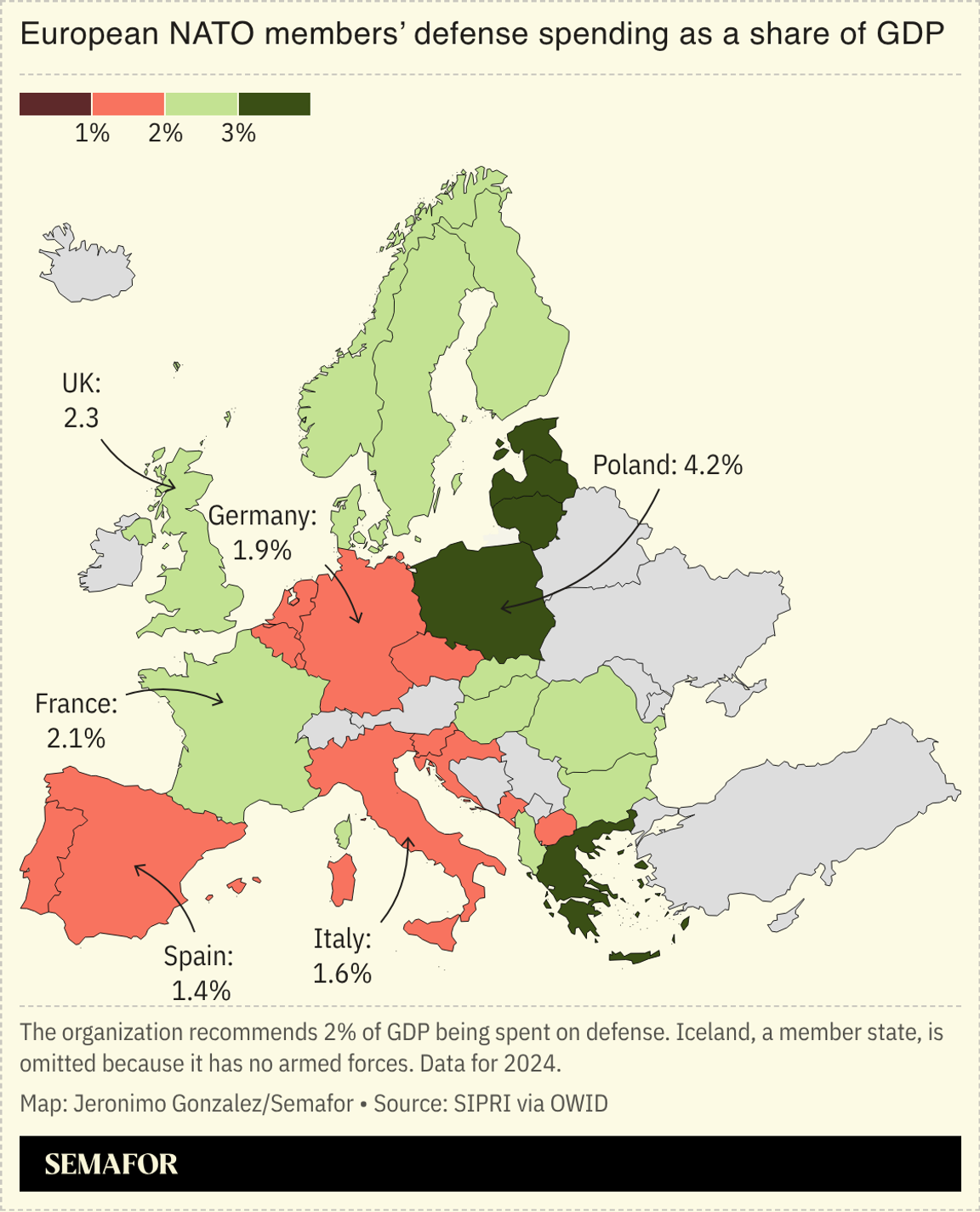 Two European powers pushed for an acceleration in military spending, as US isolationism and Russian aggression piled pressure on the continent. NATO members pledged last June to dedicate 5% of GDP to defense-related spending but Germany, which greenlit a huge debt-fuelled expansion of its military outlay, said France was lagging behind its commitments. British Prime Minister Keir Starmer, meanwhile, said the UK also had to “go faster” to meet its own, separate, target of 3% of GDP on defense. Both Britain and France are hampered by their economic woes: France, already heavily indebted, is in the midst of bitter rows over public spending, and the UK’s GDP has been stagnant for years. |
|
China is winner in Russia-West rivalry |
 Courtesy of Foreign Affairs Courtesy of Foreign AffairsWestern missteps have increased the risk of direct conflict with Russia and ceded huge advantage to China, essays in the latest edition of Foreign Affairs argued. A potential ceasefire between Kyiv and Moscow will only give Russia the opportunity to rearm, even as Ukraine’s European allies increase their own defense spending. “There will be no shortage of scenarios in which a small spark could lead to a continental conflagration,” two RAND experts wrote. And a US retreat from Asia has left regional countries to weigh whether deepening ties with China is a safer bet: According to a George W. Bush-era security official, “Chinese leaders are now the ones with the cards to play.” |
|
India warns over AI jobs threat |
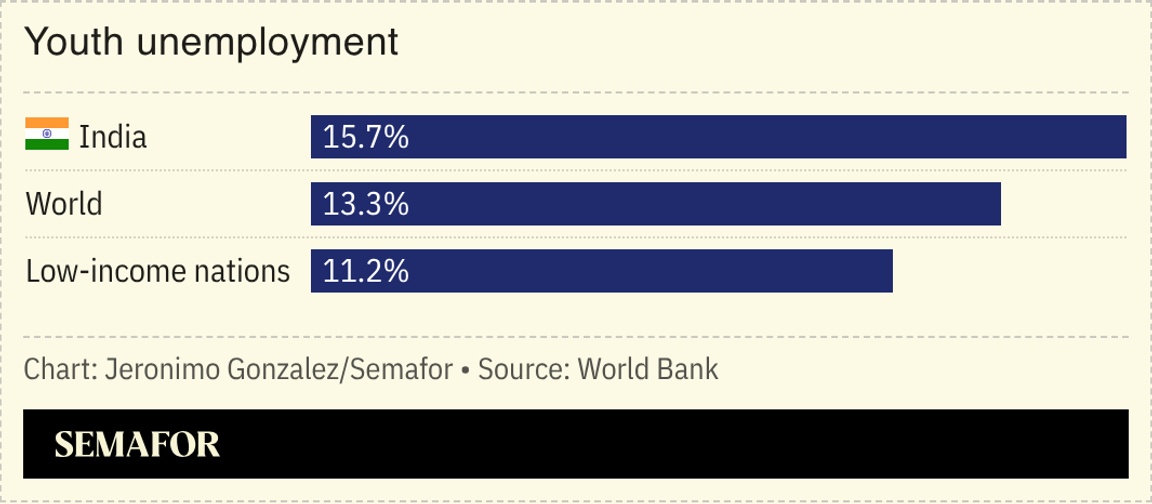 India faces a particular AI challenge because of the country’s young population and their demand for jobs, the government’s chief economic advisor said. He told an AI summit in New Delhi that India must create 8 million jobs a year to ensure its economic expansion; while AI will help rich countries facing demographic decline by boosting workers’ productivity, it will present difficulties for those, like India, that are still growing, he warned. India’s economy is reliant on coding and call-center jobs, both particularly vulnerable to AI. Its problem may soon be the world’s: Anthropic CEO Dario Amodei said that while AI and humans are more productive working together than either alone for now, that sweet-spot period will likely be brief. |
|
More countries weigh social media bans |
 Hollie Adams/Illustration/File Photo/Reuters Hollie Adams/Illustration/File Photo/ReutersGlobal efforts to bar children from social media gathered momentum. Germany’s governing coalition looks set to back a proposal to limit access for under-16s, a move likely to cause friction with Big Tech firms in the US, Bloomberg reported. India is discussing similar curbs. Australia imposed the first such ban late last year; France and Britain voted for restrictions last month; and a dozen or more other countries and US states are considering moves. The scientific backing for curbs is ambiguous, The Economist reported: Research finds only weak evidence that “social media are harmful for the average child,” or that bans improve mental health. But regardless, voters are convinced, with a majority in 30 countries polled backing restrictions, and support across the political spectrum. |
|
UN ‘extremely worried’ over Cuba |
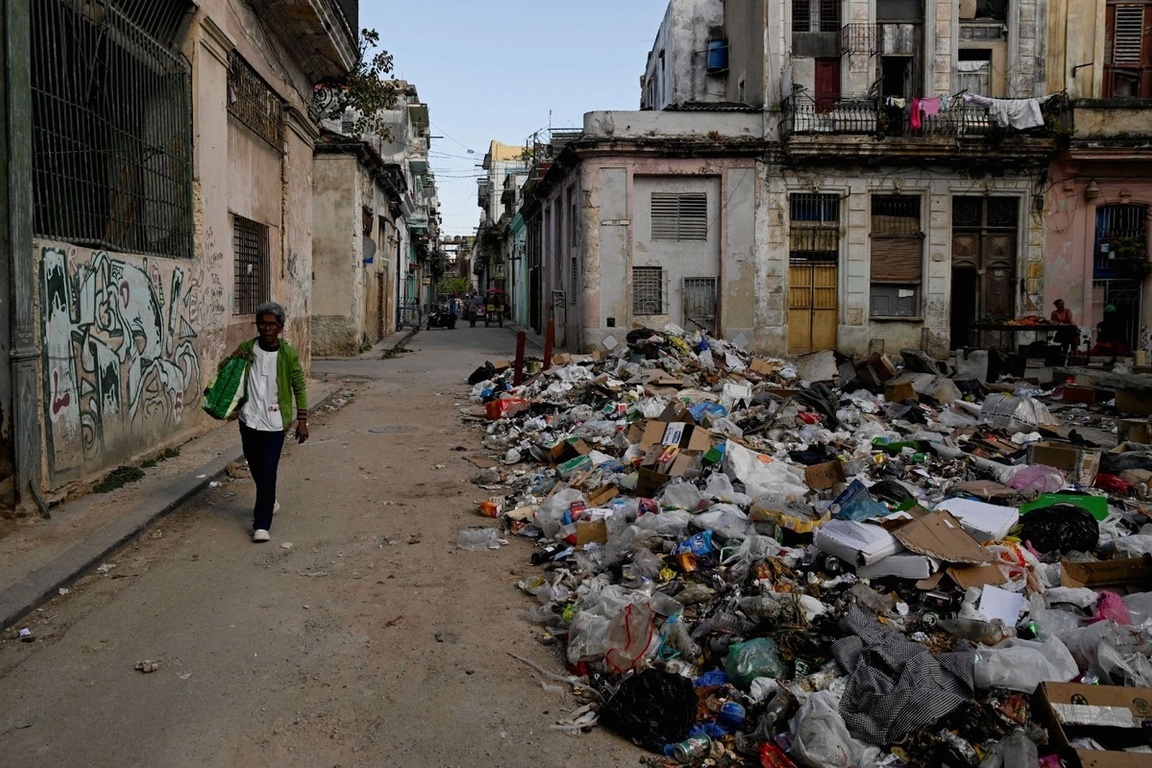 Norlys Perez/Reuters Norlys Perez/ReutersThe UN said it was “extremely worried” about a worsening humanitarian situation in Cuba as a tightened US embargo brings the island’s economy to a grinding halt. Washington has upped pressure in a bid to replace Havana’s communist regime, cutting off oil shipments and, by extension, the economy. Ensuing blackouts have hit essential sectors, namely health care, while a lack of fuel has stunted the island’s vital tourism industry. US Secretary of State Marco Rubio has said Havana will have to give its people freedoms before Washington lets up, though all signs point to a prolonged impasse, despite the toll on Cubans: Havana has said it is open to talks, though not to regime change. |
|
 The world is smaller than you think. Proximities delivers three overlooked, non-Western news stories to your inbox every weekday. Each issue is concise, insightful, and can be read in just two minutes. It’s free Monday through Friday, with in-depth, paid Saturday editions for readers who want to go deeper. Stay effortlessly informed — the kind of informed that turns heads at dinner parties. Subscribe today. |
|
South Africa gets new US ambassador |
 US ambassador to South Africa Leo Brent Bozell III. Kris Connor/Getty Images US ambassador to South Africa Leo Brent Bozell III. Kris Connor/Getty ImagesWashington’s ambassador to South Africa finally arrived in the country, where he will seek to improve frayed bilateral ties. The US has not had an ambassador in Pretoria since January 2025, and relations have badly deteriorated since the beginning of US President Donald Trump’s second term. Trump has repeatedly accused Pretoria of carrying out a “genocide” against South Africa’s white population, a charge experts reject. He has also imposed onerous tariffs on the country and the pair have sparred over Pretoria’s legal action against Israel over the Gaza war. The White House’s pressure has pushed Africa’s biggest economy closer to China — the two recently signed a free-trade agreement — even as Washington is looking to outmuscle Beijing on the continent. |
|
China’s holiday mass migration kicks off |
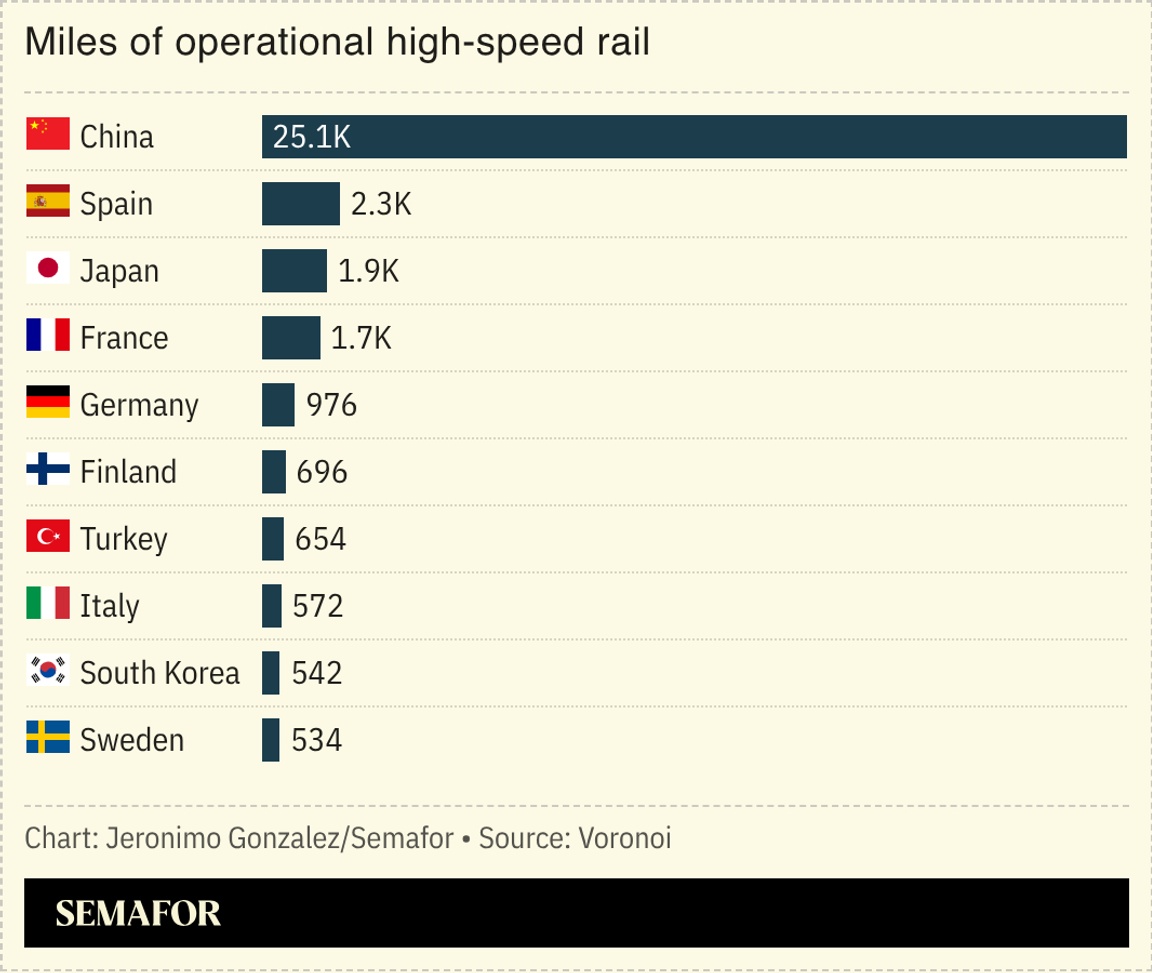 Hundreds of millions of Chinese travellers embarked on the world’s largest annual migration, snaking across the country’s mammoth rail network to take part in Lunar New Year celebrations. Authorities expect around half a billion individual train journeys across the multi-day holiday, an astonishing mass movement only possible thanks to China’s staggering high-speed network. The country had virtually no high-speed trains at the start of the century, but has since built the world’s largest network, with six times more track than all of the European Union combined. Price advantages largely explain Beijing’s huge buildout: China constructs high-speed lines at around half what it costs in the EU and about a fifth as much as in the US. |
|
|


