Treatments for vestibular migraine (VM) are understudied, but new research has emerged in the past few years. Learn the latest insights on ways to manage VM, including medications, healthy habits, and prevention strategies.
If you live with vestibular migraine (VM), you can likely relate to that “floaty” feeling, or the sensation you’re walking on marshmallows. You might also relate to the frustrating truth that there aren’t really any medications specifically to treat VM. But research is beginning to catch up as the diagnosis has become more common. Find out which treatments might be most effective, along with preventive strategies to help you find your balance. Plus:
Treatments for vestibular migraine (VM) are understudied, but new research has emerged in the past few years. Learn the latest insights on ways to manage VM, including medications, healthy habits, and prevention strategies.
If you vomit shortly after taking your medication, does it still work? An expert answers common questions and explores the options for non-oral migraine treatments.
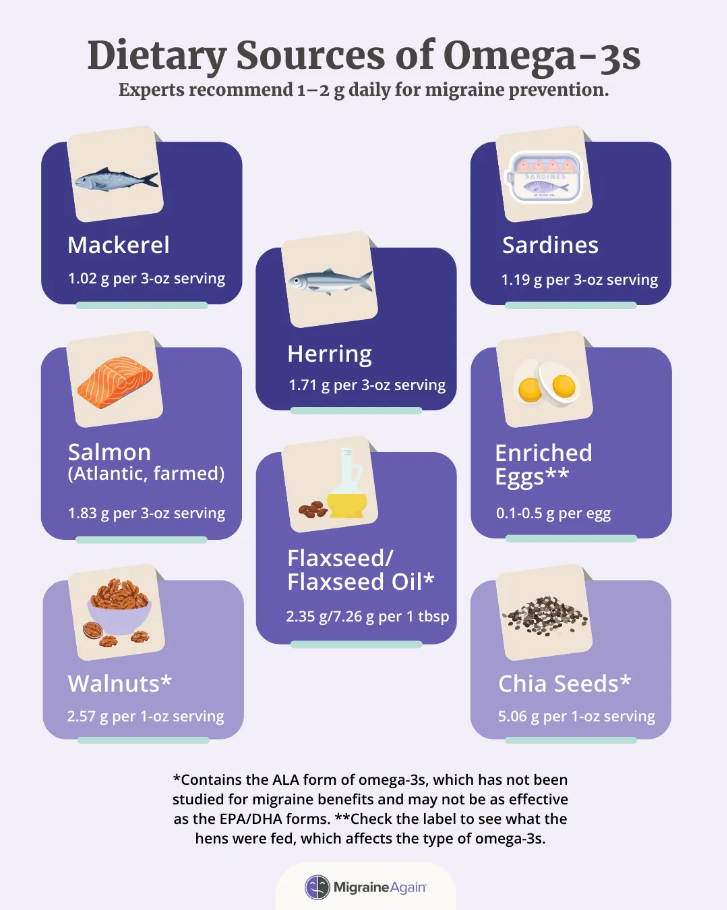
A landmark study published in 2021 showed that a diet rich in omega-3 fatty acids can reduce the frequency and intensity of head pain associated with migraine attacks. Here are some foods to add to your grocery list: