Despite accounting for approximately 60 per cent of the UK’s total estimated carbon dioxide (CO₂) storage capacity, sandstones under the Central North Sea remain under-represented. This highlights a major opportunity for the Government’s clean energy growth agenda.
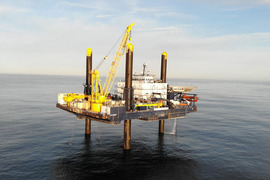
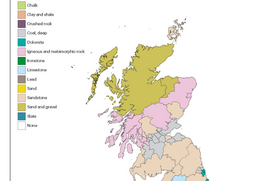
Due to favourable geology and proximity to onshore emission hubs, most carbon storage licences to date have been located in the Southern North Sea, with additional clusters in Liverpool Bay, Morecambe Bay and the Northern North Sea. However, the region with most storage potential lies elsewhere.
Deploying carbon capture and storage at scale is a key pillar of the UK Government’s clean growth strategy. Current ambitions are to store at least 50 million tonnes of CO₂ per year by 2030, rising to as much as 170 million tonnes annually by 2050. In order to reach this target it will be necessary to look beyond the current well-studied geographical areas.
|