London’s Spazio Leone, the duo behind David/Nicolas and a divisive gem of Brazilian modernism.
|
Wednesday 11/3/26
|

|
|
London
Paris
Zürich
Milan
Bangkok
Tokyo
Toronto
|
|
|
|

RAISE THE ROOF
This week’s dispatch departs from London’s Shacklewell Lane and the design gallery of a Neapolitan entrepreneur. Then we talk inspiration with the Lebanese duo behind David/Nicolas, boost our screen time with a gem from Brazilian modernist Joaquim Tenreiro and peruse a monograph from Copenhagen-based Spacon. Starting strong from the Spanish capital is Monocle’s associate editor of culture, Sophie Monaghan-Coombs.
|
|
OPINION: Sophie Monaghan-Coombs
Forma follows function
Madrid has many things going for it – clement weather, inspiring museums and patatas bravas on every restaurant menu. Despite being home to studios such as Jorge Penadés and Alvaro Catalan de Ocon, the Spanish capital has never been an essential stop on the design industry’s annual circuit. But with the city’s first collectable design fair having just wrapped up, is that about to change?
On the opening day of Forma Design Fair Madrid, founder Álvaro Matías declared that his aim was “to create the most beautiful design shop that you could see in Spain.” It’s an ambition that he delivered on at the Matadero Madrid cultural centre, where booths were occupied by a mix of independent designers, group shows and galleries. Highlights included Arturo Álvarez’s sculptural lighting designs, which use wire to create playful, mesmeric shadows, and La Ebanistería, where a crowd “oohed” and “aahed” when a series of wall-mounted black boxes were opened one by one. The sculpture revealed itself to be one giant cabinet and, in doing so, a piece that blurred the boundaries between art and design.
|
Forma artistic directors Antonio Jesús Luna and Emerio Arena are well known on the international design scene as the co-editors of Room Diseño magazine. It’s a position that helped them to attract a mix of international participants, from French firm Maison Parisienne to Colombia’s Tu Taller Design.
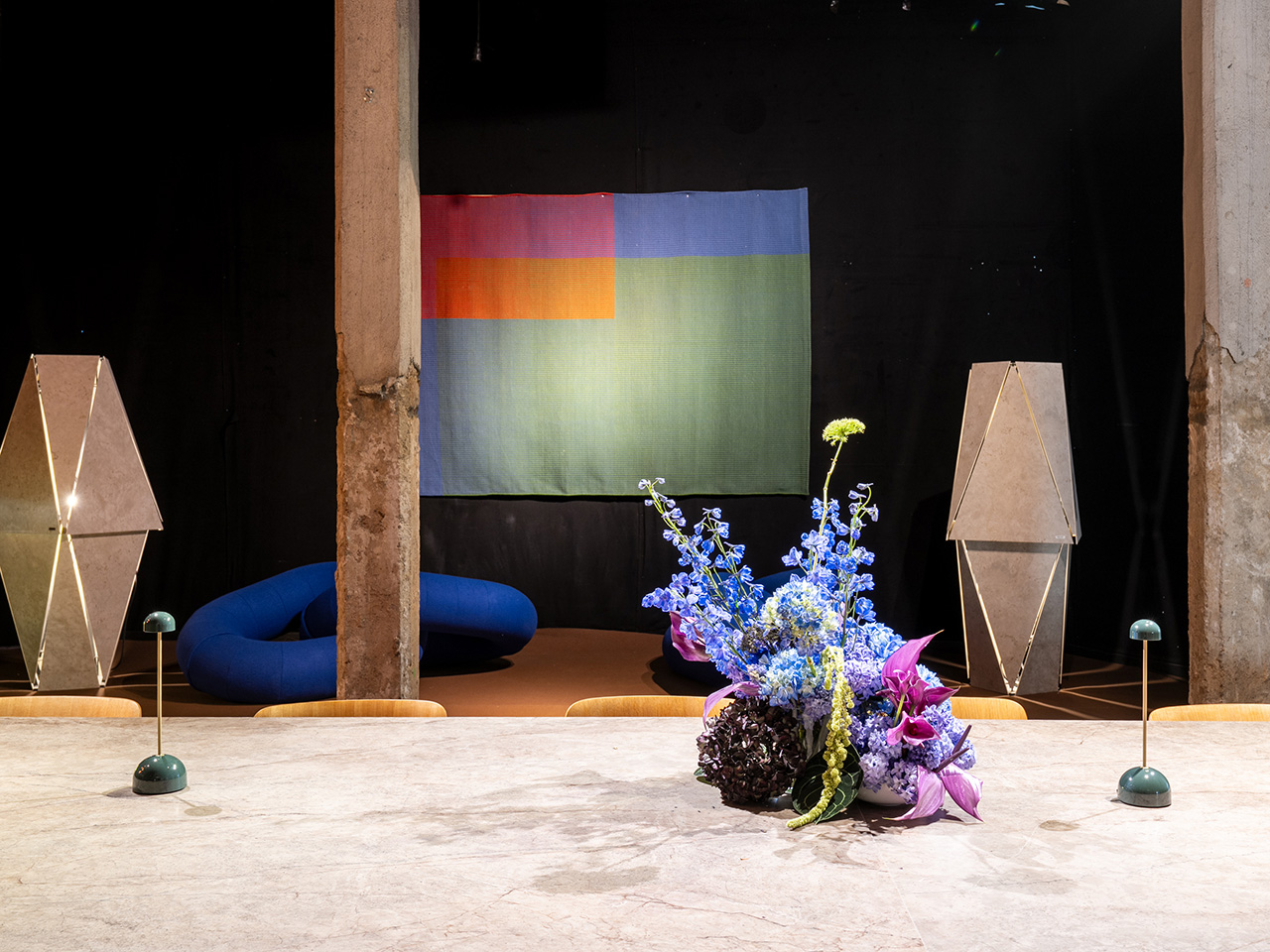
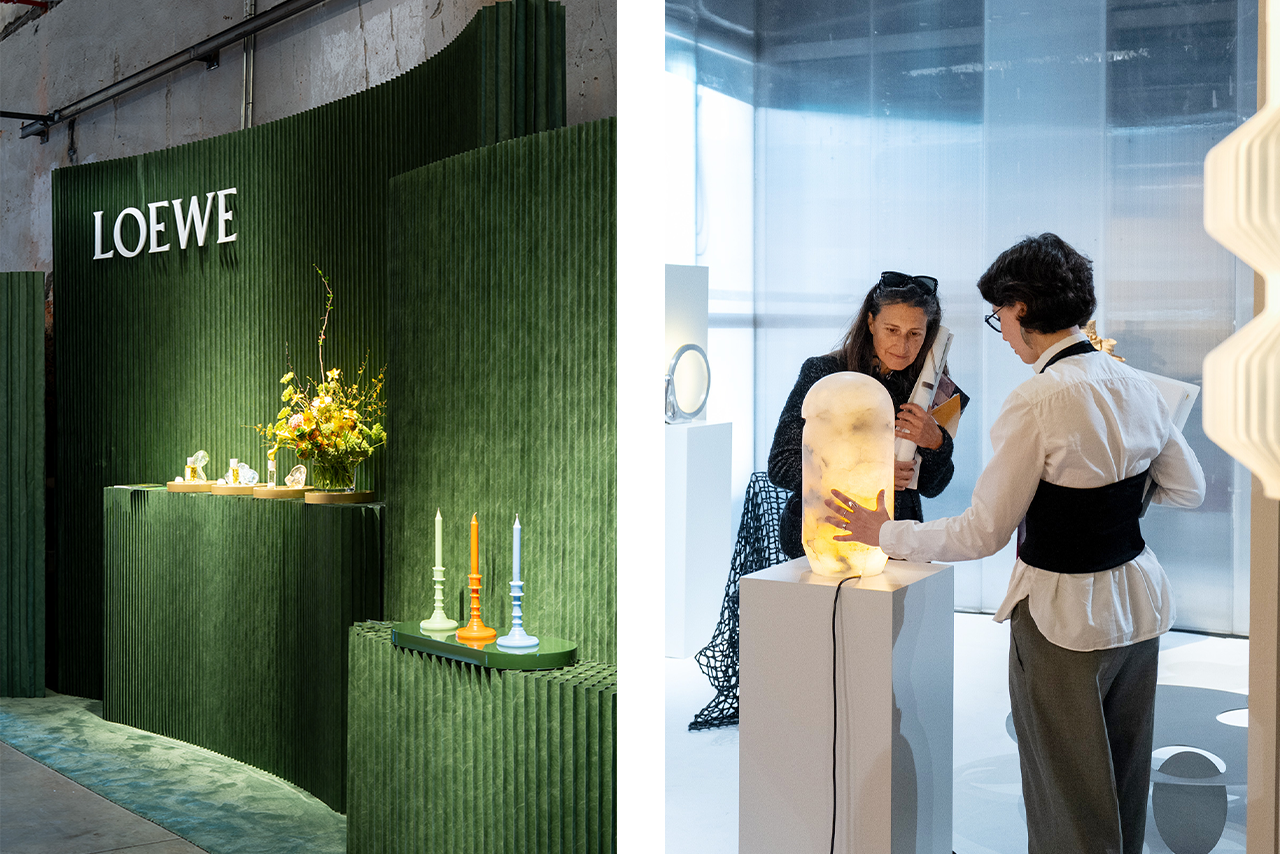
As Luna and Arena walked me through the fair, they stressed how many of the designers on show apply traditional Spanish craft techniques to contemporary designs. It chimes with a broader, global shift towards work dubbed “collectable”, which celebrates artisanship and limited-edition works. At the booth of Guadalix-de-la-Sierra-based Van den Heede you could see the ethos reflected in sleek, handmade wooden tables and chairs. So too at Alfombras Peña’s booth, a benchmark demonstration of traditional weaving techniques used to create large, elegant rugs. In a similar vein, material specialist Cosentino presented a table, lamp and counter made from natural stone and minerals (pictured above) while Barcelona-based Joshua Linacisoro showcased a collection of lighting forged from the Basque landscape (pictured below, right). The message was that Spain has been doing this type of work for a long time – it just might not have been calling it collectable design.
|
Indeed, Forma is a shiny new ending to the almost-decade-old Madrid Design Festival, which takes place over a month and draws in headline acts such as Spanish fashion house Loewe. The festival is more experiential, with talks, open showrooms, workshops, exhibitions and pop-up shops. This year Manera magazine joined up with Spanish furniture and lifestyle brands The Maisie and Santa Living to stage an exhibition at the Museo San Isidro. The institution is home to Roman mosaics and terracotta artefacts that tell the long history of Madrid. The contemporary designs – chairs, vases and a giant lamp on spidery legs that swayed and wobbled – were exhibited in the museum’s courtyard. There, brought alive by bright natural light and hidden among mythic sculptures of Hercules and Prometheus, the objects began to tell a new story about the evolution of craft and humanity. These are more than just pieces that you’d quite like in your living room.
Madrid’s entry into the design-fair space is overdue but unsurprising – the designers have been here quietly creating the scene for years. As Matías told me, they have stuck around in the city because they feel like it’s on the brink of something. “This is about to begin,” he says. Watch this space.
Sophie Monaghan-Coombs is Monocle’s associate editor of culture. For more on Spanish design, read our report on the evolution of brands such as Zara Home and Kave.
|
|
Edo Tokyo Kirari  MONOCLE MONOCLE
|
|
THE PROJECT: Spazio Leone, UK
Friends in show spaces
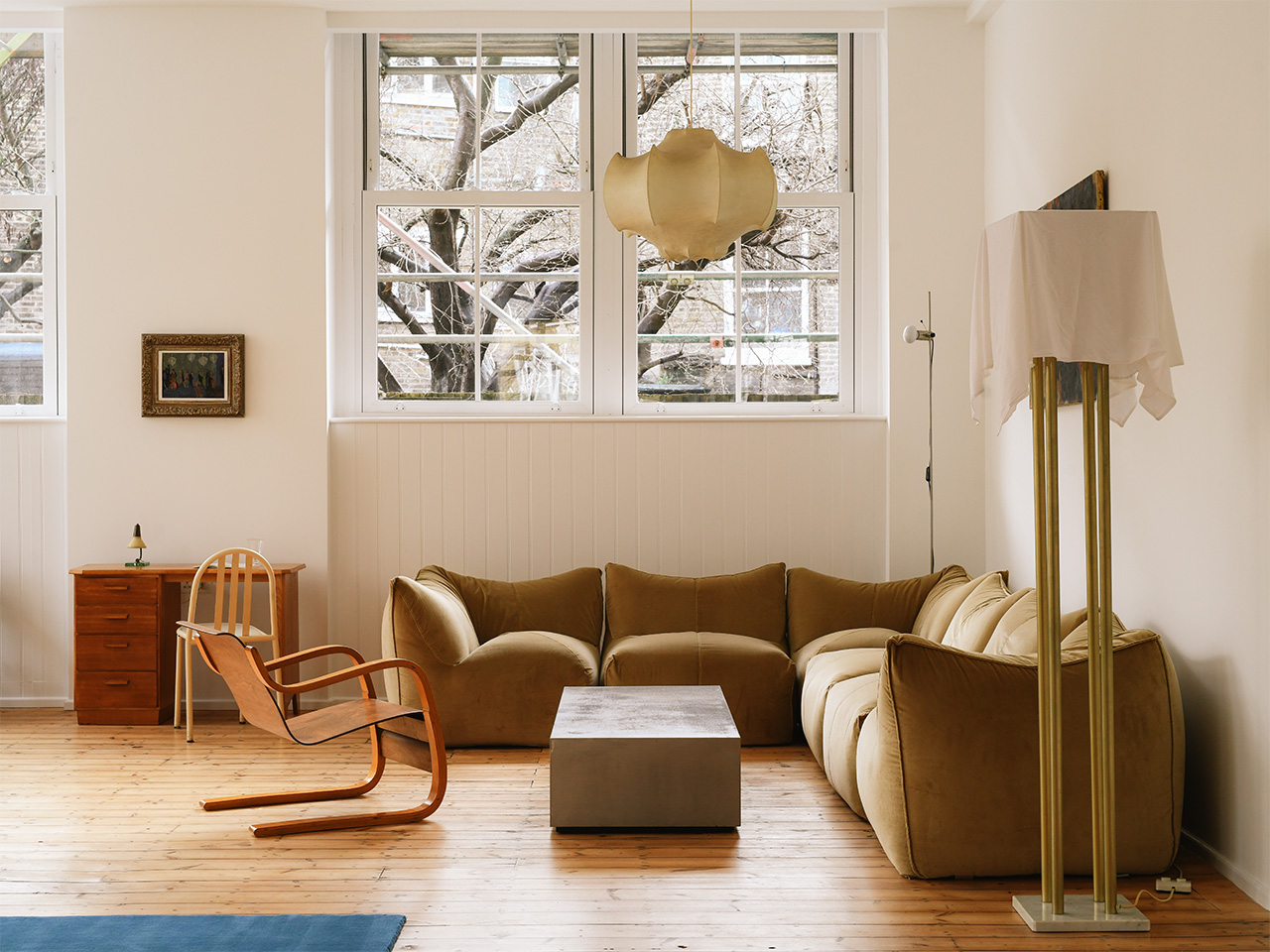
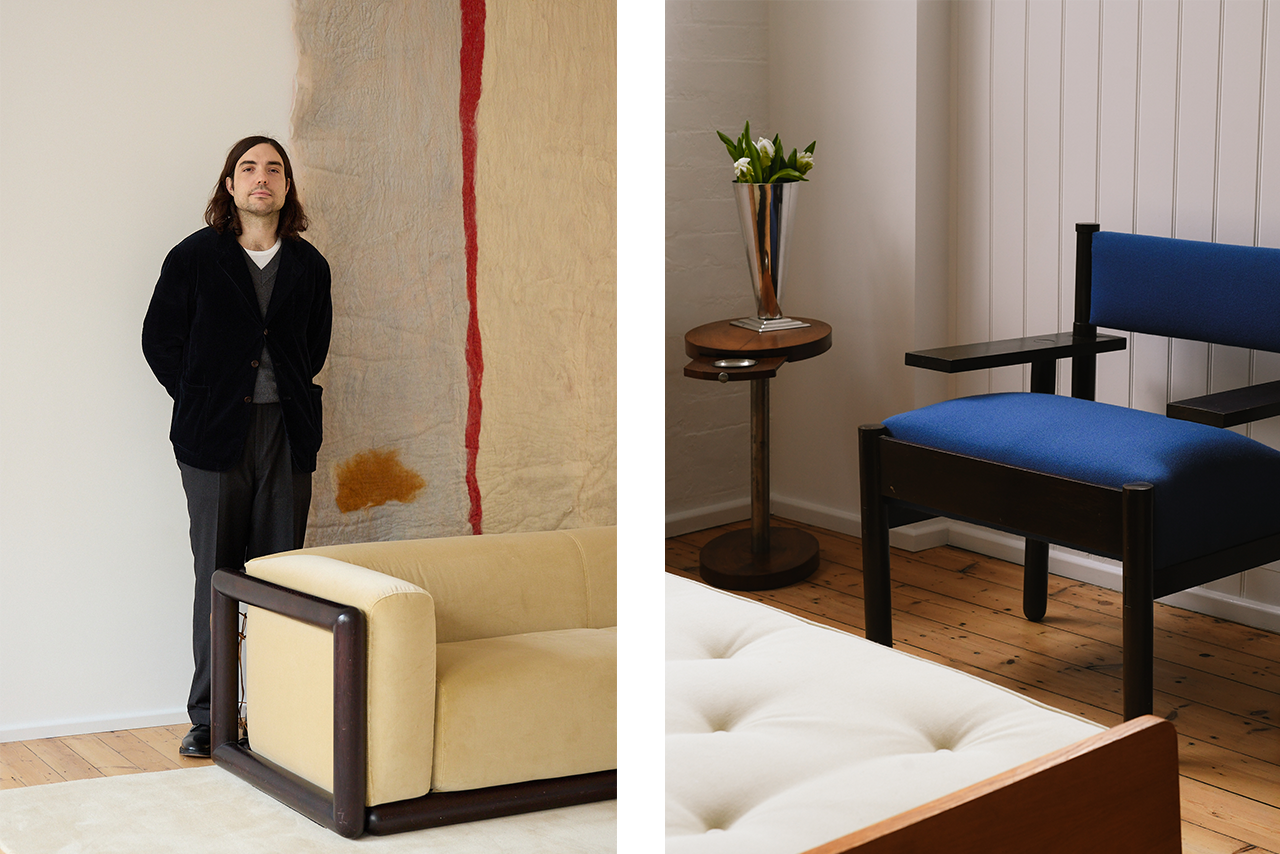
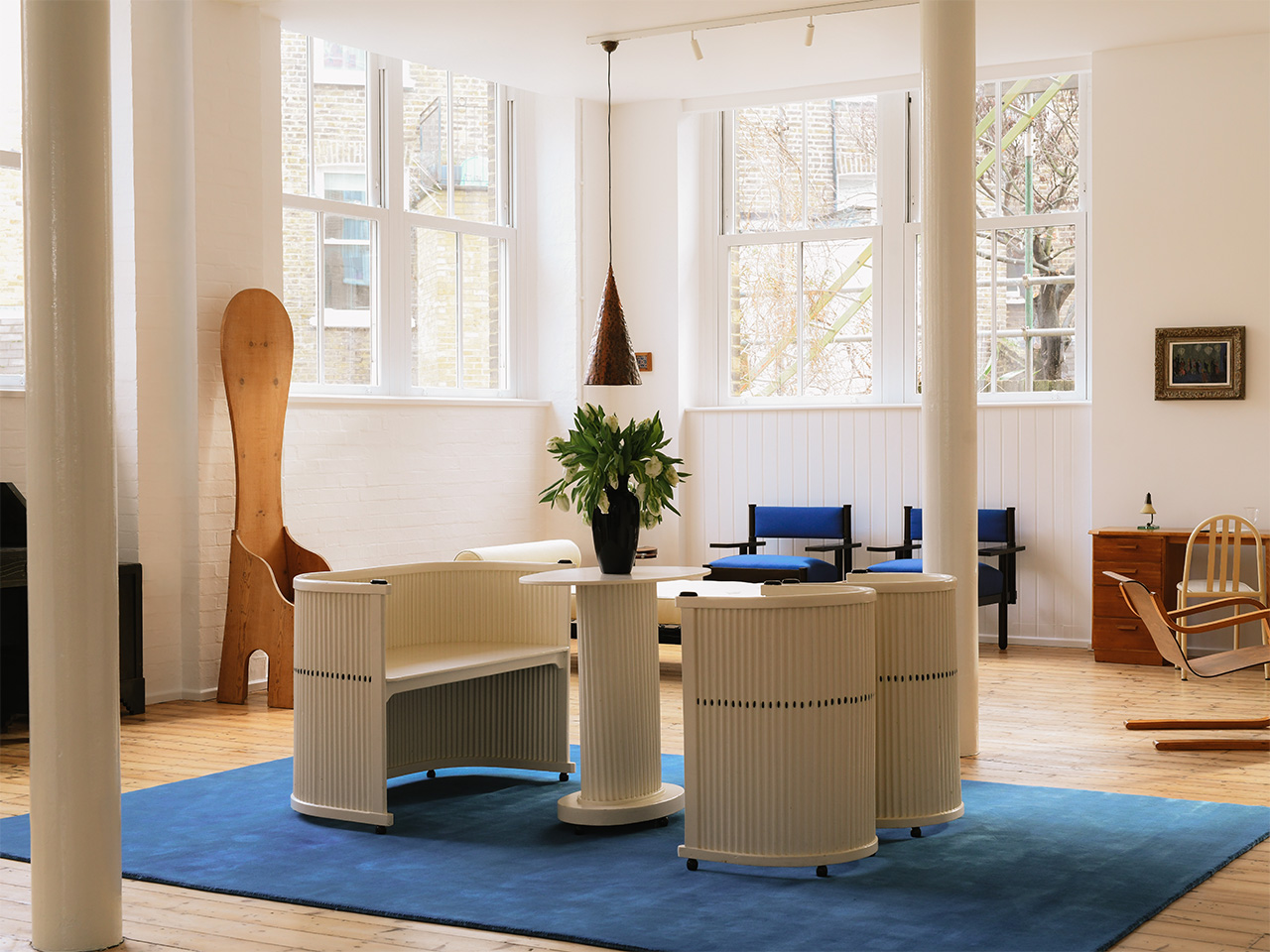
Neapolitan entrepreneur Gennaro Leone founded gallery Spazio Leone to bring together vintage and contemporary design under one roof. This same ambition is reflected in his new space on London’s Shacklewell Lane. Housed in a former textile factory, vintage one-of-a-kind pieces sit alongside new works by emerging creatives. Among the highlights are a Vienna secessionist suite by Hans Günther Reinstein, consisting of two chairs and a bench. It sits on a deep-blue carpet by Nordic Knots, alongside an oyster-coloured Cornaro sofa and armchairs by Carlo Scarpa.
|
|
The set-up is intended to evolve with the growing collection, as well as the collaborative projects and events that Leone plans to host. It’s a place that he wants to be welcoming above all else. “I hope visitors feel a sense of calm and curiosity as they enter the new gallery – something that draws them closer to the works rather than holding them at a distance, as can often happen in many gallery spaces,” he tells The Monocle Minute on Design. “The atmosphere is intended to feel more like visiting a friend’s home: somewhere you can sit down, spend time and gradually learn about the pieces in a relaxed and personal way.”
spazioleone.com
|
|
WORDS WITH... David/Nicolas, Lebanon
Double life
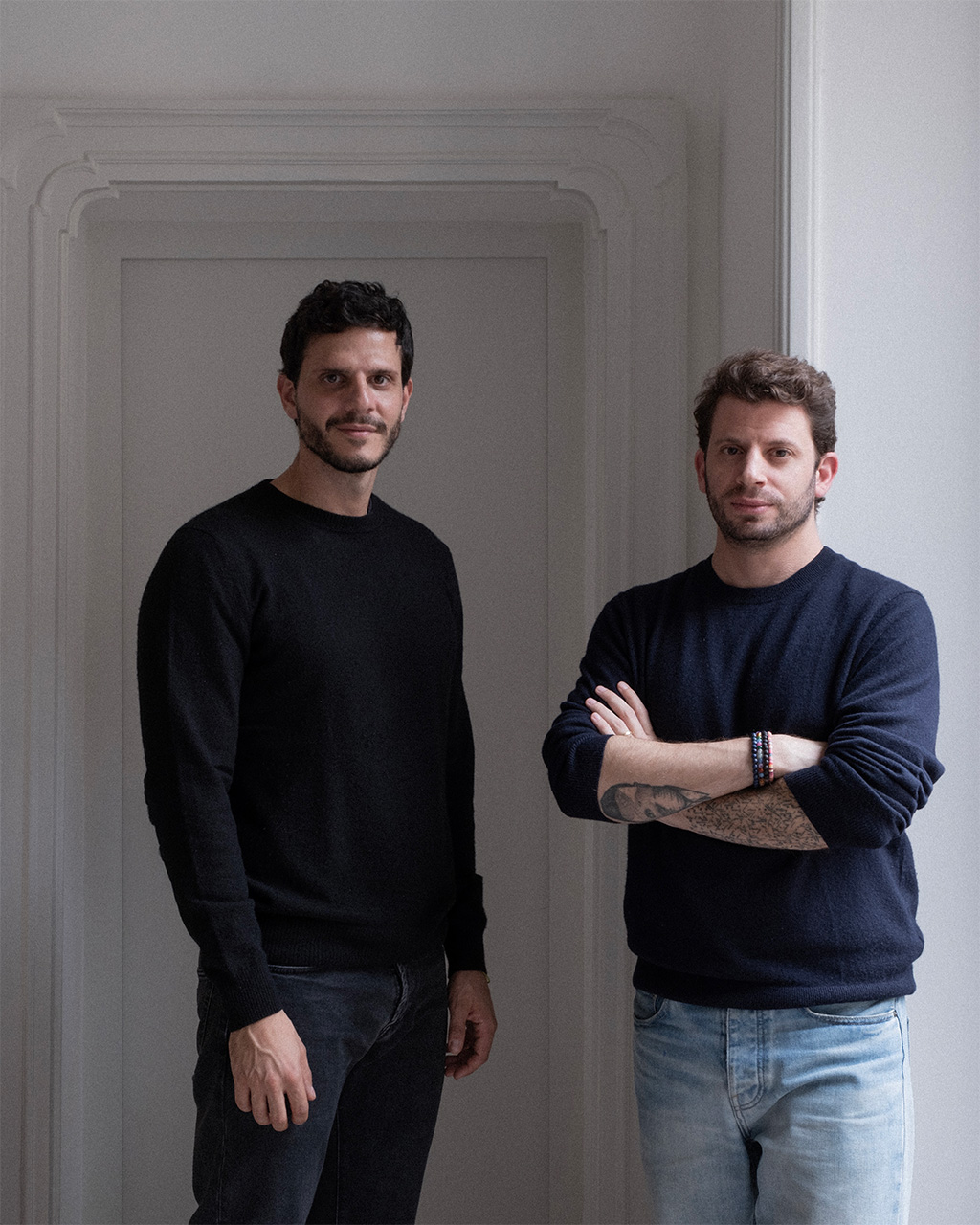
David Raffoul and Nicolas Moussallem built a design practice based on duality. The Lebanese duo, who met while studying architecture in 2006, founded David/Nicolas in 2011 to produce work that spans both eastern and western traditions, and historic and contemporary sources. With offices in Beirut, Milan and San Francisco, they create bespoke furniture and interiors for brands such as CC-Tapis and Nilufar Gallery, drawing inspiration from their Lebanese roots, Italian craft traditions and disciplines across architecture, photography and music.
|
What design movement has influenced you the most?
David Raffoul: We are deeply inspired by the experimental spirit of the early 20th century, especially figures such as Pierre Chareau who combined architecture, furniture and craft in a radical way.
Nicolas Moussallem: At the same time we’re influenced by the atmosphere of places such as the Beiteddine Palace in Lebanon, which was built during the Ottoman period in the late 18th and early 19th centuries. Our work often sits somewhere between those historical references and an imagined future.
The sky’s the limit. Which piece of furniture would you love to own?
DR: An original piece by Pierre Chareau, especially one of his stools. His work perfectly balances functionality and aesthetics. The proportions are extraordinary and the mechanisms themselves are beautifully designed, almost becoming part of the object’s beauty.
What’s a recurring source of inspiration?
NM: People. More precisely, the personalities of the people who we design for. Interiors and objects tend to absorb the aura of their owners and we find that character, memories and habits often shape the spaces and pieces that we create.
|
A favourite project that you’ve worked on?
DR: It is difficult to select just one but Casa di Fantasia, where we refurbished an apartment in a Milanese building by Gio Ponti, remains particularly meaningful. It allowed us to explore imagination and architecture almost as a narrative, creating a space where fantasy and structure coexist.
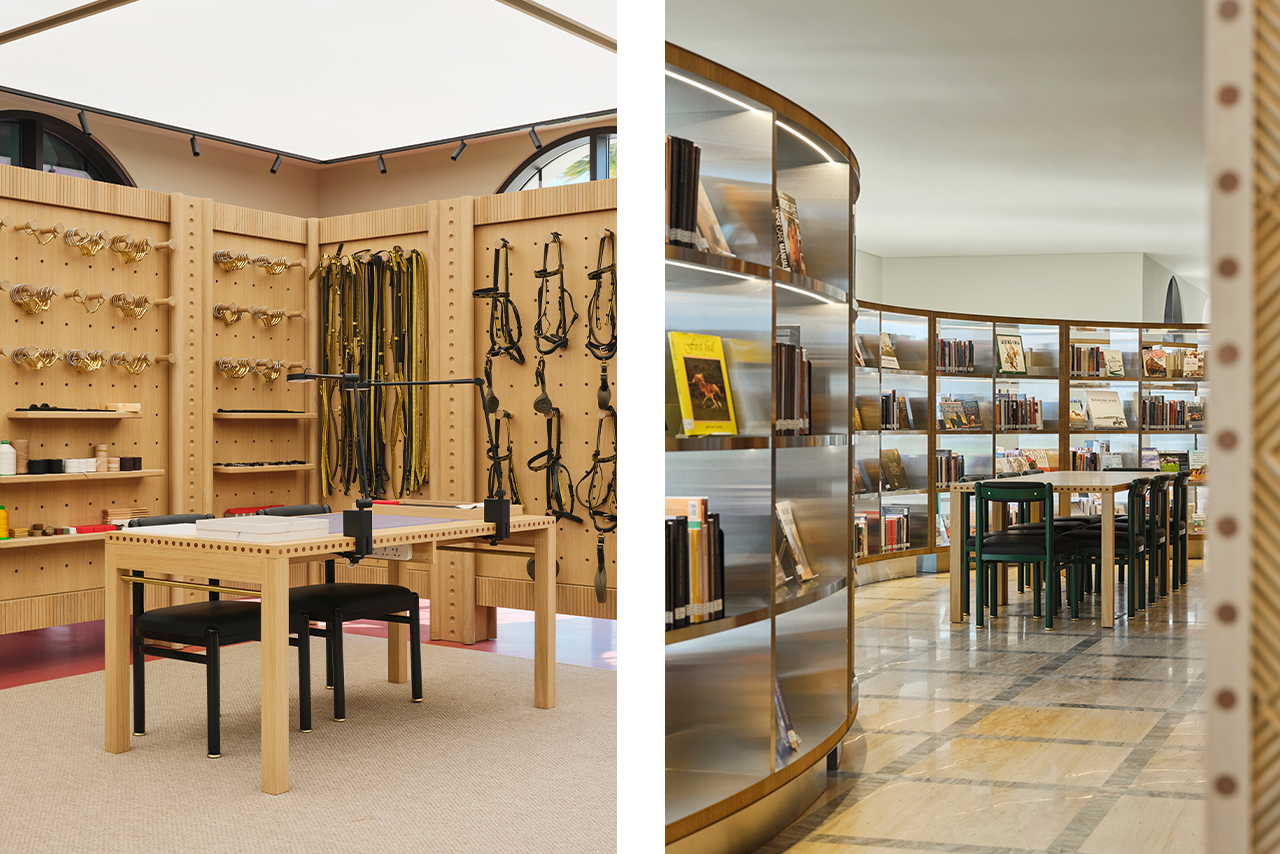
NM: We also recently finished a library for Abu Dhabi Royal Equestrian Arts (pictured above). Neither of us ride, so we discovered a new world.
A dream commission?
NM: A boutique luxury hotel where we could design everything from the architecture to the furniture, lighting and objects. A project conceived as a complete world rather than simply an interior.
A priority for you and for the industry going forward?
DR: Preserving craft. As the industry accelerates it is essential not to lose the knowledge, patience and sensitivity that come from working closely with artisans and handmade processes.
Which city has the best design scene? And where should we visit?
DR: Mexico City has an incredibly vibrant scene. There is a strong dialogue between architecture, art and craft.
NM: The city’s Museo Nacional de Antropología is essential, especially the remarkable structure in the central courtyard where the large roof is held by a single column in cantilever. It is an extraordinary architectural gesture.
For more from designers such as David and Nicolas, tune in to ‘Monocle on Design’ on Monocle Radio.
|
|
|
SPONSORED BY Edo Tokyo Kirari
|
|
|
|
|
|
from the archive: Joaquim Tenreiro folding screen, Brazil
Divide and conquer
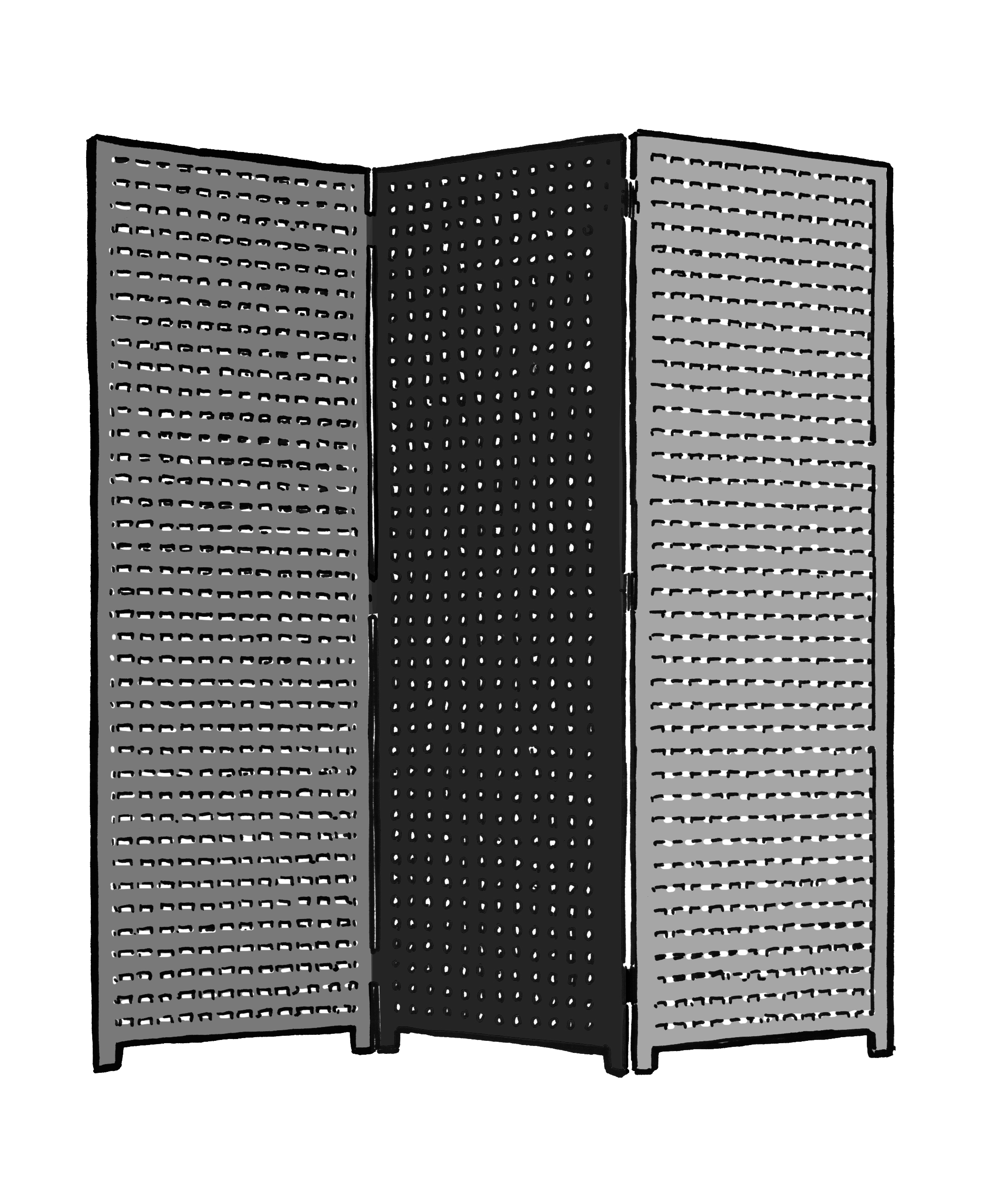
Joaquim Tenreiro, one of the founding fathers of Brazilian modernism, spent much of his career furnishing the country’s first open-plan homes. It makes sense then that the Portuguese-born designer paid special attention to room dividers. In the 1950s and 1960s he built several variations of folding screens out of leather, jacaranda, rattan and, in this case, imbuia wood – also known as Brazilian walnut. This ebonised paravent dates from 1955 and is currently for sale at design gallery R & Company in New York.
|
Tenreiro once stated that Brazilian furniture should have a lightness that “has nothing to do with the weight per se but with grace and functionality in space”. His screens have varying, experimental constructions yet all are made to allow small glimpses through. In this one the timber slats have been joined in a grid, leaving tiny gaps in between. The intricate design provides a feeling of transparency while retaining the object’s basic purpose – providing some privacy where a wall simply would not do.
Read our report on how Brazilian modernism’s legacy is still shaping design in the country today on monocle.com.
|
|
in the picture: ‘The Complete Works in Progress’, Denmark
Ties that bind
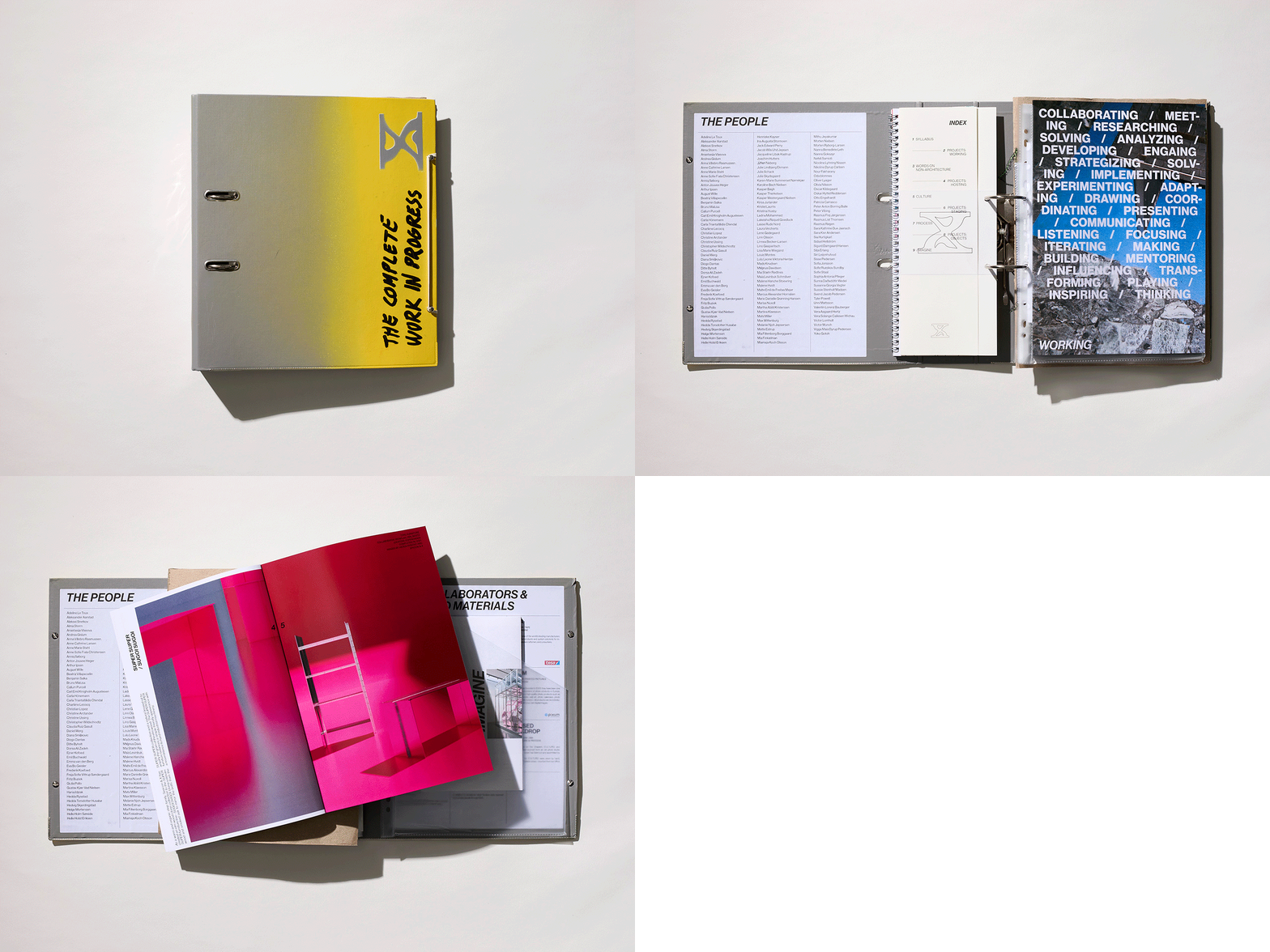
A design studio’s monograph is typically a static representation of a completed body of work. Not so for Copenhagen-based Spacon, whose The Complete Work in Progress has been published in a repurposed office ring binder with removable chapters, allowing the studio’s story to evolve continuously – a mutability acknowledged by the fact that the firm was previously called Spacon & X. “It reflects our more responsible and dynamic practice, where designs can evolve with their contexts and ongoing dialogue is encouraged between creatives at every scale,” says Nour Fakharany, a creative strategist at Spacon who worked on the publication.
| | | | |