The Pritzker Architecture Prize for 2026 is announced, we meet the candidates for Paris mayor, a spring wardrobe refresh by A Day’s March and what is Iran’s beef with the UAE?
|
Friday 13/3/26
|

|
|
London
Paris
Zürich
Milan
Bangkok
Tokyo
Toronto
|
|
|
|

Good morning. Keep an eye out for a special edition ‘On the Road’ newsletter from our team covering Mipim in Cannes this week. For more news and views, tune in to Monocle Radio or visit monocle.com. Here’s what’s coming up in today’s Minute:
THE OPINION: The art market is on the recovery trail
DESIGN: The Pritzker Architecture Prize for 2026 goes to…
AFFAIRS: Why is the UAE in Iran’s crosshairs?
DAILY TREAT: Spring wardrobe refresh by A Day’s March
FROM MONOCLE.COM: Meet the candidates for Paris mayor
|
|
Top-end auction sales help the art market brush off its recent slump
By Robert Bound
|

|
After standing on the scales, feeling the chilly steel of the stethoscope on its chest and going, “Ahhhhh,” the global art market’s annual health check is complete. It arrives in the form of the yearly Art Basel and UBS Art Market Report, authored by Clare McAndrew, published yesterday and examined further at last night’s live event at The Royal Academy of Arts in London.
The evaluation, taken from sales data offered by global dealers and auction houses, is much anticipated in an art world ever keen to know if its sun tan and gleaming teeth are a sign of rude health or are obscuring underlying health concerns. So how’s the patient faring?
|
|
|
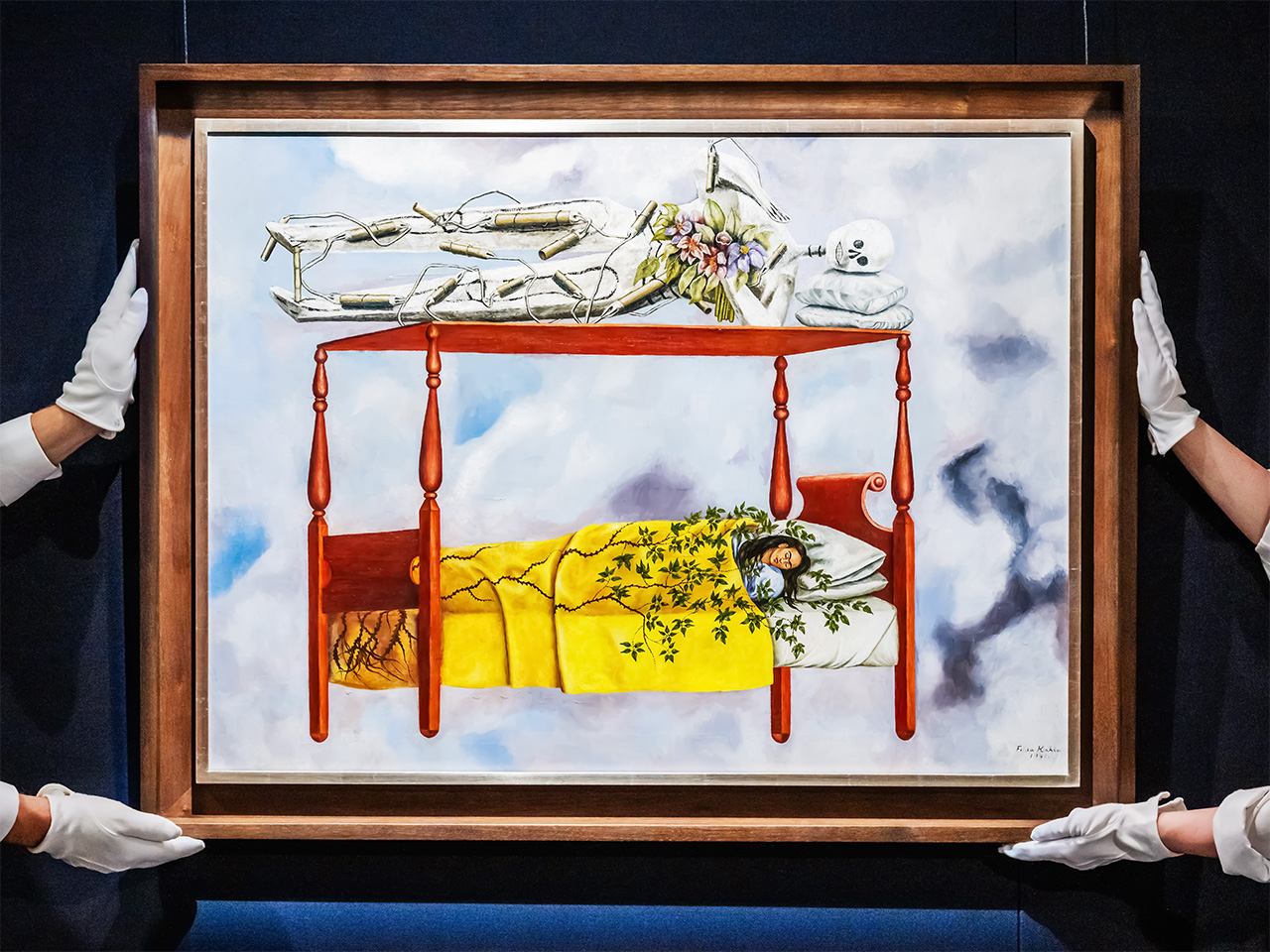
Dream scenario: Kahlo’s ‘El sueño (La cama)’ sold for a record €47m
|
|
Overall, global sales increased by 4 per cent in 2025 to an estimated $59.6bn (€51.6bn), marking a return to growth after two years of contraction. Auctions did the best with a notable 9 per cent rise, driven by strong sales for works sold under the hammer for more than $10m (€8.7m). Dealer sales rose by 2 per cent. These are modest figures overall, though, considering the market was valued at $67.8bn (€59bn) in 2022. So the patient’s celebratory drink after receiving its results might be more a glass of sauvignon blanc than a magnum of Krug.
While “ultra-contemporary” work drove the market out of the pandemic slump, the report shows that sales by contemporary dealers were stagnant in 2025. The numbers also indicate “a structural rebalancing toward established artists and older sectors”, according to the survey. Despite Frida Kahlo’s “El sueño (La cama)” becoming the most expensive work by a female artist when it sold at Sotheby’s last November, the rest of the top-10 auction sales were all paintings by men – the list headed by three Gustav Klimt works – and all sold at Sotheby’s in that same, rather lavish, week.
Does this mean the market looks generally dependable but increasingly conservative? “The big action was the older, established artists that seem to be selling the best,” says McAndrew. “As it happens, because of historical biases, that means there are a lot of male artists in those older sectors.” She notes that auctions and dealers leaned similarly trad, a trend that, she adds, “probably suits the times, in that people are a little bit risk averse. There’s so much rubbish going on around the world that if you want something more certain, you’ll go for those established names.” It seems then that the world’s bellwether collectors are currently in a battening-down-the-hatches mood.
For dealers the highest and lowest price points did the most business, while the middling – “works priced in the five or six figures” – proved “more difficult”, according to McAndrew. Big names at big galleries and the tiddlers with attitude and curatorial cleverness seem to have won through.
Other than the big-money Klimts and Kahlos going under the hammer, many of the art world’s headlines in 2025 concerned the closure of some big-name galleries including Blum, Sperone Westwater and, last month, the Stephen Friedman Gallery. “In no way do I want to diminish these often irreplaceable galleries going but generally this is a world of real resilience compared with the lifespan of other businesses,” says McAndrew.
An encouraging note on which to end is the fact that in-person sales continued to increase because, as McAndrew concludes, “you’re not just buying an item, you’re buying a whole world around it. The art world is, in fact, much more of a service industry than a goods industry.” The diagnosis? Maybe stick to sorbet for pudding – and do keep up the exercise.
Robert Bound is a contributing editor at Monocle. For more from Bound, read:
–
Team of rivals: Tate Britain’s Turner and Constable exhibition shows us two ways of seeing the world
–
After seven decades of creativity, David Gentleman shares advice for aspiring artists
–
Topless cars are still the most fun you can have with your clothes on
|
|
DESIGN:
USA
Architecture’s highest honour goes to Smiljan Radić Clarke
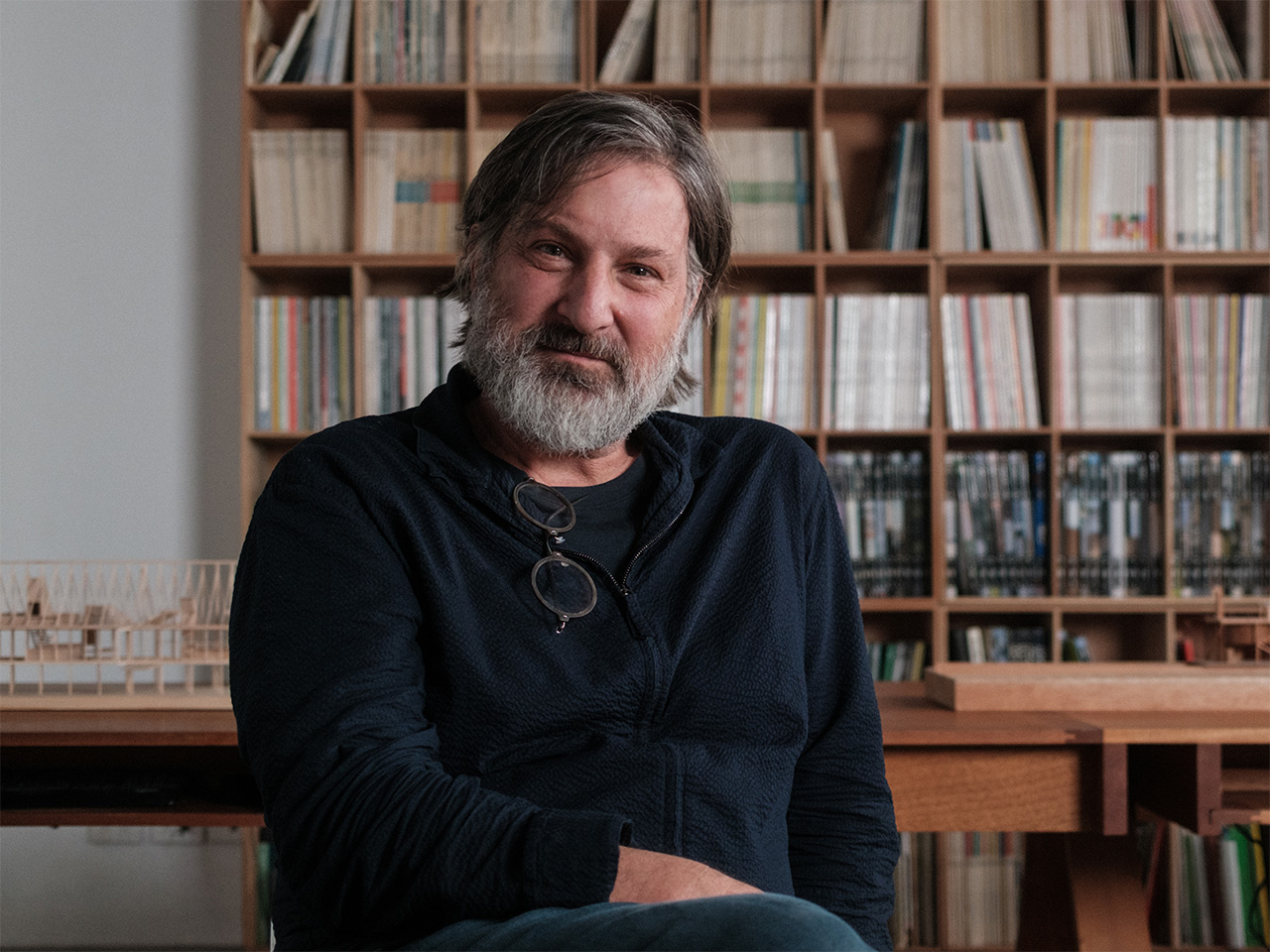
Chile’s Smiljan Radić Clarke was yesterday announced as this year’s winner of The Pritzker Architecture Prize (writes Nic Monisse). The Santiago-based designer picked up architecture’s highest gong in recognition of a body of work that spans more than two decades and is celebrated for its sensitivity to place, culture and social contexts. It’s an outlook embodied in projects such as Restaurant Mestizo, which was partially embedded in the ground to shelter it from prevailing winds; and Pite House, which was oriented to protect it from harsh light.
|
|
|
Pride of place: Smiljan Radić Clarke
|
|
And while the organisation behind the prize has been rocked by its patron, Tom Pritzker, appearing in the Epstein files (he has since resigned from his position as executive chairman of the Hyatt Hotels Corporation, which sponsors the prize), its recognition of Radić Clarke is nevertheless important. The architect has proved time and again that his thoughtful approach is built to last. As the jury put it: “In every work he is able to answer with radical originality, making the unobvious obvious.”
|
|
affairs: uae
Why does Iran target the UAE more than other Gulf states?
The UAE has long lived with an uneasy proximity to Iran (writes Inzamam Rashid). Just 55km of water separates the two coastlines – a narrow stretch known as the Strait of Hormuz that has always carried strategic weight. But in the current conflict, that geography seems more acute.

|
|
|
Smoke signal: Aftermath from an explosion at the Fujairah industrial zone
|
|
In the first 11 days of hostilities alone, more than 1,700 Iranian missiles and drones were launched towards the UAE: far more than at any other Gulf state and several times the number fired at Qatar. By some estimates, about 58 per cent of Iran’s attacks on Gulf Cooperation Council countries have been directed at the Emirates.
The scale raises an obvious question: why the UAE?
Part of the answer lies in geopolitics – but the UAE’s global impact and success is crucial too. Click here to read on.
|
|
• • • • • DAILY TREAT • • • • •
Spring wardrobe refresh by A Day’s March
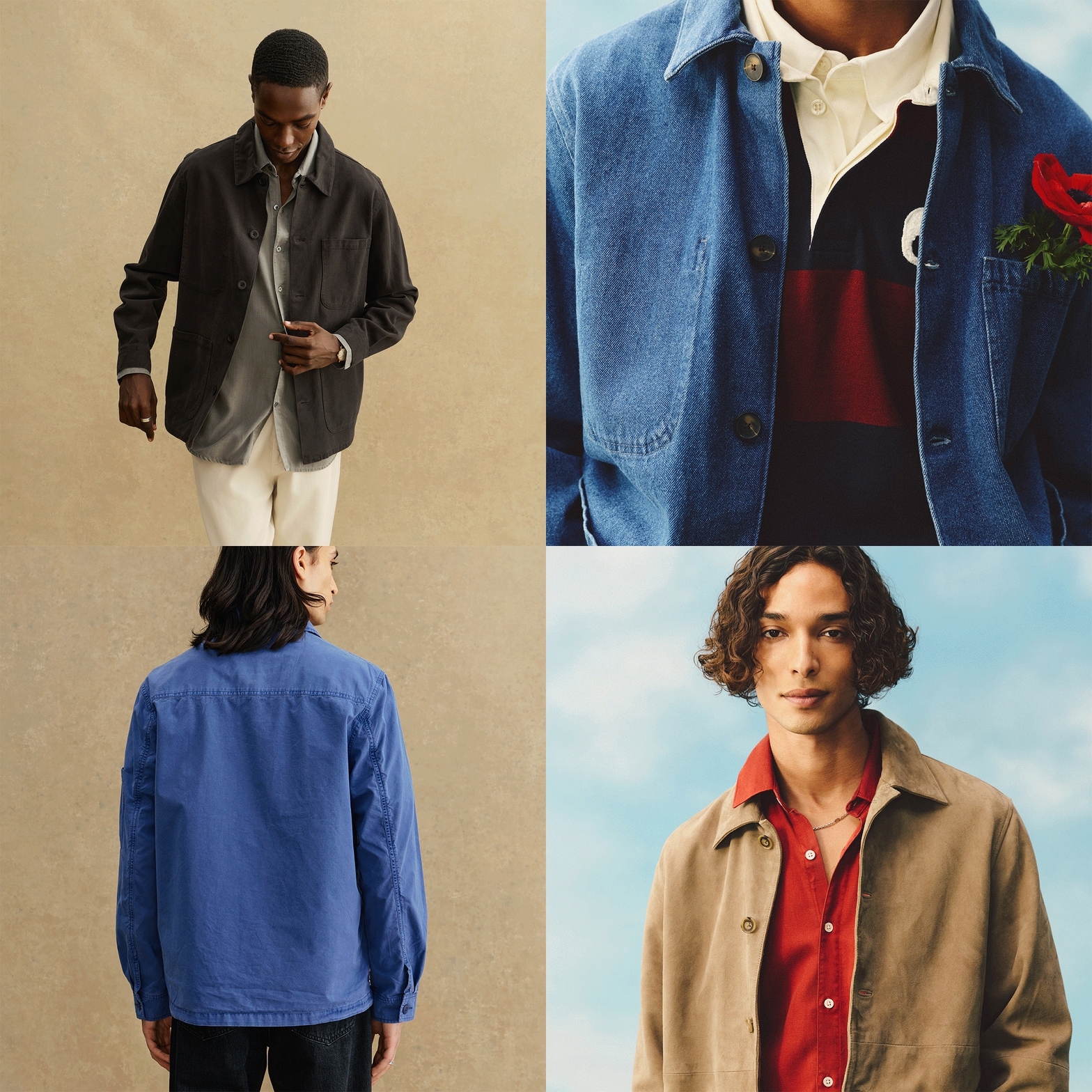
There’s finally a reason to put down your parka and park your down jacket. The new season calls for layering, something Swedish brand A Day’s March has a knack for. The latest collection features smart overshirts, suede jackets, relaxed cotton shirting and seersucker weaves with mother-of-pearl buttons.
Founded in 2014 by Marcus Gårdö, Pelle Lundquist and Stefan Pagréus, the brand makes about 70 per cent of its clothes in Portugal using local fabrics and materials sourced from small, family-owned textile factories.
adaysmarch.com
|
|
|
SPONSORED BY HITACHI ENERGY
|
|
|
|
|
|
| | |
 MONOCLE