|
|
|
Hi, ADN Iditarod fans,
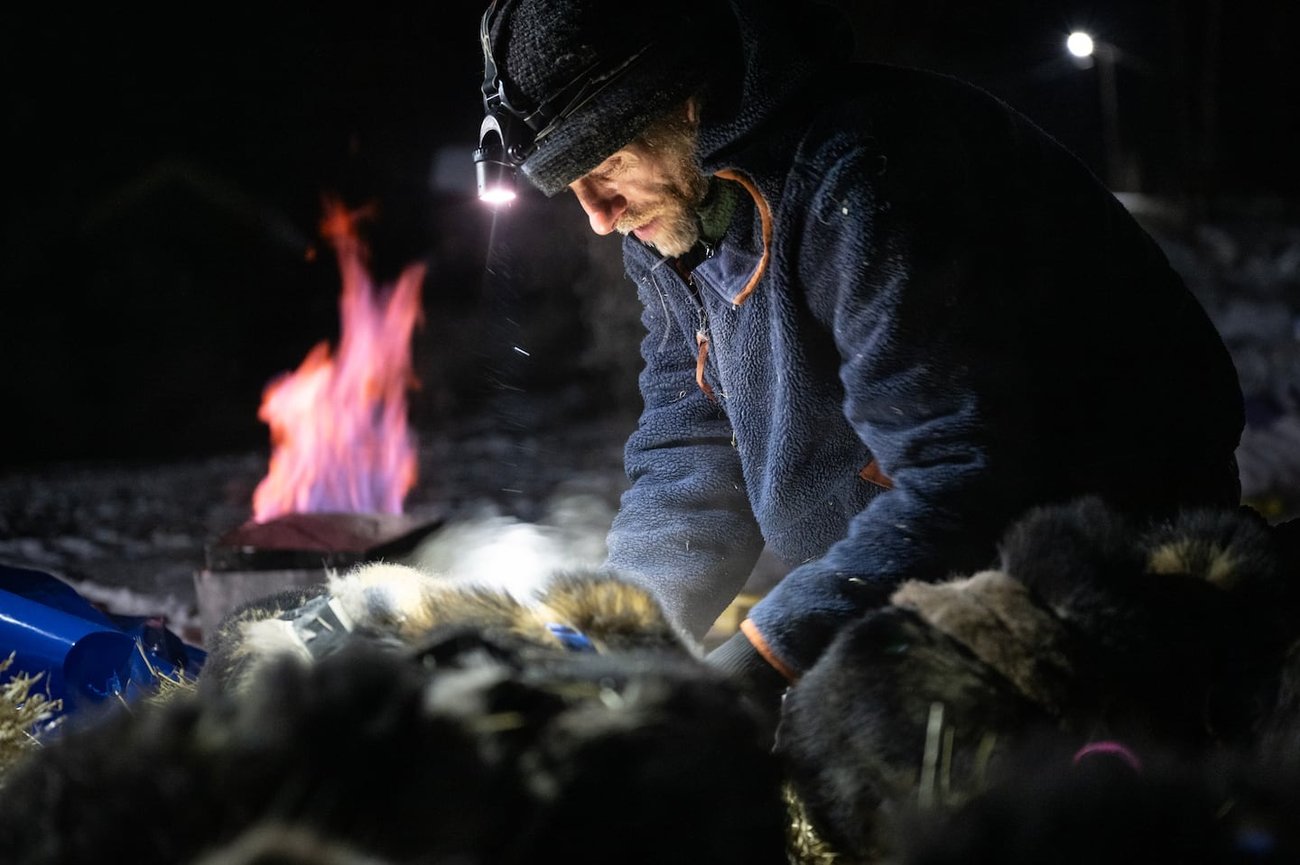
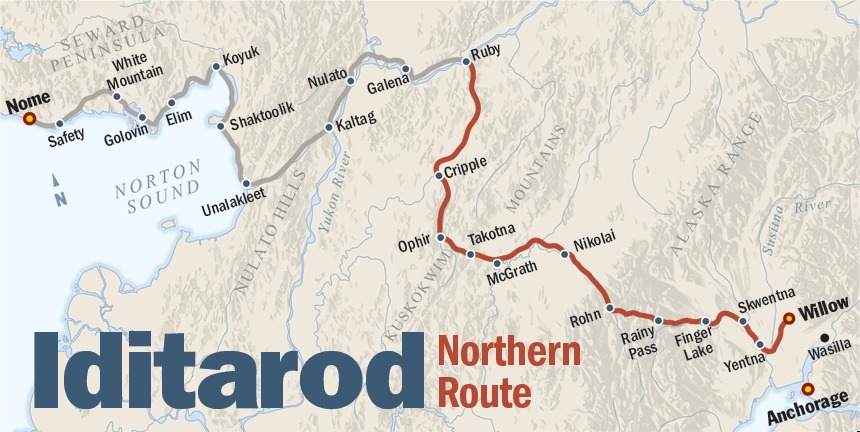
We're over halfway through this year's Iditarod Trail Sled Dog Race, if you can believe it. Top teams have made it to Ruby, the first of several checkpoints along the Yukon River.
After a challenging first few days over the Alaska Range — marked by brutal winds, frigid temperatures and rigorous terrain — mushers and their dog teams will now start heading out onto more flat sections of trail along the Yukon. |
 |
|
In a bit of déjà vu from last year, it's veteran racers Jessie Holmes and Paige Drobny battling it out in front for the lead of this year's Iditarod. The two mushers who both live and train along the Denali Highway pulled into Ruby early this morning just two hours apart.
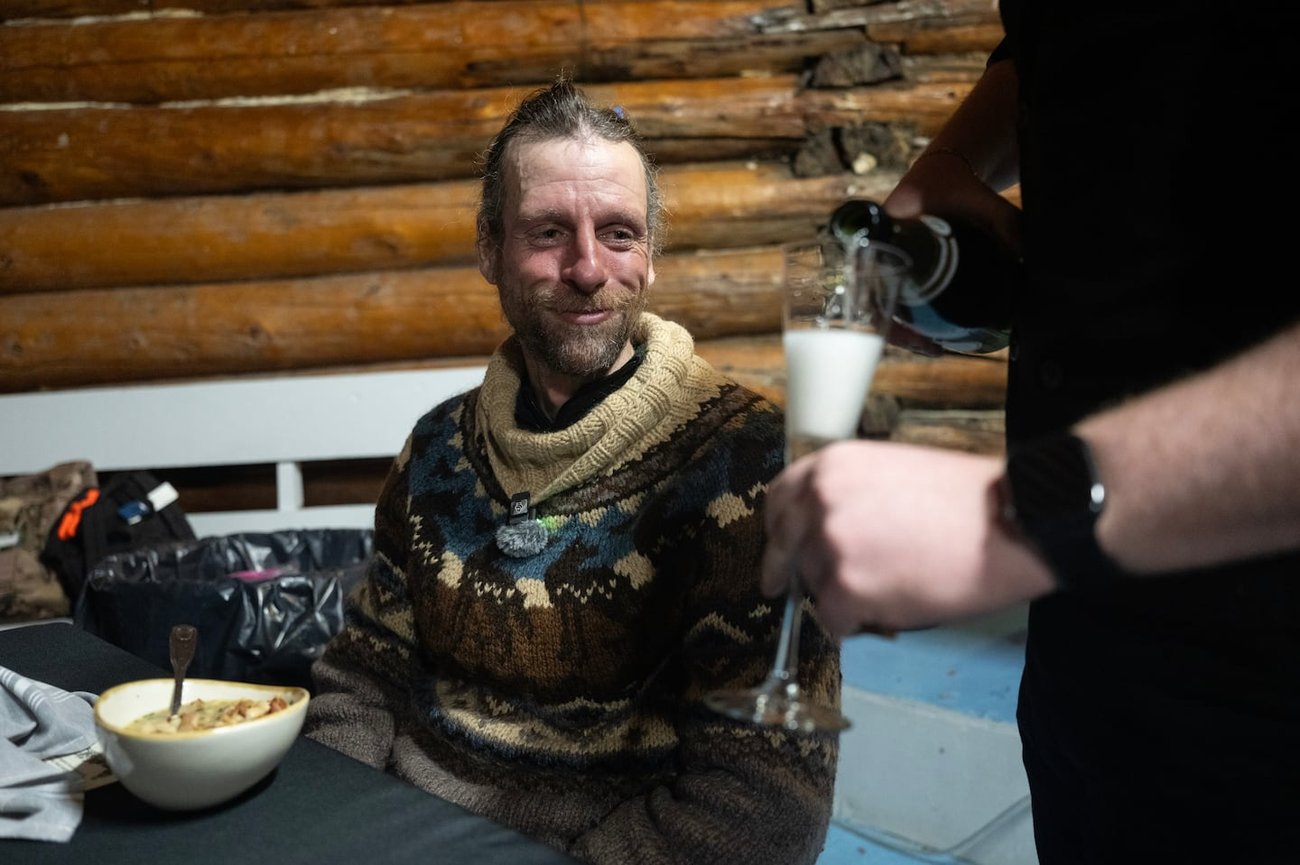
Holmes got there first, for which he was rewarded with a five-course meal as the first musher to reach the Yukon River. |
 |
|
Jessie Holmes gets a glass of champagne to go with his five-course meal in Ruby. The meal, prepared by staff from Locally Grown Restaurants, is awarded to the first musher to reach Ruby. (Marc Lester / ADN)
Though Drobny arrived later, it was with dogs that were more recently rested from a break along the way from Cripple, according to reporter Zachariah Hughes. He's in Ruby with photojournalist Marc Lester, reporting on the race for the Daily News.
Drobny had leapfrogged over Holmes on Thursday, but then he leapfrogged her in turn during the night.
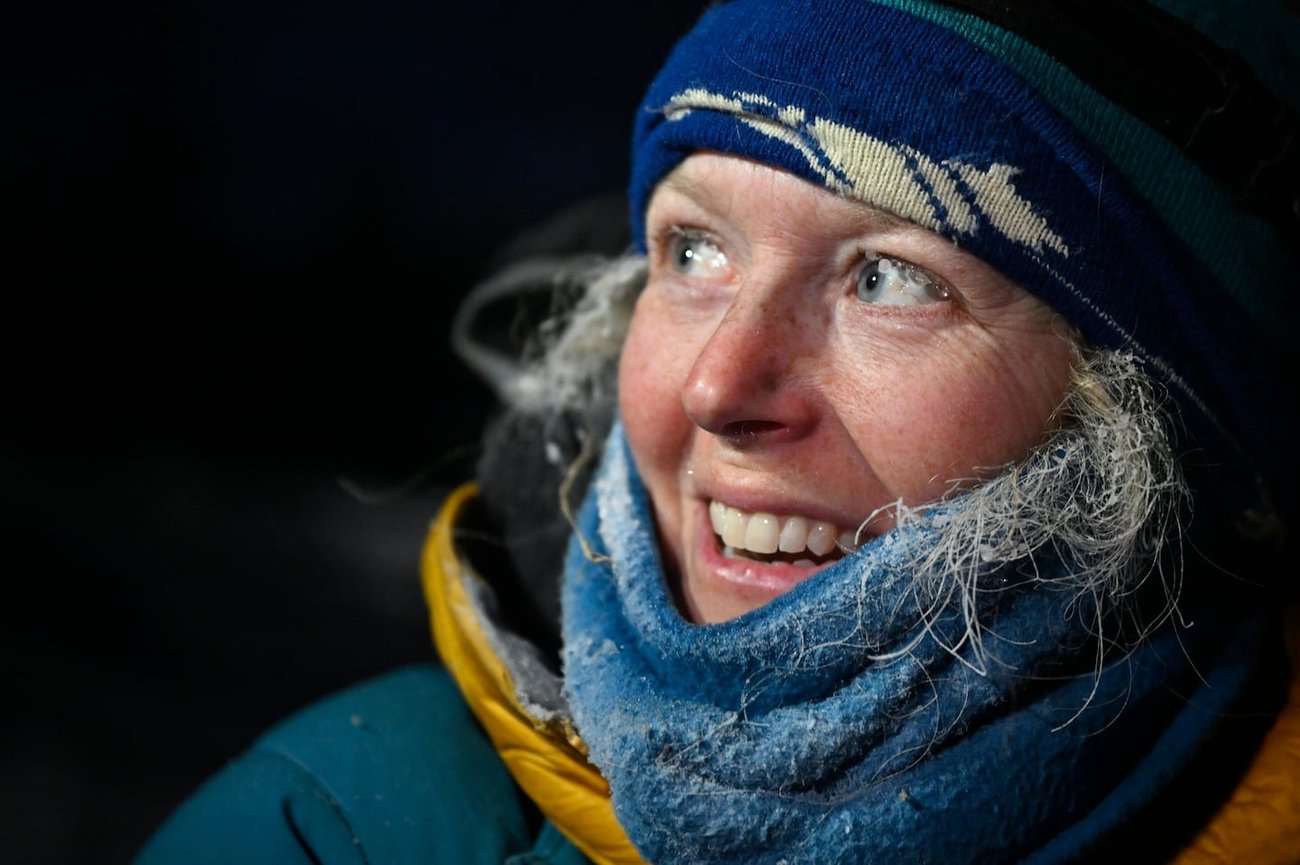
“All of my stuff has been breaking,” she said after strawing her team at the dog lot in Ruby. She’d had no clock and had to borrow a wristwatch from another musher to use as an alarm. A canister of fuel emptied out inside her sled bag. “Things have been going great.” |
 |
|
Paige Drobny, the second musher to arrive in Ruby, answers questions as she parks her team. (Marc Lester / ADN) |
 |
|
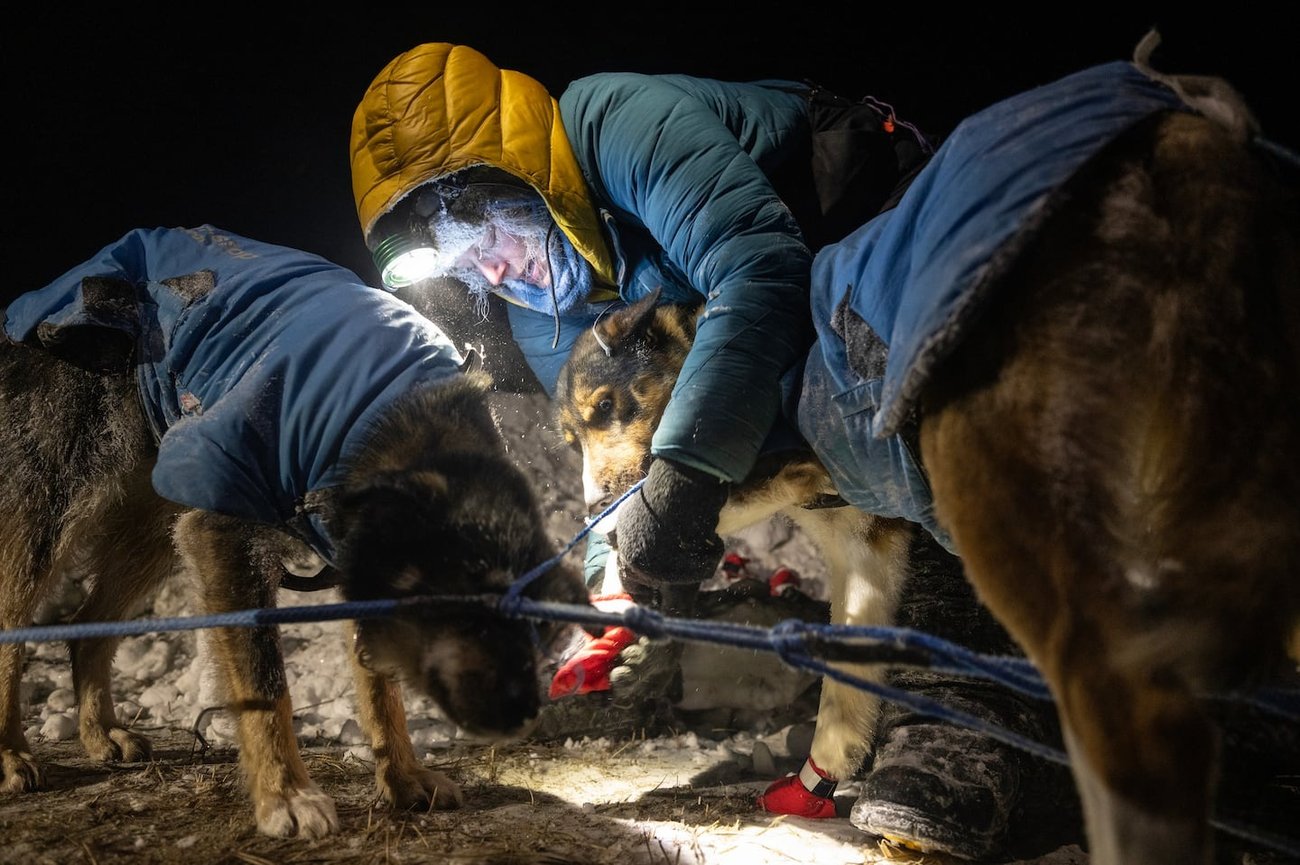
Paige Drobny takes care of her dogs after parking in Ruby. (Marc Lester / ADN)
If Holmes wins, it will be his second victory in as many years. If Drobny prevails, it will be her first Iditarod championship, and the first time a woman has won since 1990, the year of Susan Butcher’s fourth win.
“That’s my closest neighbor, 26 miles away. It’s hard to root against her,” Holmes said after pulling into Ruby this morning.
Also closing in on Ruby on Friday morning was Mille Porsild, with Jessie Royer and Michelle Phillips likewise close behind in the chase pack.
Now, we've gotten several questions from readers about the Expedition Class mushers, part of a new program the Iditarod introduced this year. We reported a bit about that program and how it plays into the race's finances, which you can read here.
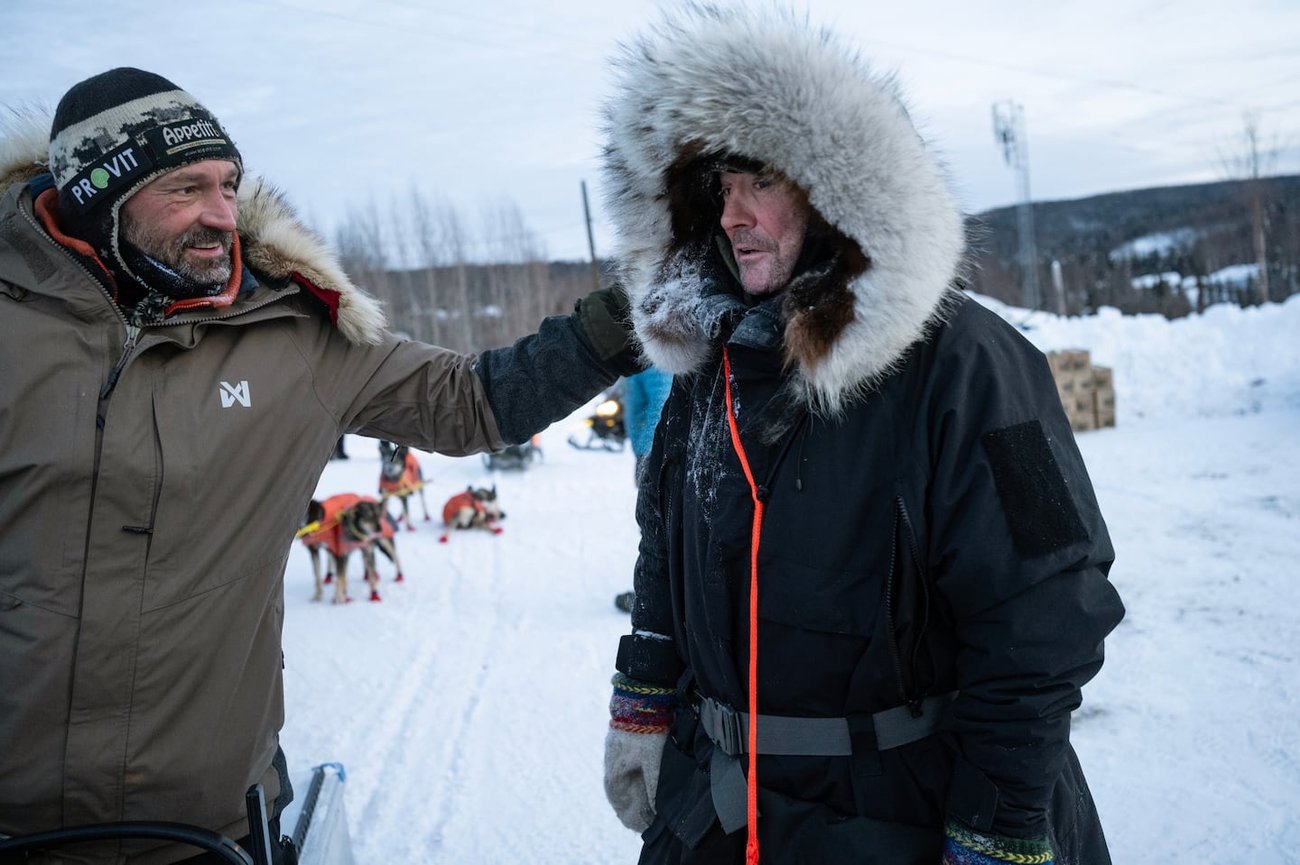
But Zachariah also caught up with two Expedition Class mushers while they rested at the Ruby checkpoint on Thursday. Thomas Waerner, a 2020 Iditarod champion, is running this year with a wealthy Norwegian businessman and friend, Kjell Inge Rokke.
While they and a third Expedition Class musher are not racing competitively and are ineligible for any of the race's awards, Waerner and Rokke have been moving like they're trying to win. They blasted through the race's midway point at Cripple and were actually the first mushers to arrive at Ruby.
Which begs the question: How are they going so fast? |
 |
|
Expedition class mushers Thomas Waerner and Kjell Inge Rokke arrive together in Ruby on Thursday, March 12. (Marc Lester / ADN)
Expedition Class mushers are participating in the Iditarod recreationally and are running under an altered set of rules. Prime among those rules is that they are allowed outside assistance.
When Rokke and Waerner arrived at the Ruby checkpoint, some assistants had already set up two domed tents down by the Yukon River for their rest. Supper was on its way, too.
In addition to traveling with a support entourage, the expeditioners are not required to take lengthy, mandatory rests like the competitive mushers. They are also able to cycle out sled dogs at different points, keeping the team fresh.
“This is a different way. A lot easier for me,” Waerner said of the expedition setup. “I eat more. Sleep more. And my shoes are always dry.” |
 |
|
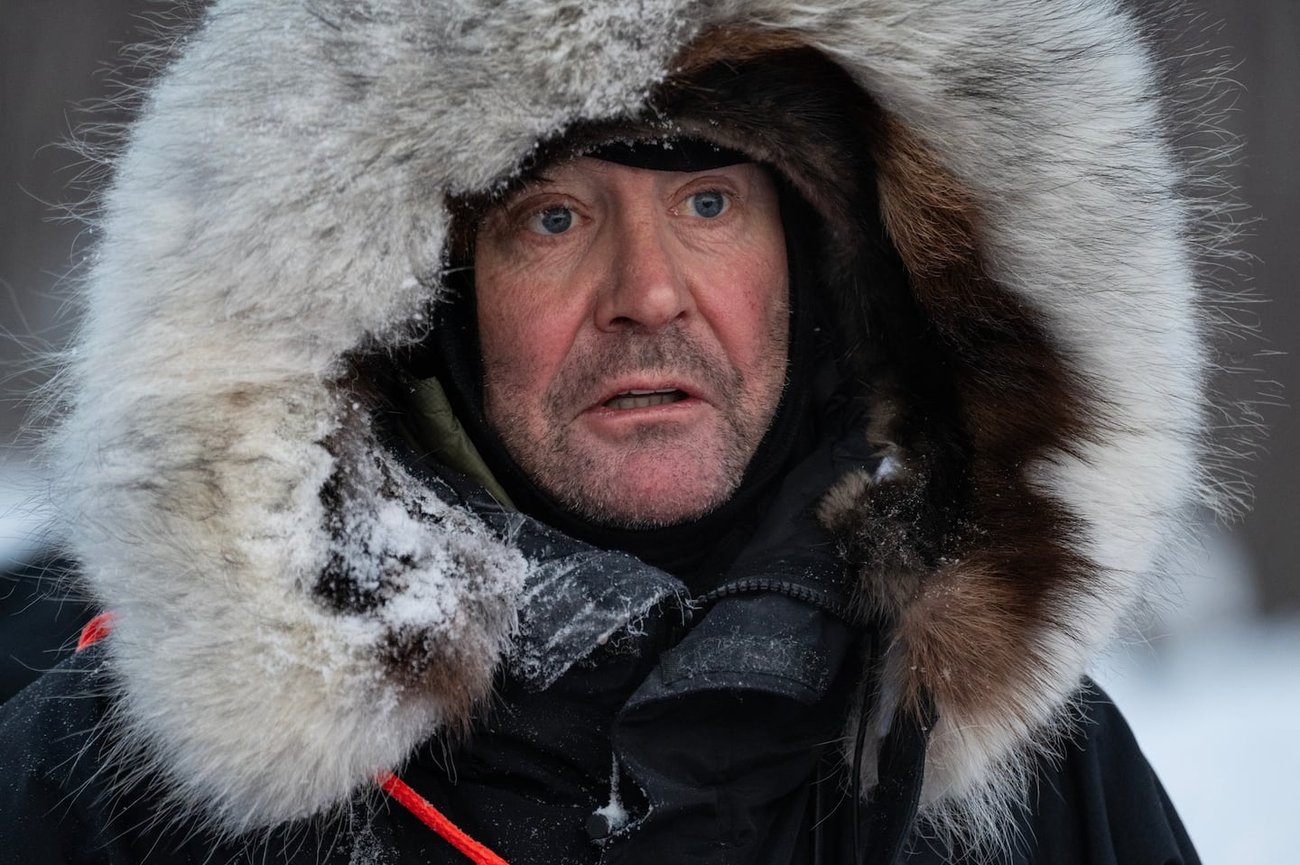
Expedition class musher Kjell Inge Rokke talks with people after reaching Ruby on Thursday, March 12. (Marc Lester / ADN)
While this is Rokke's first time running a full Iditarod trail, he has done previous expeditions with Waerner to Nome from Galena and McGrath, so he's familiar with the terrain they're about to cover.
Rokke said he was looking forward to the coming sections of flat trail along the Yukon, and fully expects to make it to Nome.
A winner isn't expected until next week, so stay tuned for more updates from the Iditarod. We'll share them as we have them. As always, thanks for reading!
Happy trails,
Megan Pacer
mpacer@adn.com
P.S. If you know someone who'd like to receive our Iditarod updates, or if someone forwarded this email to you, signing up for this newsletter is free at adn.com/newsletter. |
|
|
|
|
|
|
|
|
|
|
|
Anchorage Daily News, 300 W 31st Ave, Anchorage, AK 99503, United States |
|
|