Key events from the second half of the 20th century
CFR Education


March 15, 2026

Dear Educator, 


For those born in the 20th century, referring to the decades we grew up in as history can be a hard pill to swallow. But from the Cold War and Tiananmen Square to the creation of the European Union and the World Trade Organization, the mid to late 1900s are not only important for students to learn as a matter of history but as a mechanism for understanding the present. 


In this newsletter, you will find readings, videos, simulations, and teaching resources to help you cover the second half of the twentieth century.


Happy learning, 


Caroline Netchvolodoff 
Vice President, Education 
Council on Foreign Relations 

Essential Events Since 1945

Explore the key historical developments since 1945 that shaped today’s world.

Access the timeline
 

The Cold War 

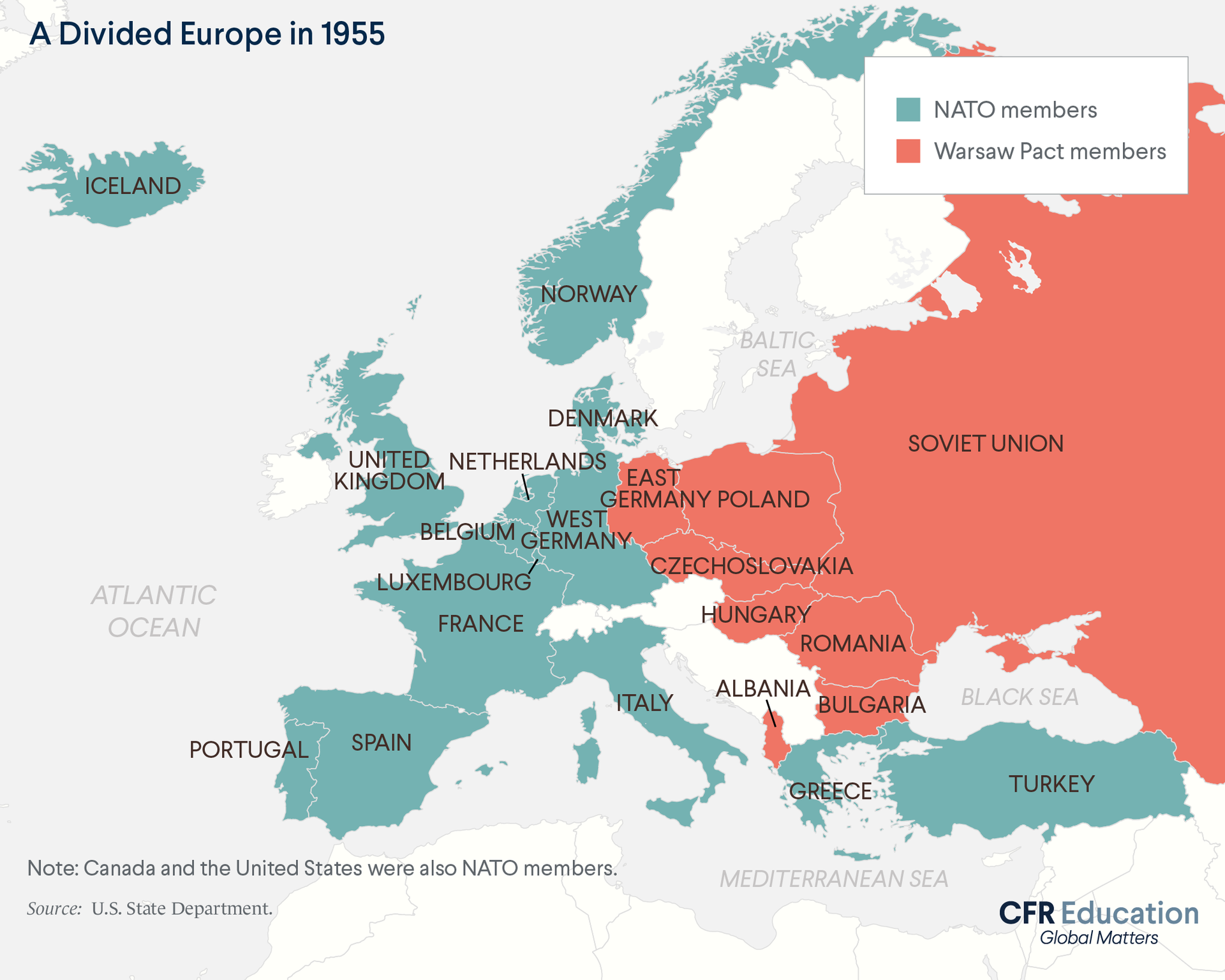
The Cold War is essential to any modern history course. Whether you are looking for a short video to introduce the topic or readings to dive deeper into the tools of foreign policy that were used during the Cold War, CFR Education has resources to help:

  • How Did the Cold War Stay Cold?
  • What Is Deterrence?
  • What Is Soft Power?

The Cold War as a Culture War

In these two lessons from CFR Education and Gilder Lehrman, students will use visual primary sources to analyze how the Cold War was expressed as a culture war between the United States and the Soviet Union.

Lesson Plan

U.S.-China Relations

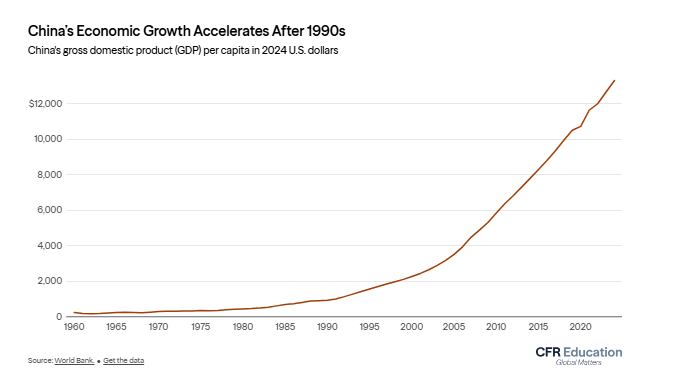
In 1972, Richard Nixon shocked the world by becoming the first sitting U.S. president to visit mainland China in an effort to establish relations between the two countries. Use these two readings to explain how, in the two decades that followed Nixon’s visit, China experienced significant change, testing U.S.-China relations. 

  • How China Transformed Under Mao Zedong and Deng Xiaoping
  • How Did the United States Approach the Tiananmen Square Crackdown?

Connecting the Past to the Present: Ask students to describe three historical factors that have influenced U.S.-China relations. 

Changes in Europe 

Many factors led to the fall of the Berlin Wall in 1989 and the subsequent breakup of the Soviet Union three years later. From the ashes of the Soviet Union, more than a dozen new democracies emerged. 

  • Fall of the Berlin Wall Signals New Era
  • Soviet Collapse Introduces New Questions
  • Soviet Collapse Destabilizes Central Asia

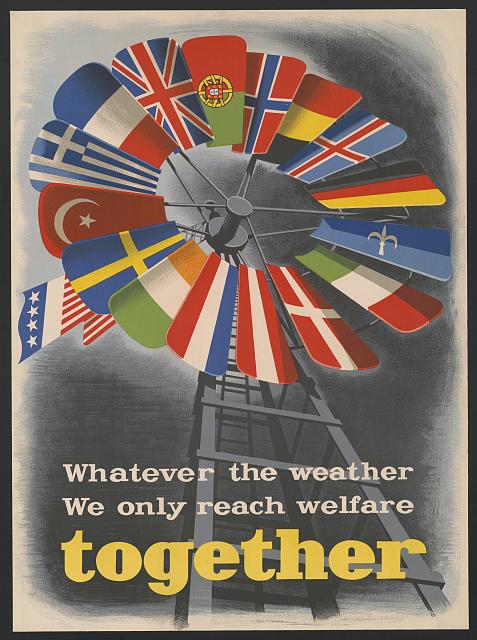
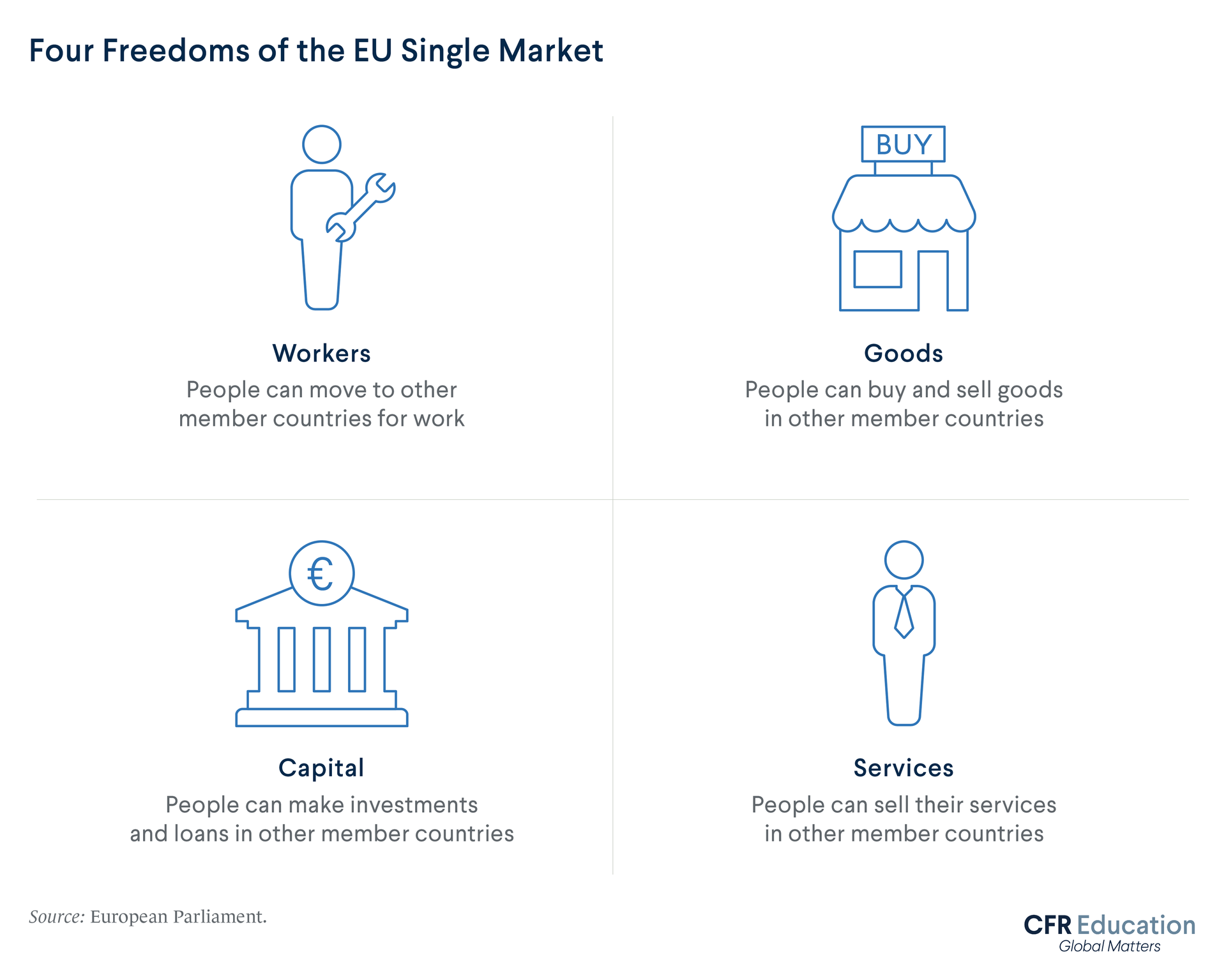
Around the same time, twelve European countries signed the Maastricht Treaty, which enabled the creation of an even more integrated Europe through an economic and political union known as the European Union.

  • The European Union: The World’s Biggest Sovereignty Experiment

  • The EU: Supranational Politics
  • Brussels and Europe: From EU Law to National Law

Formalizing International Trade

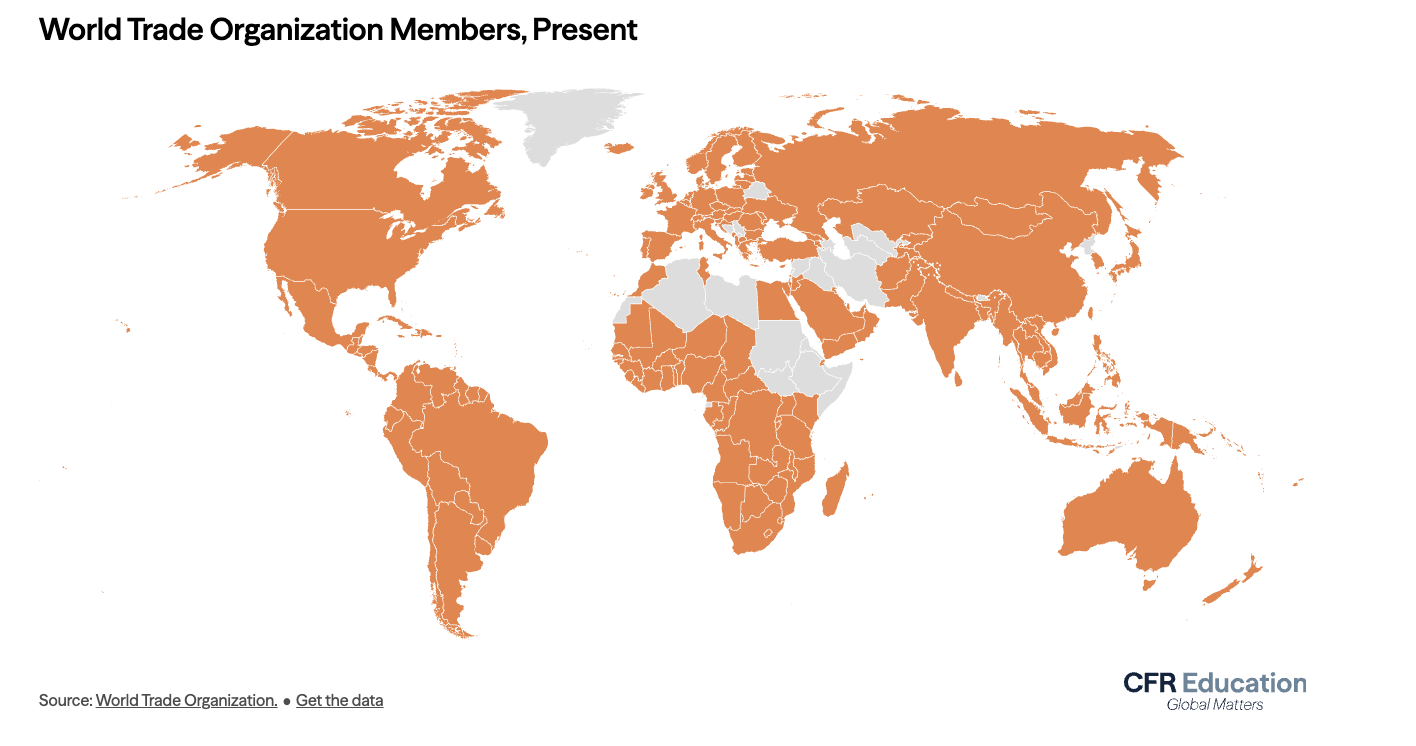
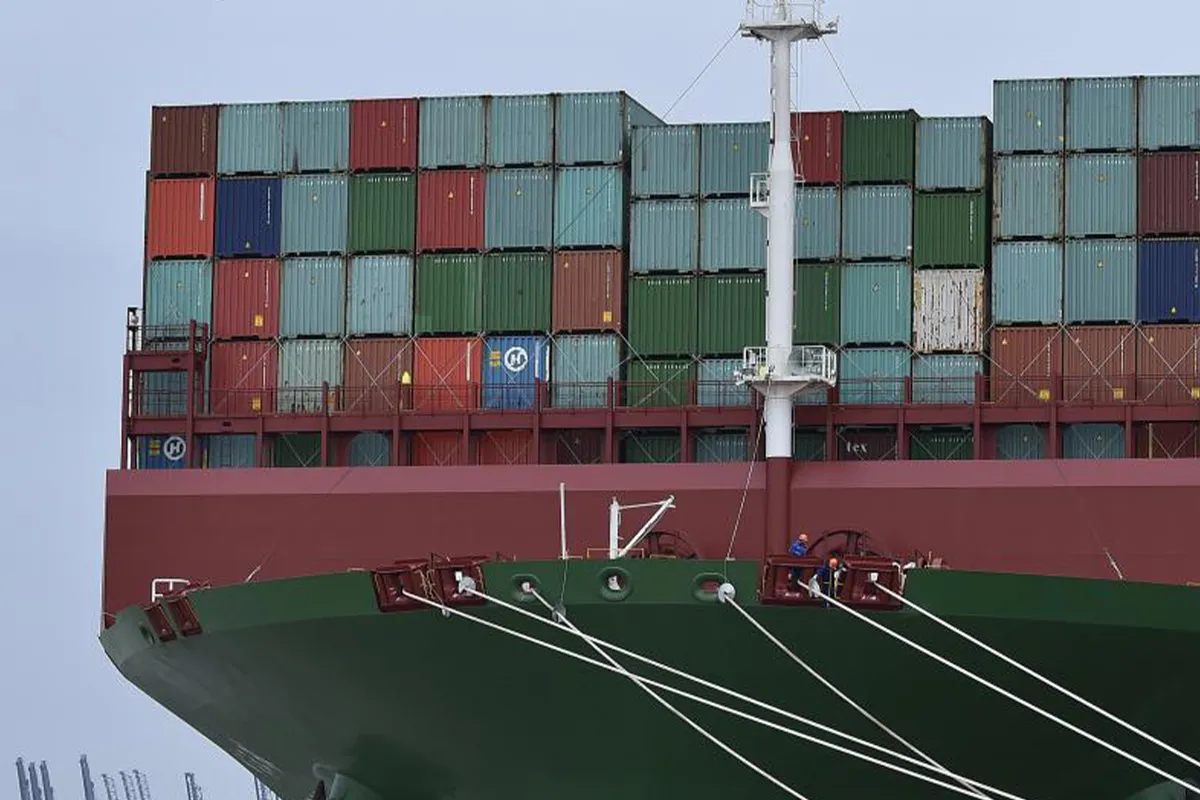
NAFTA, GATT, WTO. When it comes to international trade, there are a lot of acronyms. These resources can help you teach your class about the creation of new trade agreements in the 1990s that changed the way the world did business. 

  • What Is Trade?
  • How Trade Rules Are Written
  • What Is the World Trade Organization?

Hypothetical Simulation on Trade Policy

Put students in the shoes of the National Security Council as they advise the president on how to handle fictitious disputes between two hypothetical trade partners that threaten regional stability. Hypothetical simulations allow students to understand what goes into the policy-making process without discussing potentially sensitive dynamics that arise when real countries are included. 

Try the simulation
Image

Council on Foreign Relations. All rights reserved.

58 East 68th Street – New York, NY 10065

1777 F Street, NW – Washington, DC 20006

 
FacebookTwitterYouTube

Manage Your Email Preferences