US runs out of oil shock absorbers

Get full access to Reuters.com for just $1/week. Subscribe now.


Power Up

Power Up


A Reuters Open Interest newsletter

By Ron Bousso, ROI Energy Columnist


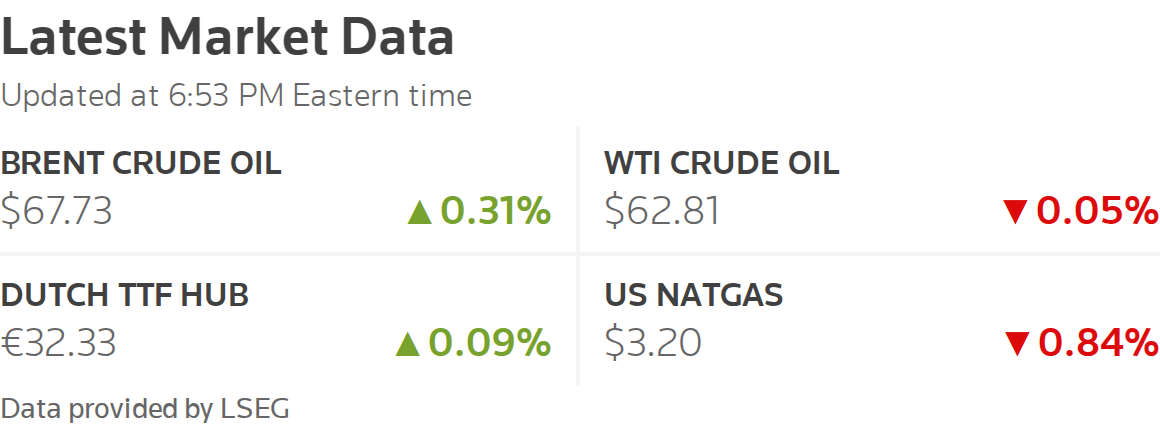
Data refreshes every time you open this email. For more energy news, click here. Please send any feedback to powerup@thomsonreuters.com.

Hello Power Up readers,

President Donald Trump this weekend called on NATO allies and Asian countries heavily dependent on Middle East oil, including China, to take part in efforts to re-open and secure the Strait of Hormuz. At least 15% of global energy supplies are currently trapped behind this narrow waterway.

This is bound to raise questions about why the president didn’t consult with more allies before launching a war in which severe disruption to energy supplies was a key risk.

As the joint Israel-US aerial war with Iran, which has quickly evolved into a regional conflict, enters its third week, it increasingly appears that the future of the Hormuz closure could determine the success of the campaign for Washington.

Britain and the European Union are considering their response to President Trump, who also warned that NATO faced a "very bad" future if it didn't step forward to offer assistance now. Japan said it had no plans to dispatch naval vessels to escort ships out of the Middle East where it gets 95% of its oil. So did Australia.

This all suggests the strait may remain closed for weeks, which could spell disaster for many economies as oil prices keep climbing above $100 a barrel.

Iran has continued to target energy infrastructure across the region in recent days. This included two strikes on the United Arab Emirates’ port of Fujairah, a vital oil loading terminal outside the strait. Over the weekend, the U.S. also bombed some non-oil infrastructure on Kharg Island through which Iran exports the vast majority of its oil.

The pressure on oil- and gas-importing nations is clearly mounting, causing refined product markets in Asia to tighten severely. The global supply of jet fuel and diesel is becoming a concern after China and Thailand halted fuel exports due to the war.

This energy protectionism could eventually lead to a trade stand-off between China and Australia, which requires diesel to extract the iron ore that China heavily relies on, ROI Asia Commodities Columnist Clyde Russell explains.

Meanwhile, the United States is rapidly running out of tools to absorb the impact of the oil supply shock. More on this below.

Here are some more headlines:

  • European Union energy ministers will meet to weigh up options to curb energy costs on Monday, as officials draft ‌emergency plans to temper the impact of surging oil and gas prices triggered by the Iran war.
  • I enjoyed this analysis from Reuters reporters on how Iran holds the keys to reopening the global energy markets.
  • Fuel costs in California are soaring even more than in the rest of the U.S. due to several unique factors, with fallout from the war in Iran forecast to push pump prices in the state to $10 a gallon in just two weeks.

As always, don’t hesitate to contact me at ron.bousso@thomsonreuters.com or follow me on LinkedIn with any questions or thoughts.


Top energy headlines

  • Nth Cycle signs $1.1 billion lithium offtake deal with Trafigura
  • Oil prices ease as US says it is fine with some ships going through Strait of Hormuz
  • Trump adviser says Iran 'terror premium' inflated oil prices for decades
  • UAE crude output falls by more than half as Hormuz closure forces shut-ins
  • Iran holds the key to reopening global energy markets


No shock absorbers

The U.S. is rapidly running out of shock absorbers to cushion the oil market from the loss of Middle Eastern crude supplies as the Iran war rages, raising the risk of a deeper global economic slowdown if demand destruction accelerates.

While the U.S. has offered financial guarantees to insure vessels against war-related losses in an effort to restart transit, most commercial shippers appear unwilling to take the risk.

In past crises, the world has typically looked to the spare production capacity held by the Organization of the Petroleum Exporting Countries and allied producers, collectively known as OPEC+. But it is not much help in this situation.

Last Thursday, Washington issued a allowing countries to buy sanctioned Russian crude oil and petroleum products currently at sea. The U.S. Treasury had already issued a similar 30‑day waiver specifically for India.

But oil prices have continued climbing.

Read the full column
 

Sponsors are not involved in the creation of newsletters or other Reuters news content. Advertise in this newsletter or on Reuters' website

LiveIntent Logo
AdChoices Logo
 

Power Up is sent twice weekly. Think your friend or colleague should know about us? Forward this newsletter to them. They can also sign up here.

Want to stop receiving this email? Unsubscribe here. To manage which newsletters you're signed up for, click here.

This email includes limited tracking for Reuters to understand whether you’ve engaged with its contents. For more information on how we process your personal information and your rights, please see our Privacy Statement.

Terms & Conditions