In conversation with Joachim Trier, a Ryuichi Sakamoto-inspired bookshop and Fjällräven shoulder bags.
|
Tuesday 17/3/26
|

|
|
London
Paris
Zürich
Milan
Bangkok
Tokyo
Toronto
|
|
|
|

Good morning from Midori House. For more news and views, tune in to Monocle Radio, where today we will be hearing from Helsinki’s 32-year-old mayor, Daniel Sazonov. Here’s what’s coming up in today’s Monocle Minute:
THE OPINION: How the UAE is remaining stoic in the face of Iran’s attacks
RETAIL: A Ryuichi Sakamoto-inspired bookshop opens in Tokyo
DAILY TREAT: Bag a shoulder satchel from Fjällräven
FROM MONOCLE.COM: Director Joachim Trier on his Oscar-winning film, Sentimental Value
|
|
Iran’s attacks on the UAE have revealed a nation whose resilience is built on diversity
By Badr Jafar
|
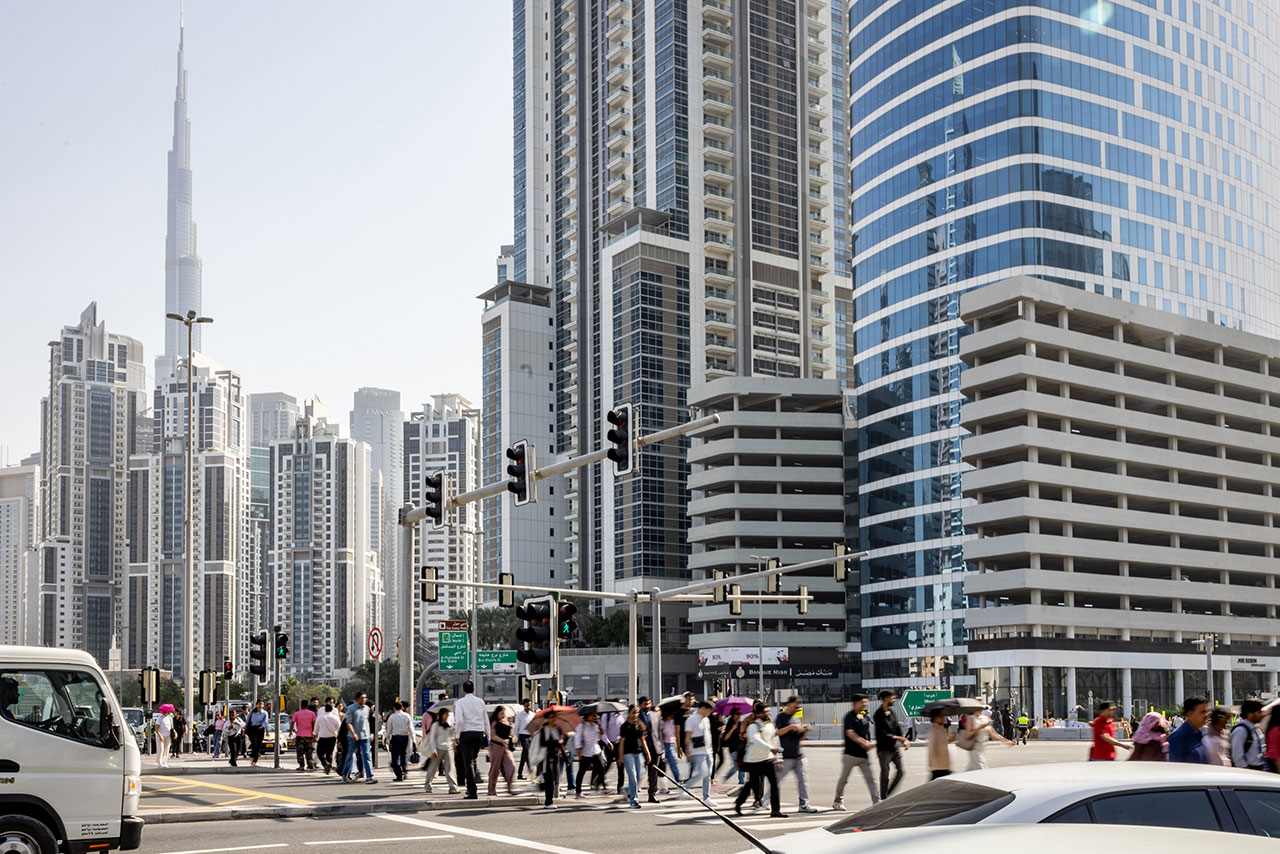
On the morning of 7 March, as the debris from intercepted Iranian attacks was being cleared from streets in Abu Dhabi and Dubai, a colleague sent me a photograph. It showed the terrace of a café outside his home in the Jumeirah neighbourhood – tables occupied, the morning going about its business, faces from most of the world’s continents. Someone had drawn a large heart on the glass in marker pen. The caption read: “Still here.”
I have been thinking about that photograph ever since. The UAE is home to more than 200 nationalities. It is, by any measure, the most cosmopolitan place on Earth, with nine in ten residents born elsewhere. The country has spent five decades constructing something genuinely singular: a federation of city-states that thrives on openness. Remove the millions who came from elsewhere, the foreign companies, the cross-border trade – and there is no UAE as we know it. The country’s founders understood this. So did everyone who followed.
Iran’s missiles and drones have hit airports and ports, apartment buildings and hotels, and data centres that power artificial-intelligence projects across three continents. Tehran claims that its targets are US military assets. The geography of the damage tells a different story. What is being attacked is not only infrastructure, it is also a proposition – that a place built on authentic inclusion can survive and prosper in one of the world’s most contested regions.
The interesting thing is not that the UAE has been attacked. Plenty of successful places have been attacked. The interesting thing is what has happened since.
| |
|
Street smarts: The UAE has showed its resolve
|
|
The people who chose to come here, by and large, have stayed. Not all – some left following guidance from their embassies; no one should pretend that the fear was not real. Seven people have died and dozens more have been injured; families are shaken. But the extraordinary social fabric that holds the country together has not torn. There is a difference between living in a country and belonging to one. In the UAE, for most of the 89 per cent who came from elsewhere, the two have quietly become the same thing.
This is not nothing. It is, in fact, everything.
An economic argument is there to be made, and it is a strong one. Non-oil activity now accounts for more than 77 per cent of the UAE’s GDP. You can model an economy. You cannot model belonging. The first can be stress-tested and quantified; the second can only be lived. What is being lived here, by the millions who chose to stay, is more durable than any balance sheet.
The Gulf has long been caricatured in certain quarters as a transient place – a collection of sojourners passing through, owing nothing and expecting nothing, ready to disappear at the first sign of difficulty. That caricature has never done justice to the reality of what has been built here. Mureeb Zaman, the Pakistani driver who was killed by falling debris on 7 March, had lived in and raised a family in the UAE for more than a decade. He was not passing through. He was home.
What Iran’s regime has stumbled upon, perhaps without fully understanding it, is the central paradox of the model it is attacking. The UAE’s openness is not a vulnerability. It is its greatest source of strength. A country where the bonds of community are forged not by ethnicity or religion or language but by shared investment in a place – its institutions, its ambitions, its particular way of being in the world – turns out to be remarkably difficult to destabilise. People do not abandon what they have helped to build together.
There is a lesson here that extends well beyond the Arabian Gulf. The world is full of leaders who promise cohesion through homogeneity, security through exclusion, identity through the definition of enemies. The UAE has spent 50 years building a different case: that the most stable societies and economies are those with the most to lose from instability; that openness and security are not opposites; that a country of some 200 nationalities can be, in an age of fracture, the most consequential experiment of our time.
That experiment has already returned its verdict.
The photograph from the café confirms it.
Badr Jafar is the special envoy of the UAE minister of foreign affairs for business and philanthropy. For more on the conflict in Iran, read John Bolton’s thoughts on what should happen next here.
|
|
retail: japan
Yaeca Home Store opens a bookshop inspired by Ryuichi Sakamoto
Husband-and-wife team Tetsuhiro and Kyoko Hattori, the founders of Japanese fashion brand Yaeca, take an unconventional approach to retail (writes Fiona Wilson). They established Yaeca Apartment Store in Meguro in 2012 (complete with kitchen) and Yaeca Home Store in a tranquil house in Tokyo’s Shirokane neighbourhood in 2014. They now have a thriving online presence and have opened two more shops, as well as a bakery called Saveur.
| |
|
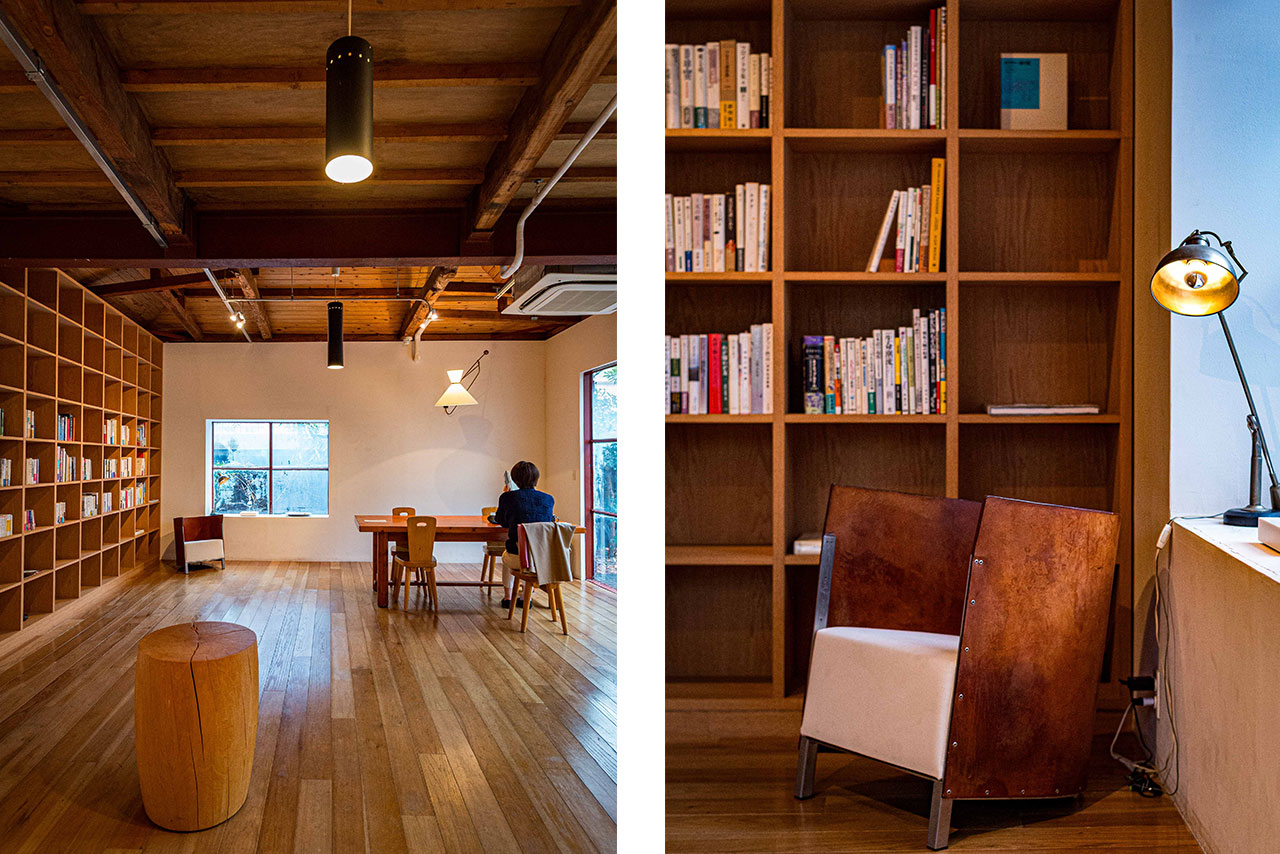
Hitting the right notes: Sakamoto Yaeca bookshop
|
|
At Yaeca Home Store, a range of made-in-Japan clothes hang on rails upstairs, while the ground floor has recently been turned into Sakamoto Yaeca, a bookshop and café with second-hand titles inspired by the collection of late composer Ryuichi Sakamoto. The couple were approached by the team that runs Sakamoto Books, a project that the musician started in 2017 and now includes a reservation-only library in Tokyo.
On the shelves are titles such as Roland Barthes’s Empire of Signs,as well as a Nobuyoshi Araki photography book and Japanese-language publications. The furniture is sparse but carefully chosen. “We imagined it as a study, so a 1930s art deco desk and chair that we already owned became the starting point,” says Tetsuhiro. “We selected pieces from different eras: a lamp by Jacques Grange, originally designed for Yves Saint Laurent, and a lounge chair by Maarten van Severen.” Water trickles through a glass piece by artist Nelo Akamatsu. In the garden is an upright Schwester piano, the same one that Sakamoto learned to play on as a child. This is a bookshop like no other: a place to slow down, browse eclectic titles and enjoy a coffee and a slice of cake. “Physical shops are no longer essential,” adds Kyoko. “But we still want to make places that will live in people’s memories.”
yaeca.com
|
|
• • • • • DAILY TREAT • • • • •
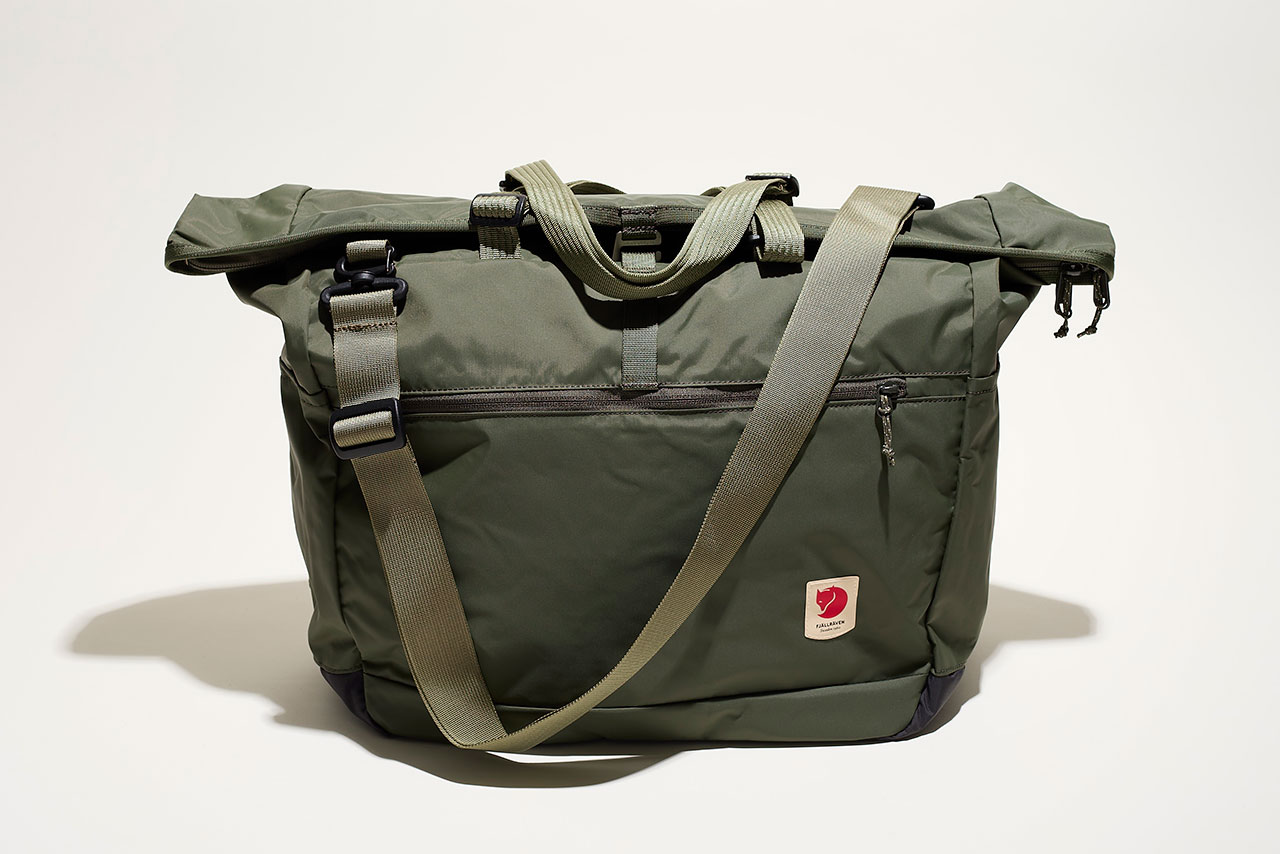
Slip on a foxy number with a Fjällräven shoulder bag
Swedish outdoor label Fjällräven’s boxy, lightweight backpacks were designed in 1978 by the brand’s founder, Åke Nordin, who took inspiration from the gear that he came across while serving in the military. The bag’s distinctive shape soon became ubiquitous among Swedish school children due to its utilitarian comfort.
Fjällräven’s water-resistant shoulder bags bring that stylish adaptability into the 21st century. Emblazoned with the brand’s signature arctic fox logo, they are a durable option for a hike, the gym or a day at the beach, and proof that function and fashion are a winning combo.
fjallraven.com
|
|
|
SPONSORED BY HITACHI ENERGY
|
|
|
|
|
|
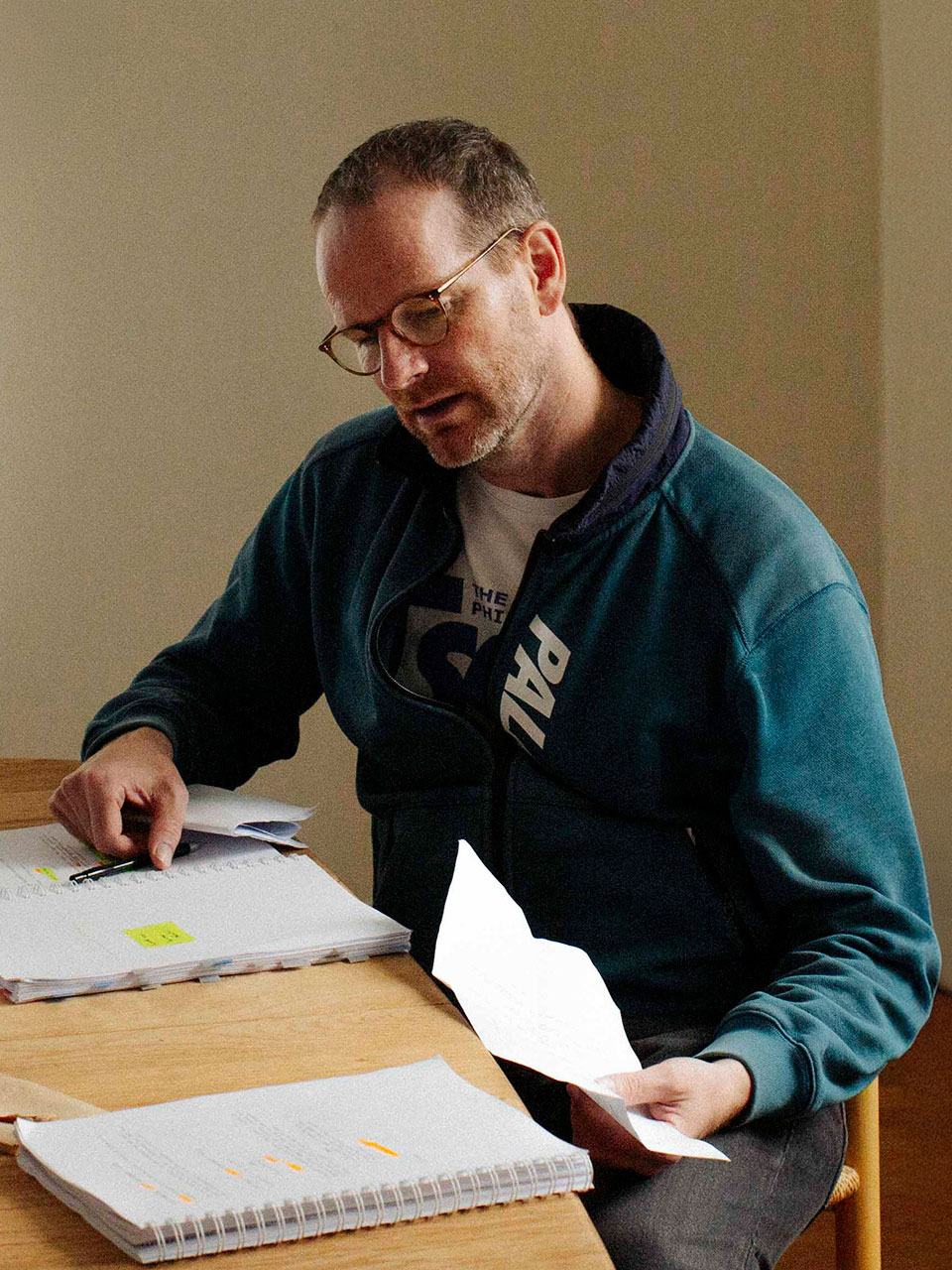
Joachim Trier, the director of Oscar-winning ‘Sentimental Value’, on taking art seriously
Norwegian-Danish director Joachim Trier’s drama Sentimental Value is a poignant exploration of family, fame and the complexities that often come with both. Featuring an ensemble cast including Renate Reinsve, Inga Ibsdotter Lilleaas, Stellan Skarsgård and Elle Fanning, the film follows two sisters who reunite with their estranged father as he attempts to restart an ailing directorial career. On Sunday, the title, which was nominated for nine Academy Awards, picked up the gong for Best International Feature.
Trier joined Monocle senior correspondent Fernando Augusto Pacheco to discuss how his personal life informed the film’s narrative, getting the casting right and how cinema can bring people together in trying times.
| |
|
This season’s highlight: Joachim Trier
|
|
As a father of two girls and coming from a film-industry family, is it fair to say that ‘Sentimental Value’ feels personal to you?
I’m the kind of director who sits down and tries to create a story about where I am in life. Every time I make a film, I start from scratch with Eskil Vogt, my co-writer. This time we realised that we were at a moment in our lives in which we both have children – Eskil and I have two children each – our parents are still around [and] we’re sensing how fast time flies. As you mentioned, my grandfather was a filmmaker. My parents worked with films. I grew up on film sets. That’s my life and I’m very grateful for being allowed to make them. But we didn’t start out thinking that we would make a film about film people.
To read the full interview, click here.
|
|
| | |
 MONOCLE