Hello! Last week it was oil on everyone’s lips. Now, it is all about renewable energy.
The disruption to energy markets caused by the crisis in the Middle East has had rippling effects around the world from Asia, Europe to Africa.
Simon Stiell, Executive Secretary of the U.N. climate change arm UNFCCC, warned European Union officials and government ministers at an event in Brussels that "reliance on fossil fuels was leaving consumers at the mercy of geopolitical shocks and price volatility".
Such volatility can be seen in Europe where gas prices have jumped by 50% during the first two weeks of the war. EU leaders drafted emergency measures to shield consumers from the energy price spike and said the bloc would look at its longer-term plan to boost locally produced renewables as part of its climate change strategy.
Besides Europe, we’ll also be looking at how India has been hit by the oil and gas shortage and changes to its renewables market it is making to boost its power supplies. Before that, let’s take a look at some tech and social stories that are on my radar: |
|
|
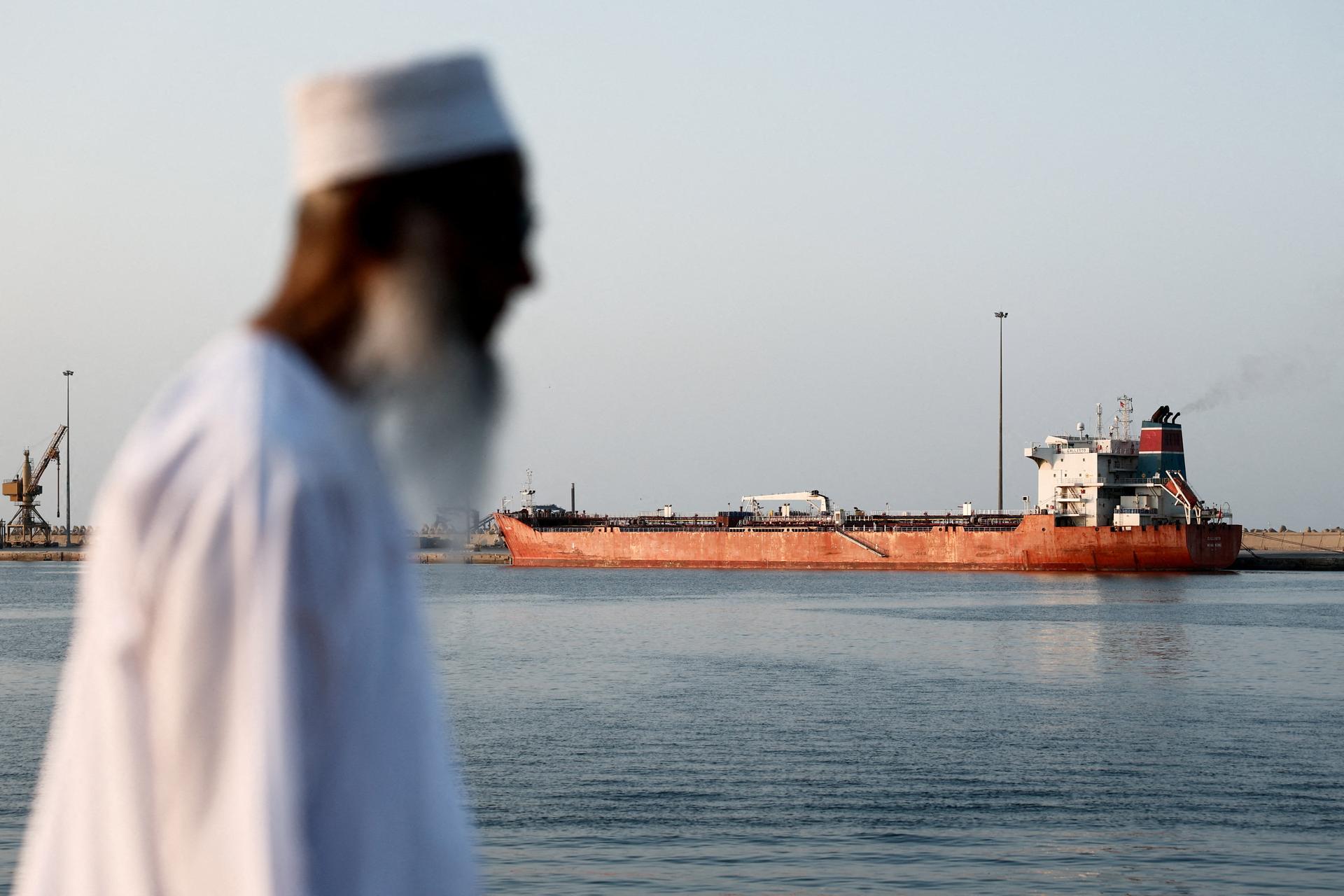
An Indian liquefied petroleum gas (LPG) carrier, Shivalik, arrives at Mundra Port via the Strait of Hormuz, amid the U.S.-Israel conflict with Iran, in Gujarat, India. REUTERS/Amit Dave |
Europe’s clean energy plans |
The EU imports more than 90% of its oil and 80% of its gas. Europe's reliance on imported oil and gas means it is highly exposed to global price swings, and no quick fixes are expected.
The EU has been drafting emergency measures to shield consumers from rising energy bills, capping gas prices, examining state support for industries, cutting national taxes, and using an upcoming revision of the EU carbon market to ease CO2 permit supply, according to EU officials familiar with the discussions. The European Commission also turned to Sweden. Sweden exports excess power from its fleet of nuclear, hydropower and renewable energy generators via cables to countries including Germany, Denmark and Finland.
But Sweden is pushing back against an EU plan to divert 25% of power‑grid congestion revenues to cross‑border energy projects and has warned it could take drastic steps, including possibly limiting electricity flows to neighbouring countries, if the dispute isn’t resolved.
In the longer term, the European Commission says its climate change strategy to replace fossil fuels with locally produced renewable and nuclear energy will secure countries' energy security and cut them free from volatile fuel prices. But governments including Italy and Hungary are urging Brussels to weaken its climate change policies to provide short-term cost relief for industries.
Stiell warned that doing this would be "completely delusional" and said that the shift to renewable sources like wind and solar power means cheaper energy, jobs in clean-technology industries and secure supplies. |
|
|
Over in India, the liquefied petroleum gas shortage featured in last week’s Climate Focus newsletter has extended to this week. India, the world's second-largest crude steel producer, is facing its worst gas crisis in decades after the Middle East conflict disrupted supply routes.
India's Ministry of Petroleum and Natural Gas said that it has barred consumers with piped natural gas connections from retaining, obtaining or refilling domestic LPG cylinders under an amended supply order.
In a letter seen by Reuters to the federal steel secretary dated March 7, the Indian Steel Association said a shortfall of propane and LPG affected the entire value chain and would have a "huge adverse impact" on steel-based micro, small and medium enterprises and their ancillary units, which employ a large workforce. But, similarly to the EU’s longer-term plans, India is aiming to nearly double its non‑fossil-based power capacity by 2030 to 500 gigawatts.
This week, the power regulator – the Central Electricity Regulatory Commission – proposed easing the nation’s tight rules for wind and solar power producers. Earlier, many industry stakeholders had written to the regulator, saying that the proposed plan would slow investment in clean energy.
The government asked the power regulator to examine the request of power producers. Keep scrolling for insight on India’s LPG and clean energy in cooking. |
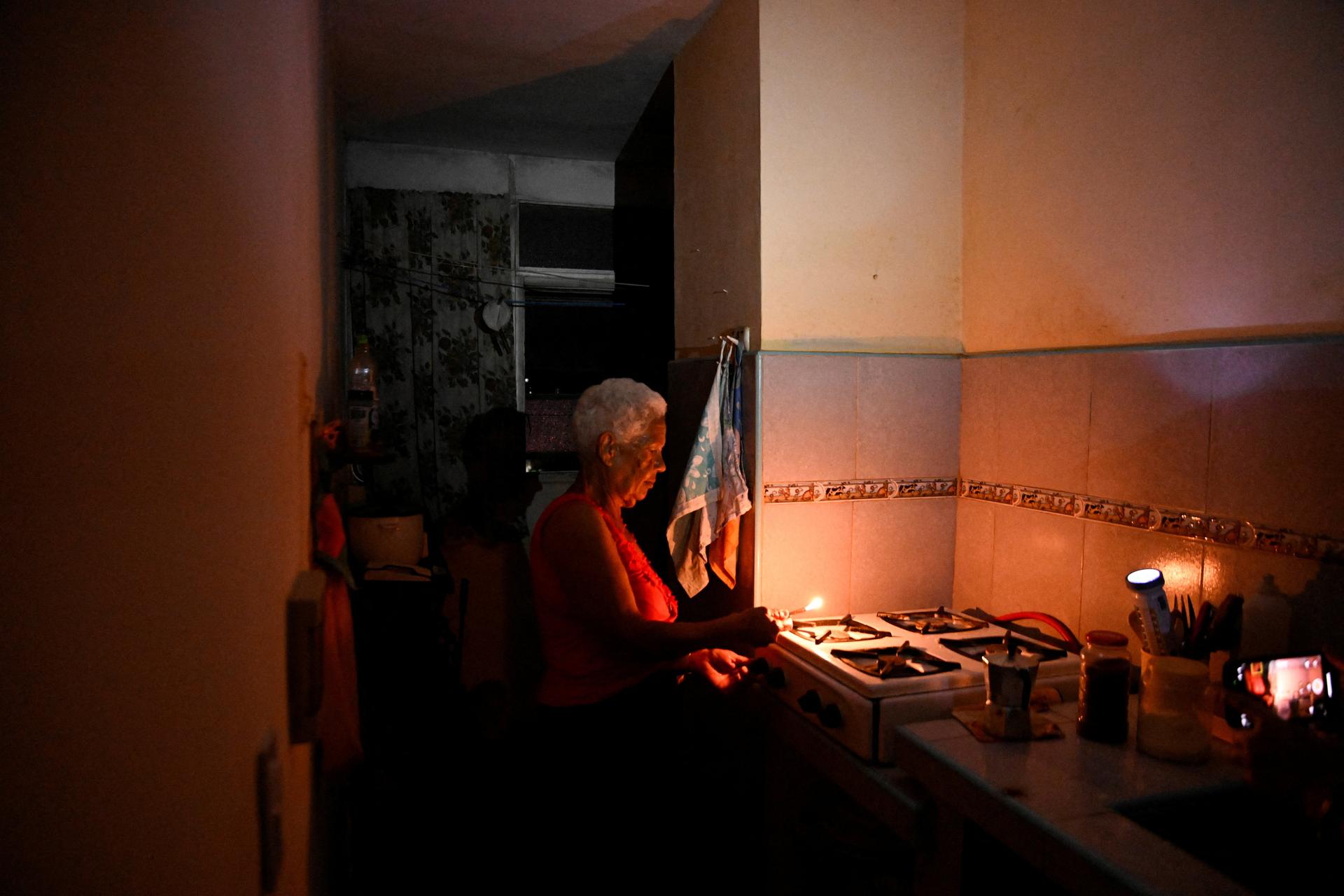
Gladys Valdes prepares coffee during a blackout as Cuba's grid collapsed leaving people without power amid a U.S.-imposed oil blockade. Havana, Cuba. REUTERS/Norlys Perez |
-
Cuba electricity: Cuba's national electric grid collapsed on Monday, the country's grid operator UNE said, leaving around 10 million people without power amid a U.S.-imposed oil blockade that has crippled the Caribbean island's power. Cuba has received only two small vessels carrying oil imports this year, according to LSEG ship tracking data seen by Reuters on Monday.
-
Slavery reparations: Ghana, a prominent advocate of reparations in Africa, intends to propose a United Nations resolution recognizing transatlantic slavery as the "gravest crime in the history of humankind", calling for reparations. The plan marks a new step in Africa's efforts to seek accountability for historical injustices by former colonial powers and the country hopes it will "enjoy the support of many member states". Click here for the full Reuters story.
-
Kenyans in Russia-Ukraine war: Kenyan Foreign Minister Musalia Mudavadi and his Russian counterpart Sergei Lavrov agreed that Kenyan nationals would no longer fight for Russia in Ukraine. A Kenyan intelligence report presented to lawmakers said that more than 1,000 Kenyans had been recruited to fight on Russia's side in the war in Ukraine. Families want more action to bring the recruits home but African governments such as Kenya wish to avoid angering Moscow. Click here for the full story.
-
Indonesia activist acid attack: Indonesian police said they are investigating an acid attack on an activist with the rights group Commission for Missing Persons and Victims of Violence, known as KontraS. Andrie Yunus, who is known for his opposition to the military's expanded role in civilian affairs, suffered burns to 24% of his face and arms from acid thrown by two unidentified assailants on a motorcycle on March 12, KontraS and police said. The incident drew condemnation from local and international rights groups.
- Russia attack on hydroplant: A Russian attack on a hydroelectric plant in southern Ukraine triggered an oil spill and polluted water systems in neighbouring Moldova, with supplies cut completely in the country's third-largest city, officials said. President Maia Sandu said she held Russia responsible for the pollution in the Dniestr River.
|
|
|
Bishal Thapa, Chief Strategy & Impacts Officer at international non-profit organization CLASP, shares his thoughts on India’s LPG crisis and the shift to clean energy: "In many developing countries, in places without piped gas in homes, liquefied petroleum gas (LPG) is a widely used cooking fuel.
“LPG has been used to shift people away from cooking with biomass (i.e., wood, charcoal, agricultural and forestry residue), which are infinitely worse for health and air quality. “Long before this crisis erupted, LPG importing countries were acutely aware that cooking gas was a huge drain on their foreign exchange reserves and a major source of concern for current account deficits.
“However, what this moment has done is made bare just how real, deep and critical the cooking fuel vulnerability is. “Perhaps the only thing worse than not having any food to eat is not having the fuel to cook the food to eat. “For households, anything that jeopardizes the ability to cook and eat will have an impact on wellbeing.
“For governments responding to this challenge, the urgent focus is likely to be on filling cooking fuel supply gaps by whatever means possible. “It is important now that our collective efforts are on responding to the immediate needs of people, even as we continue to draw out the larger lessons on why a transition to the use of cleaner energy in cooking is a good strategy, both for consumer choice and energy security.
"Electric cooking offers a clean, safe, affordable cooking option for people with access to electricity and should be an attractive option for many countries reliant on imported fossil fuels (like LPG or natural gas).” |
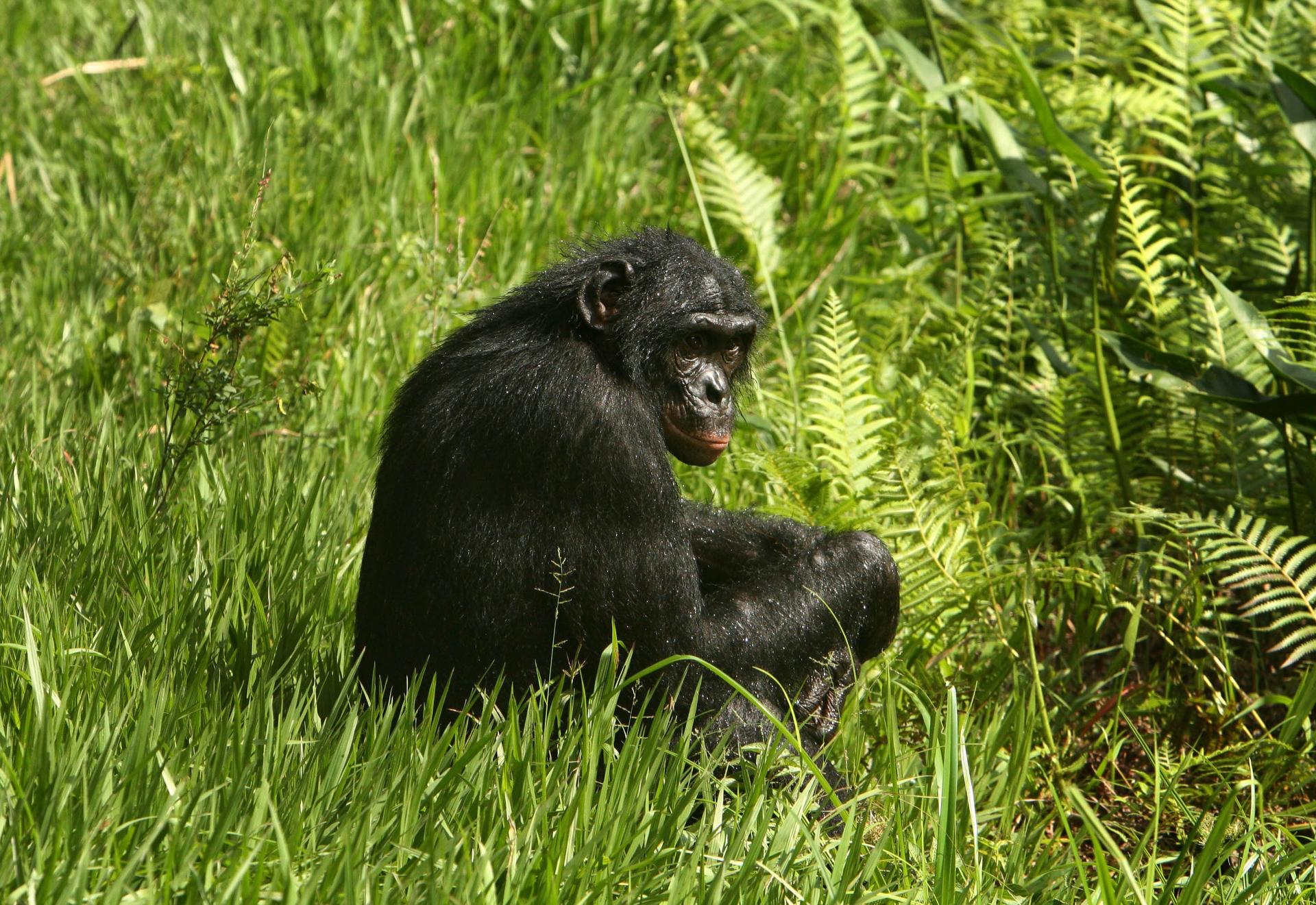
A bonobo ape sits in the grass at Lola Ya Bonobo sanctuary just outside the capital Kinshasa, Democratic Republic of Congo. REUTERS/Goran Tomasevic |
Today’s spotlight remains on conflict, but this time in the animal kingdom as scientists debunk the Bonobos’ reputation of being the cool hippies of the simian world.
Researchers tabulated aggressive behavior such as charging, hitting, biting, slapping, kicking and trampling among 22 groups of bonobos and chimpanzees – the two species that are the closest genetic relatives of humans – at 16 European zoos. The statistics showed no difference between bonobos and chimpanzees in the rate of aggressive behavior – contact or non-contact.
|
|
|
|