Greetings from London! Hopes for a short war in the Middle East are fading fast. Iran’s decision to shut down the Strait of Hormuz – through which a fifth of the world’s oil travels by ship – will take a while to trickle down to car-buying behavior. Whether or not high fuel prices push consumers toward more fuel-efficient vehicles remains to be seen. But at a minimum, driving habits could change.
And in a world beset by economic uncertainty, some new car buyers may decide to sit on the fence until the war is over and oil prices start to fall again. Which brings us to today’s Auto File… |
|
|
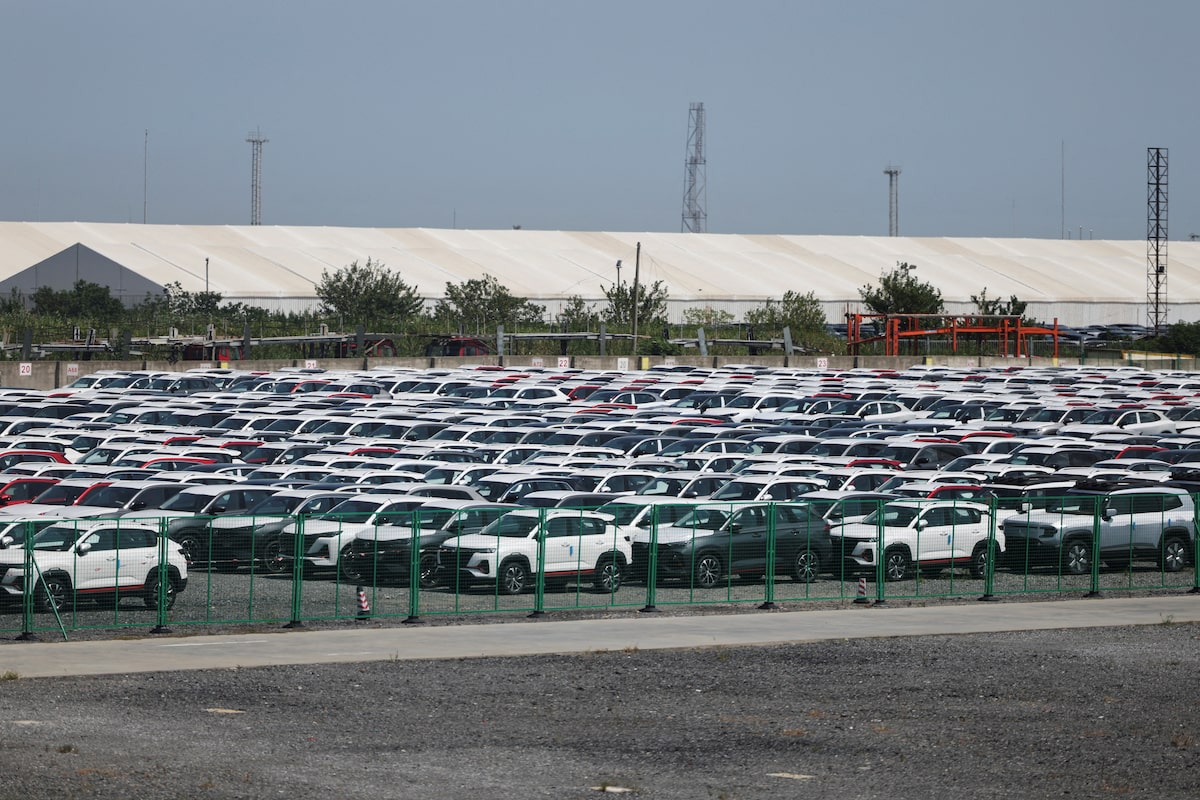
The U.S. auto industry wants these Chinese cars kept out - REUTERS/Go Nakamura. |
President Donald Trump has worked to shield the U.S. auto industry from outside competition during both his terms in office, as did President Joe Biden – with high tariffs and a looming ban on Chinese software and hardware. Yet Trump has also flirted with allowing in Chinese automakers, saying in January he was open to letting them build U.S. factories. But as Reuters colleague David Shepardson reports, major U.S. auto industry lobby groups have urged the Trump administration to keep Chinese automakers out.
You can read all about it here. The groups said in a letter that “China’s ongoing efforts” to dominate the global industry and enter the U.S. market “pose a direct threat to America’s global competitiveness, national security, and automotive industrial base."
That presents a remarkable contrast to Europe’s automakers, who unsuccessfully resisted European Union tariffs on Chinese-made EVs in 2024. |
|
|
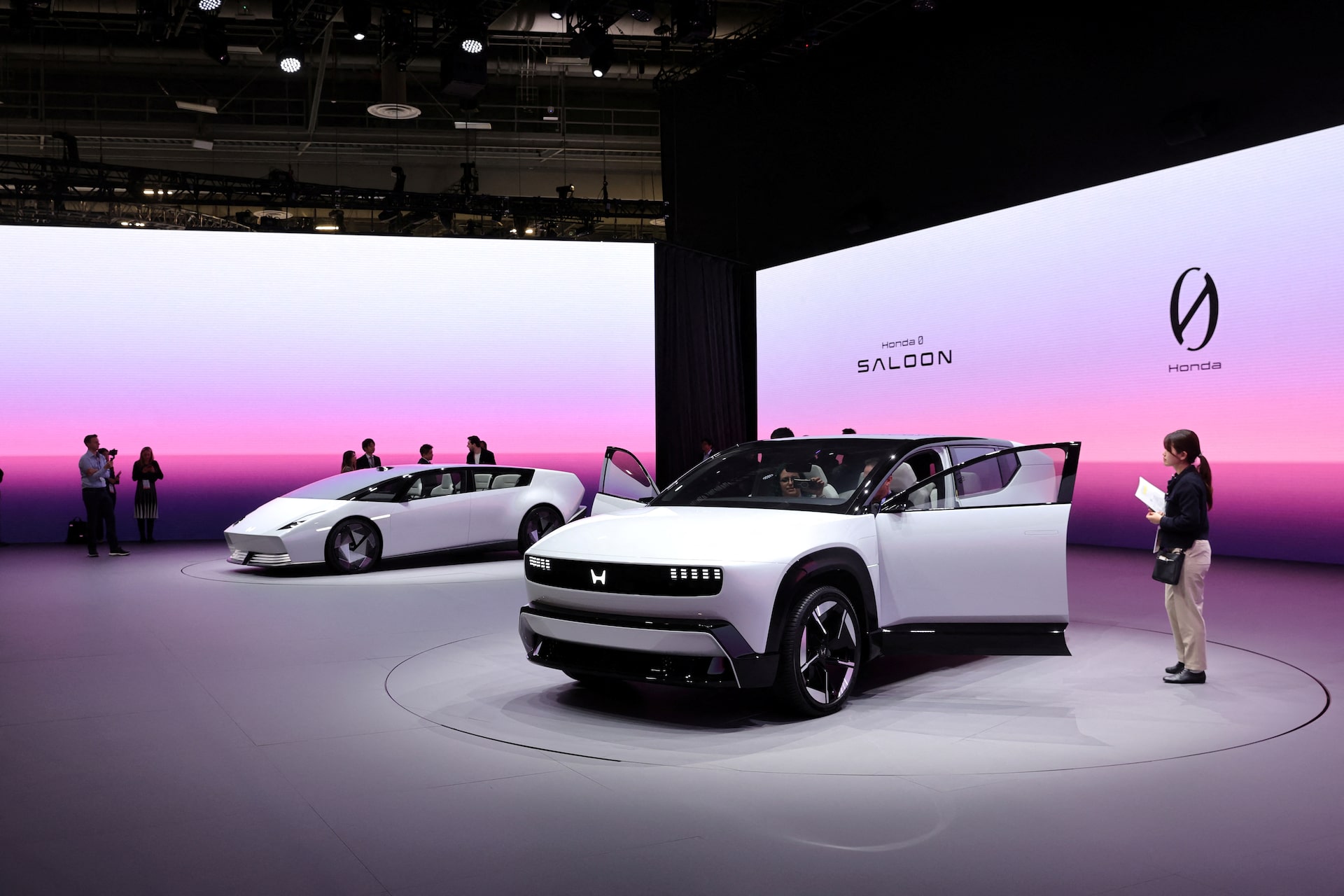
Honda has struggled with EVs - REUTERS/Steve Marcus. |
Honda joined a growing number of automakers booking large EV writedowns related to weak U.S. demand, announcing up to $15.7 billion in restructuring costs that will cause its first annual loss in almost 70 years as a listed company. But as Reuters colleagues Daniel Leussink and Maki Shiraki report, the company’s biggest challenge comes not from U.S. tariffs, but intensifying competition from Chinese EV makers. You can read all about it here.
But while Honda appears to be clearing the decks and putting the worst behind it in the U.S. market, fixing its China business may prove a more daunting challenge.
The automaker warned of its inability to keep up with newer companies in China, particularly because of their shorter development cycles and strength in software-driven vehicles, including advanced driver-assistance systems. In China, the world's largest auto market, Honda has launched several battery-powered models, but it sold only 17,000 last year, accounting for just 2.5% of its sales of around 677,000 vehicles in the country. |
|
|
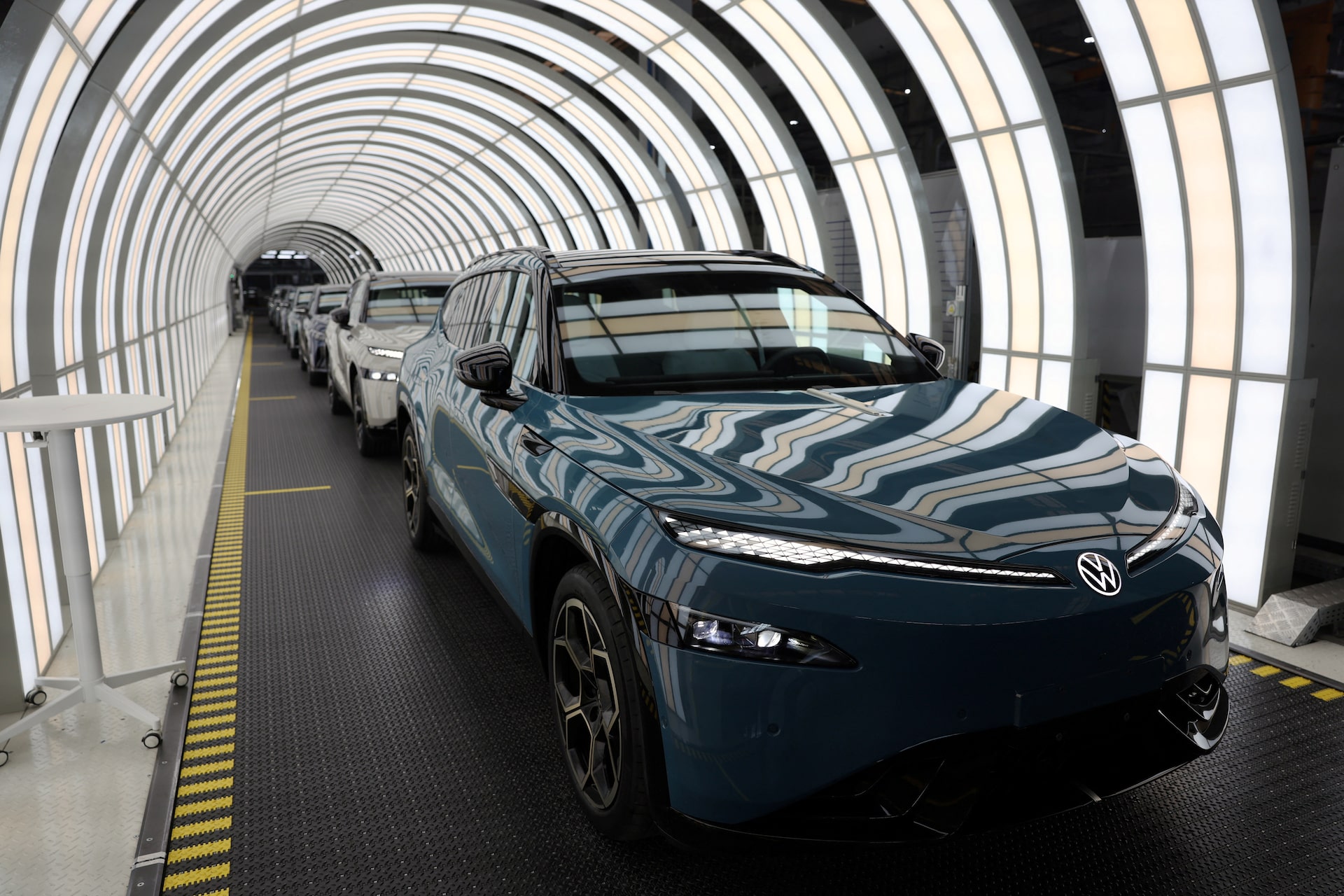
Volkswagen is back on top in China - REUTERS/Florence Lo. |
Volkswagen on top in China |
Fading subsidies for EVs in China have had a fascinating effect, where Volkswagen has regained the top sales spot for the first two months of the year. Volkswagen was China’s No. 1 automaker for a quarter of a century until it was knocked into second place by BYD in 2024 and then into third place behind Geely in 2025. But as purchase tax exemptions on electric cars expire and Beijing scales back subsidies for trading in EVs, that has upended the market. Those changes saw BYD knocked back into fourth place in the first two months of the year.
Whenever the Chinese government has pulled back EV subsidies, consumers have flocked to combustion-engine and hybrid models, then returned to EVs when the subsidies are reinstated. So it remains to be seen whether the government will hold the line on its latest moves to kill off subsidies. |
|
|
The U.S. car market has had an affordability problem for years, with many consumers priced out of new models.
As Reuters colleagues Nora Eckert and Kalea Hall report, this is because U.S. automakers offer relatively few budget vehicles, instead filling showrooms with bigger, more upscale models, raising the average car’s selling price to around $47,000.
The trend has helped automakers generate larger profits despite lower vehicle sales in recent years. Over the years, the traditional Detroit carmakers – GM, Ford and Stellantis – phased out many smaller, entry-level U.S. models in favor of more trucks and SUVs.
But the trend toward fancier vehicles on the new-car lot is a stark example of the so-called K-shaped U.S. economy: More affluent consumers are driving a larger share of spending, while middle- and lower-income people have been relegated to the used-car lot. |
|
|
Nissan, Uber and British startup Wayve said they will collaborate on developing robotaxis, aiming to roll out a pilot programme in Tokyo by late 2026.
EV maker Lucid said it expects to turn cash flow positive late this decade and laid out a roadmap for affordable cars and autonomy, unveiling a two-seater robotaxi concept without a steering wheel and pedals.
Vietnamese EV maker VinFast said its fourth-quarter net loss widened from a year earlier as it increased impairment charges related to its U.S. plant, where it aims to resume construction this year.
Chinese EV maker Leapmotor expects to launch mass production of its vehicles in Spain starting in October, while some of its projects with Stellantis have reached "advanced negotiation stages."
Swedish automaker Volvo Cars will discontinue the EX30, a small electric SUV, and the EX30 Cross Country in the United States later this year.
EV maker Rivian will begin delivering its more affordable R2 line of SUVs this spring with a variant priced at $57,990 and roll out cheaper options by 2027 as it looks to widen its customer base and take on Tesla's best-selling Model Y.
Think your friend or colleague should know about us? Forward this newsletter to them. They can also subscribe here. |
|
|
|