
Fellow prepper,
‘The Lost Frontier Handbook’ is back in stock… and I’m holding a copy for you…
Click Here to Claim Yours NOW
It’s ready to ship, but you MUST hurry…
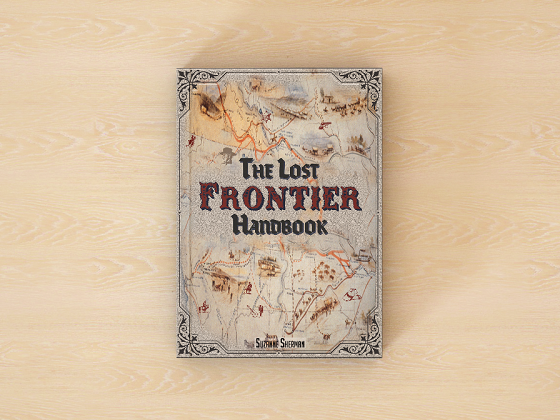
Because this book never stays in stock for long, and I can’t promise I’ll be able to hold onto yours past midnight tonight…
Especially as I’ve cut the price by $94. For this book, and all the great bonuses you’ll get.
Just click below, fill in your info and I’ll ship one straight to you…
Everything you need to survive a SHTF crisis is inside. But it’ll be worthless unless you act now.
Send Me My Book! Before Time Runs Out
Remember, we’re all in this together.
God bless,
Suzanne Sherman,

ers, also known as blossoms and blooms, are the reproductive structures of flowering plants. Typically, they are structured in four circular levels around the end of a stalk. These include: sepals, which are modified leaves that support the flower; petals, often designed to attract pollinators; male stamens, where pollen is presented; and female gynoecia, where pollen is received and its movement is facilitated to the egg. When flowers are arranged in a group, they are known collectively as an inflorescence. The development of flowers is a complex and important part in the life cycles of flowering plants. In most plants, flowers are able to produce sex cells of both sexes. Pollen, which can produce the male sex cells, is transported between the male and female parts of flowers in pollination. Pollination can occur between different plants, as in cross-pollination, or between flowers on the same plant or even the same flower, as in self-pollination. Pollen movement may be caused by animals, such as birds and insects, or non-living things like wind and water. The colour and structure of flowers assist in the pollination process. After pollination, the sex cells are fused together in the process of fertilisation, which is a key step in sexual reproduction. Through cellular and nuclear divisions, the resulting cell grows into a seed, which contains structures to assist in the future plant's survival and growth. At the same time, the female part of the flower forms into a fruit, and the other floral structures die. The function of fruit is to protect the seed and aid in its dispersal away from the mother plant. Seeds can be dispersed by living things, such as birds who eat the fruit and distribute the seeds when they defecate. Non-liv