Hi Huju,
Donald Trump has called climate change a Chinese hoax, pulled the US out of the Paris agreement (twice) and recently arranged to pay TotalEnergies $1 billion not to build two wind farms planned off the east coast. But his war with Iran, paradoxically, might end up accelerating climate action.
The US attacks on Iran have killed hundreds of people and cost billions of dollars. In response, Iran has shut down the Strait of Hormuz to almost all tanker traffic, spiking fossil fuel prices. Brent crude oil jumped from $70 to more than $100, and natural gas prices have almost doubled in many regions. |
| |
|
Hi Huju,
Donald Trump has called climate change a Chinese hoax, pulled the US out of the Paris agreement (twice) and recently arranged to pay TotalEnergies $1 billion not to build two wind farms planned off the east coast. But his war with Iran, paradoxically, might end up accelerating climate action.
The US attacks on Iran have killed hundreds of people and cost billions of dollars. In response, Iran has shut down the Strait of Hormuz to almost all tanker traffic, spiking fossil fuel prices. Brent crude oil jumped from $70 to more than $100, and natural gas prices have almost doubled in many regions. |
| |
In the short term, countries are burning more coal. But in the long term, the energy crunch will speed up the green transition, analysts say. Just as the war in Ukraine has accelerated renewables in Europe, this war could be the “Ukraine moment” for Asian economies dependent on Middle Eastern liquified natural gas. Already, South Korea has said it would fast-track clean energy permitting.
Scaling up renewable energy, electric vehicles and heat pumps could allow countries to cut fossil fuel imports by 70 per cent, a recent Ember report says. And even in oil-producing countries like the United States, drivers are facing high prices at the pump, which should gradually boost EV sales.
Renewable energy projects are cheaper than fossil fuel projects in most places, and the Iran war will spur utilities to invest in them sooner rather than later. Even if oil prices unexpectedly go down, the conflict has made the case that green energy is also more secure. Other countries will move forward, and Trump will be left tilting at windmills. |
|
|
Food shock is inevitable due to the war on Iran – and it could be bad |
|
|
dpa picture alliance/Alamy |
|
|
The conflict in the Strait of Hormuz has impacted not only shipments of fossil fuels, but also the 15 per cent of global fertiliser made with the abundant natural gas in Qatar. It’s raised the price of the fossil fuel naphtha too, which serves as a feedstock for pesticides. Global food prices are already near the peak they reached in the 1970s. Has Trump’s war on Iran put us on track for the worst food shock ever? Read more.
|
|
|
Route-planning AI cut climate-warming contrails on over 100 flights |
Restructuring our entire energy system is a thorny problem. Yet sometimes there are easy wins. A trial that allowed air traffic dispatchers to choose a route less likely to generate contrails reduced the global warming caused by nighttime flights, with no extra fuel cost. Airlines, what are you waiting for? Read more. |
|
|
Shift in the Gulf Stream could signal ocean current collapse |
The Atlantic Meridional Overturning Circulation, the system of ocean currents that keeps Europe temperate, appears to be slowing and could even collapse, but there’s little agreement if that could happen within decades, or centuries. The good news is an abrupt northward shift in the Gulf Stream could tip us off to an upcoming AMOC collapse. The bad news is the Gulf Stream is already beginning to shift … Read more.
|
|
|
Cancer-causing chemical found to be leaking from gas cookers |
We’ve known that cooking with gas poses risks to human health. But what the stove does when it’s off can also be a problem. Researchers have collected samples from kitchens with gas cookers in the UK, the Netherlands and Italy, and the frequency of potentially harmful benzene leaks might surprise you. Read more. |
|
|
Spreading crushed rock on farms could absorb 1 billion tonnes of CO2 |
The reaction of silicate rocks with rainfall has been naturally taking CO2 out of the atmosphere for aeons. Spreading rock like basalt on farm fields – a technique that may also help improve crop yields – could remove 1.1 billion tonnes of CO2 annually by 2100, according to a new estimate. But factors like soil acidity could potentially change the entire picture. Read more.
| |
|
Warmer ocean is driving the Antarctic sea ice 'regime shift' |
While Arctic sea ice has been shrinking for decades, Antarctic sea ice was actually expanding – until it began suddenly receding after 2015. Some scientists have put this on atmospheric warming, while others thought it was something in the ocean. Thanks to a dataset of temperature and salinity collected by ocean floats and even some sensors placed on wild seals, two teams of researchers now think they know what is to blame. Read more.
|
|
|
Why global warming is accelerating and what it means for the future |
Climate models have found that temperatures are rising faster now than they were in previous decades. But the past three years seem to have been even hotter than climate models would have projected. Is that because reductions in pollution are unmasking hidden warming? Or is it just natural variability in the weather? Read more. |
|
|
Is geothermal energy on the cusp of a worldwide renaissance? |
The UK’s first geothermal power plant has just opened in Cornwall and experts are bullish that geothermal, a type of renewable energy that can produce electricity even on cloudy, windless days, may help us complete the transition away from fossil fuels. Ironically, that’s thanks to drilling technology that was developed by the oil and gas industry. Read more.
|
|
|
Sea levels around the world are much higher than we thought |
We think of sea level as a single fixed entity. In reality, it varies with the shape of the earth and the movement of the ocean. And 90 per cent of research into the impacts of sea level rise has been starting with the wrong baseline – which means these impacts could happen even sooner than predicted. Read more. |
|
|
I was accused of killing over 100 million rabbits across Australia |
In 1995, a virus being tested on an isolated island to control Australia’s invasive rabbits popped up in two far-flung towns on the mainland, and the government announced the only people who had been to both these two towns was newspaper reporter James Woodford and his photographer. Woodford, who is now a journalist at New Scientist, recounts how he briefly became a national villain, and why he ended up as something of a national hero. Read more.
|
|
|
Clever picks for all ages |
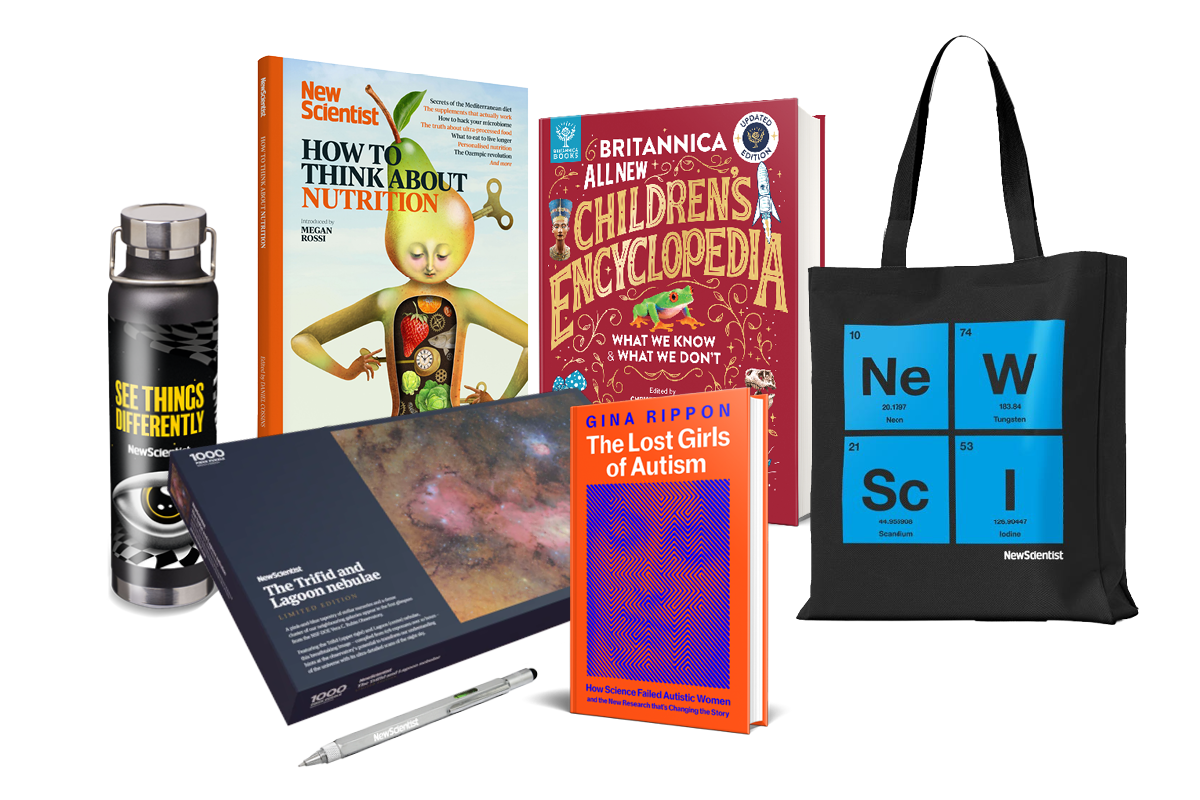
Discover our carefully curated collection of science-inspired gifts, books, games and gadgets - designed to spark curiosity and wonder. Shop now
|
| |
|
How our ancestors used mushrooms to change the course of human history |
|
|
Archaeologists have long struggled to uncover evidence of ancient mushrooms, which dissolve easily and are lost to time. But new methods are uncovering fragments of DNA and bog-preserved mushrooms, showing how this once-hidden kingdom shaped the course of human history. Mushrooms were used to spark fires in the first known portable fire kits, and fungi were used to brew alcohol, creating the social lubricant for religious and political gatherings thousands of years earlier than previously realised. There's also evidence that they were used as tools for fishing, as well as being a key part of diets. Read more.
|
|
|
How To Think About The Human Mind |
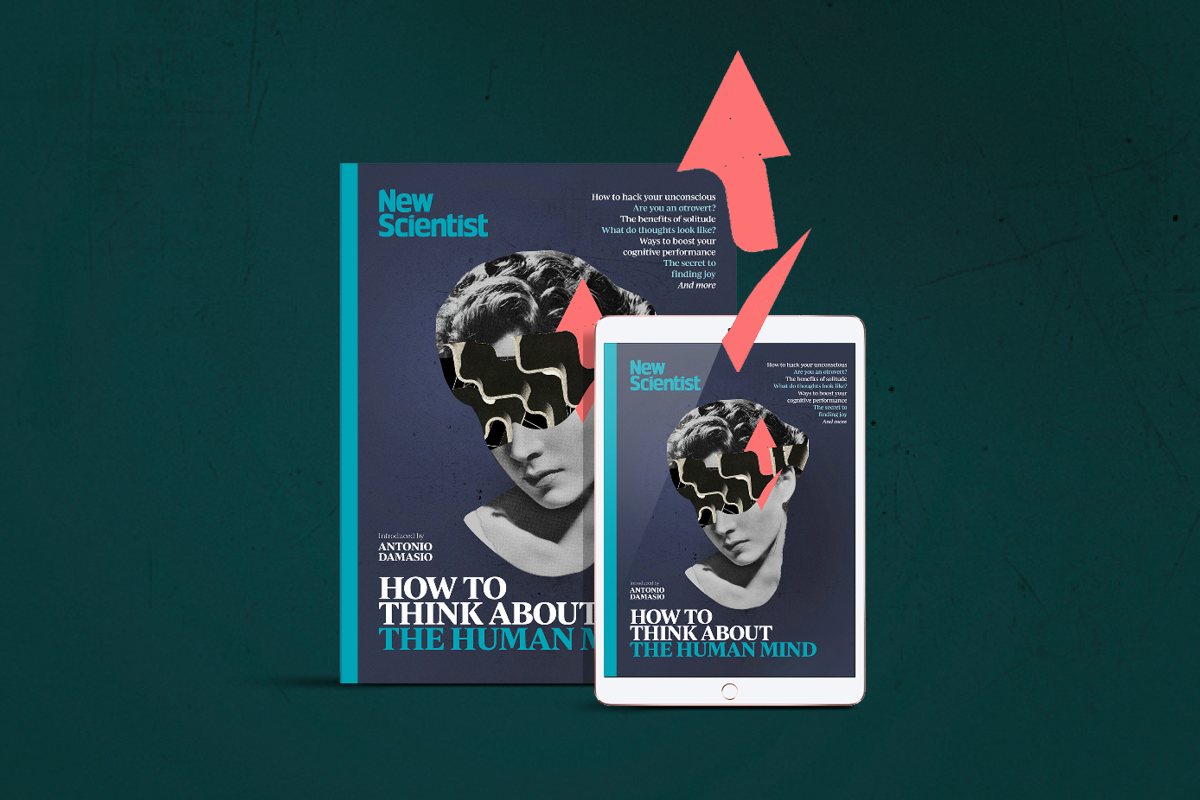
Guided by experts, in this sixth instalment of our How To Think About series, examine how the mind works, how it differs from others' and how it can easily trick us. Shop now
|
| |
|
Get the most from our newsletters |
Health Check: Expert insight and news on scientific developments in health, nutrition and fitness, every Saturday. Sign up |
|
|
|