Image

Daily News Brief

April 1, 2026

Welcome to CFR’s Daily News Brief. Today we’re covering Israel’s newly announced plans to remain in Lebanon, as well as...

  • Japan’s long-range missile deployment
  • Trump’s threat to leave NATO
  • Indonesia’s fuel rationing


Top of the Agenda

Israel plans to destroy multiple Lebanese border towns and maintain its occupation of southern Lebanon after its ground invasion ends, Defense Minister Israel Katz said yesterday. The fighting between Israel and Hezbollah in southern Lebanon has been some of the deadliest of the regional conflict and has escalated even as senior U.S. officials said yesterday they are looking to wind down the Iran war. Lebanese officials have condemned Israel’s military campaign within their borders and called for international intervention to stop it. Ten European countries and the European Union (EU) jointly called for a ceasefire yesterday and for Lebanon’s territorial integrity to be respected.


The latest on the Lebanon front. Israel’s plans for a so-called security zone would cover almost one-tenth of Lebanon and bar some six hundred thousand people from returning to their homes. Katz said yesterday that Israeli forces would remain in the area until Israel deems itself secure from Hezbollah and that Israel planned to use the same tactics in Lebanese border towns that it used in parts of Gaza. More than 1,200 people have been killed in Lebanon and more than one million displaced, according to the United Nations, while thirteen Israelis have been killed in the fighting.


The latest on the Iran front. U.S. President Donald Trump said yesterday the United States would be done with the war in “two to three weeks,” and hinted a U.S. exit could come before the reopening of the Strait of Hormuz. China and Pakistan issued a joint statement calling for a ceasefire and offering to facilitate peace talks. Iranian Foreign Minister Abbas Araghchi told Al Jazeera that Tehran sought a full end to the regional war rather than a ceasefire, even as military hostilities continue to expand. Israel struck a pharmaceutical plant in Iran yesterday, while Iran’s Islamic Revolutionary Guard Corps said it planned to attack a slew of U.S. tech companies operating in the region. Meanwhile, the United Arab Emirates is weighing joining the war to help the United States reopen the Strait of Hormuz, the Wall Street Journal reported.   


“This Lebanese front is a serious undertaking for an [Israeli military] that is already stretched…The kind of a large-scale ground invasion, this displacement we're seeing, the potential humanitarian crisis—all of this is at the expense of the Lebanese people.”

—CFR Senior Fellow Elisa Ewers in a CFR video


As the U.S. Co-Hosts the World Cup, Much of the World Can’t Attend

A man walks down a Mexico City sidewalk past a mural celebrating the FIFA World Cup 2026. The competition will kick off with the opening game at Mexico City’s iconic Azteca Stadium, newly renamed the Banorte Stadium, on June 11.

Carl De Souza/AFP/Getty Images

As tensions simmer between the United States and several participating countries, questions abound over how the tournament will play out both on and off the field, CFR’s Mariel Ferragamo writes in this article.


Across the Globe

U.S. tensions with European allies… Trump told the Telegraph in an interview published today that he is considering pulling the United States out of NATO over tensions with European allies over the Iran war. NATO allies have resisted Trump’s calls to join the war and forcefully reopen the Strait of Hormuz. Italy denied U.S. warplanes permission to land in Sicily, multiple outlets reported yesterday, while Spain on Monday blocked its airspace to U.S. planes involved in the conflict. Trump also criticized France on social media yesterday, claiming it blocked planes going to Israel from its airspace.


…and their responses. Following Trump’s post, an unnamed French official told the New York Times that France had not closed its airspace to U.S. planes. United Kingdom Prime Minister Keir Starmer yesterday reiterated the country’s desire not to get “dragged into” the war and said he would seek closer ties with the EU.


Mounting war costs. Fighting in the Middle East could cost Arab countries between $120 billion and $194 billion in lost economic output, the United Nations Development Program estimated in a new report this week. That amounts to a regional GDP decline of between 3.7 and 6 percent. The calculations were made based on the first month of the war.


Indonesia’s fuel rationing. Jakarta announced a cap yesterday on how much fuel private drivers can buy per day, as well as work-from-home requirements for non-essential government employees. The measures are a response to rising energy prices. The policy takes effect today and is due to be reviewed every two months.


Japan’s long-range missiles. Japan deployed its first long-range missile—capable of reaching mainland China—at an army camp in the country’s southwest yesterday. The ability to strike enemy bases represents a departure from the traditional self-defense focus of Tokyo’s postwar security doctrine. It plans to deploy even longer range Tomahawk missiles on a destroyer ship later this year. 


U.S. journalist kidnapped in Iraq. Iraq’s interior ministry and the U.S. State Department said yesterday they were working to secure the release of a U.S. journalist kidnapped in Baghdad. News site Al-Monitor identified her as Shelly Kittleson, one of their contributors. A State Department official said someone with ties to Iranian-aligned Kataib Hezbollah was believed to be involved in the kidnapping. 


France-Japan rare earth cooperation. The two countries agreed to cooperate on securing rare earth supply chains today during French President Emmanuel Macron’s visit to Tokyo. As part of those efforts, they will procure raw minerals to be refined in southern France, Japanese public broadcaster NHK reported. France’s finance minister said the initiative was meant to reduce both countries’ reliance on China. 


Malaysia’s sovereign wealth scandal. A Malaysian court ordered former Prime Minister Najib Razak yesterday to pay around $1.3 billion for misusing public money as part of a case related to embezzlement at the country’s sovereign wealth fund. Najib has been serving multiple concurrent jail sentences related to his activities regarding the fund.


Critical Minerals From the Ground Up

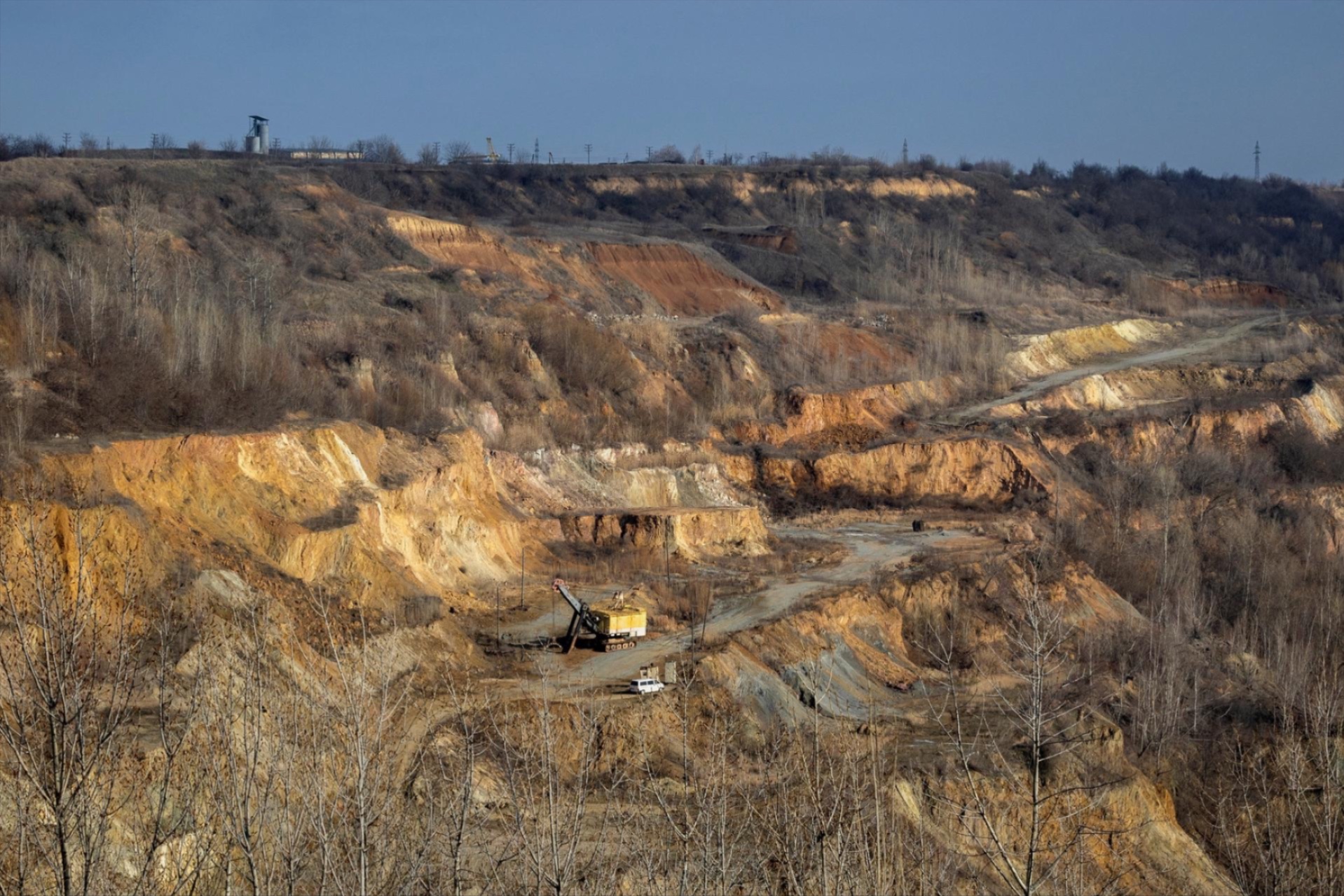
A general view shows the open pit mine of Zavallievsky Graphite, amid Russia’s attack on Ukraine, in Zavallia, Ukraine, February 10, 2025.

Thomas Peter/Reuters

Federal policy on critical minerals introduces opportunities across the United States to spur innovation, attract investment, and strengthen domestic processing and manufacturing capacity. CFR Senior Fellow Heidi Crebo-Rediker and the Nevada Governor’s Office of Economic Development’s Thomas Burns discussed them in this State and Local Officials Webinar.


What’s Next

  • Today, the U.S. Supreme Court hears arguments in a case about birthright citizenship in Washington, DC.

  • Today, Armenian Prime Minister Nikol Pashinyan visits Moscow.

  • Tomorrow, Macron begins a visit to South Korea.


Trump’s ‘Maximum Pressure’ Campaign on Cuba, Explained

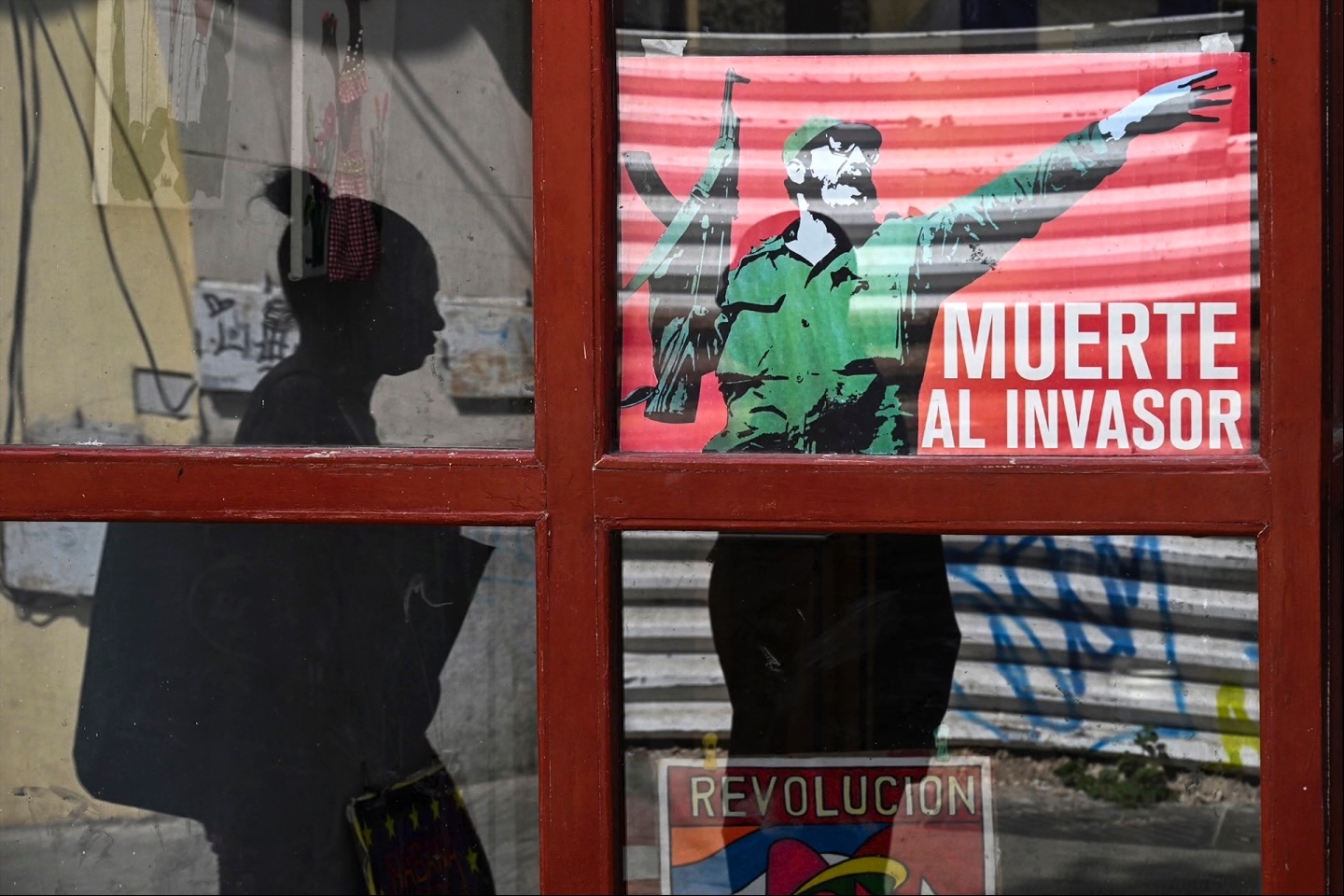
A woman walks past a poster of late Cuban leader Fidel Castro reading, “Death to the invader” in Havana, on March 13, 2026.

Yamil Lage/AFP/Getty Images

The administration is enacting a pressure campaign aimed at driving significant economic and political change on the communist-led island, CFR’s Diana Roy writes in this article.


Council on Foreign Relations

58 East 68th Street, New York, NY 10065

1777 F Street, NW, Washington, DC 20006

Was this forwarded to you? Subscribe to the Daily News Brief

FacebookTwitterInstagram