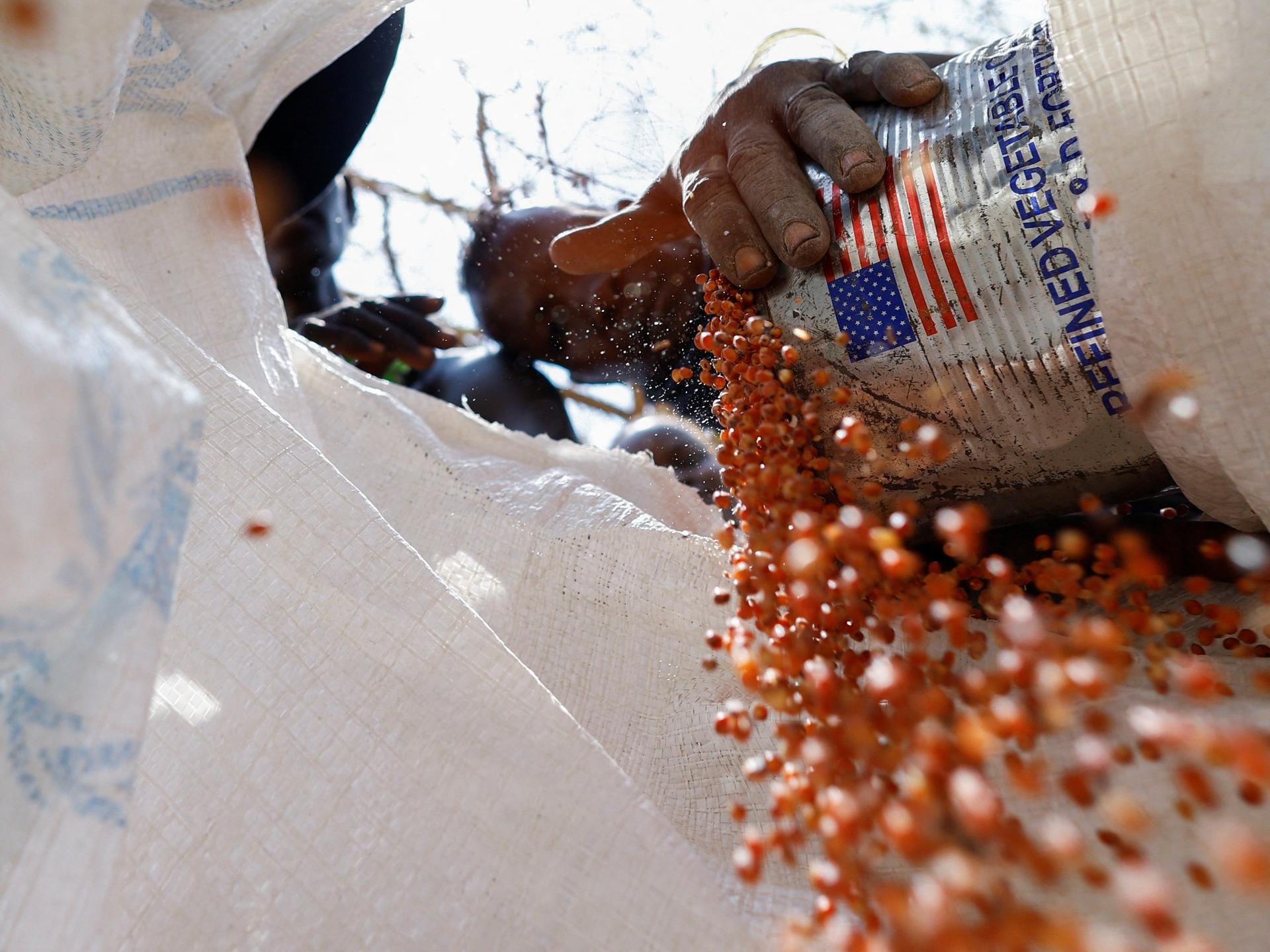
As war in the Middle East continues to disrupt supply chains, damage essential infrastructure, and drive migration, the World Food Program states an additional 45 million people could be pushed into acute hunger this year if the conflict continues. But that suffering could be averted by learning from the recent past.
To lead this week’s edition, CFR International Affairs Fellow Sam Vigersky and Program Coordinator Anya Hirschfeld explain how the spiraling crisis has a modern precedent: the crop and fertilizer shortages caused by Russia’s full-scale invasion of Ukraine. They outline what the United Nations and other players could do immediately to replicate the successful interventions that helped food-insecure countries in 2022.
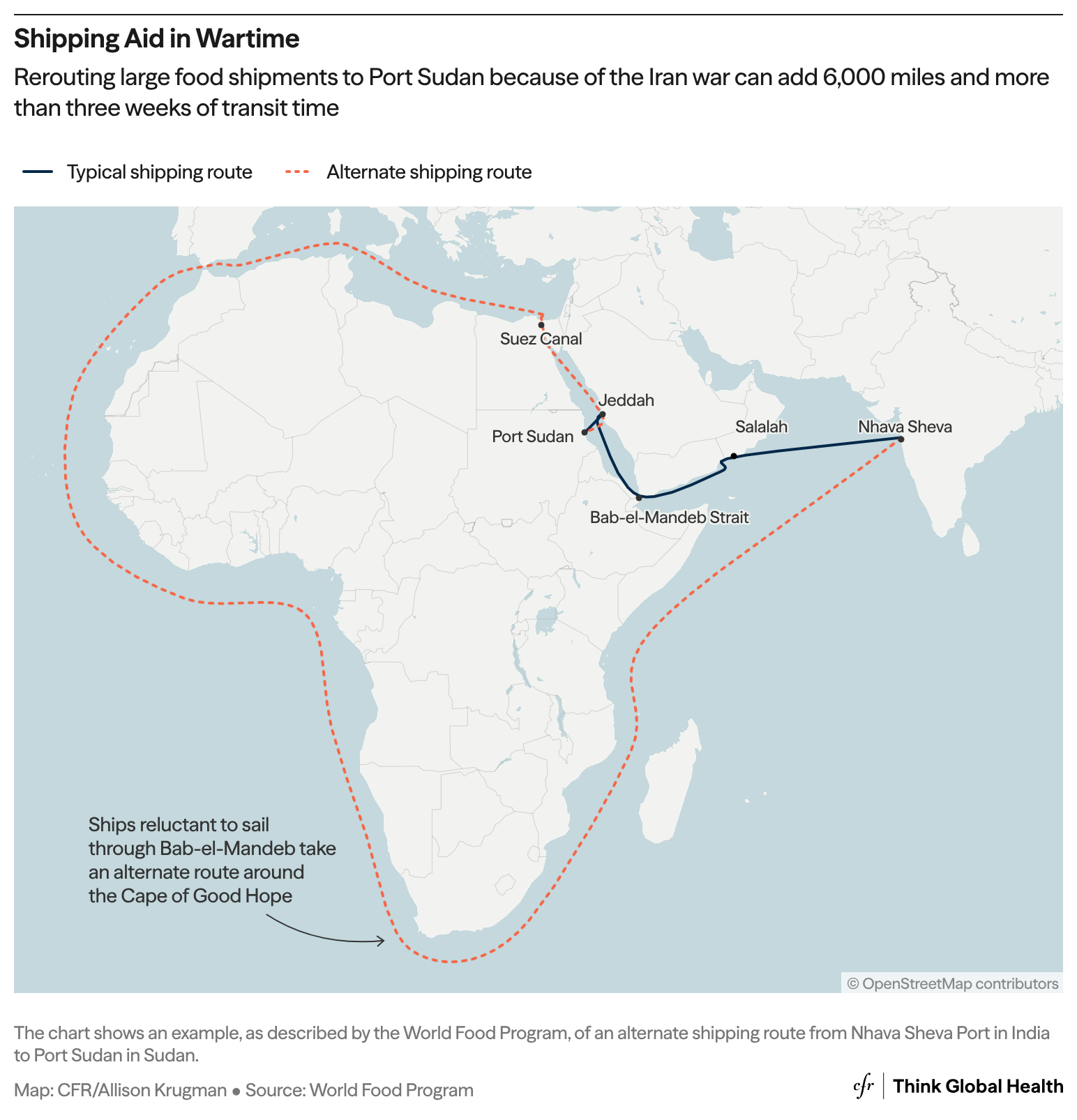
To illustrate how the current disruptions are unfolding, TGH Data Visuals Editor Allison Krugman offers three charts depicting how the conflict is delaying shipments of essential medications and food, spiking fuel prices, and aggravating already dire humanitarian crises.
Switching gears to tech, a cadre of authors, led by Ilona Kickbusch of the Geneva Graduate Institute’s Global Health Centre, unpacks India’s new strategy for artificial intelligence (AI) in health care.
In January, the Trump administration expanded the Global Gag Rule—now called the Promoting Human Flourishing in Foreign Assistance policy—to prohibit funding for organizations that provide gender-affirming care. As 160 countries adapt to the new restrictions, Jessica Oga and Moses Mulumba from Afya na Haki write that under the expanded policy, African institutions must choose between governing health through a normative legal order, anchored in ubuntu and regional human rights duties—or reorganizing themselves to pass foreign ideological tests.
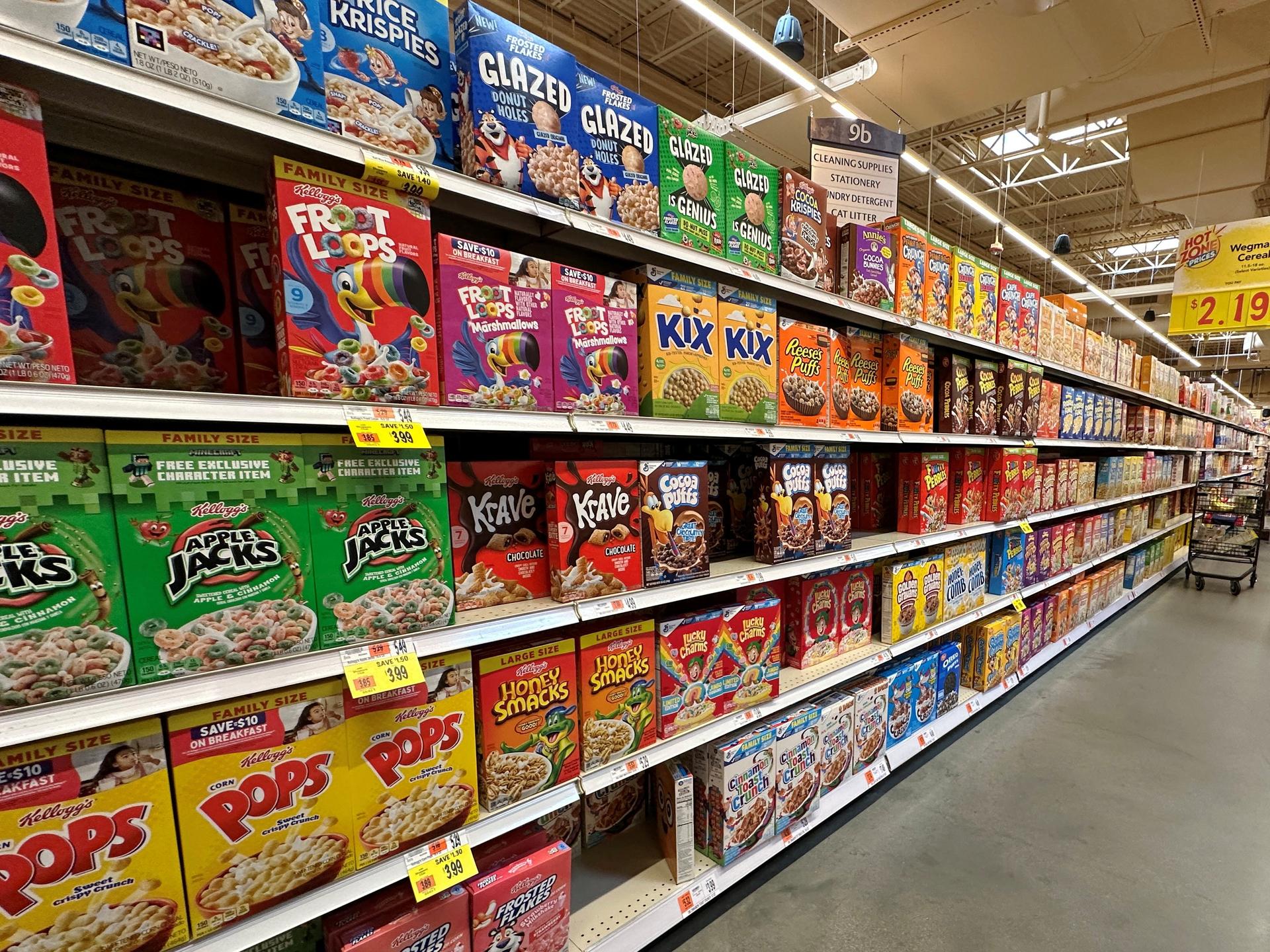
To wrap up, researchers Ashley N. Gearhardt, Kelly D. Brownell, and Allan M. Brandt draw on their recent study in Milbank Quarterly about how food corporations use Big Tobacco’s playbook to engineer ultra-processed foods for dependency rather than nourishment.
Until next week!—Nsikan Akpan, Managing Editor, and Caroline Kantis, Associate Editor