| | Middle East mediators race to a new Trump deadline, Cuba frees political prisoners, and the West tak͏ ͏ ͏ ͏ ͏ ͏ |
| |  | Flagship |  |
| |
|
The World Today | 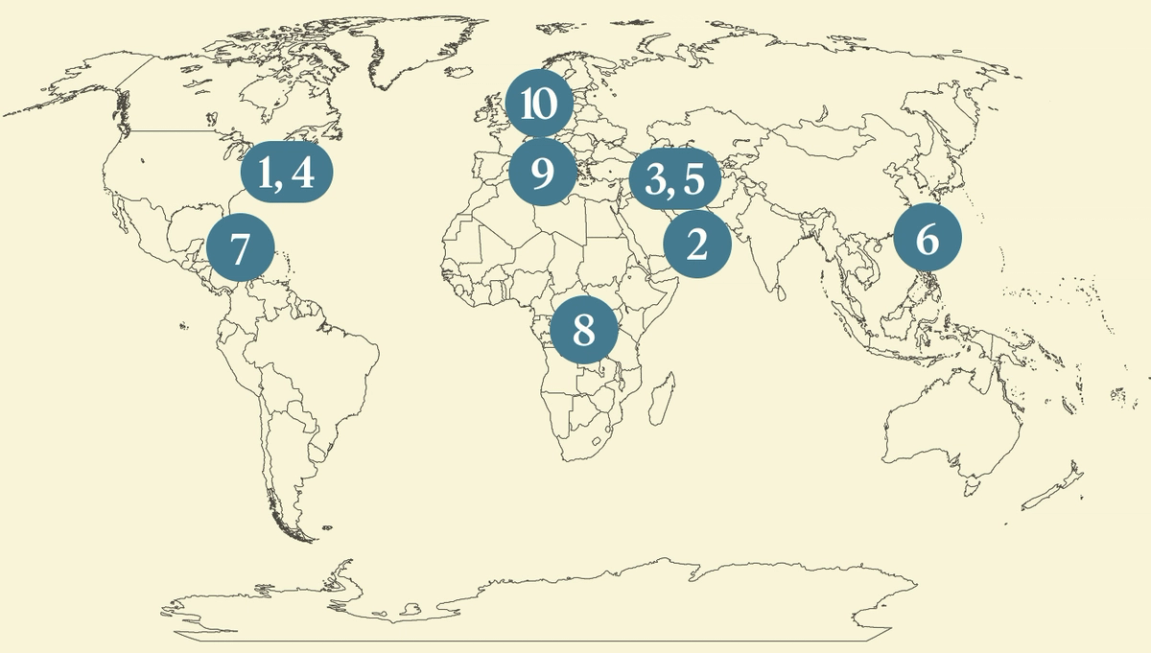 - Urgent Iran ceasefire push
- Gulf energy attacks mount
- Lessons from a jet crash
- A US ‘strategic defeat’
- Iran’s growing crackdown
- Taiwan’s defense challenge
- Havana frees prisoners
- DRC’s US migrant deal
- Italy, Spain bet on migrants
- Chocolate’s sweeter price
 The London Review of Substacks, and a Paris exhibit on one of the 20th century’s ‘most urgent, inventive and fearless photographic artists.’ |
|
Race for Iran-US ceasefire |
 Majid Asgaripour/WANA/Reuters Majid Asgaripour/WANA/ReutersNegotiators were reportedly racing to secure a ceasefire to ward off the threat of US strikes on Iranian infrastructure. Axios noted that while US, Iranian, and regional mediators were battling US President Donald Trump’s Tuesday deadline, the chances for agreement were low; Trump told The Wall Street Journal that Tehran must reopen the Strait of Hormuz or “they’re going to lose every power plant.” Yet he has, since the war began, repeatedly issued threats only to extend his deadlines, making it unclear how serious his latest ultimatum was. Iran’s ex-foreign minister wrote in Foreign Affairs that Tehran could accept a deal in which it limited its nuclear program in exchange for sanctions relief, alongside a nonaggression pact with Washington. |
|
Markets monitor ceasefire hopes |
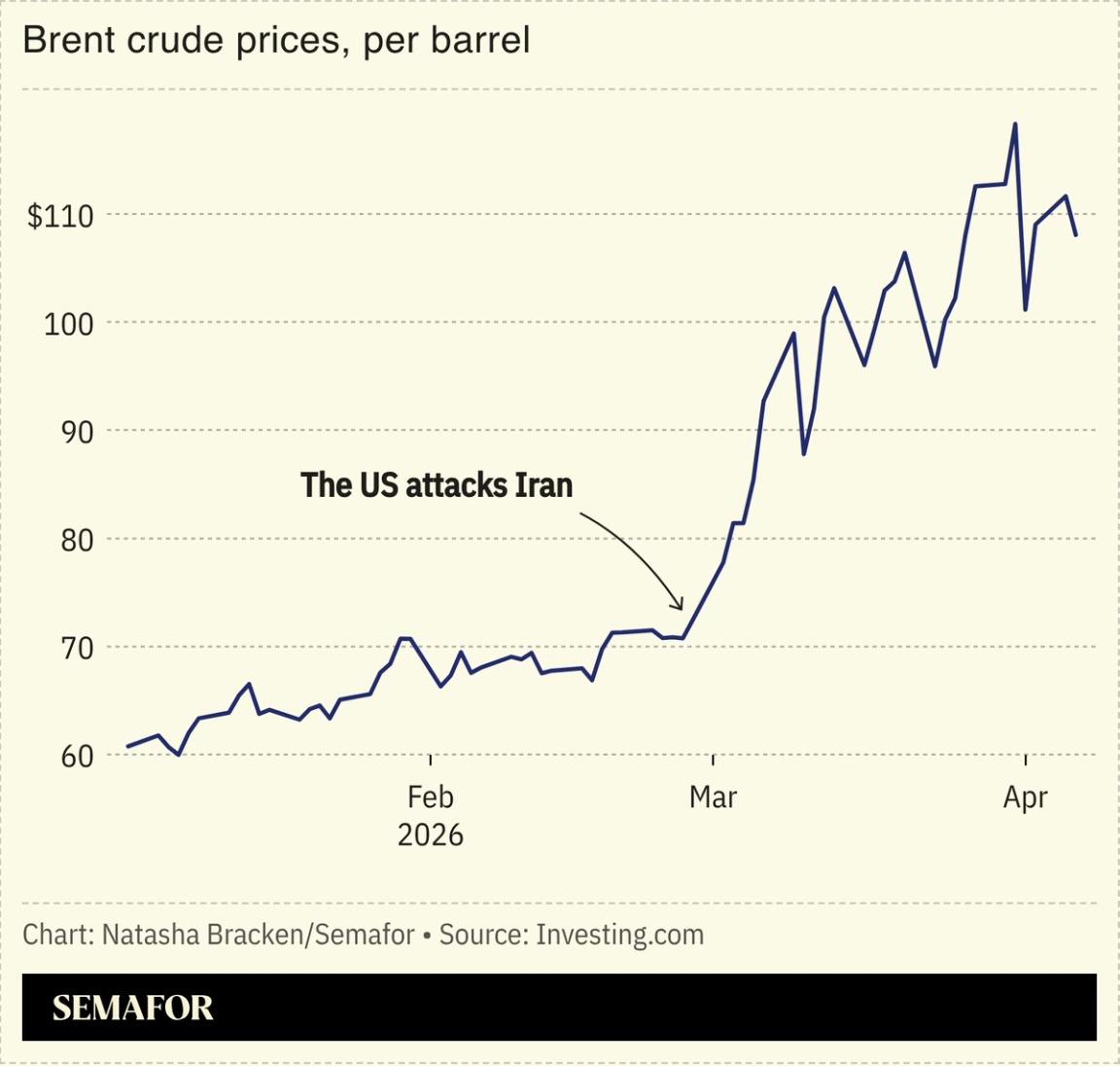 Oil prices dipped and stocks inched higher on hopes for an 11th-hour ceasefire between Washington and Tehran, even as damage to Gulf oil and gas infrastructure mounted. Operations were halted at a UAE petrochemicals plant and Kuwaiti facilities were fighting off blazes, both as a result of Iranian attacks; Israel, meanwhile, hit an Iranian petrochemical complex over the weekend. Though some oil has been routed to global markets via the Red Sea, the ongoing attacks and the strangling of the Strait of Hormuz have hammered Asian economies in particular: Saudi Arabia has raised the premium it charges for its principal oil grade bound for Asia to record levels, Bloomberg reported. |
|
‘Complex’ rescue for US colonel |
 Social media via Reuters Social media via ReutersUS officials championed the rescue of a crew member whose fighter jet was downed in Iran, but analysts said the episode illustrated the capabilities of even a weakened Tehran. The stunning retrieval involved a US Air Force colonel hiking to a crevice where he hid and set off an emergency beacon, drawing American commandos in what The New York Times said was “one of the most challenging and complex [missions] in the history of US Special Operations.” Yet the shooting down of the warplane, one of two hit by Iran, illustrated Tehran’s strategy to “inflict tactical defeats on the US and its allies in hopes not of winning militarily, but of surviving and sapping their will,” The Wall Street Journal said. |
|
Washington’s Iran strategy questioned |
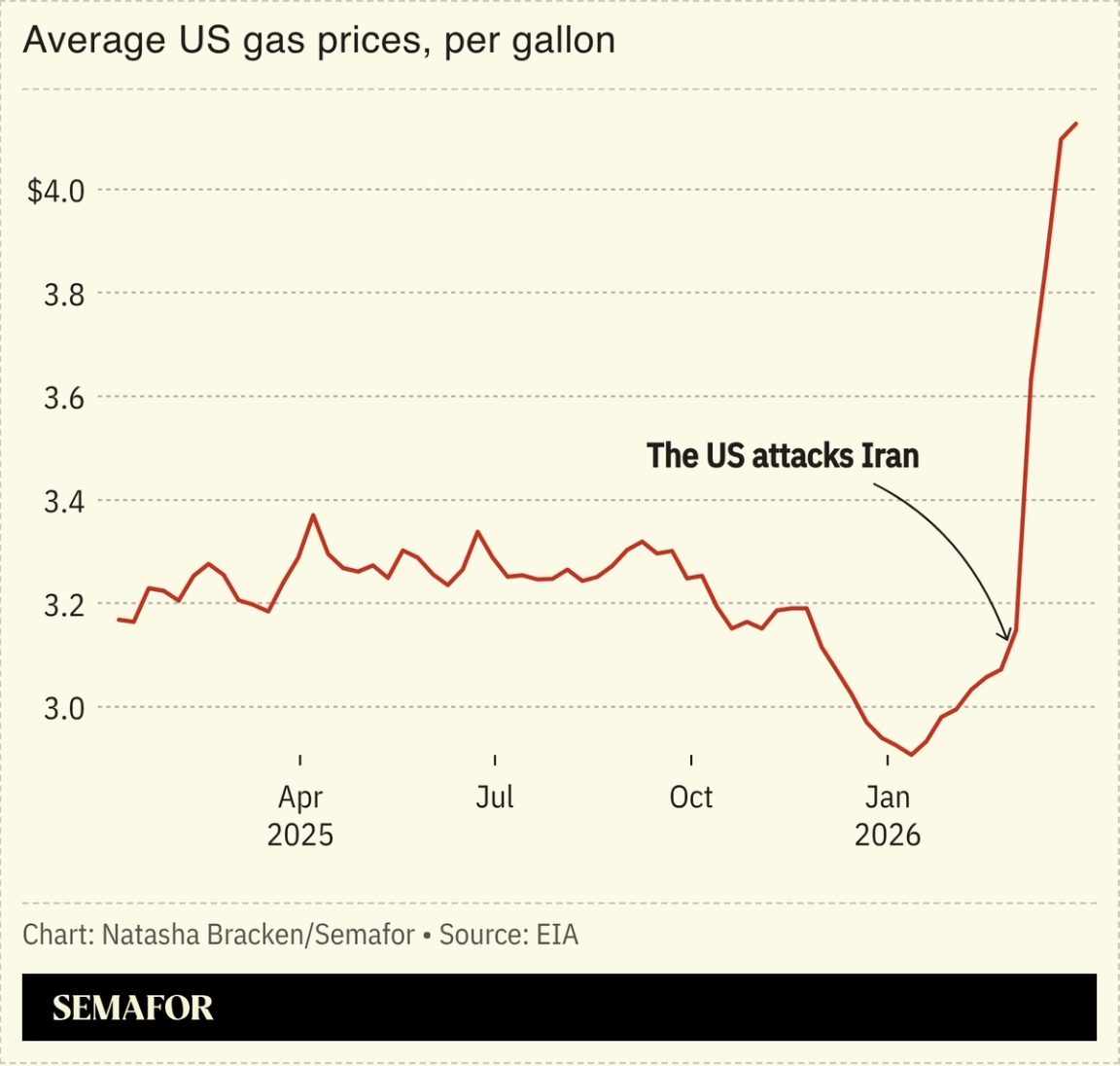 The Iran war is proving to be a strategic failure for the US, several leading analysts argued. The conflict looks set to batter allies’ economies by driving inflation up and hitting economic growth, while analysts have questioned the feasibility of Washington’s goals — whether regime change, or destruction of Tehran’s nuclear program or its missile stockpiles. Instead, “the war has empowered Iranian hardliners, blocked a vital shipping lane, and handed a windfall to Russia,” Fareed Zakaria wrote in The Washington Post. At best, the political scientist Dan Drezner argued, US President Donald Trump is “stuck trying to sell a strategic defeat as a tactical victory,” while The New York Times’ Nicholas Kristof said: “We’ve botched our way into an Iran cul-de-sac.” |
|
Iran ramps up domestic crackdown |
|
Taiwan’s tenuous defense future |
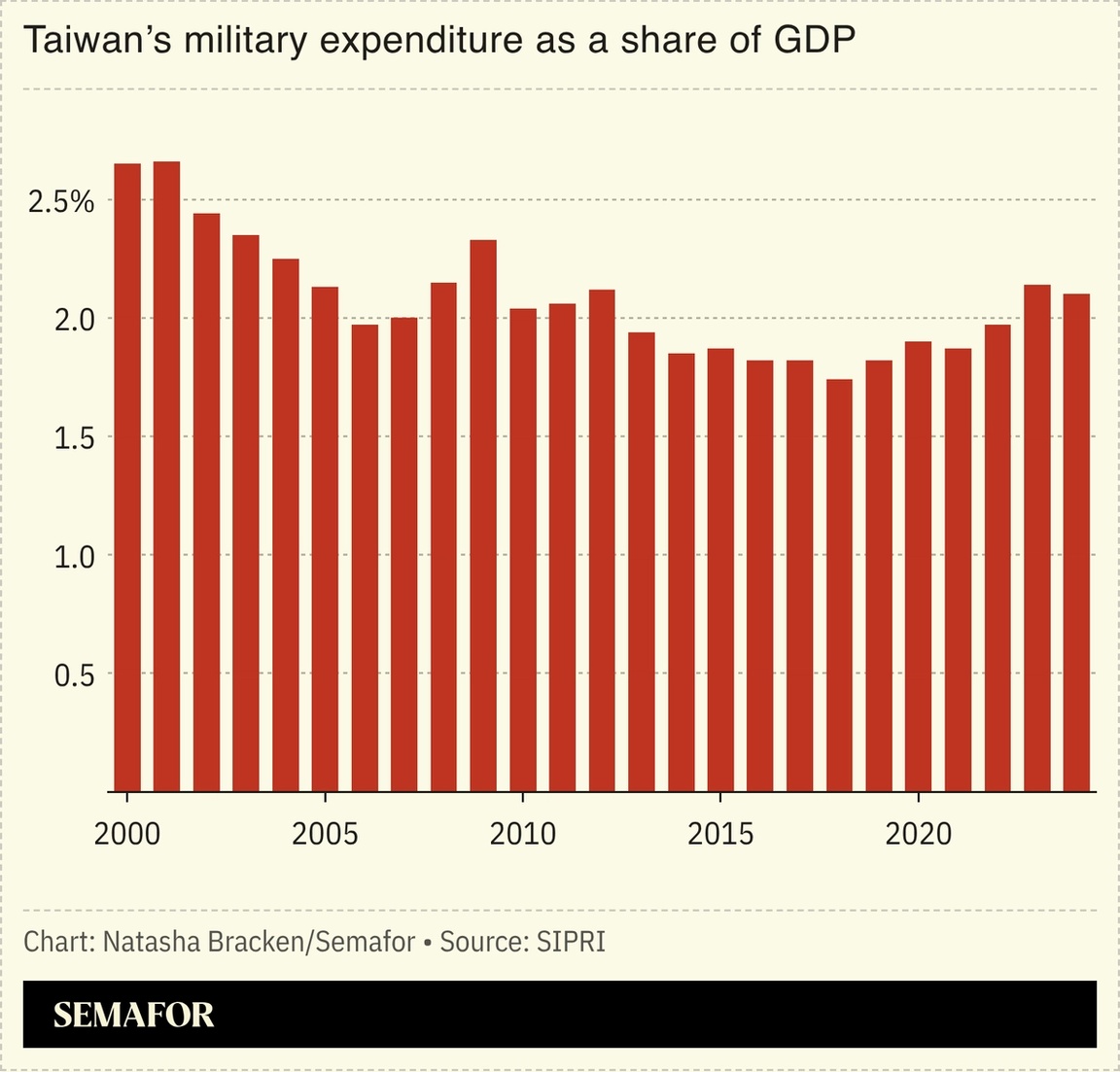 Taiwan is failing to adequately plan for its own defense, a former senior official warned, as the island faces a political deadlock over a military spending bill and an upcoming visit by the opposition leader to Beijing. In an op-ed for Nikkei, a former lawmaker and one-time spokesperson for the previous Taiwanese president warned that the island — which China claims as a renegade province — was not doing enough to strengthen its energy independence and defense capabilities in the face of mainland pressure. The piece came as a proposed expansion of military spending stalled in parliament; tomorrow’s divisive visit by the leader of the opposition Kuomintang party, the first such trip in a decade, is likely to deepen that deadlock. |
|
Cuba releases political prisoners |
 Norlys Perez/Reuters Norlys Perez/ReutersCuban authorities began releasing more than 2,000 political prisoners, a possible olive branch for Washington as the nation grapples with a crippling economic blockade. The Trump administration has raised the specter of regime change in Havana and tightened an embargo on the country since ousting the president of Venezuela, a key supporter of Cuba and the island’s principal energy supplier. In the months since, it has suffered several nationwide blackouts, and experts have warned of a developing humanitarian catastrophe. With potential political upheaval on the horizon, Cuban exiles in Miami have begun positioning themselves for power, but their own internecine disputes bode poorly for any political transition, El País reported. |
|
 Ken Griffin, founder and CEO of Citadel; Jean Hynes, managing partner and CEO of Wellington Management; Sim Tshabalala, CEO of Standard Bank Group; Andrea Orcel, CEO of UniCredit; Gabriel Makhlouf, governor of the Central Bank of Ireland; and more will join The Future of Global Finance session at Semafor World Economy. The discussion will focus on how markets balance openness with resilience, and which regions will cultivate the transparency, scale, and confidence global capital demands. April 14, 2026 | Washington, DC | Apply to attend |
|
US resettlement push rankles at home |
 Gombe area, Kinshasa. Justin Makangara/File Photo/Reuters Gombe area, Kinshasa. Justin Makangara/File Photo/ReutersThe Democratic Republic of Congo struck a deal with the US to take “third-country” deportees, days after Uganda received eight people under a similar deal. The agreements are part of the Trump administration’s crackdown on immigration, though rights groups and legal scholars have criticized the deals, questioning whether Washington can send individuals to countries they are not nationals of — and have sometimes never even been to — against their will. The mass deportation push has proven unpopular domestically, with nearly half of US voters in a recent Politico poll saying it was too aggressive. Still, several Trump allies want to intensify the campaign by expanding it to workplaces nationwide. |
|
Migration helps Italy’s population |
|
|


