From the Greenberg Center for Geoeconomics |
|
|
 |
By Edward Fishman
Senior Fellow and Director of the Maurice R. Greenberg Center for Geoeconomics
|
|
Dear readers,
We’re living through a period of tectonic change in the global economic order. The win-win logic of globalization has given way to proliferating economic warfare. Governments are experimenting with novel interventions in markets. Artificial intelligence (AI) and new energy technologies are disrupting business models and altering power dynamics. The dollar’s role at the center of the international financial system is increasingly contested. And the global trading system is fragmenting. Amid all this change, the contours of the new order remain undefined.
At the Greenberg Center for Geoeconomics, we aim to bring clarity to these fast-moving trends at the intersection of geopolitics and economics. Each month, we’ll share a curated selection of our latest research in Geoeconomics Dispatch. We’ll also send timely original analysis of the events reshaping the world economy as they unfold. This newsletter is designed to be your go-to guide to the most important stories in geoeconomics today.
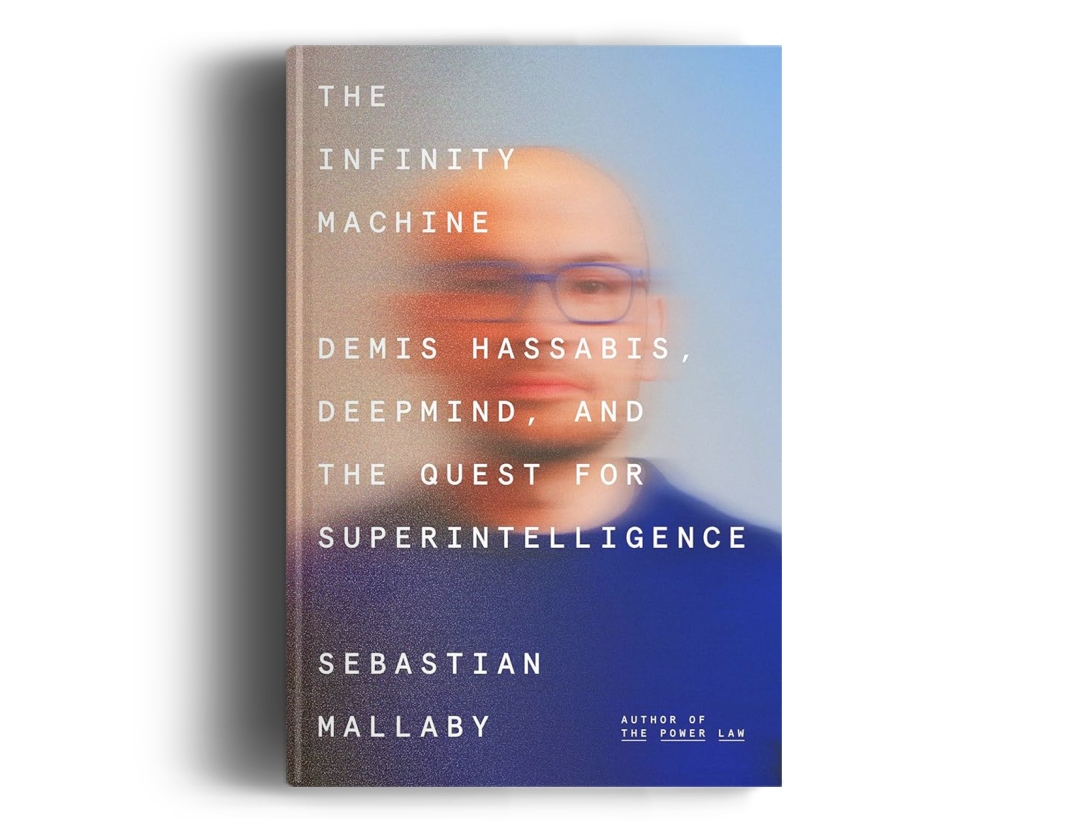
It’s been an especially active period for our team. Senior Fellow Sebastian Mallaby just published his new book The Infinity Machine, a groundbreaking account of the AI race centered on Google DeepMind pioneer Demis Hassabis. Senior Fellows Inu Manak, Edward Alden, Benn Steil, Michael Werz, and Greenberg Center Associate Director Allison J. Smith published a comprehensive assessment of President Donald Trump’s Liberation Day tariffs one year after they were unveiled at the White House Rose Garden.
We’re also working around the clock to survey the geoeconomic fallout of the U.S.-Israeli war in Iran, which has triggered the largest oil supply disruption in history. Six members of our team examined these consequences from multiple angles, and I wrote an essay in the New York Times on how Iran adapted the U.S. sanctions playbook to close the Strait of Hormuz.
Thank you for engaging with our work. We look forward to staying in touch and always welcome your feedback.
All best, Eddie |
|
|
Iran War’s Ripple Effects |
|
|
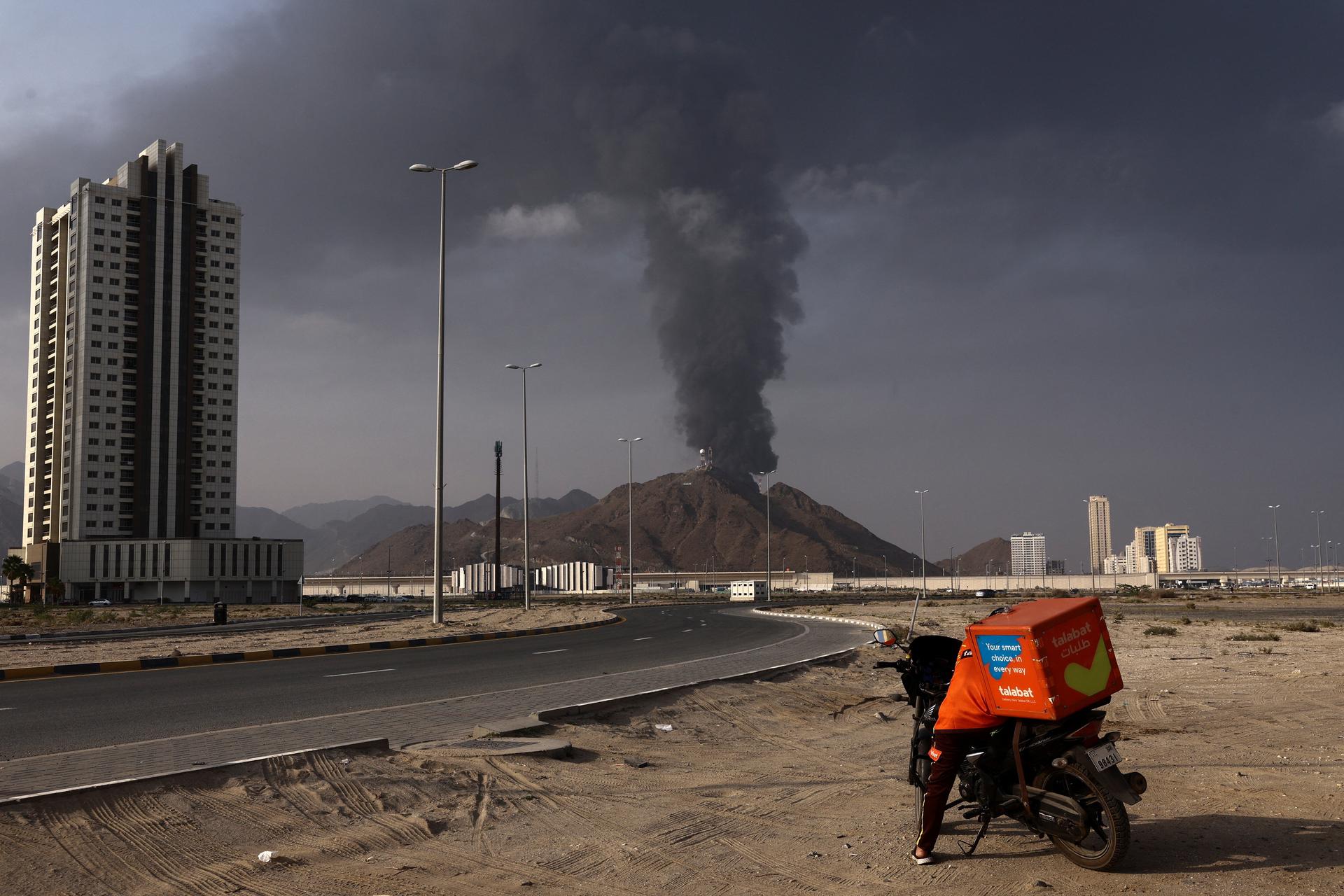
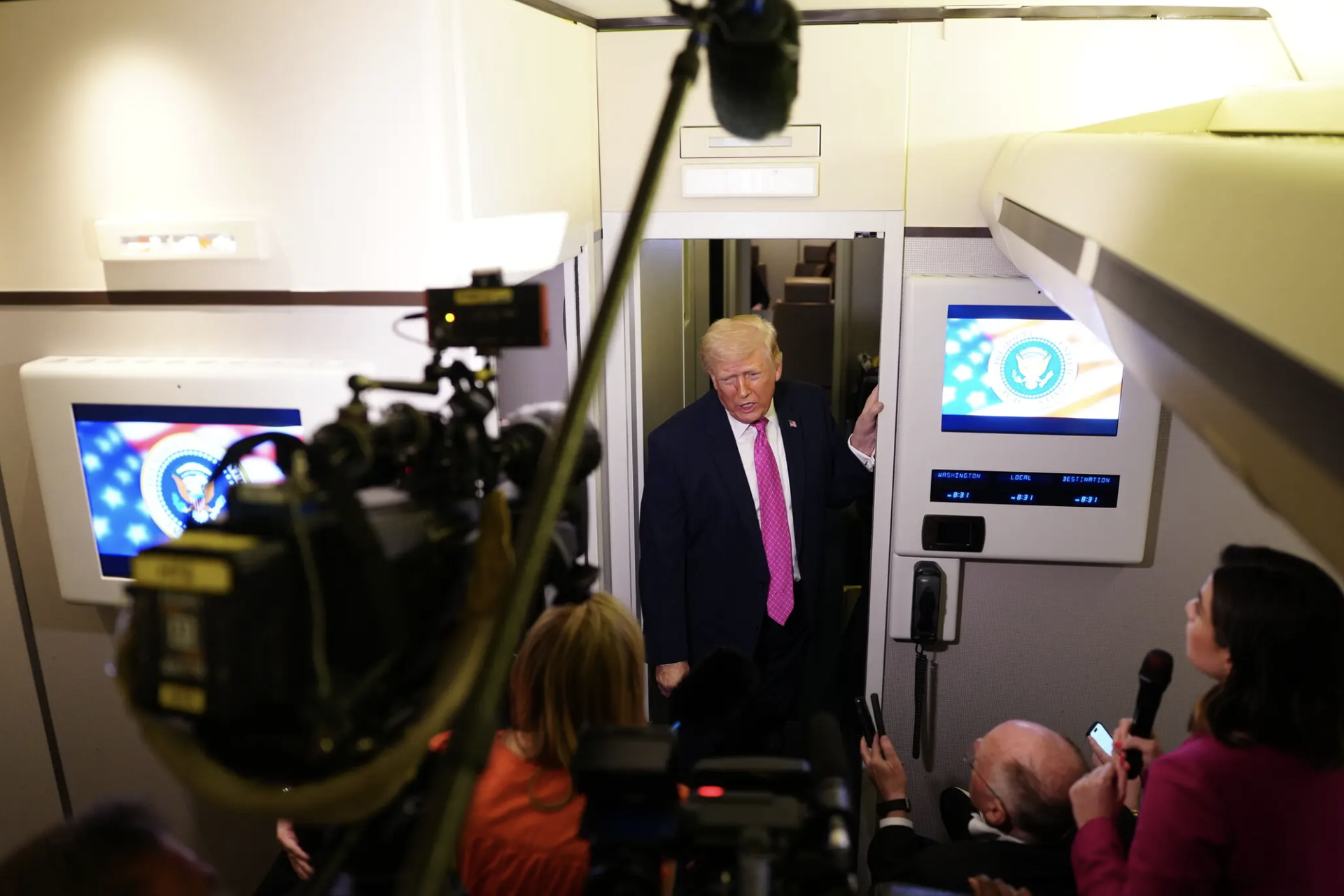
Iran has learned to weaponize the world’s most vital energy chokepoint the same way the United States weaponized the financial system—by borrowing a coercive playbook developed by Washington itself. By striking a small number of ships with cheap drones, Tehran secured sanctions relief that years of diplomacy could not, writes Fishman in the New York Times. Read the op-ed
|
| |
The Trump administration’s temporary sanctions relief for Iran and Russia has failed to bring down oil prices while potentially delivering billions in additional revenue to two U.S. adversaries. With both waivers expiring in mid-April, the administration faces a stark choice: renew or reimpose, writes CFR International Affairs Fellow Roxanna Vigil. Read more
|
| |
Before the war in Iran, how many vessels transited the Strait of Hormuz on an average day? |
|
|
Trade and the Global Economic Order |
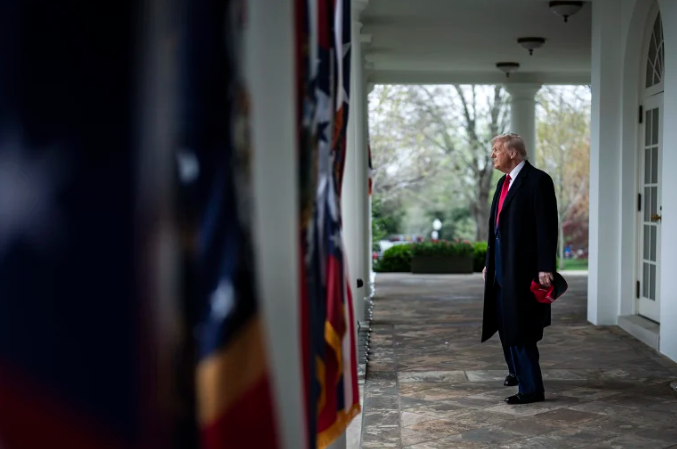
President Donald Trump declared a national emergency on foreign trade on April 2, 2025. One year later, the administration has sealed an underwhelming number of trade deals while Americans have often borne the knock-on effects. Manak, Alden, Steil, Werz, and Smith assess how Trump’s tariff agenda has increased uncertainty, as well as the implications for Americans. Read more
|
|
|
Manak and Sonnet Frisbie, senior vice president at Morning Consult, walk through the findings of their joint CFR-Morning Consult survey on American attitudes toward trade and tariffs. The survey reveals that nearly half of Americans view tariffs as a tax on foreign products Americans buy, while views on tariff consequences are largely shaped by partisanship. Watch Manak and Frisbie discuss their findings, and read the report
|
| |
Technology and Strategic Industries |
In a new book, Mallaby offers a landmark reckoning—based on unprecedented access—with Hassabis, and his AI company DeepMind. Drawing on over thirty hours of conversation with Hassabis and interviews with rivals and critics, Mallaby examines Hassabis’s quest to will a new form of cognition into the world. In an excerpt published in the Wall Street Journal, Mallaby illuminates the 2013 acquisition race that broke out over DeepMind and artificial general intelligence. Read the excerpt
|
| |
Over the past three decades, Chinese firms have aggressively expanded overseas, building factories, warehouses, and industrial parks. CFR Senior Fellow Zongyuan Zoe Liu tracks 194 such projects worldwide, revealing that economic logic drives most investment decisions and that Chinese firms show a distinctive appetite for emerging economies and middle-income countries. Check out the tracker
|
|
|
Critical minerals moved to the center of geopolitics in 2025 due to China’s chokehold on global supply chains—and the competition to de-risk will accelerate exponentially. CFR Senior Fellow Heidi E. Crebo-Rediker speaks with the Goldman Sachs Global Institute on which minerals deserve priority and what mix of public and private tools can close the financing gap. Read the interview
|
| |
China’s national legislature has approved a blueprint for building on its commanding lead in carbon-free energy, sharply contrasting with the Trump administration’s approach. CFR Senior Fellows David Hart, and Alice C. Hill and Climate Realism Initiative Deputy Director Lindsay Iversen unpack the most important climate and energy messages from China’s fifteenth five-year plan. Read more
|
| |
|