Greetings from Baoding!
I am in Great Wall Motor’s hometown ahead of the Beijing Auto Show this week. The show promises to be as packed as ever, with 181 model debuts and 71 concept cars expected as China’s automakers chase sales in the world’s largest car market. China’s car market is down so far this year. Even if it recovers, at best it’s expected to be flat.
With limited momentum at home, expect China’s automakers to spend as much time talking up their global plans - and global-ready models - as their domestic market. Which brings us to today’s Auto File… |
|
|
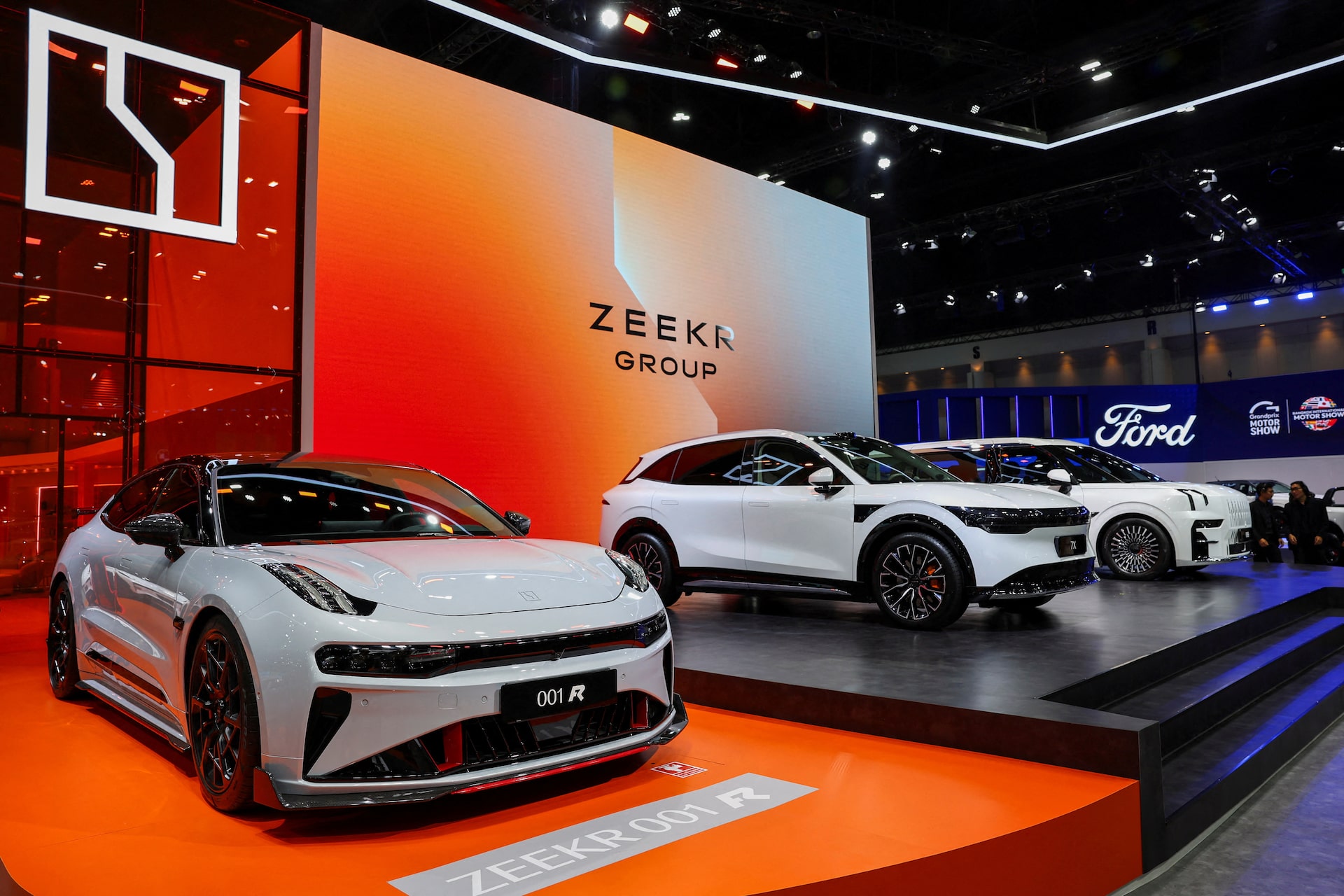
Challenging German premium brands - REUTERS/Chalinee Thirasupa. |
German premium in the crosshairs |
China’s automakers have spent the last three years locked in a bruising EV price war. Now, with regulators clamping down on that race to the bottom, the battle is shifting upmarket.
In practice, that means targeting drivers of Germany’s premium brands – and trying to convince them that Chinese marques can deliver the same cachet, often with more tech, for less money. Those are the buyers Nio is chasing with its ES9. Geely, meanwhile, says most buyers of its full-size 9X SUV previously drove German premium cars.
The Germans are already hurting. Sales in China are down around 25% since 2020 - and the pressure is unlikely to ease as Chinese brands roll out high-end models packed with technology at prices German rivals struggle to match.
Those premium Chinese models are also headed overseas. Europe will be a tougher nut to crack, with German brands still the undisputed premium champions. But gaining share there no longer looks as unthinkable as it did just a few years ago. |
|
|
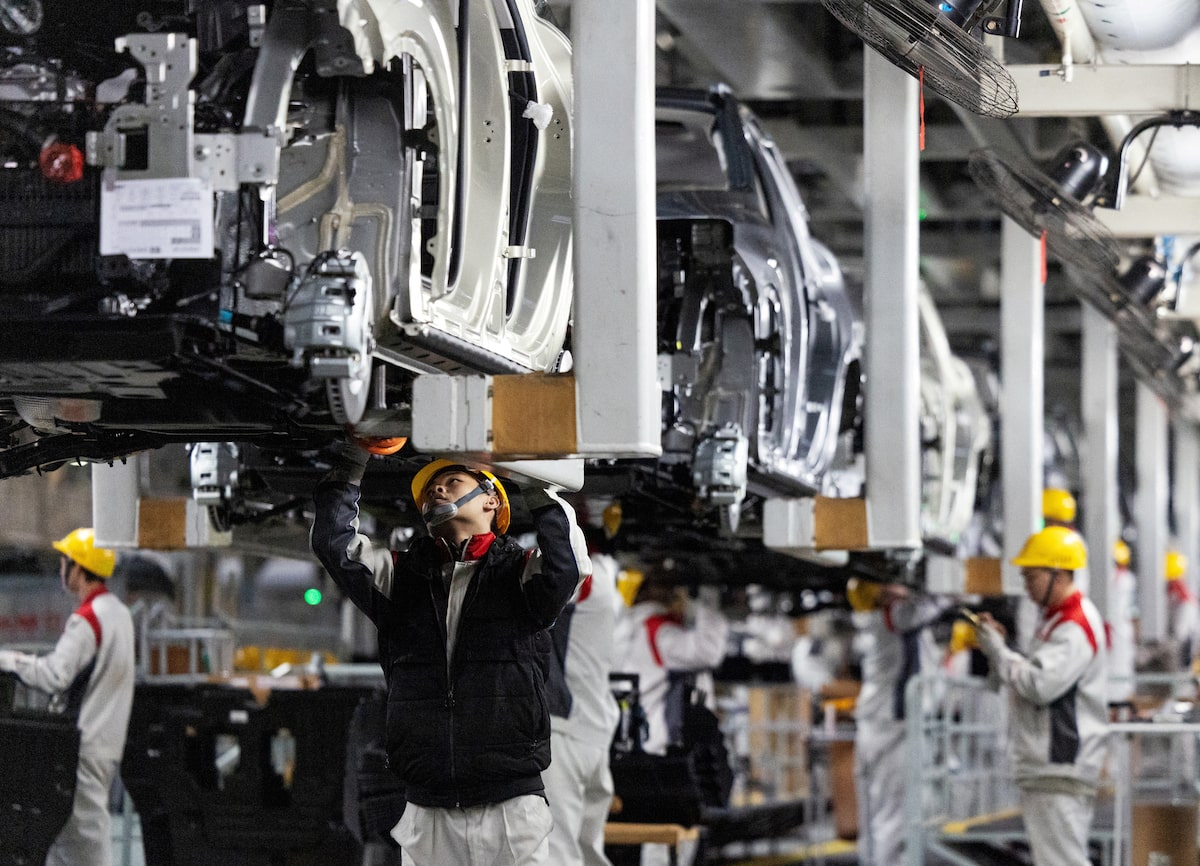
GWM wants to make more cars for Europe - REUTERS/Maxim Shemetov. |
China’s automakers go global |
On the theme of overseas expansion, Changan and Great Wall Motor have both laid out ambitious plans for overseas sales.
Changan says it wants to grow sales by two-thirds by 2030 and break into the global top 10. Based on 2025 sales figures, hitting that target would make it the world’s fifth-largest automaker. Great Wall, meanwhile, has been outlining details of its European comeback here in Baoding. The company arrived in Europe amid much fanfare in 2021, but an EV-heavy lineup failed to gain traction and sales quickly fizzled.
This time, Great Wall is taking a broader approach, promising at least 10 new models over two years across multiple fuel types – a bid to better match European tastes. The challenge? The competitive landscape has changed fast. Since Great Wall’s first European foray, dozens of Chinese brands have entered the market. This time, they’ll be jockeying against a crowded field of fellow newcomers chasing the same buyers. |
|
|
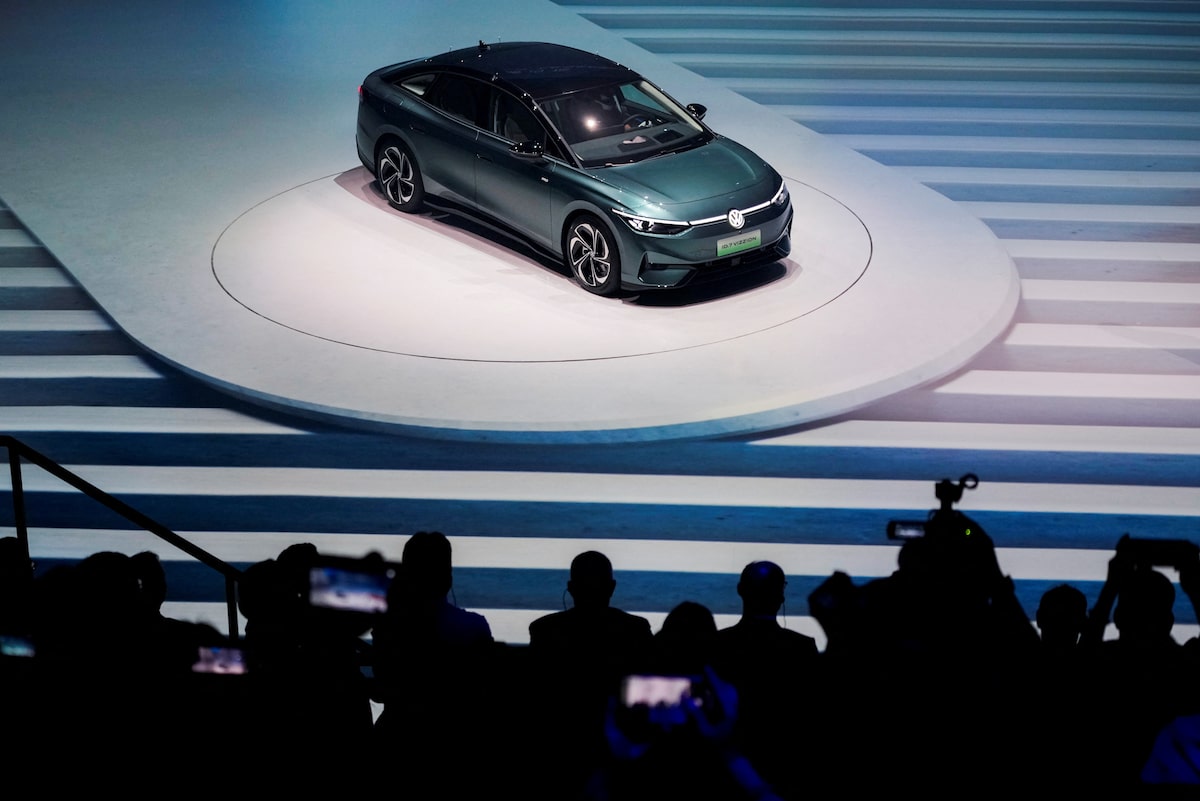
A car for Chinese parents? - REUTERS/Aly Song. |
Germany’s mom-and-pop cars |
It’s remarkable how quickly fortunes have turned.
Just a few years ago, Germany’s automakers seemed largely unaware of how fast they were about to be dethroned in China. Volkswagen held the country’s top sales spot for roughly 25 years. Today, it sits in third place behind Geely and BYD.
I remember conversations with managers at German premium brands who confidently argued that while Chinese companies could master the mass market, premium was another matter entirely. That confidence hasn’t aged well! Chinese brands now dominate the aspirational end of the market for younger buyers, while German marques increasingly carry the whiff of the past - solid, reputable, but better suited to your parents’ driveway than your own. |
|
|
Tesla boss Elon Musk has said he resists efforts to reduce his tax bill. But a Reuters review of thousands of documents shows the carmaker has saved substantial sums through apparently legal loopholes. For all but one of the past 20 years, Tesla has declared it owes zero taxes to the U.S. government despite generating $264 billion in revenue over that period. You can read all about it here.
While controversial, the approach is far from unique. Multinationals routinely use gaps in tax systems to shift profits between jurisdictions with more favourable rules. |
|
|
EV sales in Europe's main auto markets jumped almost a third in the first quarter of 2026, as drivers looked for alternatives to combustion engines after the war in Iran caused the highest spike in petrol prices in years. Investors pressed Mercedes-Benz on its recovery plans for China, warning that a luxury-focused strategy could hurt the German brand's chances of winning back Chinese consumers after a slump in sales.
Volkswagen is bracing for even tougher competition in China, where the world's largest car market could shrink for the first time in almost a decade, the head of the German carmaker's business in the region said in a newspaper interview.
The UK's automotive industry group SMMT said carmakers need clarity now on whether Britain will count as 'Made in EU' in the European Commission's Industrial Accelerator Act (IAA) as the ambiguity risks delaying investments.
Interest in electric trucks has picked up in Australia, one of the most road-freight dependent countries in the world, as the Middle East crisis disrupts fuel supply and sends prices soaring.
Sweden's Polestar reported a sharp jump in fourth-quarter revenue and a smaller loss, as the EV maker ramped up production and cut costs to cater to growing European demand.
Think your friend or colleague should know about us? Forward this newsletter to them. They can also subscribe here. |
|
|
|