In the past two weeks, Iran has declared the Strait of Hormuz open and closed it again. Trump has said Tehran agreed to everything and threatened to blow Iran up. Washington and Tehran have spent the entire ceasefire period announcing things the other side immediately denies.
For the Gulf, the uncertainty this has produced is existential. When declarations are reversed within 48 hours and both sides deny what the other announces, the region cannot plan for peace — only for the next reversal.
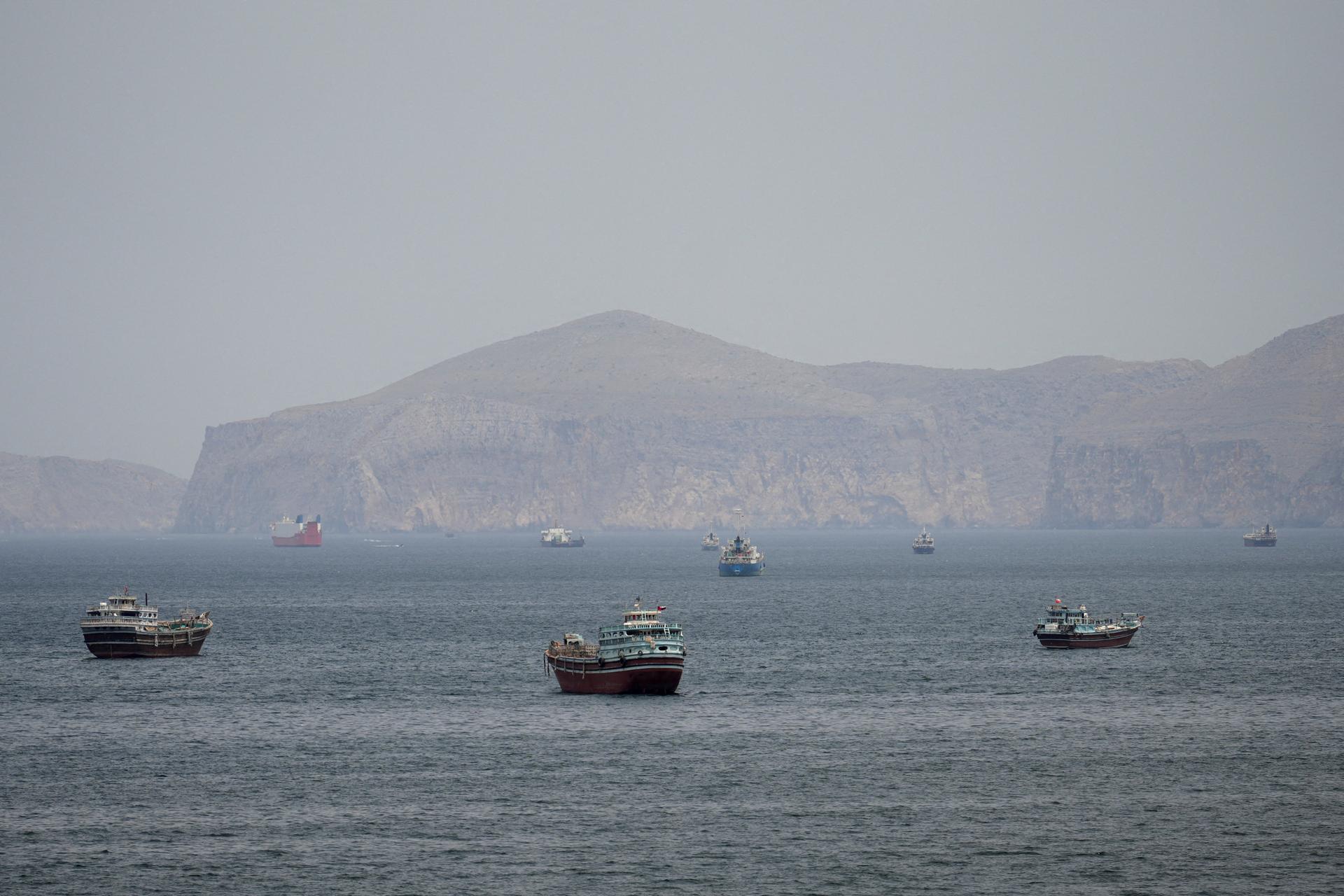
The pattern has been almost mechanical in its repetition. On Friday, Iran's Foreign Minister declared the Strait fully open to commercial traffic, sending crude prices falling more than 10%. By Saturday, it was closing the waterway to most traffic again, firing on vessels and blaming the United States for "breaches of trust." Shipping through the strait remained largely halted on Tuesday. In less than 48 hours, a market-moving declaration had been made, celebrated, and erased.
Washington's contribution to the confusion was no less acute. Trump told reporters Iran had agreed to almost everything — including surrendering its enriched uranium stockpiles — which Tehran flatly denied.
The Iranian side has also deployed ambiguity. The Foreign Ministry said continued ceasefire violations by the U.S. were major obstacles to continuing diplomacy. Yet Iran has not walked away either. A senior Iranian official told Reuters it was still weighing whether to attend talks as the end of the initial truce approached, keeping everyone guessing.
The cost of this rhetorical crossfire falls most directly on the Gulf. ADNOC CEO Sultan Al Jaber said on April 9 that the strait was still not open despite the ceasefire, because Iran was restricting and conditioning traffic — and that 230 loaded oil tankers were waiting inside the Gulf.
The insurance market tells a similar story. Lloyd's Market Association warned that the region "remains at heightened risk with none of the underlying tensions resolved." Before the war, insuring a supertanker for a Hormuz transit cost roughly 0.2% of the vessel's hull value. Rates have since climbed to as high as 5% for vessels with American, British or Israeli connections, representing an insurance bill of up to $7.5 million for a single voyage.
That is the bitter inheritance of two weeks of competing declarations. The Gulf states are not party to these talks — if talks is even the right word — but the consequences are already arriving, whether or not a deal follows.