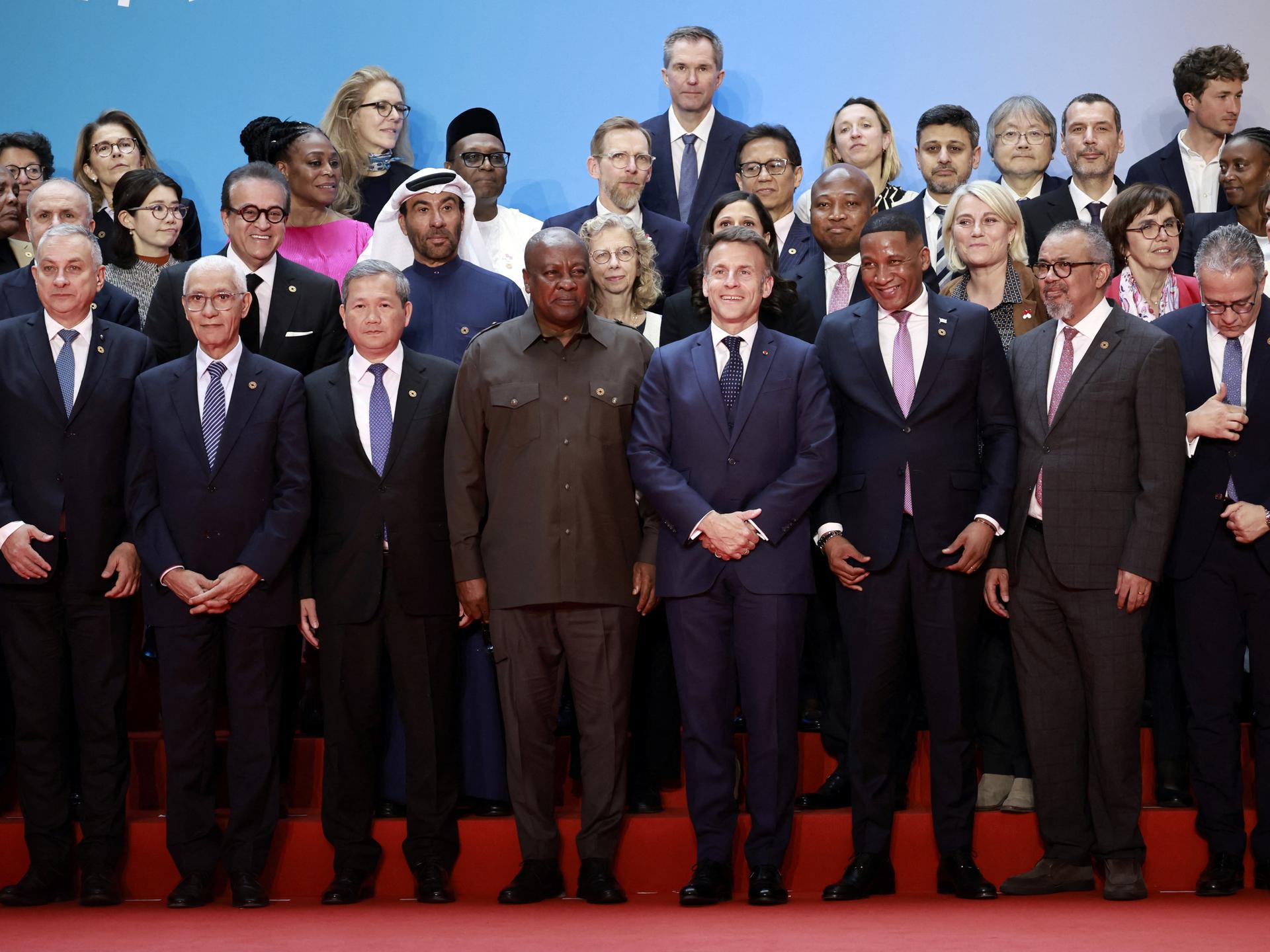
The World Health Assembly next month will feel dramatically different than in years past, as the governing forum of the World Health Organization (WHO) meets with one fewer member: the United States. Though questions remain over whether January’s withdrawal can take effect without the payment of outstanding dues, the moment was another milestone in the shifting global health landscape.
Massive aid cuts from Western donors have exposed fragmentation, inefficacies, and outdated mandates that have threatened health progress in recent years, write Gunilla Carlsson, Sweden’s former minister for international development cooperation, and Anders Nordström, the WHO’s former acting director general. To lead this week’s discussion on global health reform, the pair emphasize the need for an ambitious roadmap rather than another diagnosis. They suggest that to sustain health gains amid weakened political support for international cooperation, subsidiarity should guide multilateral reforms to streamline and strengthen international health systems.
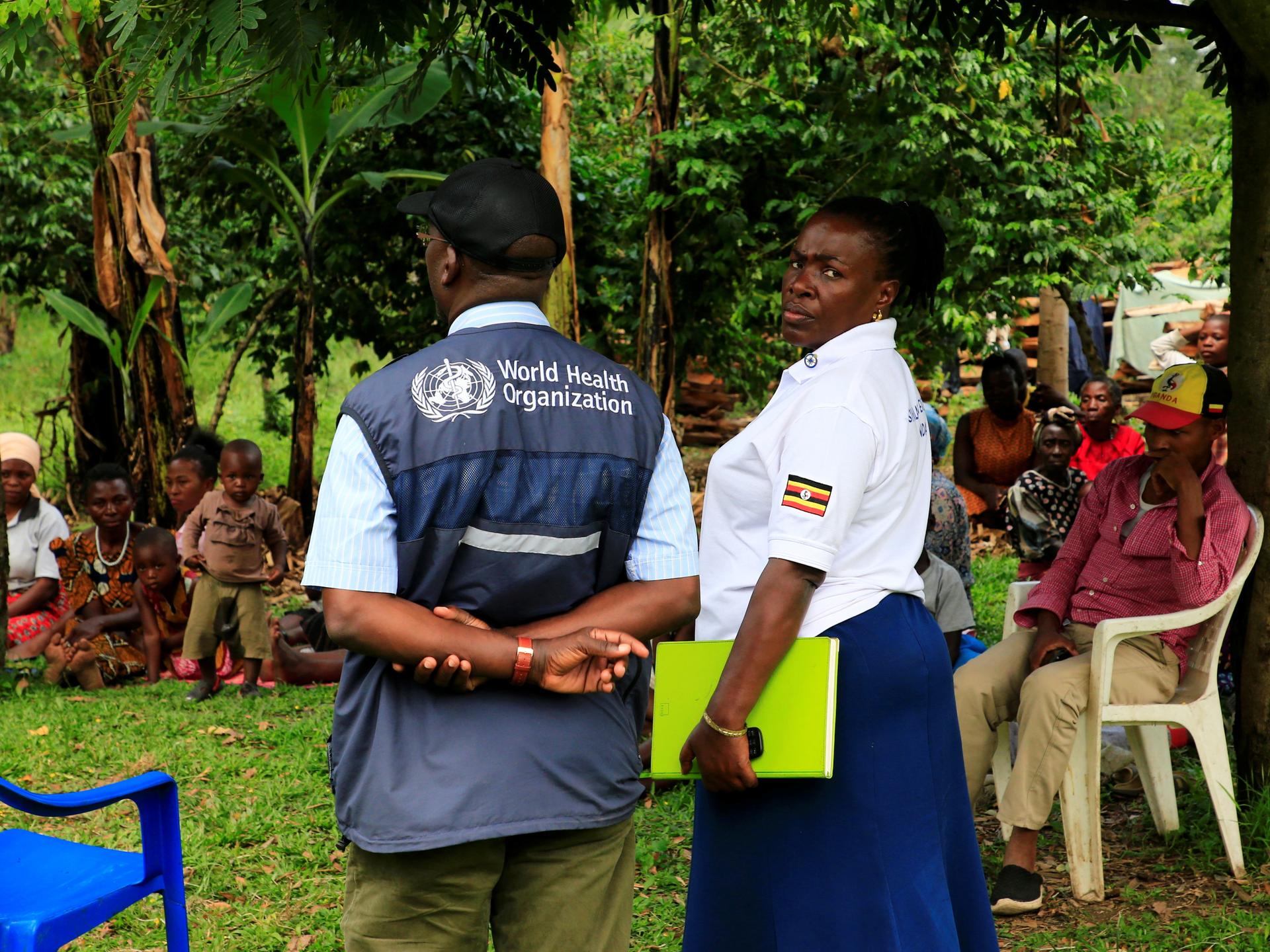
Next, WHO Regional Director for Africa Mohamed Janabi and specialists at his office explain how African leaders and agencies, who operate at the intersection between global financing and local delivery, have the experience to lead reforms to global health architecture.
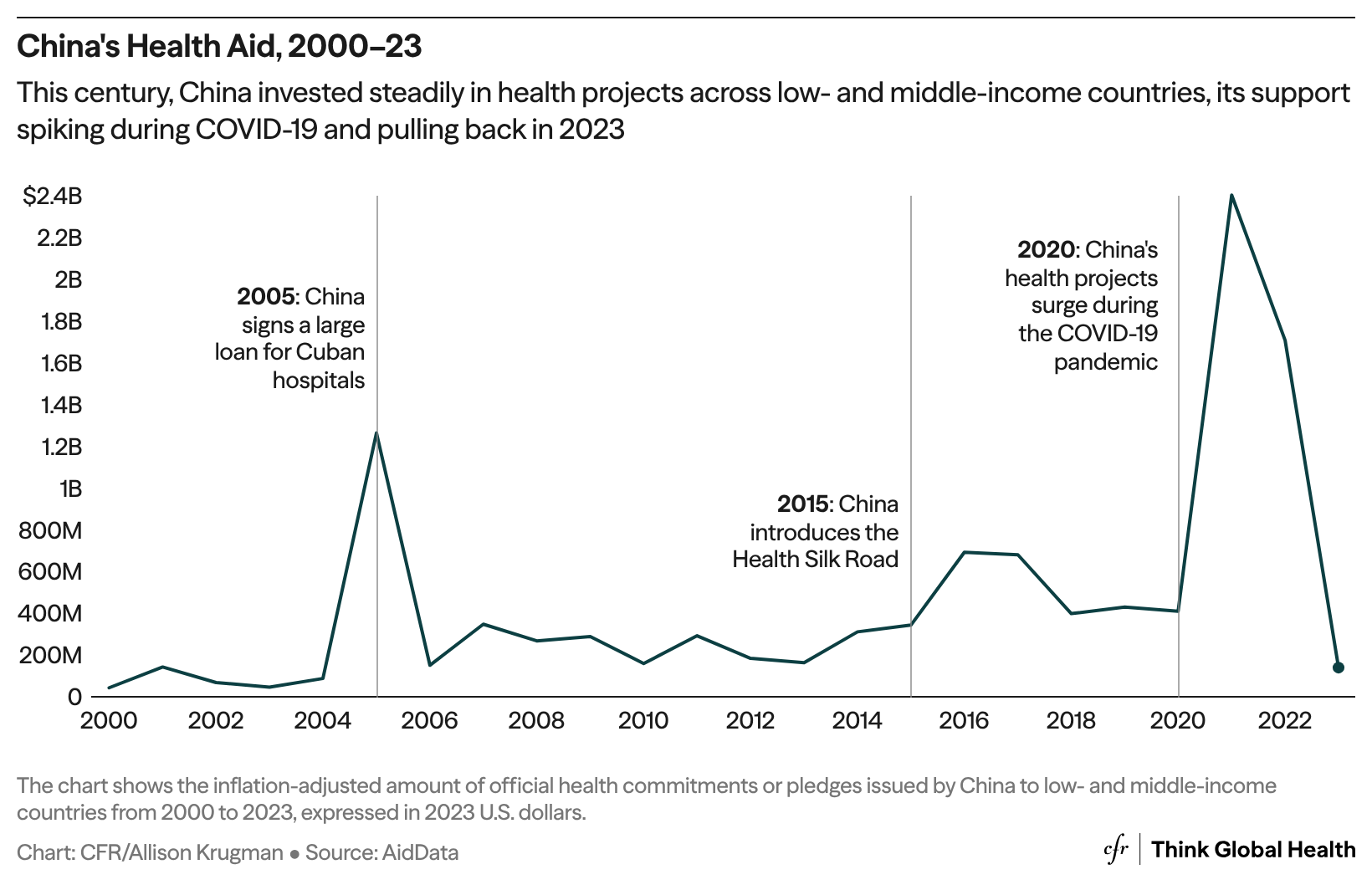
After the collapse of Western health aid, many actors have shifted their attention to China, the world's largest provider of development finance, for its potential to fill gaps. To understand how China’s previous health engagement via its Health Silk Road could inform its future strategy, AidData’s Bryan Burgess deconstructs the country’s health activities from the start of the twenty-first century to the present.
Until next week!—Nsikan Akpan, Managing Editor, and Caroline Kantis, Associate Editor