| | In today’s edition: last night’s dinner, plus the fate of every film buff’s favorite social media si͏ ͏ ͏ ͏ ͏ ͏ |
| |  Washington Washington |  Auckland Auckland | New York |
 | Media |  |
| |
|
 - Sizing up Letterboxd
- Cafe Milano field report
- Monitoring MTS
- The Post’s relevance
- Colossal news
- Mixed Signals
- Holy airwaves
|
|
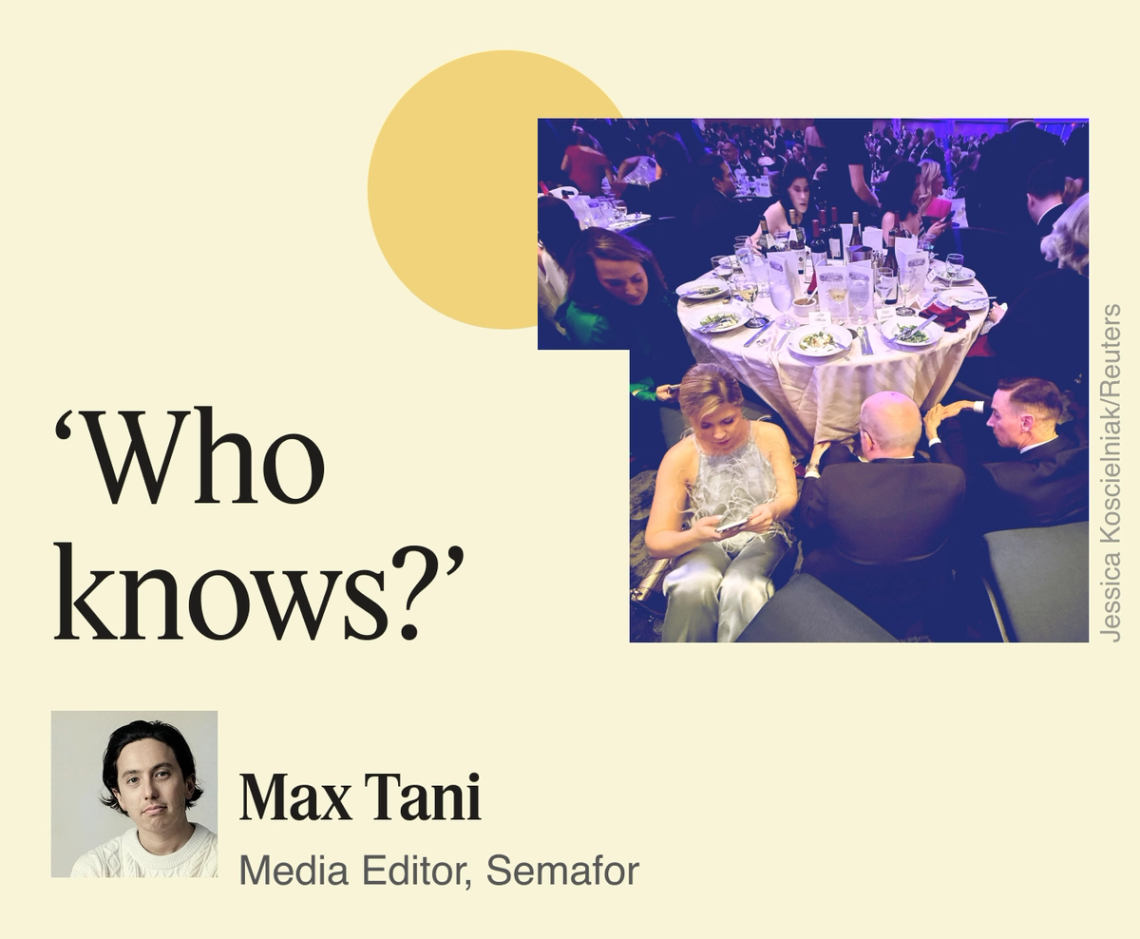 This morning I got a call from a family member checking in to see how I was doing after attending the eventful White House Correspondents’ Association dinner last night. They asked what happened, and was I feeling shaken? They also had another question: Having been there, did I think it was staged? That uncertainty about what really happened — fueled, my family member said, by seeing numerous viral posts on X — was clearly shared and stoked by many people in the aftermath of Saturday’s shooting. Wired reported that the word “staged” exploded on social media immediately after the incident. On Sunday, outgoing Texas Democratic Rep. Jasmine Crockett said of the shooting: “Maybe it’s fake… who knows.” Distrust in legacy media and the rise of unregulated social media have helped make conspiracy theories a routine feature of the discussion about major public incidents. The early chaos of any crisis, reported in real time, doesn’t help either, as we saw in the initial moments when attendees misreported the shooter’s death. And it’s hard to argue with media critics who predict that journalists will find a way to make the shooting about themselves, particularly on a night already tilted toward congratulating ourselves on the importance of the work we all do. But that cynicism felt divorced from what I actually saw Saturday night from my seat at table 17 in the middle of the Capital Hilton’s basement ballroom. Like us at Semafor and every other news outlet, NBC News reporters and editors seated next to our table quickly hatched coverage plans and started making calls within seconds of the shooting. The Washington Post’s table nearby was abandoned as the paper’s journalists left their wine and half-finished salads to go report out the story. Largely, what I saw across the room was professionals trying to do their job: gathering and sharing accurate information. We’ll learn more about the shooting in the coming days; various actors with various agendas will try to manipulate or deny the facts for their own gain. Those views will resonate with some number of people convinced we’re not getting the real story. I’ll do my best to stay focused on that detailed reporting — and hope that amid the cynicism and engagement-baiting, people will take seriously the earnest, old-fashioned effort of journalism. Also today: the fate of every film buff’s favorite social media site. |
|
What’s next for Letterboxd? |
 Tiny and Screenshot/YouTube/@LetterboxdHQ Tiny and Screenshot/YouTube/@LetterboxdHQThe controlling investor in Letterboxd is looking to sell its stake, as the cinephile social network is poised to play a powerful and growing role in the global film business. The Canadian holding company Tiny has spoken to potential buyers, from CNBC and MS NOW parent company Versant to the Hollywood startup The Ankler, about the platform, which plays host to a community of millions of movie fans and has turned into an entertainment media player that also produces videos and licenses films. The site was founded in 2011 as a passion project and exploded during the pandemic. Its sale presents an opportunity for a buyer to take over one of the few independent digital platforms to defy the 2020s media trends towards algorithmic feeds — even if, relative to its popularity, it’s currently undermonetized. But film buffs tend to have strong opinions about media, and could balk at big changes. |
|
The view from Cafe Milano |
 Jonathan Ernst/Reuters Jonathan Ernst/ReutersAs the WHCA dinner got underway at the Washington Hilton on Saturday, a half-mile down the road, a parallel scene played out at Cafe Milano — the Georgetown restaurant and regular watering hole for lawmakers, lobbyists, and diplomats so deeply embedded in Washington’s power infrastructure that it once became the target of an Iranian-backed plot to assassinate the Saudi ambassador. Cafe Milano typically plays host on WHCD night to a mix of those unable to score seats at the main event and jaded veterans who’d rather have veal Milanese than the Hilton ballroom’s rubber chicken. Normally, the room hums with diners smugly insisting the dinner itself is not fun. This year, the smugness turned quickly to concern — and, after everyone’s safety was confirmed, a dawning realization that the people inside the Hilton ballroom had the story of a lifetime, and everyone at Milano knew it. The bar’s large screens were no help, cycling uselessly through travel screensavers while the room’s entire information infrastructure ran through iPhones propped up on condiments and wine bottles –– an apt embodiment of the cord-cutting moment. I saw Heather Podesta pull up CNN in horizontal mode on her phone, as TV pundits Adrienne Elrod and Meghan Hays and former White House Communications Director Kate Bedingfield, were glued to their own phones at the next table. The sound system offered its own surreal accompaniment, blasting NSYNC’s Bye Bye Bye and Britney Spears’ Oops! I Did It Again over the scene. When the Hilton finally released its guests, Milano became a kind of shelter for the tuxedoed and gowned. ABC’s Jonathan Karl, Punchbowl co-founder Anna Palmer, and Vanity Fair reporter Aidan McLaughlin were among the first through the door, as diners reached for wine while assessing the afterparties’ prospects. “Is it bad I regret missing the dinner now?” one Milano diner said. “What a story to be able to tell.” — Rachel Keidan |
|
Monitoring the ‘MTS’ situation |
 Screenshot/X/@MTSlive Screenshot/X/@MTSliveMarc Andreessen was among the first venture capitalists to discover the power and value of a high media profile, and then one of the first Silicon Valley elites to turn against mainstream journalism. In recent years, his firm, Andreessen Horowitz, has had a hand in everything from a failed website, Future, to a wildly successful group chat network to shape the discourse. Its latest effort is an X-based streaming show called MTS (short for “monitoring the situation”). I joined MTS to chat with Erik Torenberg, an a16z general partner who was a group chat organizer, about the shift from those private group chats back to public spaces on MTS (starting around 4:27:00 here). Now, he said, these “group chats [are] able to be had publicly.” But ... is anyone paying attention? I did my best on MTS to say provocative things about Taylor Lorenz and Andreessen, but it wasn’t clear to me anyone watched the thing. — Ben Smith |
|
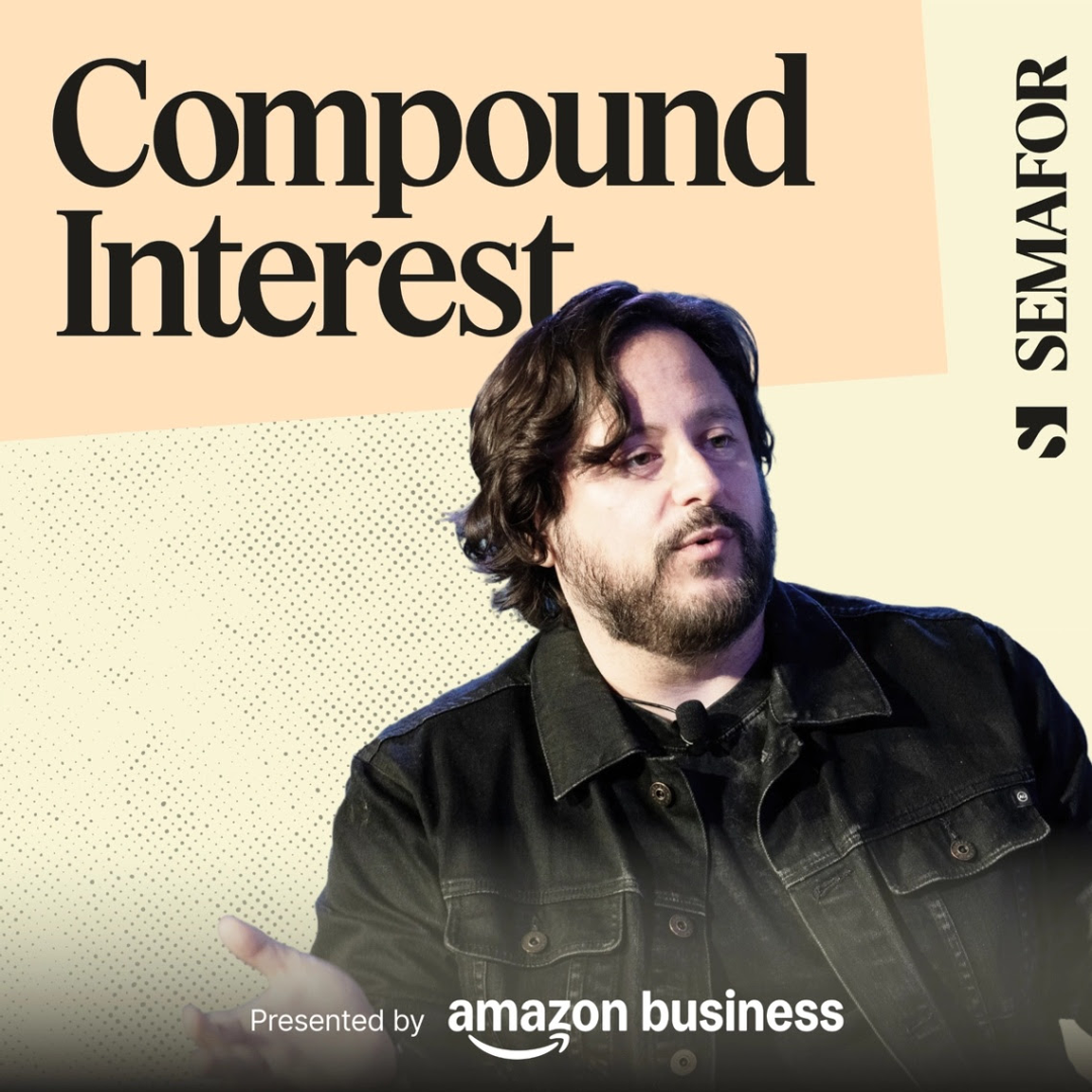 Ben Lamm wants to revive the woolly mammoth — and maybe unlock some franchiseable IP while he’s at it. The CEO of Colossal Biosciences, most famous perhaps for cloning Tom Brady’s dead dog, sat down with Liz Hoffman and me this week on Compound Interest. He refused to bite on whether Colossal is developing bioweapons (some work is classified, he acknowledged), but did say that the company has fielded some Hollywood interest for its work. “We’ve been approached about scripted [media],” Lamm said. Colossal won’t be getting into the Jurassic Park business (sadly for Liz), but it’s not hard to imagine a docuseries or, indeed, whole franchises being built around a revived species. He also had some choice thoughts about conventional media’s respect for embargoes. One legacy magazine “was very mad” that other outlets were sharing an embargo with them, Lamm said. “They took a view that they don’t write very many stories about the same company, so they’re like, screw it, we’ll just” break the embargo. (Joe Rogan, Lamm noted, did not break it.) — Rohan Goswami |
|
 Ken Cedeno/Reuters Ken Cedeno/ReutersThe Washington Post’s editorial page was an early critic of last week’s Democratic gerrymander in Virginia, publishing take after disappointed take. But those missives failed to slow the “yes” vote in the blue DC suburbs, David Weigel writes, underscoring just how much relevance the paper has lost among that core readership. “They’re very much living in the past,” Rep. James Walkinshaw, D-Va., who represents Fairfax County, told David. “It’s unfortunate, because I’m someone who grew up reading the print edition of The Washington Post. I feel the loss. But they’re not taken seriously anymore. And I don’t want to be negative to the people still there working on metro coverage, but they’ve walked away from that, too.” Democrats have lost faith in what Maryland Gov. Wes Moore termed “MAGA billionaires” — David Smith of the Baltimore Sun; David Ellison of Paramount; Jeff Bezos of the Post. They’ve sought to fill the void with new media operations, from party-backed “pink slime” to anti-Trump news outlets to influencer networks. They don’t yet bear the same resentments against corporate media that Republicans do, David observes. But “liberals are more dismissive of the press’ influence and more likely than ever before to name an outlet’s corporate owner if the coverage is bad for them.” |
|
Maverick Carter on ‘Mixed Signals’ |
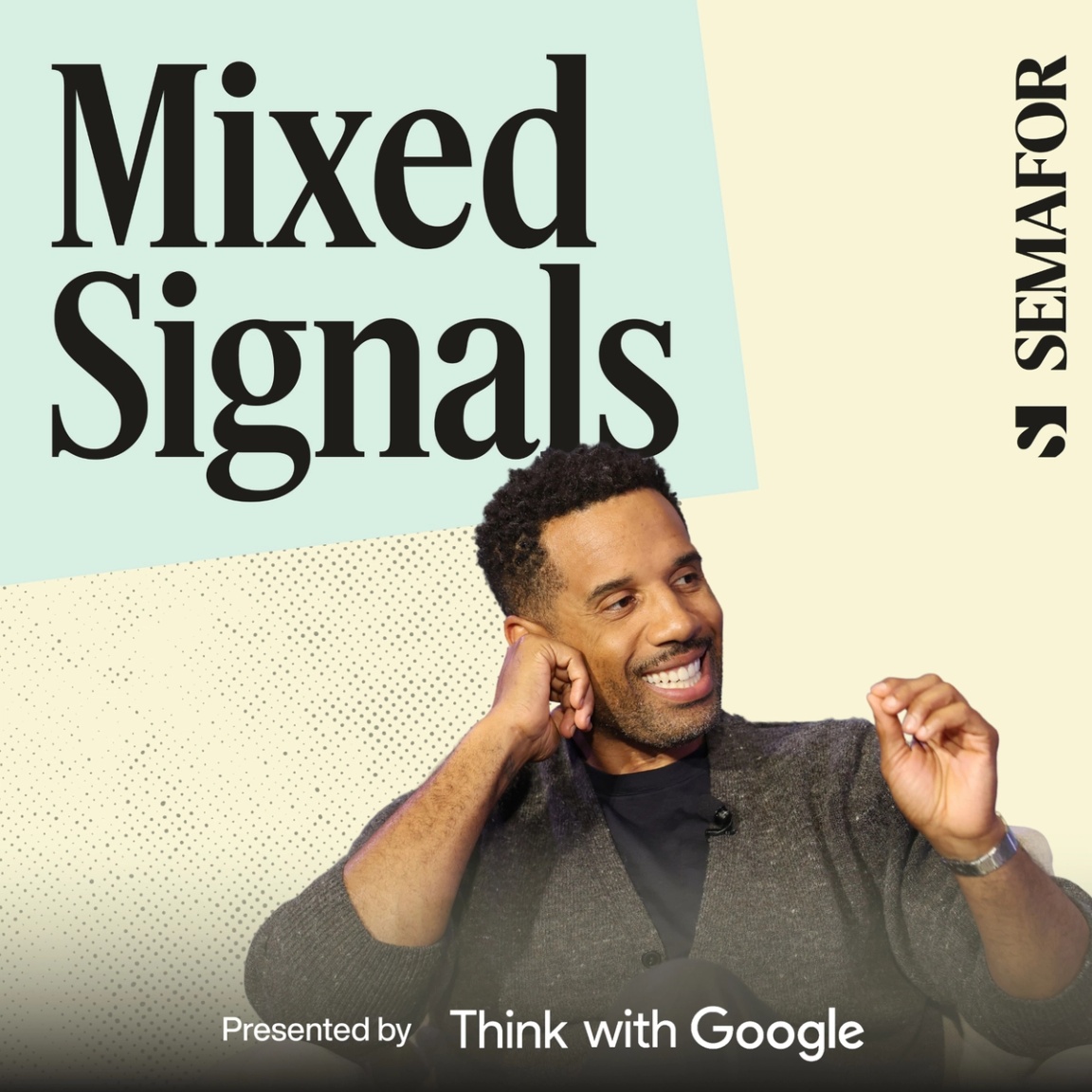 Could a more global basketball game be the NBA’s biggest opportunity? On this week’s Mixed Signals, sports media mogul Maverick Carter shares his perspective on what comes next — from scaling SpringHill Company into a global content powerhouse to rethinking how fans engage with sports. Plus, his take on the NBA’s attention economy and his foray into live and digital entertainment. |
|
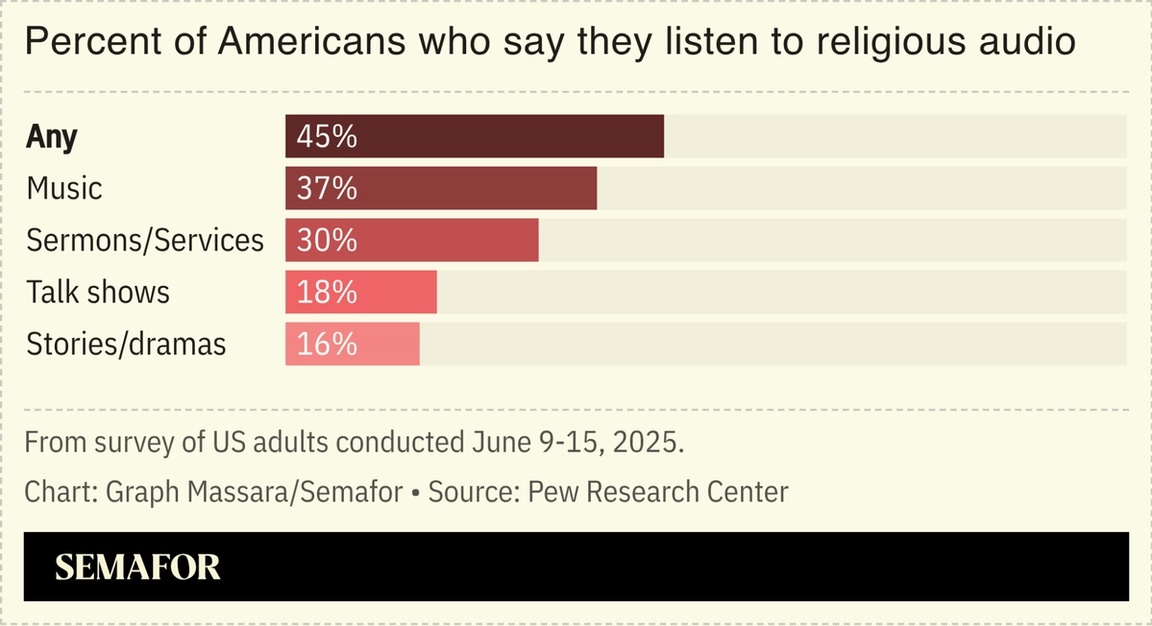 About 45% of Americans say they listen to religious audio content, which has become a different kind of political media. According to a Pew survey published last month, more people say they listen to spiritual music (37%) than sermons (30%) and talk shows (18%), and 30% of stations spend less than half an hour a day on politics. Still, roughly the same share (29%) of these stations spend more than two-and-a-half hours each day on politics and current events. And they don’t just stick to “culture war” topics: Religious stations with a heavy political focus spent an average of two hours a day talking about President Donald Trump and an hour each on crime and the economy, according to an analysis of programming conducted last July. Seven in ten listeners (and 87% of Gen Z respondents) said they get their religious content from streaming services, though many of the biggest radio shows can be found both online and on the air. — Graph Massara |
|
Vanity Fair: Tony Dokoupil may be “hospital-drama-handsome,” but some of his colleagues think he’s out of his depth at CBS Evening News, McLaughlin writes. NYT: Ellison’s private dinner for Trump last week drew in much of Trump’s Cabinet and the network’s top White House and legal correspondents, Michael Grynbaum scoops. The Atlantic: Shelly Kittleson offers a bracing first-person account of her kidnapping by Kataib Hezbollah members in Iraq, blindfolded by her own bloody stockings. Futurism: Forbes’ Kalshi-like betting widget lets readers bet fake money on real news, Maggie Harrison Dupré reports. |
|
 - Beehiiv is launching a new marke
|
|
|


