
|
 |
Why Technical Writers Should Care About Mechatronics
If you can’t explain how the system behaves, you can’t document it
|

| |||||||||||||||


There was a time when products had the decency to be one thing.
A toaster toasted. A manual explained how not to electrocute yourself while using it — specifically, “do not use in bathtub or shower,” which suggests at least one person looked at a toaster and thought, sure, let’s bring this into the one room specifically designed for water. Everyone went home slightly safer and mildly warmed.
Now you’re handed a product that contains sensors, firmware, a touchscreen, a motor, three safety interlocks, and a support article that says, “Press the button.”
👉🏾 Which button?
👉🏾 What happens next?
👉🏾 Why doesn’t that happen sometimes?
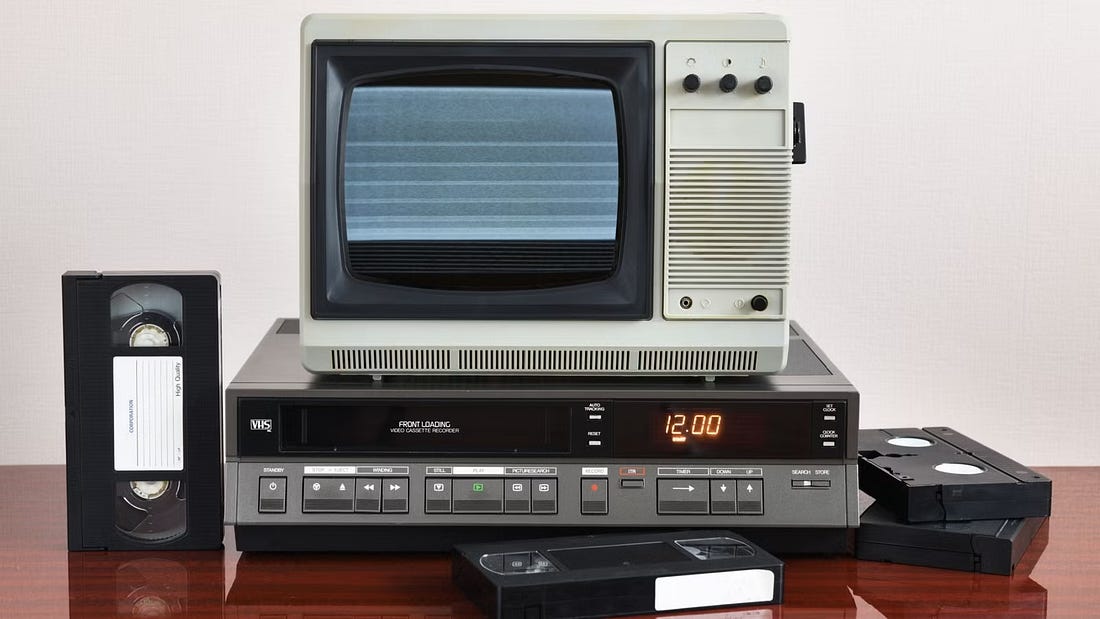 |
And why the machine is blinking at them like it knows something they don’t — which, historically, has not gone well for humans. If you need a cultural reference, think of the VCR clock blinking “12:00” for eternity because no one in the household wanted to admit defeat and read the manual. There’s an entire genre of jokes about this phenomenon.
Welcome to mechatronics — you’ve probably been documenting it for years without anyone bothering to tell you what it’s called.
The Moment Products Stopped Being Polite
Mechatronics is what happens when engineers stop pretending their disciplines live in separate apartments and start sharing a kitchen. It blends mechanical engineering, electronics, software, and control systems into one integrated system. Not “a machine plus some code,” but a system designed to sense, decide, and act.
Why does this matter? Because this isn’t just a stack of technologies. It’s a design philosophy that aims to help us ensure everything works together from the start.
