|
|
|
|
| Q |
|
Can you delay menopause by being on birth control that makes you miss your period? |
|
|
| A |
|
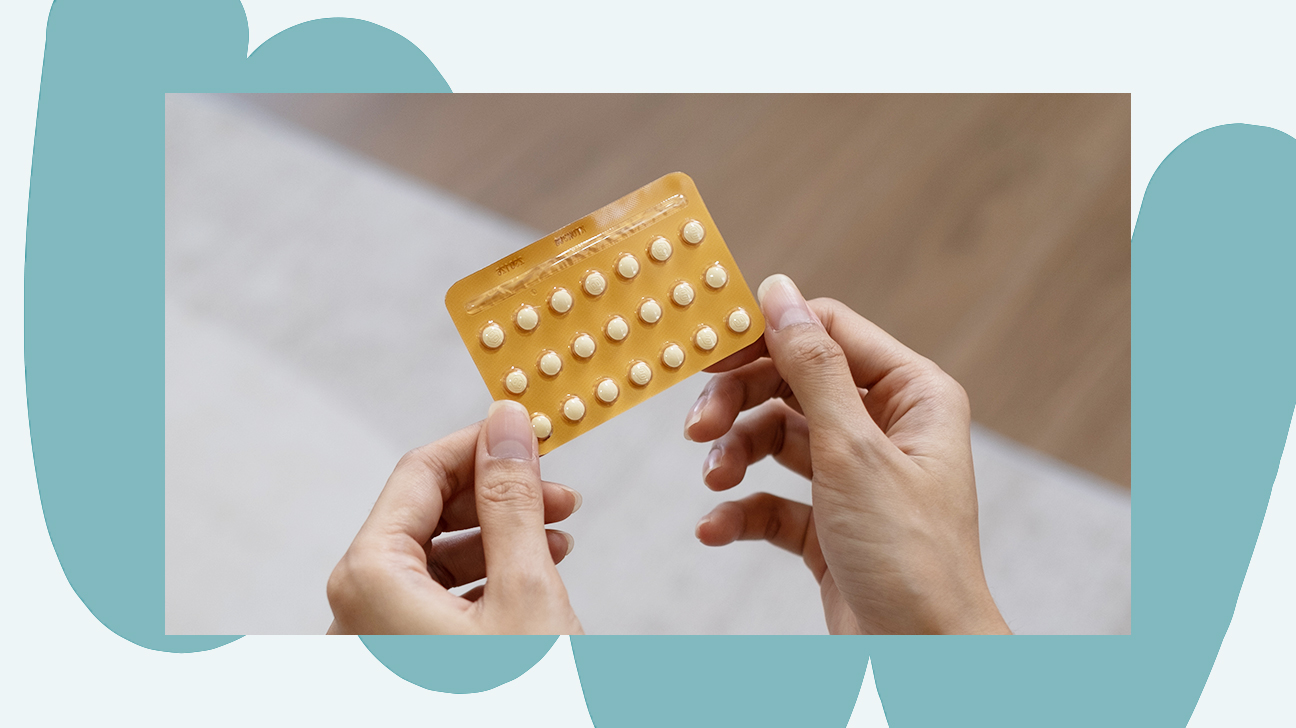
Birth control that causes missed periods does not delay menopause. While these methods can stop your monthly bleeding, they do not change when your ovaries naturally stop working or when menopause occurs.
Menopause happens when your ovaries run out of eggs and stop producing hormones like estrogen. This is a natural aging process that typically occurs around age 51, but may be earlier or later for some people. Birth control methods work differently. They prevent pregnancy and can stop your periods by controlling hormone levels in your body, but they do not affect the underlying aging of your ovaries.
Many types of birth control can cause you to have fewer periods or no periods at all. These include birth control pills taken continuously without breaks, hormonal IUDs, implants, and injections. When used this way, many people experience lighter bleeding or a complete absence of periods.
However, stopping your periods with birth control is not the same as reaching menopause. Your ovaries continue to age at their natural pace regardless of whether you are having periods. Think of it this way: birth control masks the signs of your menstrual cycle, but it does not pause the biological clock that determines when menopause will occur.
During perimenopause, the years leading up to menopause, birth control can actually be very helpful. It can manage irregular bleeding, reduce hot flashes, and provide reliable pregnancy prevention since pregnancy is still possible during this time. Some people use birth control throughout perimenopause and transition directly to menopause hormone therapy when appropriate.
When you stop using birth control in your late 40s or early 50s, you may discover that you have already reached menopause, but this happened on its own timeline, not because of the birth control. The birth control simply prevented you from experiencing the typical perimenopausal symptoms and irregular periods that would have otherwise occurred.
If you are using birth control and wondering about menopause, talk with your healthcare professional about the best approach for your situation.
|
|
|
|
|
|
|
| Do you have any other questions for our menopause experts? Let us know at menopause@healthline.com, and the answer may be featured in an upcoming edition! |
|
|
|
|
|
|
|
|
|
|
|