
| Forwarded this email? Subscribe for more |



 |
| By Niall Ferguson | PREVIEW |
“In economics, things take longer to happen than you think they will,” the economist Rüdiger Dornbusch famously observed, “and then they happen faster than you thought they could.”
He had financial crises in mind. In history, and especially the history of war, it’s different. Wars take much less time to start than you think they will, and last much longer than you thought they could.
Looking back on the first few months of my writing about the full-scale Russian invasion of Ukraine in February 2022, I consistently underestimated how long the war would last. At first, like most Western intelligence agencies, I assumed Ukraine would be overrun. Then, when I realized the Ukrainians had won the Battle of Kyiv and halted the Russian advance, I expected there would be a ceasefire. It took me until the end of the year to use the word stalemate. Four years, two months, and two weeks since it began, the war rages on. I know of no one who at the outset foresaw a war that will soon have lasted as long as World War I.
 Niall Ferguson with Aaron MacLean Live in NYC Join Aaron MacLean and renowned historian Sir Niall Ferguson for a special live recording of School of War at the iconic New York Historical on May 19. Head here for tickets. |
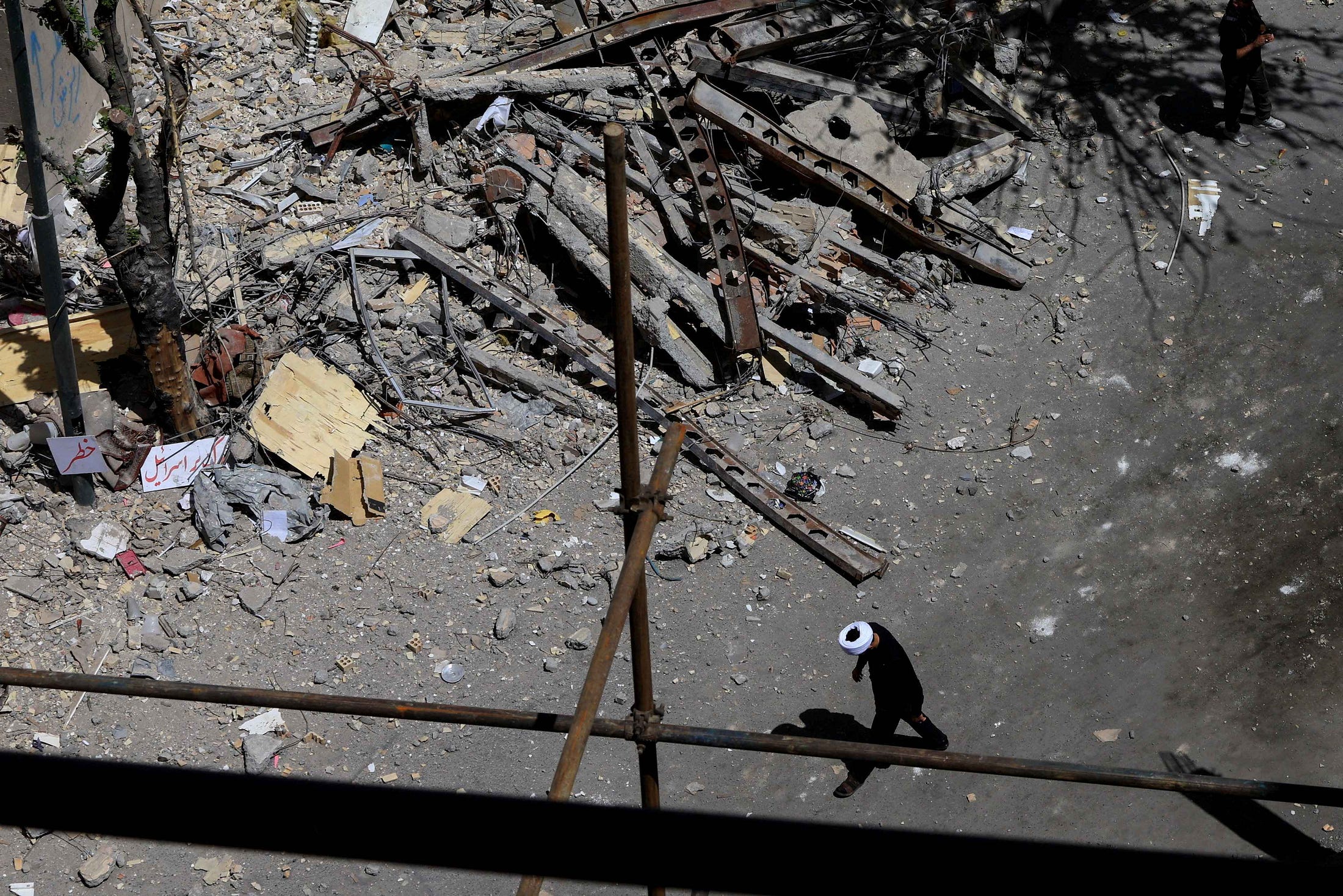
I begin to wonder if I have made the same mistake with the U.S. war against Iran. When Operation Epic Fury was launched on February 28, I was confident of one thing: that it would be a short war. Well, here we are, nearly 10 weeks later.
Of course, you may be one of those cheerful optimists who thinks the war is already over—indeed, that it ended with the ceasefire announced on April 8. But a ceasefire is not a peace agreement. Consider the events of the past week.
On April 29, leaked American diplomatic cables revealed that the administration was exploring the possibility of a new international coalition to restore freedom of navigation in the Strait of Hormuz. On May 4, U.S. Central Command (CENTCOM) announced Project Freedom, a quasi escort mission designed to open the strait to outbound shipping. Later that day, Iran launched a drone and missile attack on the United Arab Emirates, the first since the ceasefire began. The Islamic Revolutionary Guard Corps (IRGC) also launched drones and missiles at U.S. ships. The U.S. said it sank six Iranian fast-attack boats as they swarmed commercial vessels.
The ceasefire was literally over. Wasn’t it?...
Continue reading 'Niall Ferguson: The Iran Stalemate' | |||||||||||||||||||||||||||
Or | |||||||||||||||||||||||||||
|


