Designer Fredrik Paulsen, a pewter vase by Ernst Svedbom and modern Japanese architecture through the lens of photography.
|
Wednesday 13/5/26
|

|
|
London
Paris
Zürich
Milan
Bangkok
Tokyo
Toronto
|
|
|
|

craft brew
This week’s dispatch begins in a garden, specifically that of the Monocle Design Award-winner for best landscape and construction. Then we speak to Fredrik Paulsen, the Stockholm-based designer who finds inspiration in raves and subcultures, and covet the pewter prowess of an Ernst Svedbom vase from the 1950s. Plus: ‘Ka Me Ra’, a book considering modern Japanese architecture through the lens of great photography. But first, Petri Burtsoff reports from Iceland.
|
|
OPINION: petri burtsoff
Raw materials
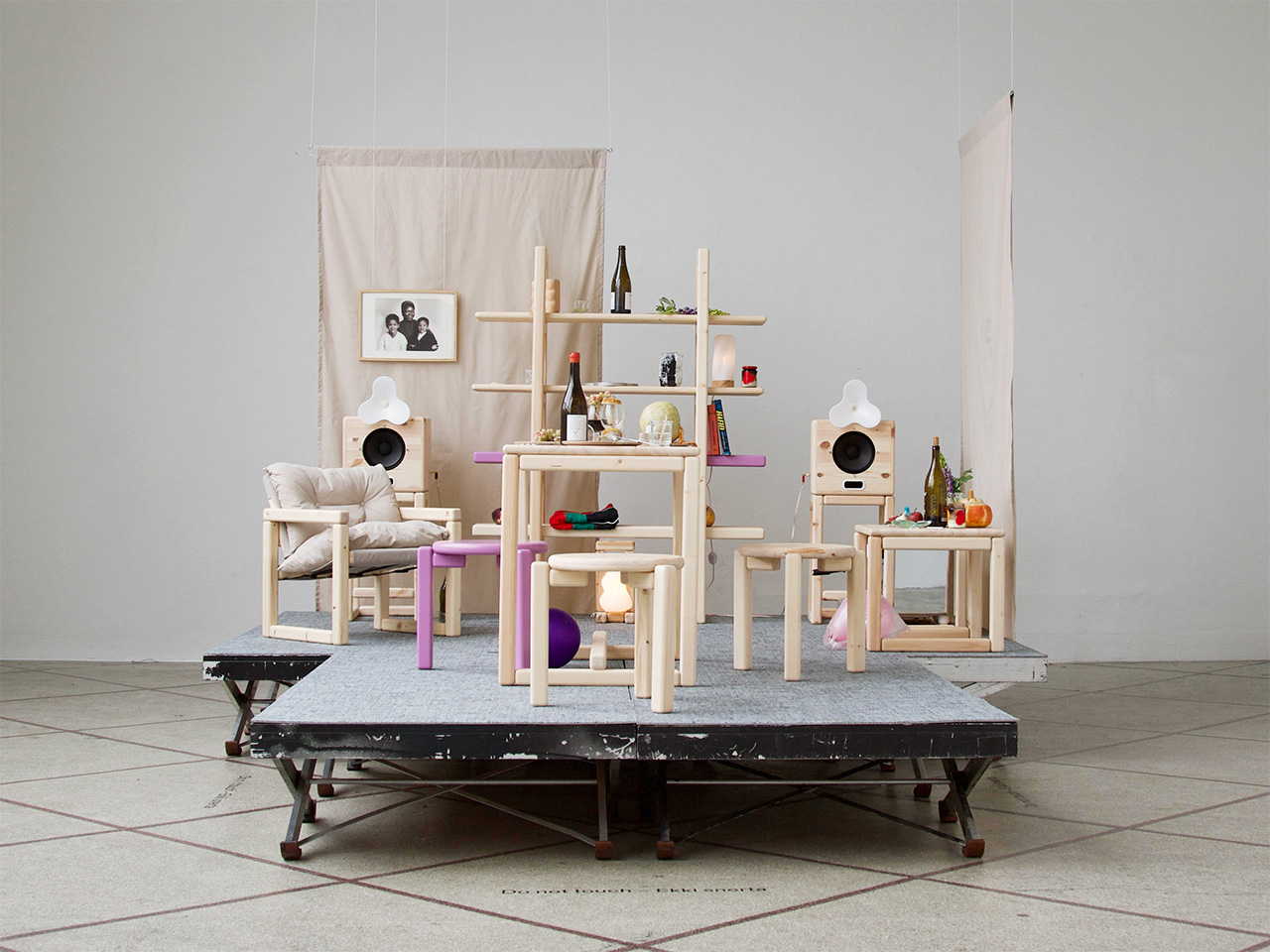
Visiting DesignMarch – a five-day festival showcasing the latest in Icelandic design, fashion and architecture which came to a close last Sunday – I was reminded of the raw power of design and its intrinsic connection to nature, tradition and identity. It’s a close relationship that many Nordic design cultures share but it exists in perhaps its most raw and untamed form in Iceland.
To be clear, I don’t think that there is anything wrong with “design for design’s sake”, people wanting beautiful furniture and objects simply because they are beautiful. Still, after experiencing DesignMarch, I found it refreshing to meet designers whose work responds to material scarcity and the innovation that it engenders, where functionality is driven more by necessity than aesthetics.
|
This contrast serves as a reminder of something that can sometimes feel lost in the West: that craft and design are not merely decorative but closely connected to how people live and adapt to their environments.
Iceland’s geography has shaped much of the work on show at DesignMarch. Local designers often make use of materials that are abundant nearby but rarely used in industrial production. Designer Brynjar Sigurðarson has experimented with heat-treated Alaska poplar, a fast-growing tree species on the island, and produced furniture with lava stone. Elsewhere, Sap Arkitektar is researching lava as a future building material. “Lava is our trees in a way or our bricks,” says architect Arnhildur Pálmadóttir. “We don’t have many resources.”
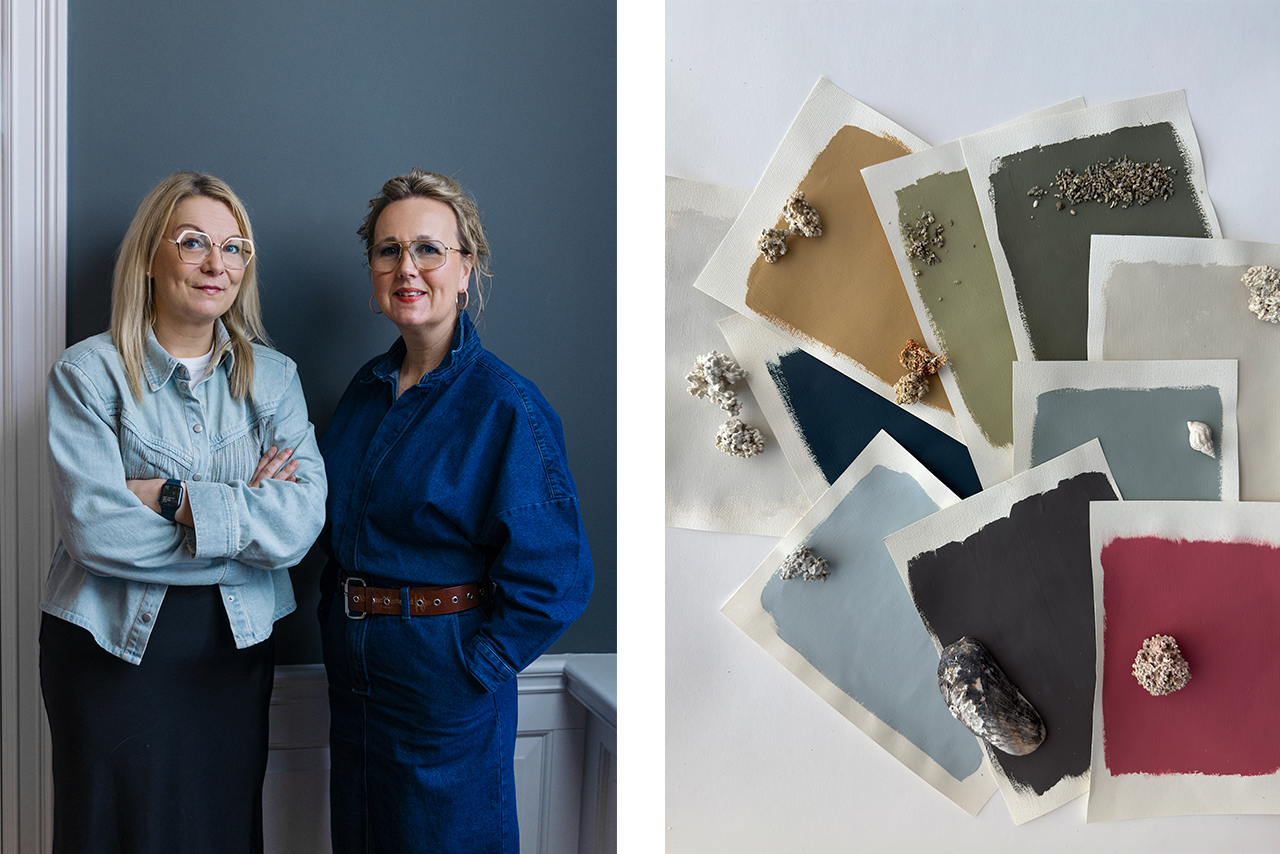
That scarcity has helped to forge a more self-reliant design culture. Because of Iceland’s remote location, importing raw materials is expensive and environmentally taxing. When designers have fewer materials to draw from, they are often forced to innovate. Paint studio Dýpi (pictured, below) has developed chemical-free paints from algae. Elsewhere, volcanic basalt has been turned into furniture and discarded road barriers reused as building materials.
|
Additionally, because the local scene is still relatively young and lacks the industrial base found elsewhere in Europe, it has developed with fewer conventions and more freedom to experiment. “Designers in Iceland are more spontaneous,” says Sigurðarson. “You have this explosive, creative power rather than the refined and detailed precision that characterises the industry elsewhere.”
Design, architecture and fashion are too often siloed but at DesignMarch they overlapped naturally. At Ásmundarsalur – an art space housed in a functionalist 1933 building – fashion shows and furniture exhibitions took place side by side. Collaboration is often necessary in a small creative scene. “How we live and what we wear are intimately connected,” curator Anna Clausen tells Monocle.
At a time when many people question the relevance of design and fashion weeks, DesignMarch spoke to their importance for regional creative communities. In a young, still-developing creative culture such as Iceland’s, these events carry significance beyond commerce. “We get the courage to speak louder,” says DesignMarch director Helga Ólafsdóttir. “To be proud of what we have.”
Petri Burtsoff is Monocle’s Helsinki correspondent. For more news and analysis, subscribe today.
|
|
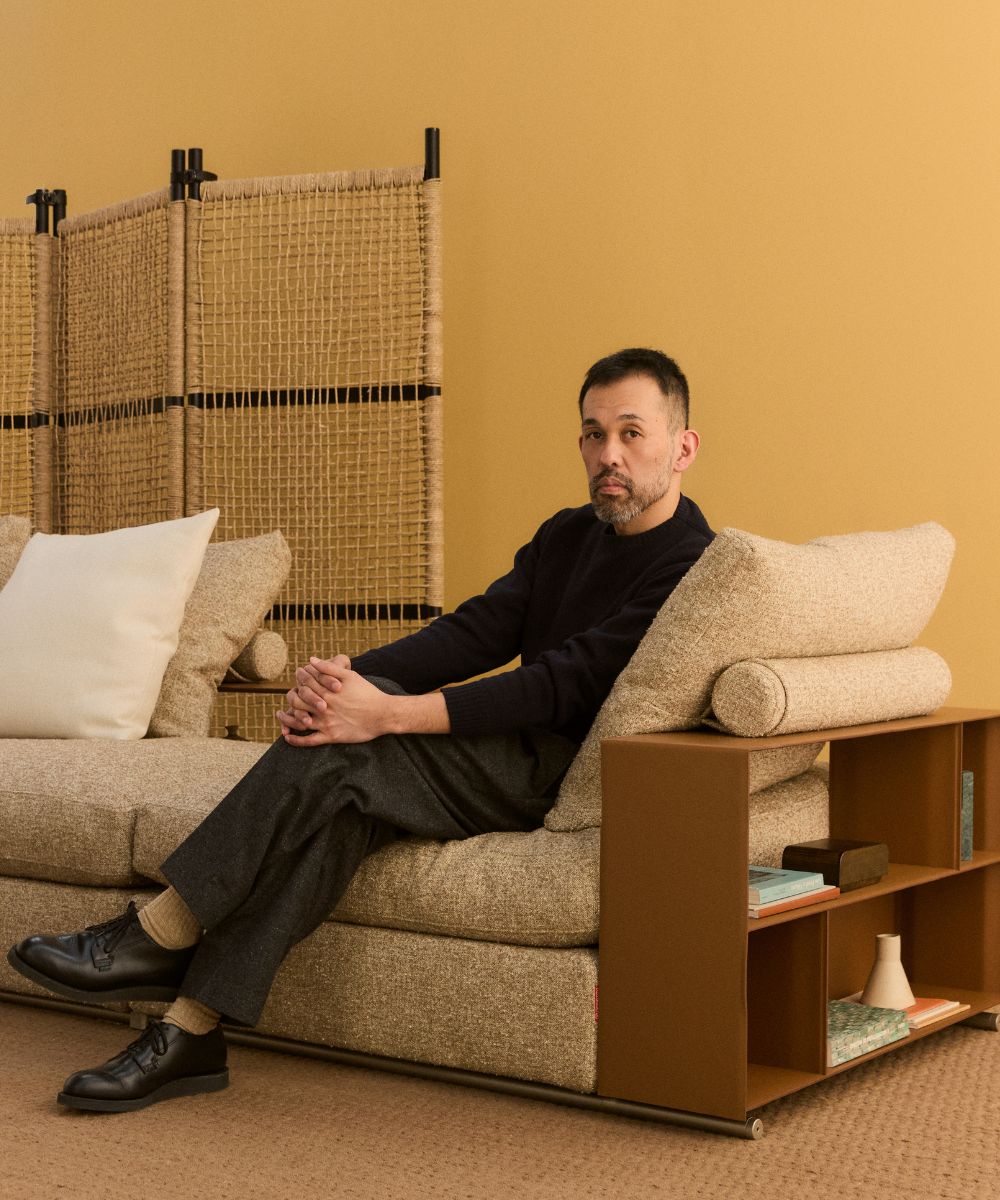
Keiji Takeuchi in conversation from the Groundpiece sofa
|
the project: Robert Plumb Collective with Dangar Barin Smith, Australia
Grassroots architecture
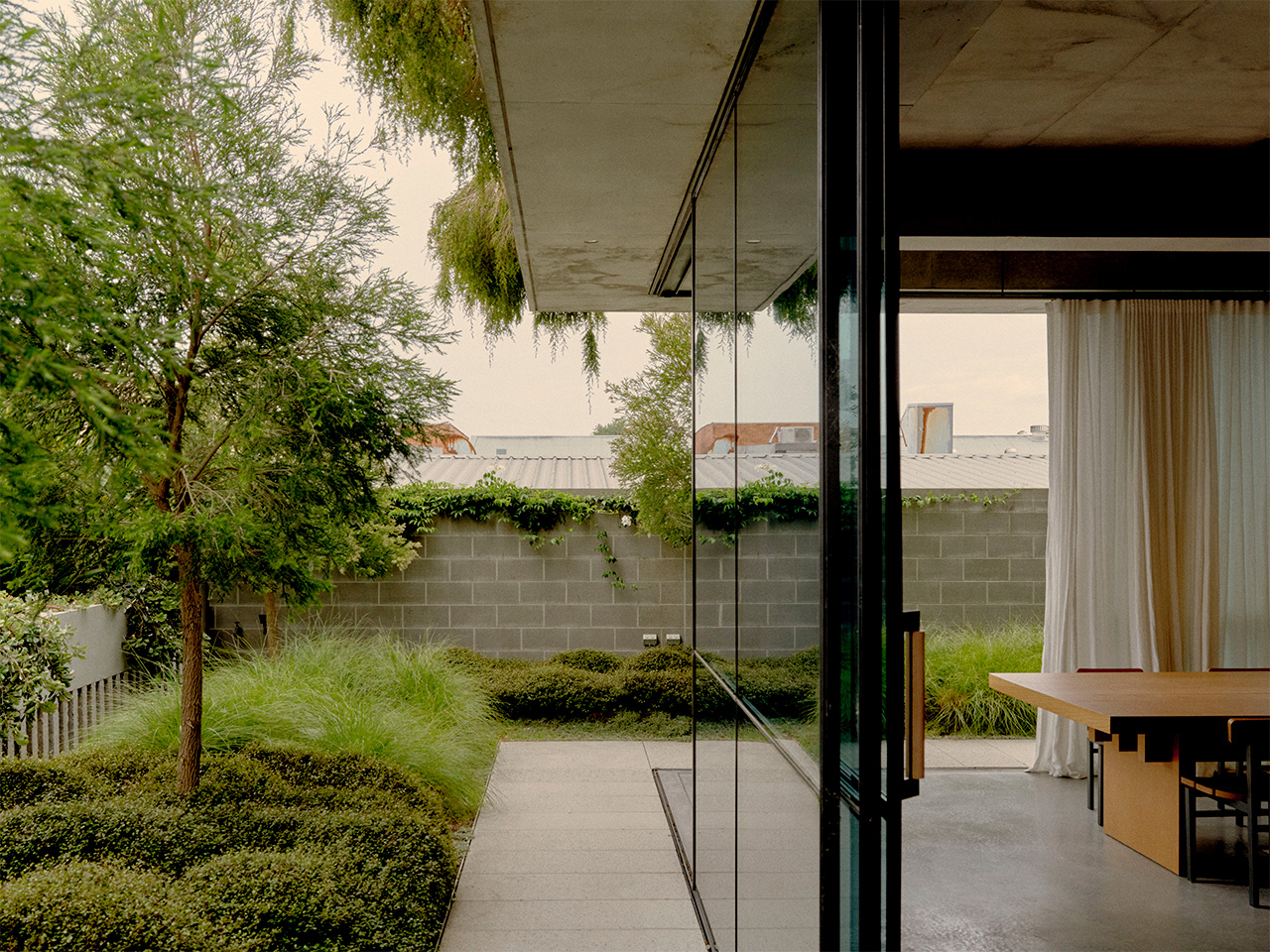
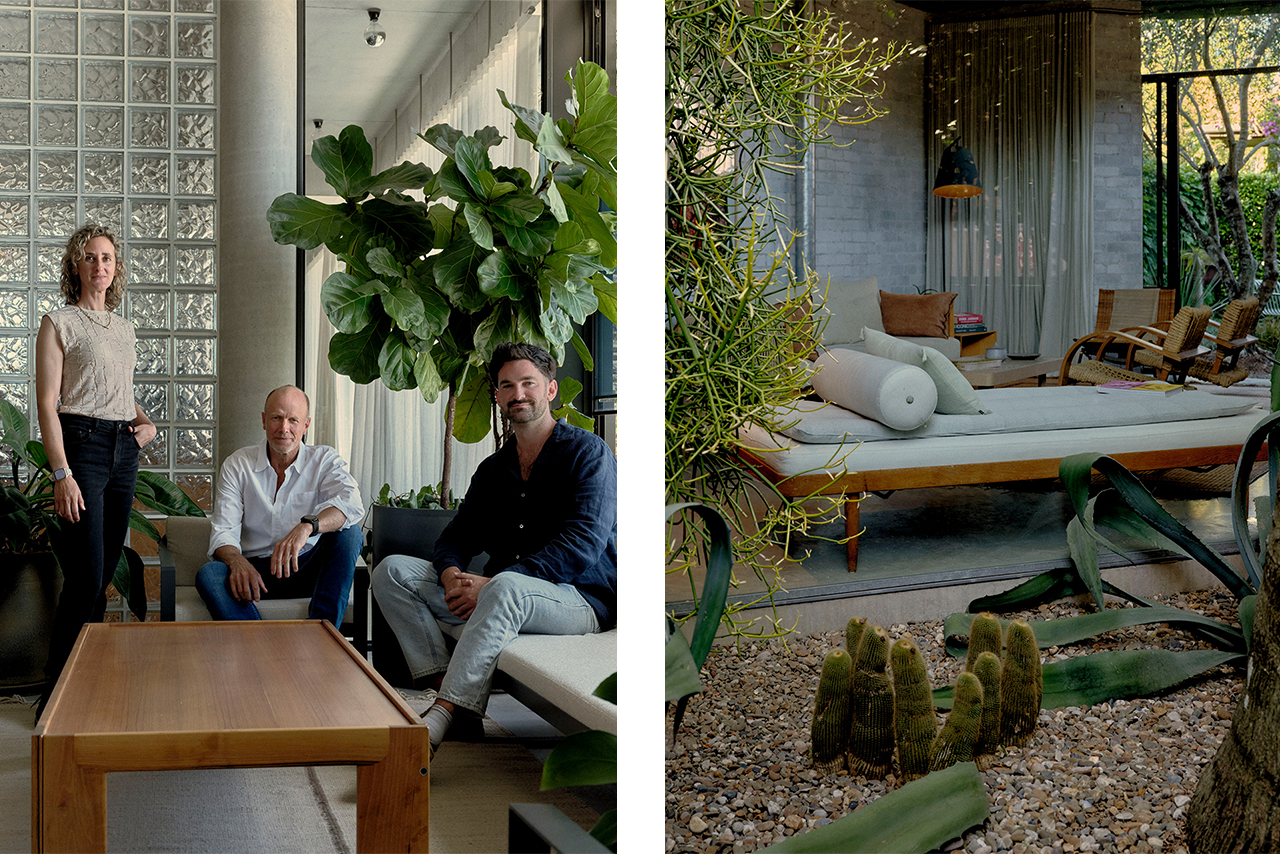
“Dangar Barin Smith started as a lawnmowing business in the 1990s and evolved into a creative practice,” says Will Dangar. “Then Robert Plumb was just sort of tacked on.” Dangar is explaining the evolution of landscape and contracting group Robert Plumb Collective (RPC), which he established and co-owns with Bill Clifton. “I was making furniture and doing some installing for Will,” adds the latter. “We had the same accountant, who said that it would be a good idea to team up.”
|
|
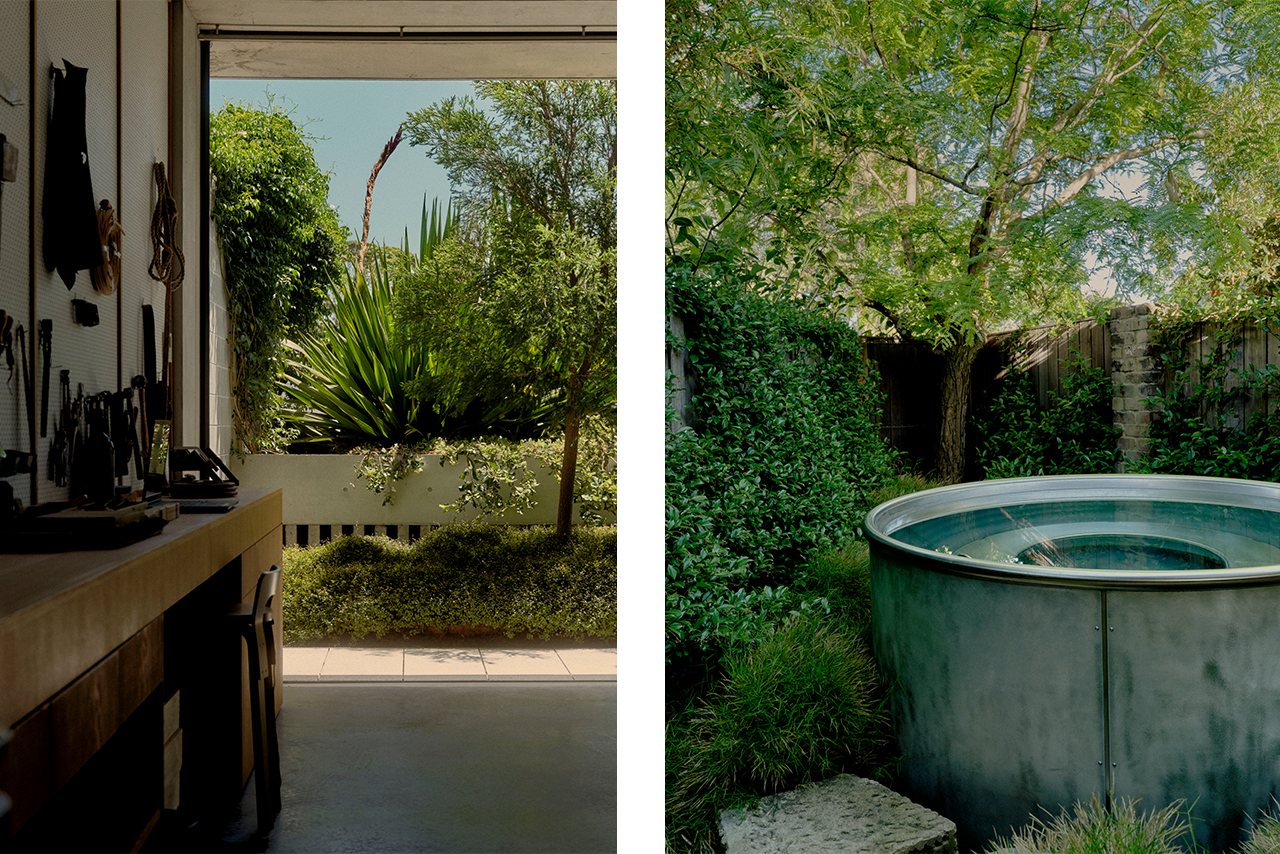
In the decades since, the creative practice – now a landscape-architecture studio run with Naomi Barin and Tom Smith – became the headline act, delivering some of Australia’s best residential and commercial spaces, prioritising horticulture as much as physical construction. Robert Plumb Build is an evolution that now includes a family of businesses including Cranbrook Workshop and waste-minimising research practice Second Edition. “We can control much of the process in-house, eliminating risk,” says Clifton, pointing to projects such as Love Shack, a small dwelling that was built in a private garden, featuring materials developed by Second Edition. Bismarck House is another standout. Here, RPC built a landscape defined by a Bismarck palm that provides instant visual impact – an apt metaphor for a company shaking up how our homes and landscapes are delivered.
robertplumbcollective.com.au;dangarbarinsmith.com.au
Robert Plumb Collective with Dangar Barin Smith won the prize for Best Landscape and Construction in this year’s Monocle Design Awards. See the full list of winners here or order a copy of the May issue online.
|
|
WORDS WITH... Fredrik Paulsen, Sweden
Rave reviews
Stockholm-based designer Fredrik Paulsen built a practice that challenges the traditional polish and restraint of Scandinavian design. His multidisciplinary work includes furniture, objects and installations, with a focus on anti-consumption and counterculture. Paulsen, a graduate of Beckmans College of Design and London’s Royal College of Art, combines playfulness with a critical view of commercial priorities. In 2024 he received the Bruno Mathsson Prize, the Nordic region’s leading design award. Here, Paulsen shares his perspectives on the industry, his influences and the importance of maintaining a lighthearted approach in contemporary design.

|
What designer or movement has influenced you the most?
Brutalist architecture from the 1950s to the 1970s. I’m drawn to its strong character and pragmatic, modernist approach. Its use of raw, industrial materials, often concrete, and its lack of pretence feel deeply honest. This directness and clarity align with my approach to making objects.
The sky’s the limit: which piece of furniture would you love to own?
The Mobile Giallo cabinet by Ettore Sottsass. It is functional yet highly expressive, almost sculptural. I appreciate how it balances joy and sophistication in an unexpected way. Its bold colours and oversized golden doorknobs make it distinctive. The piece is playful and confident while maintaining refinement.
A recurring source of inspiration?
Subculture, particularly clubs and illegal raves. I revisit it for both visual language and energy. Venues such as Manchester’s Haçienda, a UK rave epicentre in the 1980s and 1990s, are especially inspiring. I often seek new ideas from broader cultural expressions rather than from other designers.
A favourite project that you’ve worked on?
Joy Objects, my own brand, because it brings together all my interests and skills. Beyond designing the objects, I have shaped the entire brand identity, including sales, communication, and language. This holistic approach is deeply satisfying.
A dream commission?
I am most interested in larger projects that allow me to create an entire environment rather than focus on a single object. I recently designed a pavilion for the Nobel Prize organisation in Stockholm, which I greatly enjoyed. My dream commission would be to make a pavilion for the Serpentine Galleries in London.
A priority for you or the industry in the coming years?
For both myself and the industry: relax. It is important to pause and reflect. Consider what you are doing, why you are doing it and for whom. There is a genuine need to slow down, reassess priorities and create space for more meaningful cultural expression.
Which city has the best design scene?
The best city is one where affordable warehouse space and a supportive, engaged community are available. Hackney in the early 2000s offered this environment when I was at the Royal College of Art. Today I would choose Malmö. It remains under the radar but has strong creative energy, diversity and an inspiring design scene.
For more from designers such as Fredrik Paulsen, tune in to ‘Monocle on Design’ on Monocle Radio.
|
|
from the archive: Pewter vase by Ernst Svedbom, Sweden
Tin palace
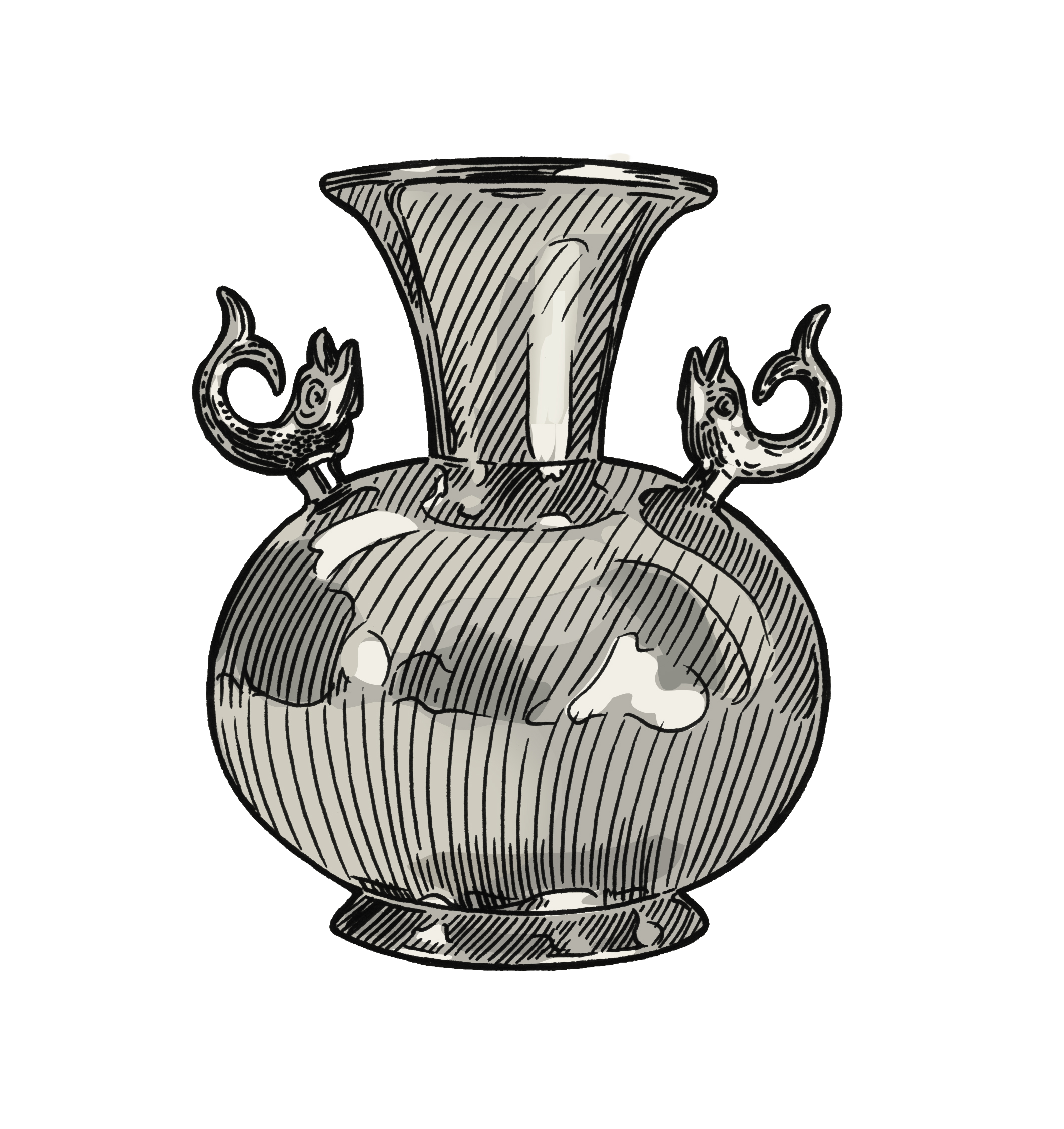
When Estrid Ericson opened Svenskt Tenn in 1924, the company had a straightforward purpose. Pewter, otherwise known as tin, was becoming a fashionable material for crafting tableware and objets d’art, and Svenskt Tenn – literally “Swedish Pewter” – would produce such pieces in its central Stockholm workshop. Pewter is cheaper and less precious than silver but it still makes for elegant homewares, as exemplified by this fish-flanked vase.
|
Over the years, Svenskt Tenn held onto its origins in the Swedish grace design movement. This Ernst Svedbom vase from the mid-1950s mixes a modernist simplicity with playful ornamentation. By already producing its pieces in pewter, Svenskt Tenn promoted a less formal attitude in homemaking. The material is not so valuable as to be reserved for special occasions but as tin is a soft metal, it is bound to eventually collect little dents and notches. Arguably, this patina only adds to a piece’s appeal – and indeed, there is a lively online market for vintage Svenskt Tenn works that already show marks of a life well lived.
svenskttenn.com
|
|
around the house: ‘Ka Me Ra: Modern Japanese Architecture through the Photographer’s Lens’
Photo finish
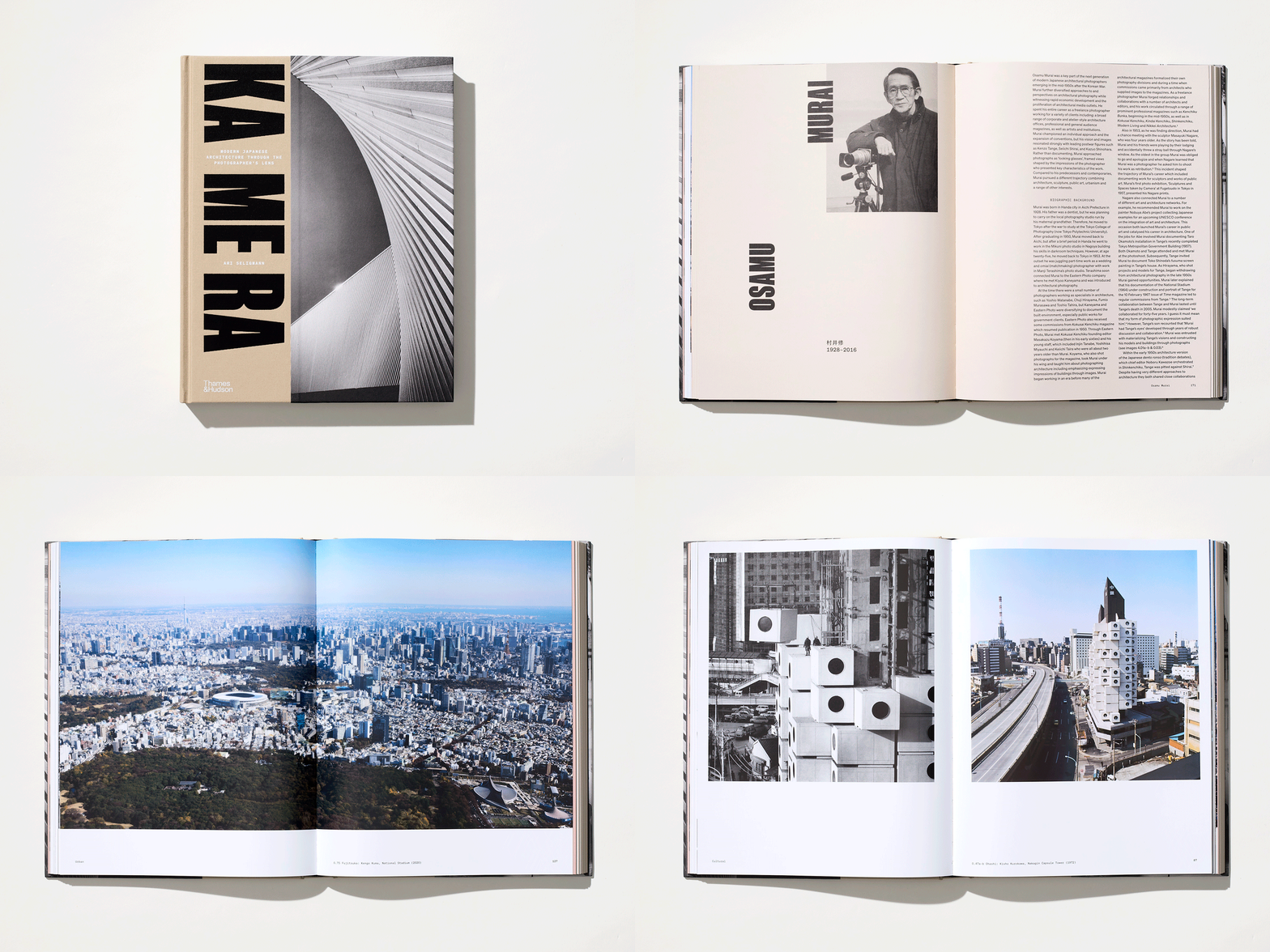
According to the curator and founder of the photography festival Photo Australia, Elias Redstone, “architecture relies on its photographic image to be mediated and made public [because] photographs have the ability to influence and transform the way people perceive and value a building”. This is the premise behind Ka Me Ra, a new publication by Thames & Hudson.
Gathering the works of nine 20th-century photographers from across Japan with words by the Melbourne-based critic and historian Ari Seligmann, this book is an exploration of post-war Japanese architecture, from temples and residences to public buildings. Most interestingly, it looks at the development of architectural photography not only as a tool for documentation but also as a device that shapes our understanding of a place’s architecture within a wider political context.
thamesandhudson.com
|
|
PREFER MONOCLE.COM ON GOOGLE?
Amid the din of modern news, including us as a preferred Google source helps to push our reporting to the surface when you need it. Tap here to do just that.
|
|
| | |