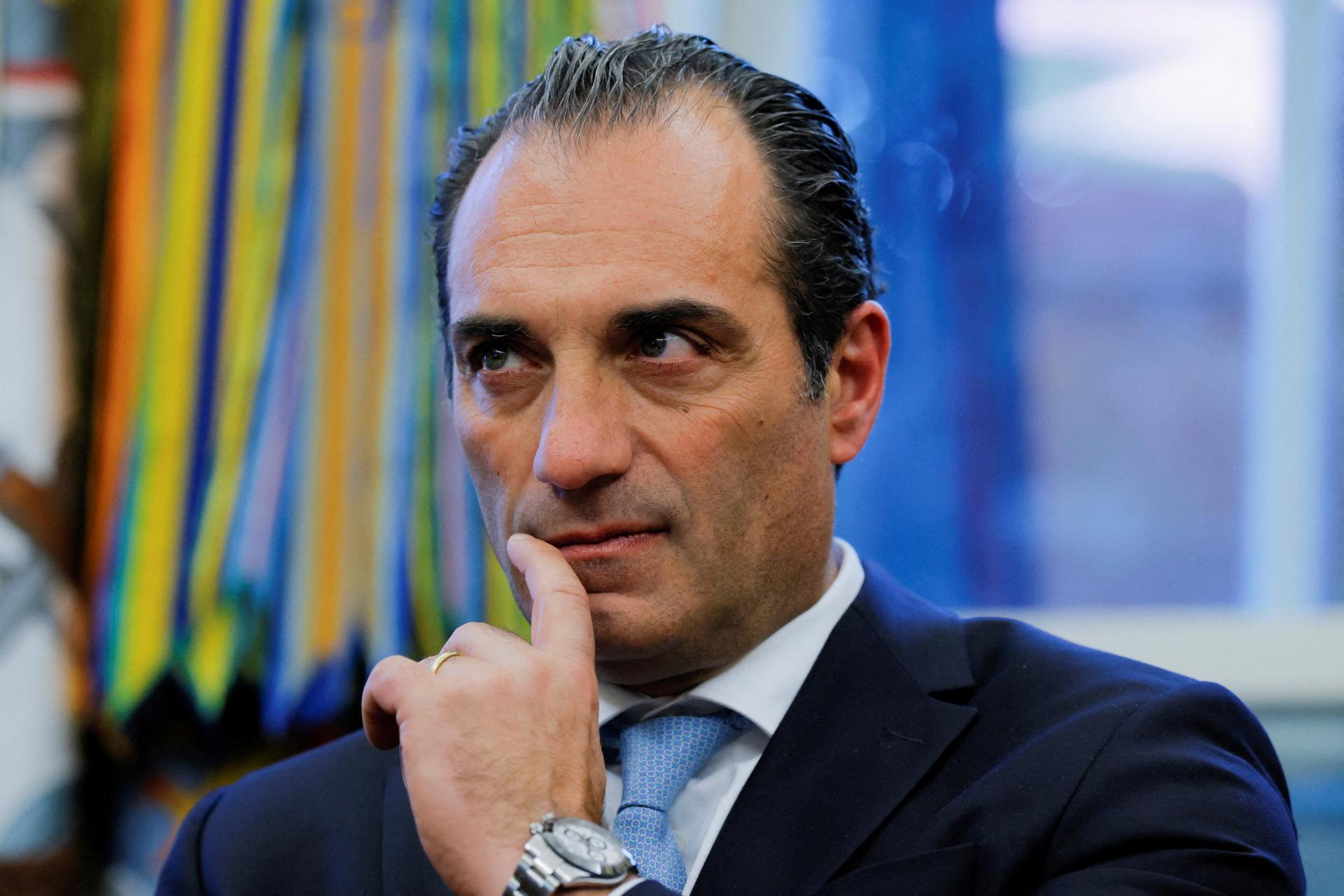
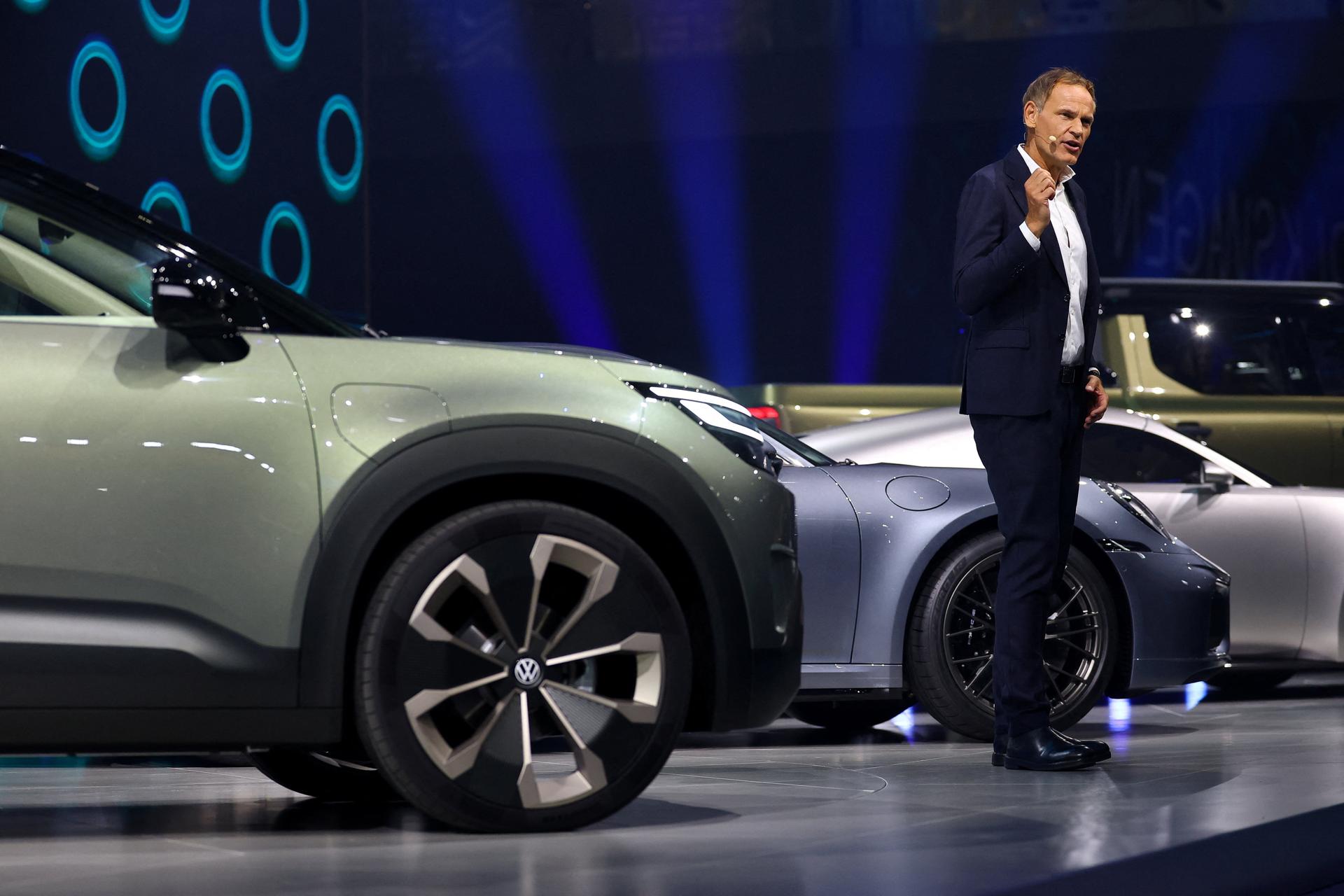
Stellantis laid out a sweeping €60 billion strategy this week that marks a clear shift under new CEO Antonio Filosa.
Unlike former CEO Carlos Tavares, whose strategy relied heavily on internal execution and aggressive cost cutting, Filosa is leaning into partnerships to reduce costs and accelerate product development timelines.
The group plans to launch 60 new models by 2030 spanning combustion engine, hybrid and electric vehicles, while also simplifying platforms and trying to monetise its chronic problem of excess factory capacity.
The list of partners says a lot about where the industry is heading.
On manufacturing, Stellantis is expanding ties with Chinese automakers Leapmotor and Dongfeng, while also working with Tata Motors and Jaguar Land Rover in the United States. On technology, it is relying on companies such as Qualcomm, Applied Intuition and British self-driving startup Wayve.
The message from Filosa is clear: legacy automakers can no longer afford to do everything themselves.
That may end up being the most important takeaway for others as well.