| | In today’s edition: Bessent steps into the spotlight, and the Pentagon’s move to allow private equit͏ ͏ ͏ ͏ ͏ ͏ |
| |  | Washington, DC |  |
| |
|
 - Bessent steps up
- Pentagon-Wall St scrutiny
- More US-Iran strikes
- College sports’ road to 60
- Crime bill opposition
- Ebola crisis worsens
PDB: Record number of Americans see moral values heading in wrong direction  Vance speaks at Air Force Academy commencement … US releases revised GDP … US, Mexico begin USMCA talks |
|
Bessent to tout Trump economy strategy |
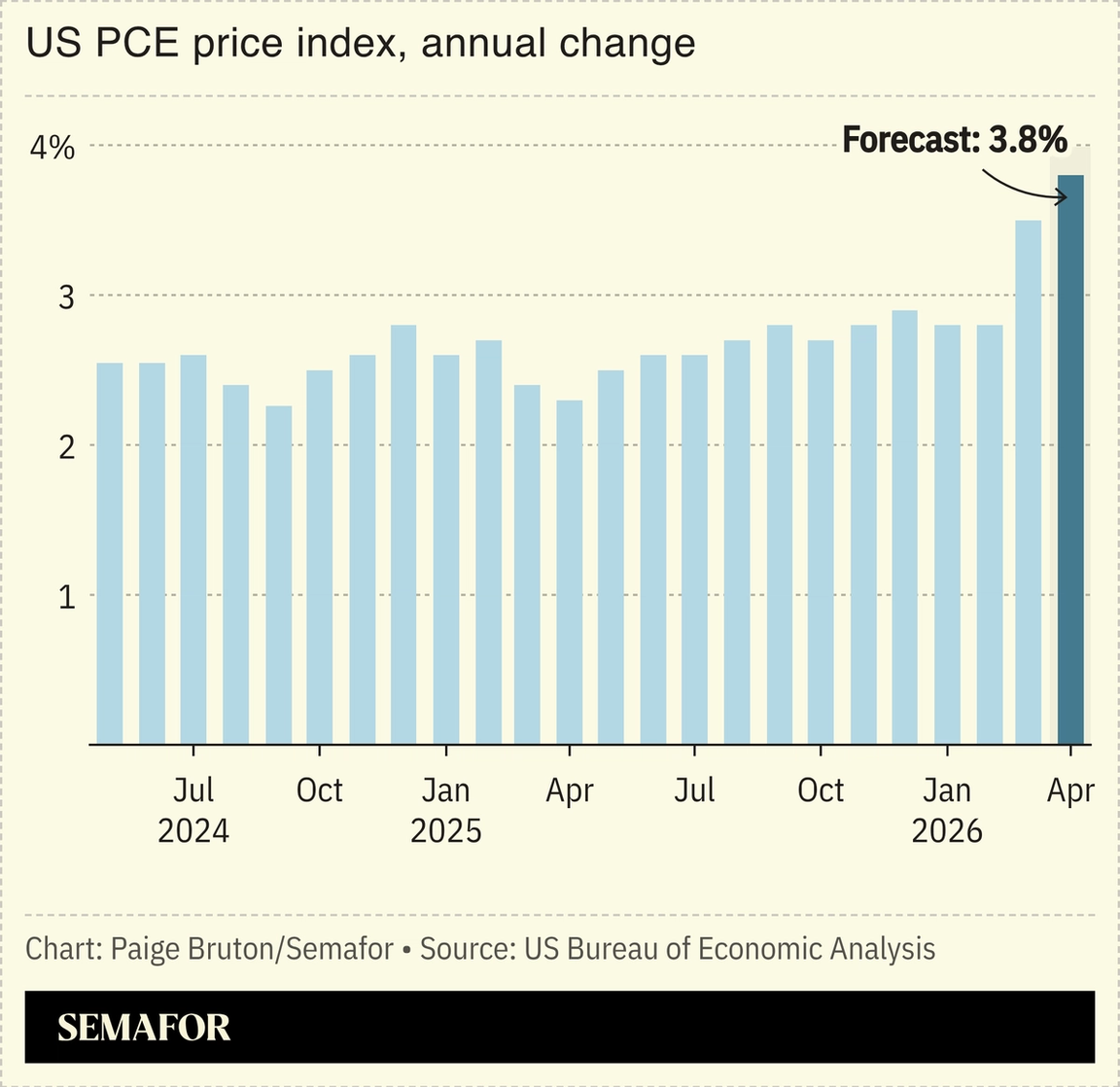 Treasury Secretary Scott Bessent will step into the spotlight today as the administration grapples with the economic fallout from the Iran war. Bessent will sub in at the White House press briefing this afternoon, before heading to the Reagan National Economic Forum tomorrow to argue that “decades of bipartisan policy failures left America strategically vulnerable — and that the White House is now executing a historic reversal,” according to a source familiar with his prepared remarks. Bessent’s briefing appearance coincides with the release of new economic data that will shed light on the now three-month-long war’s effect on consumers. The federal government will release the personal-consumption expenditures index — the Federal Reserve’s preferred inflation measure — for April, while retailers like Costco will report earnings. Yesterday, the European Central Bank warned that the war, combined with President Donald Trump’s trade agenda, risks sparking a global financial crisis. |
|
Dems warn on Pentagon Wall St push |
 Kevin Lamarque/Reuters Kevin Lamarque/ReutersThe Pentagon’s new Wall Street-style investing unit is drawing criticism from Democrats. In a letter first reported by Semafor’s Liz Hoffman, Sens. Elizabeth Warren, D-Mass., and Richard Blumenthal, D-Conn., along with Rep. Ro Khanna, D-Calif., warned that letting private-equity firms deeper into the defense base risks weakening contractors and exposing classified work to foreign investors. Semafor reported in March that the Defense Department is hiring from top investment banks for an “Economic Defense Unit” to arrange $200 billion of deals in industries central to national security. Recruits are promised “unmatched access to top-level government officials and privileged information flow — whatever you need, you can get,” according to the presentation prepared by the Pentagon’s headhunter. The Democratic lawmakers are seeking communications between the Pentagon and Wall Street investment banks, records of any deals the new unit has done, and conflict-of-interest policies tied to the operation. |
|
US strikes Iran, Trump threatens Oman |
 Stringer/Reuters Stringer/ReutersThe US attacked Iranian military targets for the second time this week and Iran targeted an American air base, likely in Kuwait, dampening hopes of a peace deal. Washington said the latest strikes, which saw the US military shoot down Iranian drones fired at a ship and hit a launch site near the Strait of Hormuz, were defensive in nature. The battle for control of the strait remains a key flashpoint in the conflict: Tehran on Thursday fired warning shots on four ships attempting to cross without authorization, while the Treasury imposed sanctions on the Iranian authority regulating the waterway and Trump threatened to “blow up” Oman if it worked with Iran to share control of the strait. Oil prices rose and stocks fell on mounting signs the strait was likely to remain closed for the foreseeable future. |
|
Murphy takes on college sports deal |
 Annabelle Gordon/Reuters Annabelle Gordon/ReutersSen. Chris Murphy is criticizing the bipartisan college sports deal rolled out by Commerce Committee leaders, the first sign of the challenges that the legislation may have in getting 60 votes. The Connecticut Democrat told Semafor that his primary worry is the bill’s proposed compensation caps — which committee leaders say can float up. Murphy warned they could constrain college athletes’ wages: “It looks like the primary impact is to limit the compensation of these athletes while doing nothing about the compensation of coaches and sports industry CEOs who are making the big bucks.” He described the bill as not “a good deal for athletes; it seems like a really good deal for the NCAA and for all the rich adults who are already making millions off of a corrupt model.” The House has already struggled to pass its competing collegiate athletics measure. — Burgess Everett |
|
Activist pressure to defeat retail crime bill |
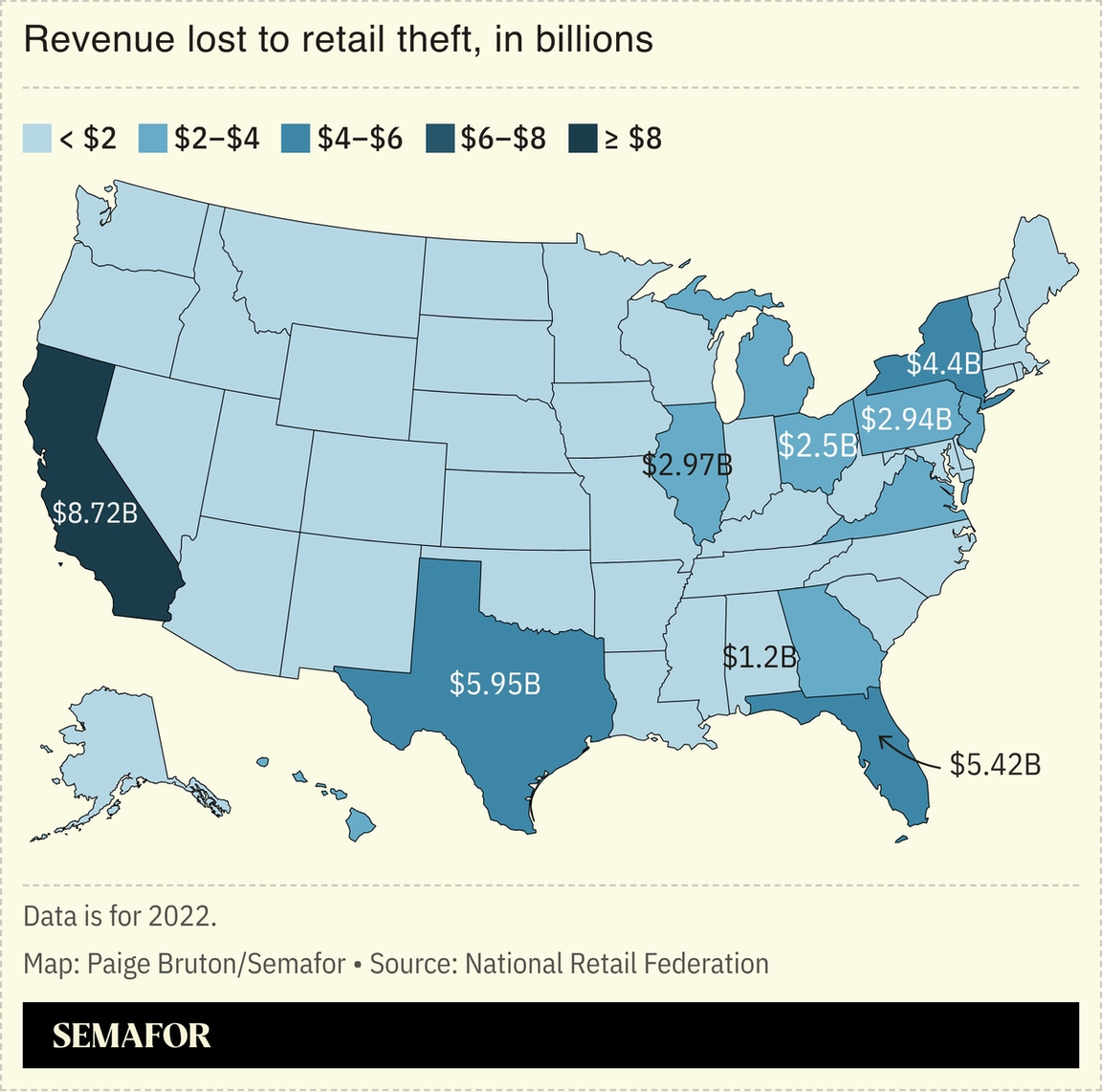 The Vera Institute of Justice and Dream.org are launching a new campaign to stop bipartisan legislation to crack down on organized retail crime and are wading into congressional races. The liberal groups are launching the “Serious About Safety Majority” effort to stop “tough on crime” legislation, according to details first shared with Semafor, and are specifically going after the House-passed Combating Organized Retail Crime Act. The groups plan to spend more than $500,000 on digital and streaming ads this year and hope to expand the effort. Insha Rahman, who leads the institute, said it’s time to push back against lawmakers who “support bills that won’t prevent crime and break its cycle but only ratchet up incarceration.” The coalition wants Democrats to stop the retail crime bill in the Senate, where one senator can slow everything down. — Burgess Everett |
|
Ebola crisis could become worst ever |
 Gradel Muyisa Mumbere/Reuters Gradel Muyisa Mumbere/ReutersA public health expert who served in the Biden administration warns that the Ebola outbreak in Democratic Republic of the Congo and Uganda could surpass the 2014 crisis to become the worst on record. “This is on track to potentially be as bad as the [2014] West African Ebola outbreak if not worse,” former US coordinator for global health security Stephanie Psaki told Semafor’s Adrian Elimian and Lauren Morganbesser. “We are on our back foot already, much more than the world was in the beginning of that outbreak.” The 2014 outbreak lasted for more than two years and resulted in 11,000 deaths. Psaki attributed the current crisis partly to the loss of US-backed aid programs. A State Department spokesperson said the administration “has responded faster to this Ebola outbreak than USAID did in responses to similar previous outbreaks in 2014 and 2018.” |
|
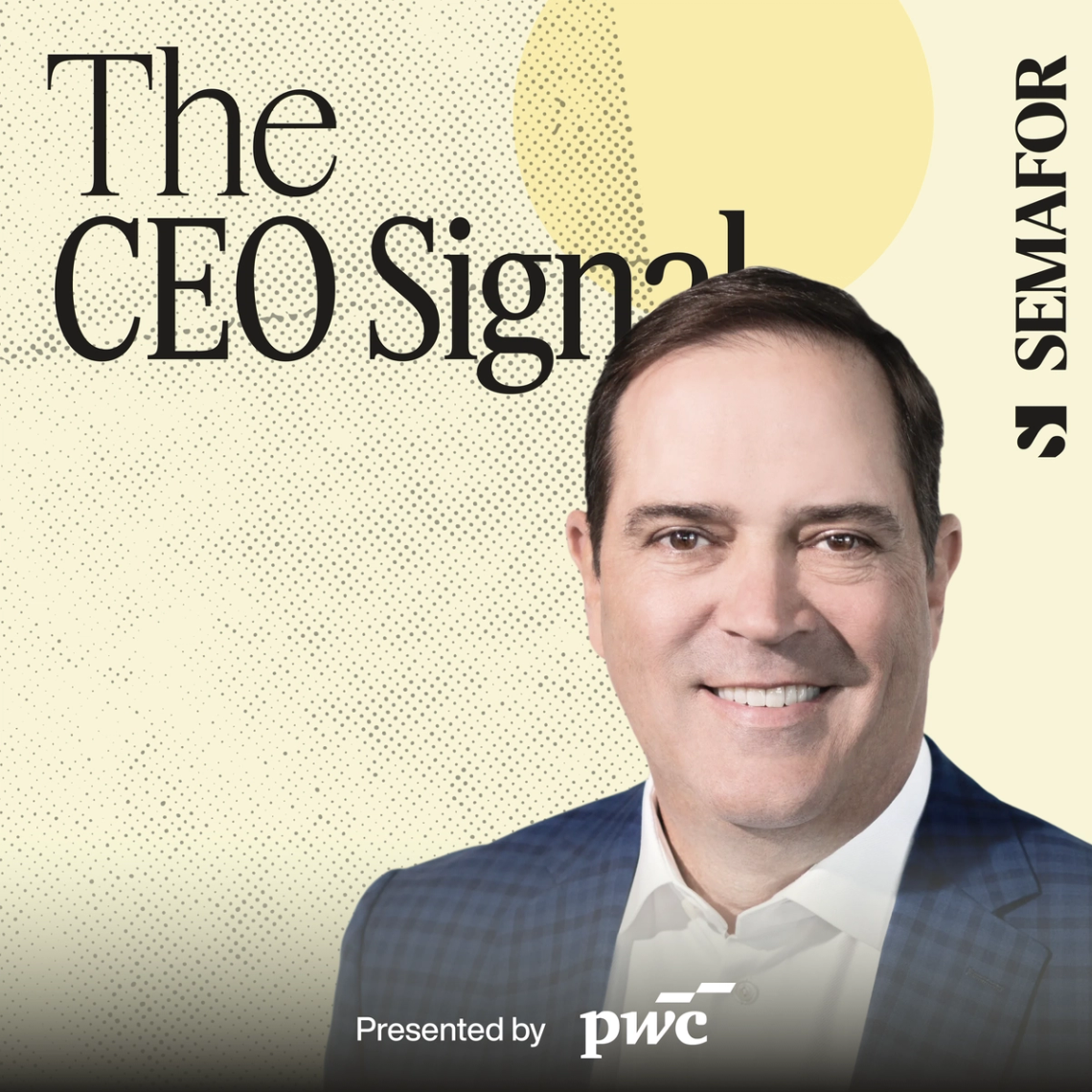 After more than a decade as Cisco’s CEO, Chuck Robbins says passive-aggressive behavior is “like death” to companies like his. On this week’s episode of The CEO Signal, presented by PwC, Robbins tells Penny and Andrew how he sets the pace for the tech giant’s shift to AI, why a bad decision beats a delayed decision, and what his approach is to people who aren’t on board with the strategy — “You get rid of them.” Robbins explains his biggest strategic calls and reflects on what he’s learned about leadership, including when to step out of the room so the CEO’s viewpoint doesn’t distort the decision-making process. |
|
Why Dems prefer their own messy primaries |
| |  | David Weigel |
| |
 The major US political parties are best understood by looking at Texas and California, whose 2026 primaries tell a clear story: Republicans are run from the top, while Democrats aren’t run at all. Texas Republicans did what the president asked them to by nominating state Attorney Gen. Ken Paxton for the job now held by Sen. John Cornyn. A 40-year scandal-free career in Texas politics is over after pro-Cornyn groups spent close to $100 million to defend him, simply because Trump said so. The polar-opposite dynamic is on view in California, where Democrats have struggled to coalesce behind one of their gubernatorial candidates after Gov. Gavin Newsom declined to endorse a successor. It’s a stark contrast: Trump can intervene to pick a winner in almost any GOP contest, while his opponents have no figure who even wants to play a Trump-style kingmaker role. |
|
 Beltway NewslettersPunchbowl News: “They may challenge it right over there in the Supreme Court,” Rep. Michael McCaul, R-Texas, said of the 1973 law underpinning Democrats’ moves to force war powers votes on Iran. “Every president since [Vietnam] has always at least verbally challenged the constitutionality of it. And I wouldn’t be surprised if this administration did that.” Playbook: A growing rift in the White House on how to regulate AI was behind President Trump’s last-minute decision to pull an AI executive order on May 21, hours before it was due to be signed. Axios: The Trump administration believes Cuba’s government could collapse as soon as this summer, with the military drawing up response plans should the island nation descend into chaos. Outside the Beltway- Former first lady Jill Biden told CBS that she thought then-President Joe Biden was “having a stroke” during his disastrous 2024 debate performance.
- California Gov. Gavin Newsom vowed to impose a 100% tax on any payout from President Trump’s “anti-weaponization” fund, echoing a similar proposal in New York, and signed a bill to restrict federal agents’ access to California voter rolls.
Campaigns- Trump associates, including pollster Tony Fabrizio, have joined Rep. Mike Collins’ campaign for Georgia Senate, suggesting he may have President Trump’s support in the looming GOP runoff. — Axios
Polls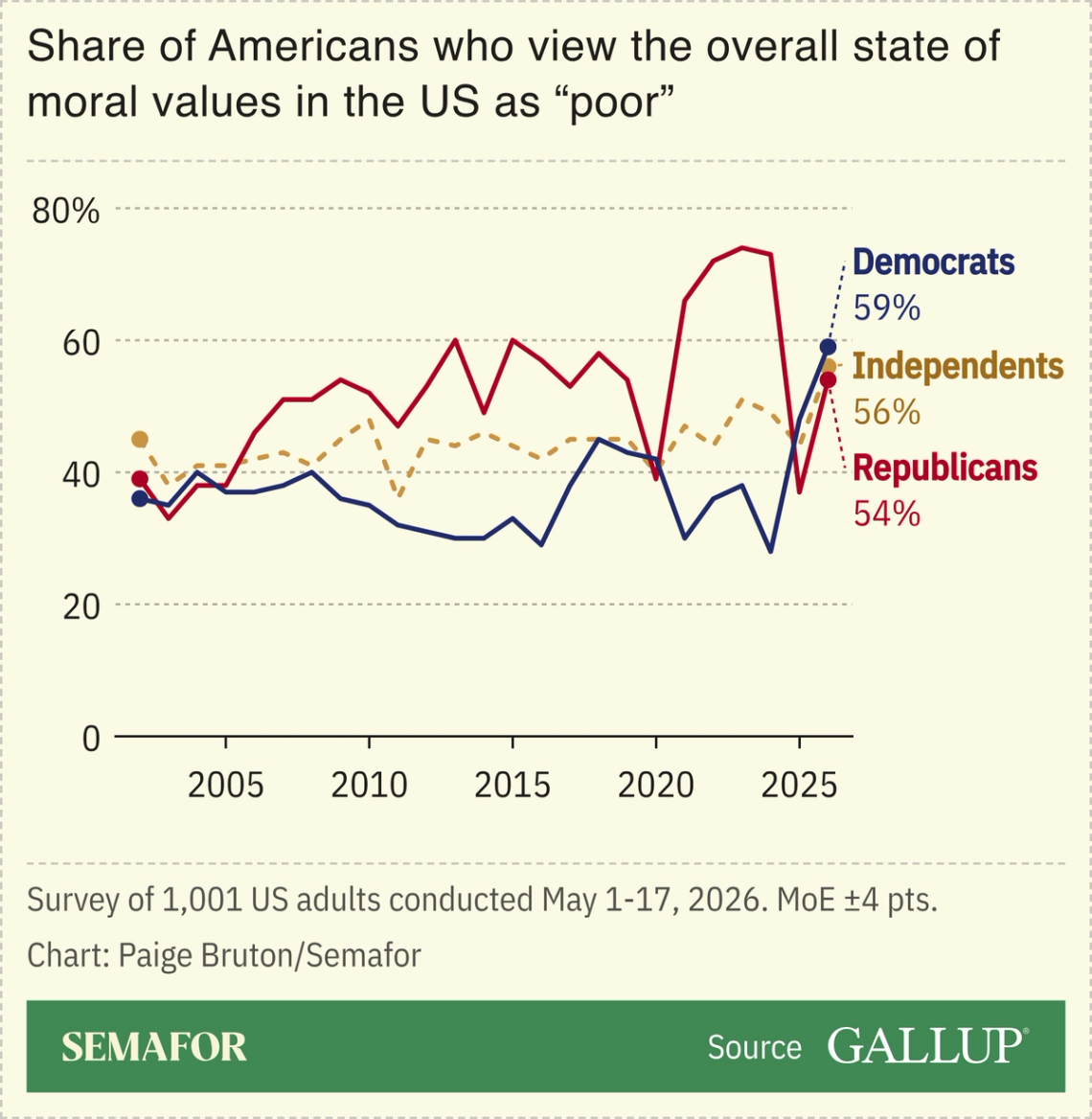 - Americans are feeling particularly negative about the state of moral values in the US. A record-high 56% of adults rate moral values in the country as “poor,” according to new Gallup polling, an increase of 12 percentage points from last year. Eight in 10 say moral values are on the decline in the US.
BusinessEconomy |
|
|


