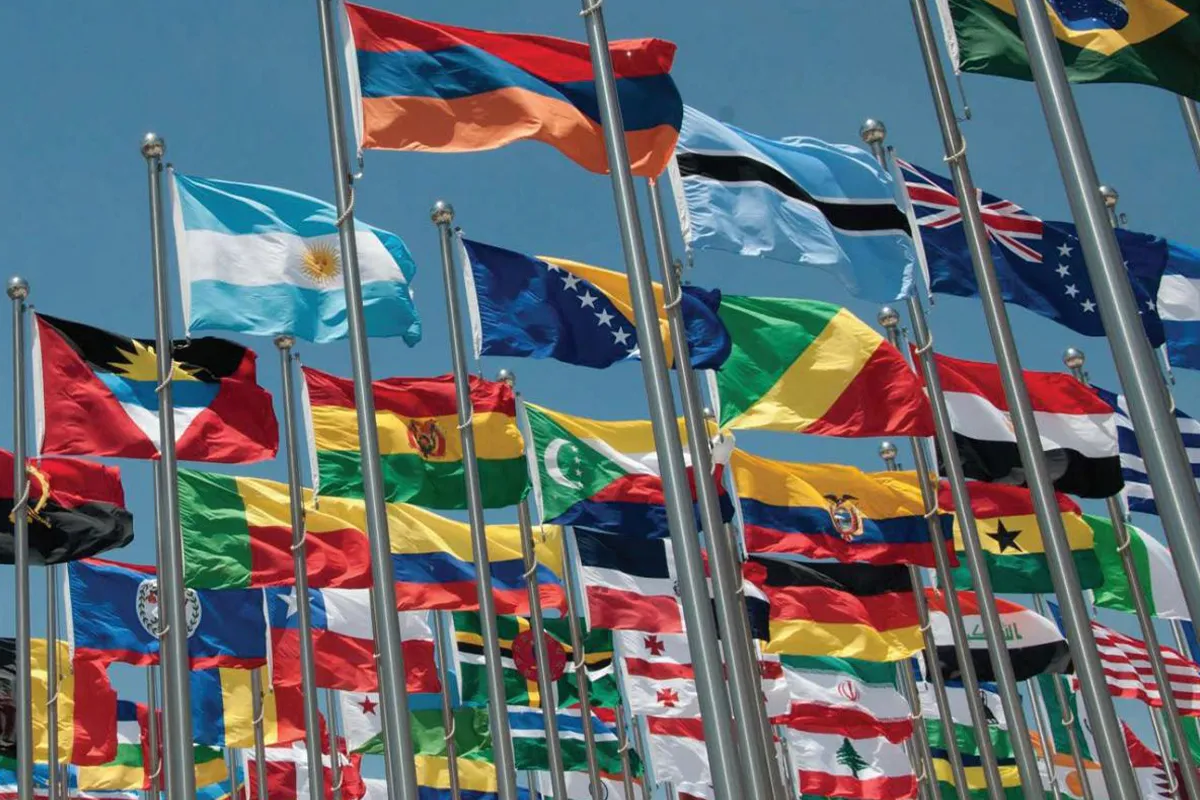
Simulations and activities for the end of the school year
CFR Education


May 31, 2026

Dear Educator, 


Whether your school year is winding down or already wrapped up, there's no better time to explore simulations. Their interactive, hands-on nature makes them perfect for engaging students whenever you need it most.


In this newsletter, discover how simulations build global affairs literacy, hear directly from educators who use them, and explore this year's top picks.


Happy learning,


Caroline Netchvolodoff 
Vice President, Education 
Council on Foreign Relations


Quick Links

  • Simulations home page
  • Video on how to run a role-play
  • Instructions for running a simulation
  • Simulation roles & goals

Why Simulations Work

By placing students in the shoes of decision makers, CFR Education simulations prepare students to engage with their interconnected world. In fact, a simulation incorporates all aspects of global affairs literacy (knowledge, skills, and perspective) into a single activity. A simulation:

  1. teaches about core foreign policy and global affairs topics while requiring students to rely on their knowledge rather than a chatbot.
  2. encourages civil discourse and helps students work on their critical thinking and public speaking.
  3. invites students to take the point of view of different people with different backgrounds. 


Plus, all simulations are informed by the experts at the Council on Foreign Relations, so you can feel confident in the contents. 

Speaking of expert-informed, check out this new simulation co-written with Senior Fellow for Women and Foreign Policy Linda Robinson: Increasing Women’s Representation in Politics.

What Do Educators Think?

Don't just take it from us! Read how two educators use simulations in their own unique ways: 

  • Bringing Global Politics to Life Using CFR Education Simulations
  • Online and Asynchronous: Using Simulations in Today's Educational Landscape

A Flexible Activity for All Classrooms

Another perk of simulations is their flexibility, both in structure and timing. Historical and hypothetical simulations allow you to tackle important, current issues such as pandemics or armed conflict, without the sensitivity that could surround these topics in the classroom.


Simulations were also designed to adapt to different class settings and schedules: they can be completed in a single class session or spread out over multiple days. 


Looking for even more flexibility? Check out these alternative options. 


This Year's Top Simulations

Regulating AI

How the United States should approach AI regulation at home and abroad? Students will need to carefully consider the costs and benefits of AI standards and regulations, the time required for their implementation, and the risk that such policies could restrict positive innovations in AI technology.

Try now

U.S. Foreign Policy: Multilateralism or Unilateralism?

What should a new President's approach to foreign policy be? Students will weigh embracing cooperation with other countries and international institutions, potentially sacrificing a degree of national autonomy, against prioritizing bilateral international cooperation and weakening U.S. influence. 

Try now

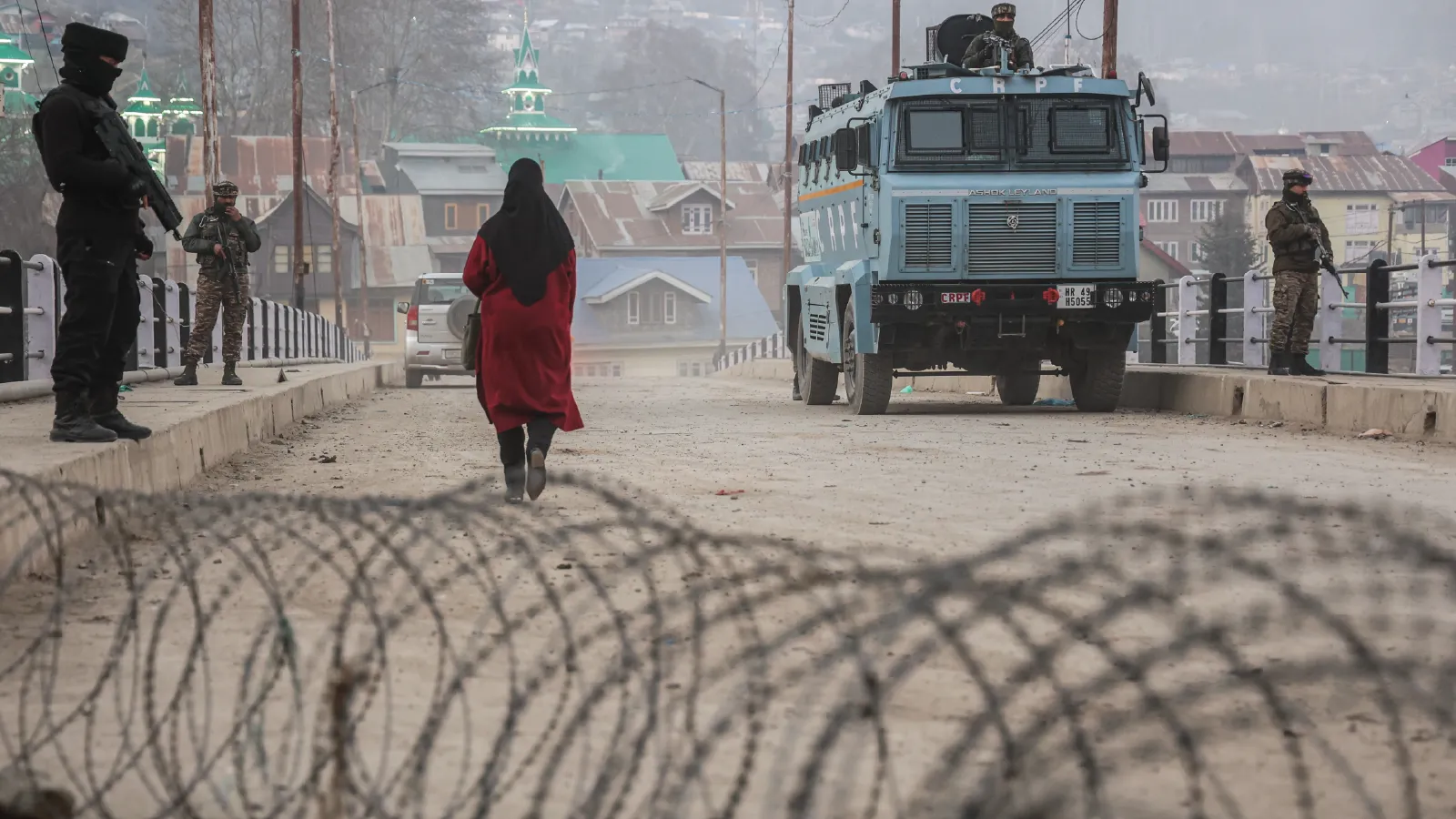
Dispute in Kashmir

In 2019, India revoked Kashmir's autonomous status, stoking decades-old tensions surrounding the region. How should the UN Security Council step in and address the ongoing dispute in Kashmir? Students must consider the interests of the Kashmiri people, the risk of escalation between India and Pakistan, and the territorial control and veto power of China.

Try now

Other Activities for the End of Year

Communism v. Fascism: Students will be able to identify the characteristics of communism and fascism.


Mapping Conflict: Students will consider major historical and modern day examples of conflict and identify patterns and underlying themes.


The "Genocide" Label and U.S. Foreign Policy: Students will use historic and contemporary case studies to assess the implications of a genocide determination for U.S. foreign policy.

 
Image

Council on Foreign Relations. All rights reserved.

58 East 68th Street – New York, NY 10065

1777 F Street, NW – Washington, DC 20006

 
Facebook TwitterYouTube

Manage Your Email Preferences