Republicans revolt

Get behind the headlines of Washington politics and its global impact. Subscribe to Reuters.com for $1/week.


Politics U.S.

Politics U.S.


By Trevor Hunnicutt, White House reporter

Over the past week, U.S. President Donald Trump has suffered a series of setbacks to his political agenda in courts, on Capitol Hill and at the ballot box. What does it say about his presidency?


Latest U.S. politics headlines

  • Greenland’s independence champion despised Denmark. Trump changed his mind 
  • Trump's primary endorsement winning streak just ended in Iowa 
  • Exclusive: Top US spy agencies feud over turf, mission 
  • Exclusive: Warsh pledges to follow best of Fed's traditions, while also looking for change 
  • Fed's Powell warns that politicizing the Fed would cost public trust 
 

A sour start to summer 

Donald Trump has been looking forward to summer for a long time. It’s not starting as planned. 

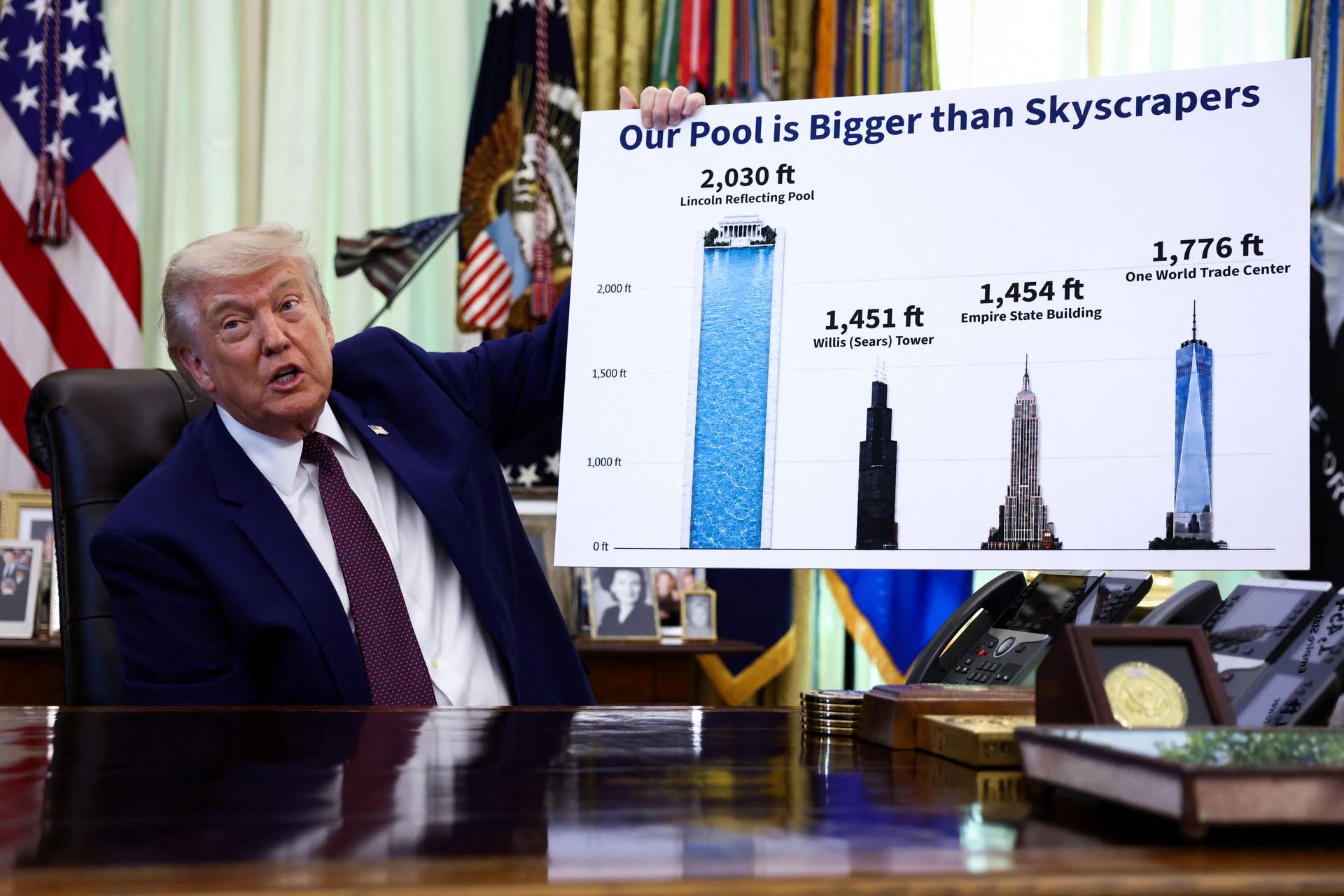
For months, the president has gushed to those of us in the White House press corps about his plans: a UFC fight at the White House that coincides with his 80th birthday on June 14, the IndyCar Grand Prix and a concert series, all set against the backdrop of a gleaming capital spruced up by the former real estate developer. (Trump unveiled a refurbished Lincoln Memorial Reflecting Pool this week, and water began flowing into the National Mall landmark on Thursday.) 

But as those festivities approach, Trump has faced pushback from institutions and voters that is complicating his agenda and testing his political dominance. 

In recent days alone, Congress rebuked his war with Iran, rejected funding for a new White House ballroom, rebelled over planned payouts to Trump allies and bristled at two of his loyalist picks for top jobs. 

Courts ordered his name stripped off the John F. Kennedy Center for the Performing Arts and blocked his dismissals of transgender service members from the military. Voters rejected his pick for Iowa governor. 

Even the Freedom 250 concert series has run into trouble. More than half of the announced headliners - from Poison frontman Bret Michaels to the Commodores - have dropped out, citing a desire to avoid a potentially divisive spectacle. 

None of these developments amount to a knockout blow. Trump retains a tight grip on his Republican Party and wide latitude to dictate executive branch policy. Congress’ vote on the Iran war, for instance, passed only one chamber and carries no binding force. 

But the pattern is notable. Congress and the courts are standing up to Trump in a way they did not a year ago, when he was at the peak of his power. Voters, headed to the polls in November to elect a new Congress, are bitter that prices are increasing at their fastest pace in three years. 

All of this raises the question of whether Trump is edging into the “lame-duck” era of his presidency, less able to shape Washington to his will even as he remains a force within his party. 

An Iran deal could ease the pressure. U.S. officials told my colleague Steve Holland that they are as close as ever to a deal Trump could endorse, though earlier predictions of an imminent end to the war have not materialized. 

For Trump, the summertime sports-and-concert lineup isn’t just about crossing items off a bucket list. It is meant to showcase the country’s strength under his leadership as the U.S. celebrates the 250th anniversary of the Declaration of Independence.  

He enters those celebrations diminished. But Trump has bounced back from political blows before, and the coming weeks will test whether the recent run of resistance marks a temporary check on his power or a turning point in his presidency. 


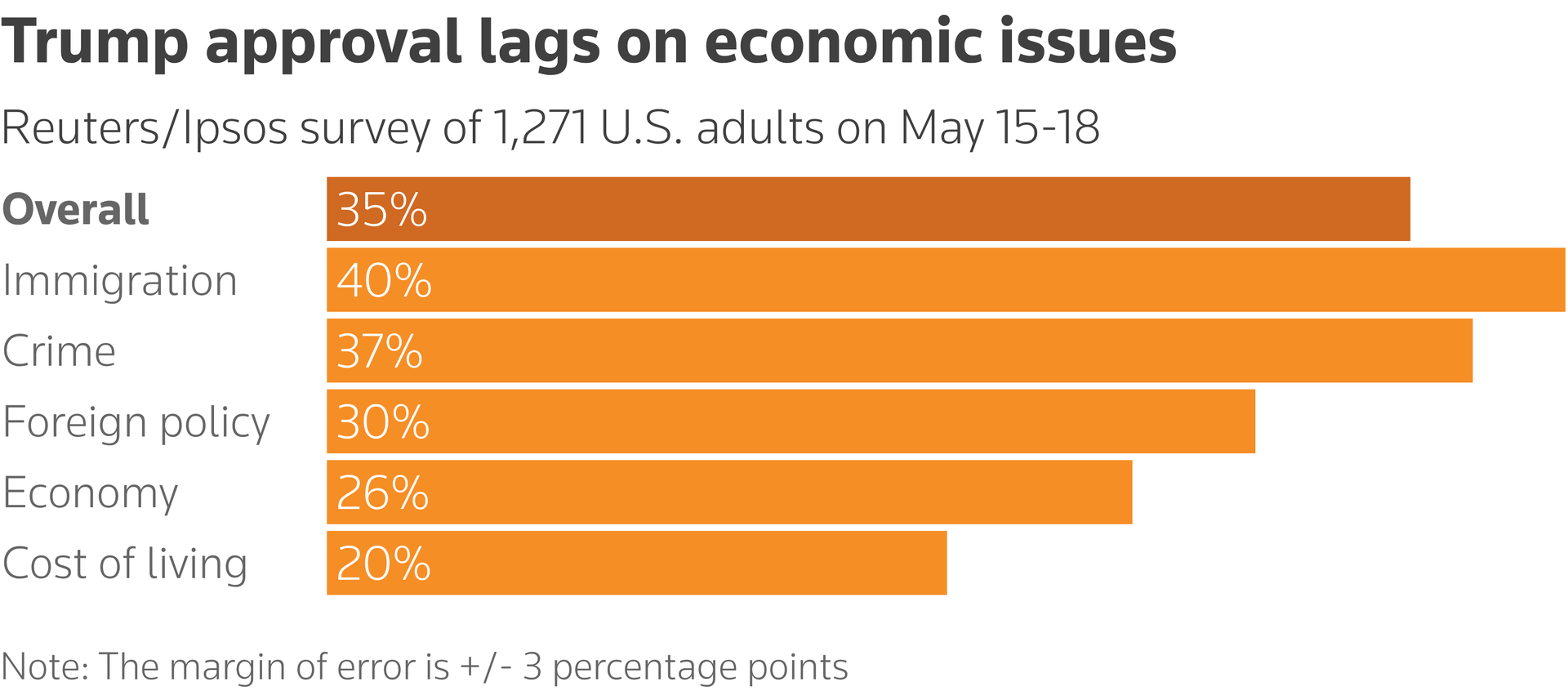
Poll of the week


Follow Reuters/Ipsos polling on the president's approval ratings here.


The view from Kuwait City

Iran on Wednesday struck Kuwait, damaging its airport and injuring dozens while the U.S. military carried out strikes near the Strait of Hormuz. “They were reciprocating” against the U.S., Trump said at the White House. “Not a big deal.” Yet ongoing bombing in the region is a reminder that the war is not over – the relative peace of the past several weeks in the Gulf is shaky and fraught with risk for the U.S. and its regional partners. Meanwhile, in Lebanon, Israeli attacks against Hezbollah have also threatened to derail U.S.-Iran talks and damage U.S.-Israeli relations.


Photo of the week


U.S. President Donald Trump holds a placard comparing the reflecting to skyscrapers at the Oval Office of the White House, in Washington, D.C., June 3, 2026. REUTERS/Kevin Lamarque