While FIFA bans reusable bottles at the World Cup.

See how companies and governments are responding to climate change and social challenges. Subscribe to Reuters.com for $1/week.


Sustainable Switch

Sustainable Switch

Climate Focus

By Sharon Kimathi, Energy and ESG Editor, Reuters Digital

Happy World Environment Day!

This year’s theme “Inspired by Nature. For Climate. For Our Future” comes at a critical moment as the El Nino weather pattern is forming, and is expected to cause extreme weather around the world this year, according to the World Meteorological Organization.

The WMO said there is an 80% chance that an El Nino event develops between June and August, and a 90% ‌chance it will last until at least November. The statement is the clearest signal yet of the likelihood.

Two things make this year's El Nino forecast particularly worrying.

The first is the chance that this year's El Nino - and its impact - will be stronger than usual, defined by sea surface temperatures in the eastern Pacific of at least 1.5 ⁠degrees Celsius (2.7 degrees Fahrenheit) above average.

The second cause for concern is climate change. Greenhouse gas emissions have increased the planet's average temperature by around 1.3 C since pre-industrial times.

Typically, regions including southern South America and parts of Central Asia get more rain in an El Nino, while Central America and Australia dry out.

The phenomenon also intensifies heatwaves, including regions far from the Pacific, such as Europe. Click here to catch up on Tuesday’s newsletter that focused on Europe’s heatwave.

In fact, dry weather is disrupting crop planting across Asia, raising concerns about food supplies in the world's most populous region, and an expected severe El Nino weather pattern could inflict more damage.

From India's grain-producing northwestern plains to Australia's eastern wheat belt, and from Thailand's rice fields to Indonesia's vast palm oil plantations, hot weather and below-normal rains are hurting crops ‌and forcing farmers to reduce planting, farmers, analysts and traders said.

Click here for the full Reuters article on El Nino’s effect on Asia’s crops.


Climate Buzz

1. FIFA bans reusable bottles at World Cup venues citing safety concerns

Looks like attendees of the World Cup won’t be able to stay environmentally friendly, as people will not be allowed to carry reusable water bottles into venues due to safety concerns, FIFA said on Thursday, following a last-minute change to its Stadium Code ‌of Conduct. 

The move has raised concerns among supporters about coping with heat, with temperatures at a few venues expected to range between 26 ‌and ⁠28 degrees Celsius, as well as access to drinking water inside stadiums.


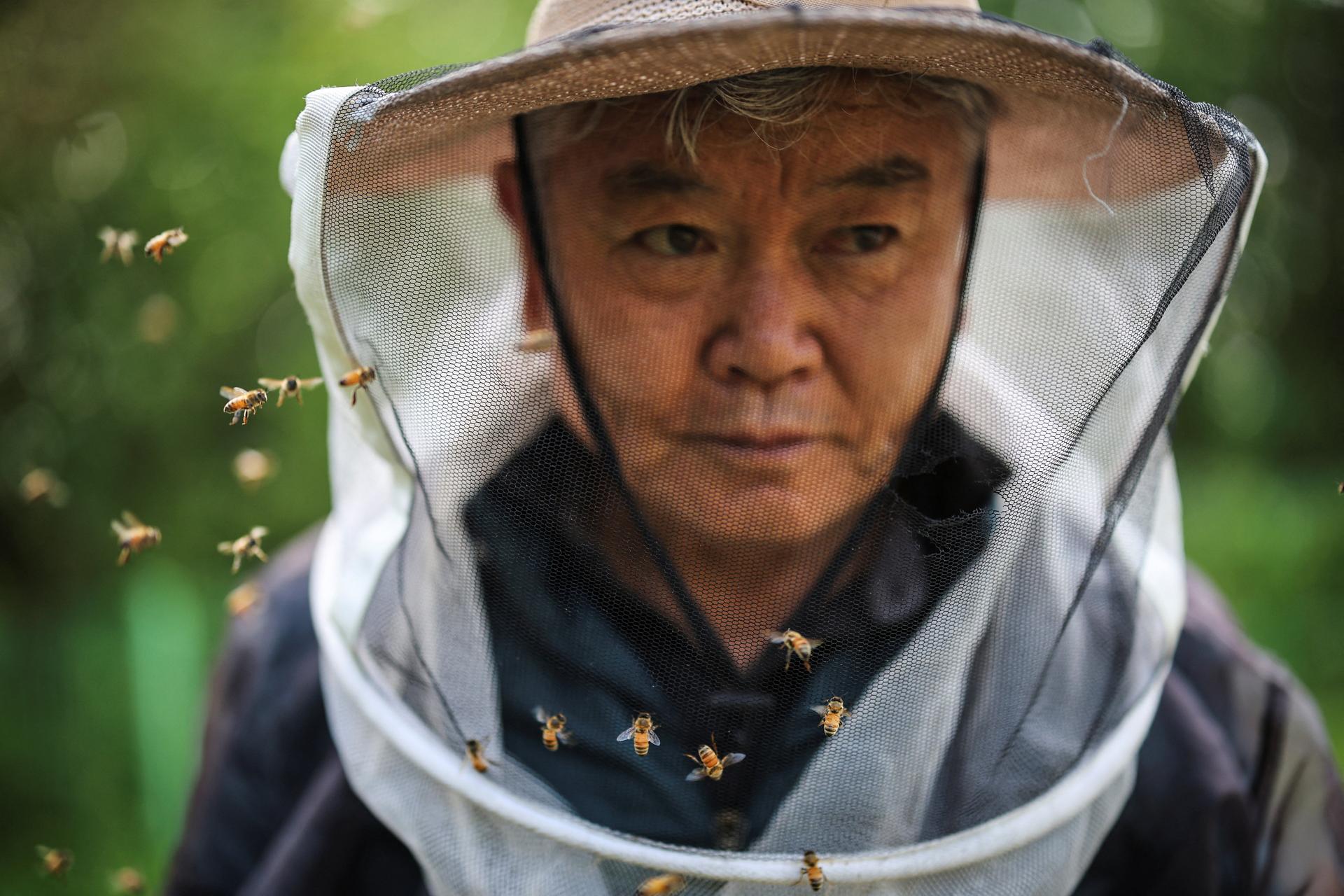
Bees fly around Park Gyeong-je, beekeeper, at the second location for migratory beekeeping in Okcheon, South Korea. REUTERS/Kim Hong-Ji

2. A South Korean beekeeper counts the cost of climate change

The changing climate is making life challenging for beekeepers in South Korea as rising temperatures are shortening seasons, causing flowers to bloom earlier and for shorter periods. The weather changes have ‌also brought strong winds, which can make it harder for bees to find their way back to their hives. Click here for an insightful piece on how they are coping with climate change.

3. Japan steps up efforts on cooking oil in race for sustainable aviation fuel

Japan is looking to consumers to pool their used cooking oil in a public-private project dubbed "Fry to Fly", as it scrambles to reach a goal of getting a tenth of airline fuel from sustainable sources by 2030, while the Iran war squeezes energy supply and raises costs for the resource-poor country.

The flurry to collect cooking oil highlights the challenge for the aviation industry, one of the biggest emitters of greenhouse gases, in trying to reduce its carbon footprint.

4. Wheat, waste, sweet potatoes drive Brazil’s ethanol surge

A new wave of biofuel innovation is sweeping Brazil, with developers in unexpected corners of the country's farm sector encroaching on decades of domination by sugarcane producers in ethanol markets, betting on everything from staple crops like wheat or barley ‌to waste products like discarded foodstuffs. Click here for the full Reuters article.

5. Trump directs hundreds of millions of dollars to support coal using emergency powers

United States President Donald Trump said he was directing ‌hundreds of millions of dollars to support U.S. coal power plants. Trump invoked the Defense Production Act, a 1950 law granting presidents broad authority over industries deemed critical to national security, to fund $425 million in upgrades to 13 coal-fired power plants and $75 million to support the proposed West Gateway coal export terminal in Oakland, California.


What to Watch

 
Play 
 

A parasitic fly that eats warm-blooded animals alive has been found in a calf in Texas, the U.S. Department of Agriculture said, exposing the nation's cattle herd to a serious new threat. Click here to read the full Reuters story or click here to watch the video.


Climate Commentary

  • Dr Andrew Coburn, founder and chairman of Risilience, a tech firm spun out of the University of Cambridge, shares his views on this summer’s “super” El Nino for Ethical Corp Magazine. Click here for the full piece.
    • Click here for four key reasons why Trump's push to revive the domestic coal sector might backfire, according to Reuters global energy transition columnist Gavin Maguire.
  • Sarah LaBrecque, contributor at Ethical Corp Magazine, speaks to multiple business leaders and industry groups about rising water risks in supply chains as the UN warns global freshwater demand will outstrip supply by 40% by 2030. Click here to read more.
 

Climate Lens


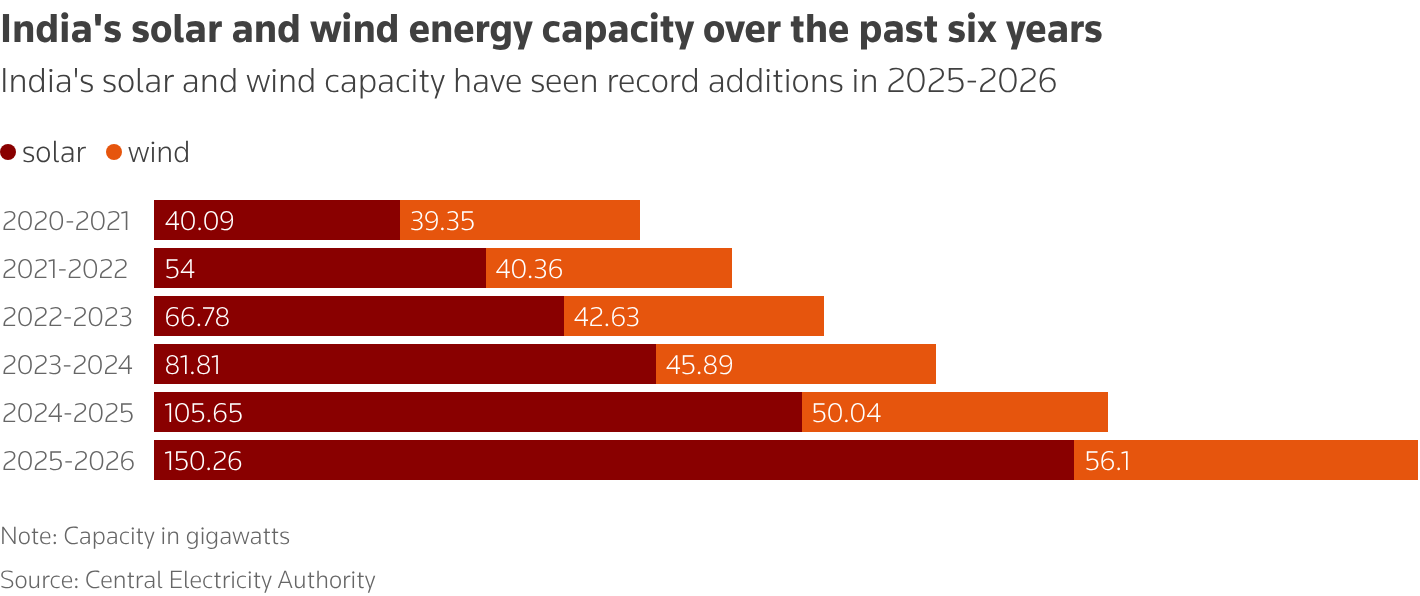
India solar: Industry groups estimate India’s tougher rules for solar and wind projects to tighten its power grid could cut revenue by about 11% for solar projects and as much as 48% for wind farms, fuelling concerns that it could make renewable investments less attractive.