Policy changes, but facts endure. AP delivers accurate, fact-based journalism to keep the world informed in every administration. Support independent reporting today. Donate. |
|
|
By Holly Meyer and David Crary |
|
| |
|
By Holly Meyer and David Crary |
|
| |
|
Greeting World of Faith readers,
This week, we examine multiple facets of the upcoming, history-making papal trip to Spain. We explore the role Voodoo has played in strengthening democracy in the West African nation of Benin. And, ahead of the World Cup, we take a fresh look at the deep devotion – sometimes akin to religious faith – with which some soccer fans follow their teams. |
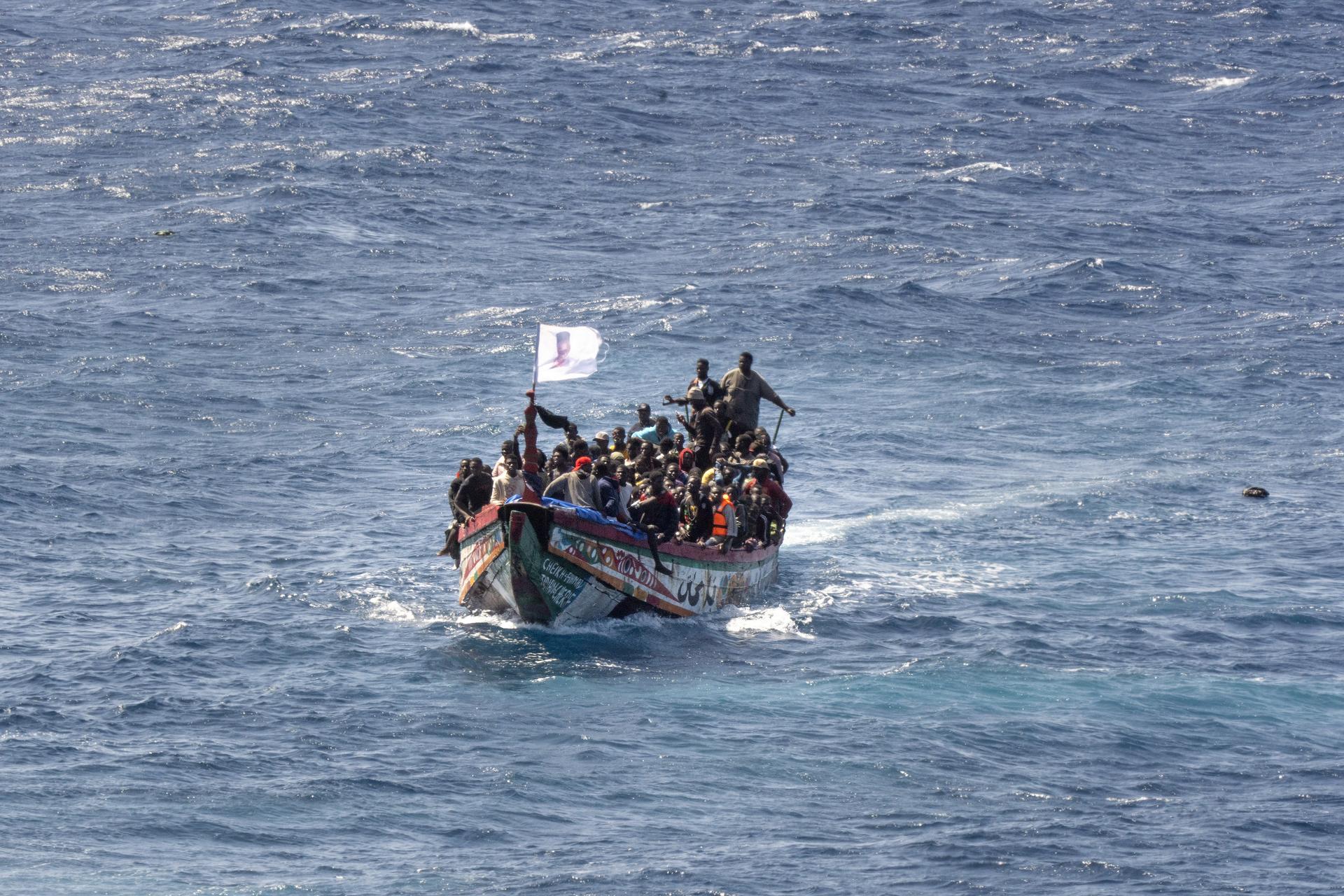
Migrants crowd a wooden boat as they sail to the port in La Restinga on El Hierro in Spain's Canary Islands, on Aug. 18, 2024. (AP Photo/Maria Ximena) |
Complex issues surface in Spain as Pope Leo XIV prepares to visit |
It's a short flight from Rome to Madrid, but Leo’s seven-day journey – beginning on Saturday – will be the first papal visit to Spain in 15 years. He'll meet with King Felipe VI, give the first-ever papal address to Spain’s Parliament, and inaugurate a newly completed tower atop Barcelona’s famed Sagrada Familia basilica. Among the issues getting attention ahead of the visit: Spain’s struggles to accommodate huge numbers of migrants who have arrived illegally, and a new government-backed plan to compensate victims of long-ago clergy sex abuse. Read more.
|
|
|
-
Tens of thousands of migrants, mostly from Africa, have arrived in Spain’s Canary Islands in recent years. Many Catholics and migrants hope the papal trip will refocus attention on solidarity and support — and away from divisive political debate over how to handle the influx.
-
Spain is addressing sexual abuse within the Catholic Church with a new reparations program offering a one-year window for claims. Some victims are hopeful, while others question the program's effectiveness and transparency.
-
A traditionally Catholic country, Spain is now staunchly secular, with relatively low church attendance. But there are also signs of a revival of interest in faith among young people — some drawn in by music and social justice causes.
|
|
|
How Voodoo overcame suppression and became a democratic force in the African nation of Benin |
Benin recently inaugurated President Romuald Wadagni as its new leader in the latest transition in the West African nation. Benin is widely seen as a bastion of democracy in a region dubbed “the coup belt” for the trend since 2020 of military takeovers. To an intriguing degree, Benin’s democratic stance reflects the resilience of the Voodoo religion, which is prevalent across the country. Read more.
|
|
|
-
Democracy came to the cradle of Voodoo in 1991, when Benin’s military dictator of many years surprisingly lost an election he had organized. Mathieu Kérékou had amassed power partly by banning the practice of so-called sorcerers, whose authority he deemed subversive to his own.
-
Nicéphore Soglo, who defeated Kérékou, rehabilitated Voodoo as part of national heritage and emphasized the kind of tolerance that Kérékou would try to emulate when he successfully sought reelection in 1996.
- Voodoo, known as Vodún in Benin, is an animist religion. Believers see grace and providence in nature, from rocks to rivers. Ceremonies involve sacrificing animals, incantation and dancing.
|
|
|
Soccer devotion runs deep in Latin America ahead of the World Cup |
Soccer passions in Latin America extend far beyond the stadium. Ahead of the 2026 World Cup, fans across the region describe rituals, beliefs and emotional bonds tied to their teams that resemble forms of collective devotion. Read more. |
|
|
-
In Argentina, the home country of Lionel Messi, sports passion is often inherited. Pope Francis himself — born in Argentina and lifelong supporter of club San Lorenzo — said he agreed with those describing soccer as the world's most beautiful game.
-
The shared identity among a team’s fans can spur negative and positive reactions. A fan who feels a member of his sporting community has been attacked may react violently in ways he otherwise never would. But the same dynamic can strengthen solidarity.
-
Many soccer fans cling to rituals they believe can influence a game’s outcome. Fans may drink from the same cup, sit in the same spot or wear the same underwear during every match. Rituals are repeated if the team wins.
|
|
|
|