From the Greenberg Center for Geoeconomics |
|
|
|
 |
By Edward Fishman
Senior Fellow and Director of the Maurice R. Greenberg Center for Geoeconomics
|
|
Dear readers,
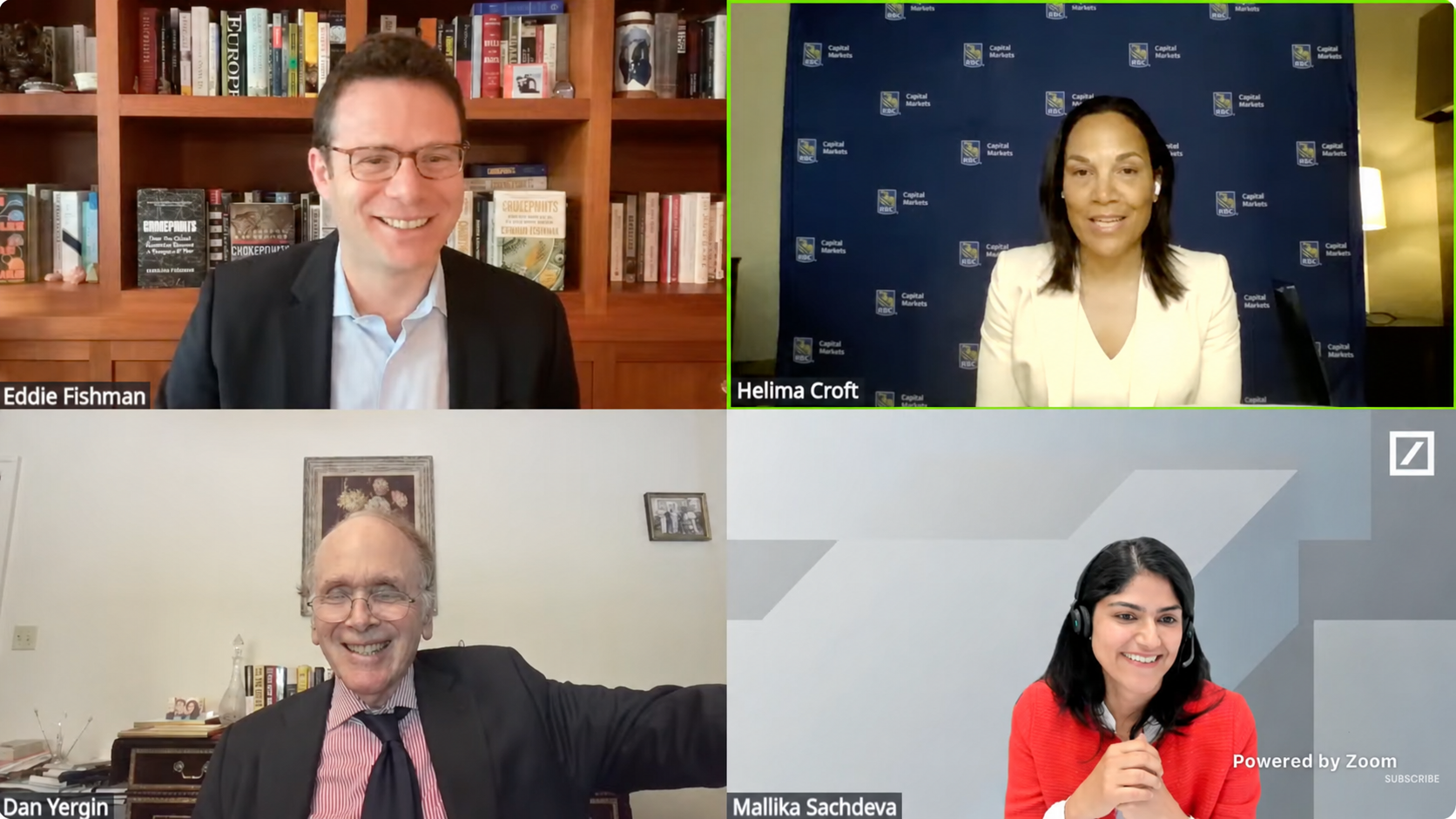
Earlier this week, we hosted a fascinating discussion on how the Iran war is remaking the global economy, with far-reaching consequences for energy systems, markets, security relationships, and the dollar. I was joined by three of the world’s leading experts on these topics: Daniel Yergin, Helima Croft, and Mallika Sachdeva. Convening conversations like this is one of the best parts of working at CFR, and I encourage you to watch it.
The war has focused attention on the Strait of Hormuz, the world’s most important geographic chokepoint, but economic chokepoints also loom large in geoeconomic competition. In a major new CFR report, The Pharma Choke Point, Tom Bollyky, Rush Doshi, Prashant Yadav, Olivia Kosloff, and Elena Every examine how China’s growing dominance of pharmaceutical supply chains could become a source of geopolitical leverage and what the United States can do to reduce its vulnerability. Jonathan Hillman and Ishaan Thakker explore how America can modernize its stockpiles to defend against economic coercion and supply chain disruptions. And Brad Setser argues that China’s large and growing surplus is deepening the world’s dependence on Chinese manufacturing, strengthening Beijing’s strategic leverage.
Together, these pieces explore common themes at the heart of our work at the Greenberg Center for Geoeconomics: how countries acquire economic leverage, how they use it, and how other countries can reduce their exposure to it.
As always, I welcome your feedback and thoughts. All best, Eddie |
|
|
|
Daniel H. Yergin, vice chairman of S&P Global; Helima Croft, global head of commodity strategy at RBC Capital Markets; and Mallika Sachdeva, head of FX thematics at Deutsche Bank Research, join Fishman to examine the geoeconomic consequences of the Iran war and the crisis in the Strait of Hormuz, from disruptions in oil, gas, and commodity markets to the longer-term implications for the petrodollar system and the energy transition. Watch the event
|
|
|
|
The U.S. pharmaceutical supply chain faces a threat equal to the “rare earths” challenge already posed by China’s exploitation of its dominance of those critical minerals. In a new report out of a yearlong study group, three CFR fellows, an American Economic Liberties Project fellow, and a CFR research associate, provide an archetype model that policymakers and researchers can use to anticipate and mitigate a crisis. Read the report
|
|
|
|
The United States’ stockpiles were built for an earlier era. Building resilience against coercion and preparing for the possibility of conflict will require larger reserves, smarter technology, and deeper coordination with industry and allies, write CFR Fellow Jonathan E. Hillman and Research Associate Ishaan Thakker. Read more
| |
|
|
The ongoing push for greater government defense spending, alongside efforts to help households manage price pressures, could exacerbate already deteriorating fiscal outlooks and increase risks of an adverse financial market reaction, highlights CFR Fellow Rebecca Patterson. Learn more
|
|
|
|
The American and Venezuelan people remain in the dark about how the Trump administration is controlling billions of dollars of Venezuelan oil revenue. Without accountability mechanisms or a clear democratic roadmap, the United States risks entrenching a corrupt successor regime, argues CFR Fellow Roxanna Vigil.
Read the piece |
|
|
|
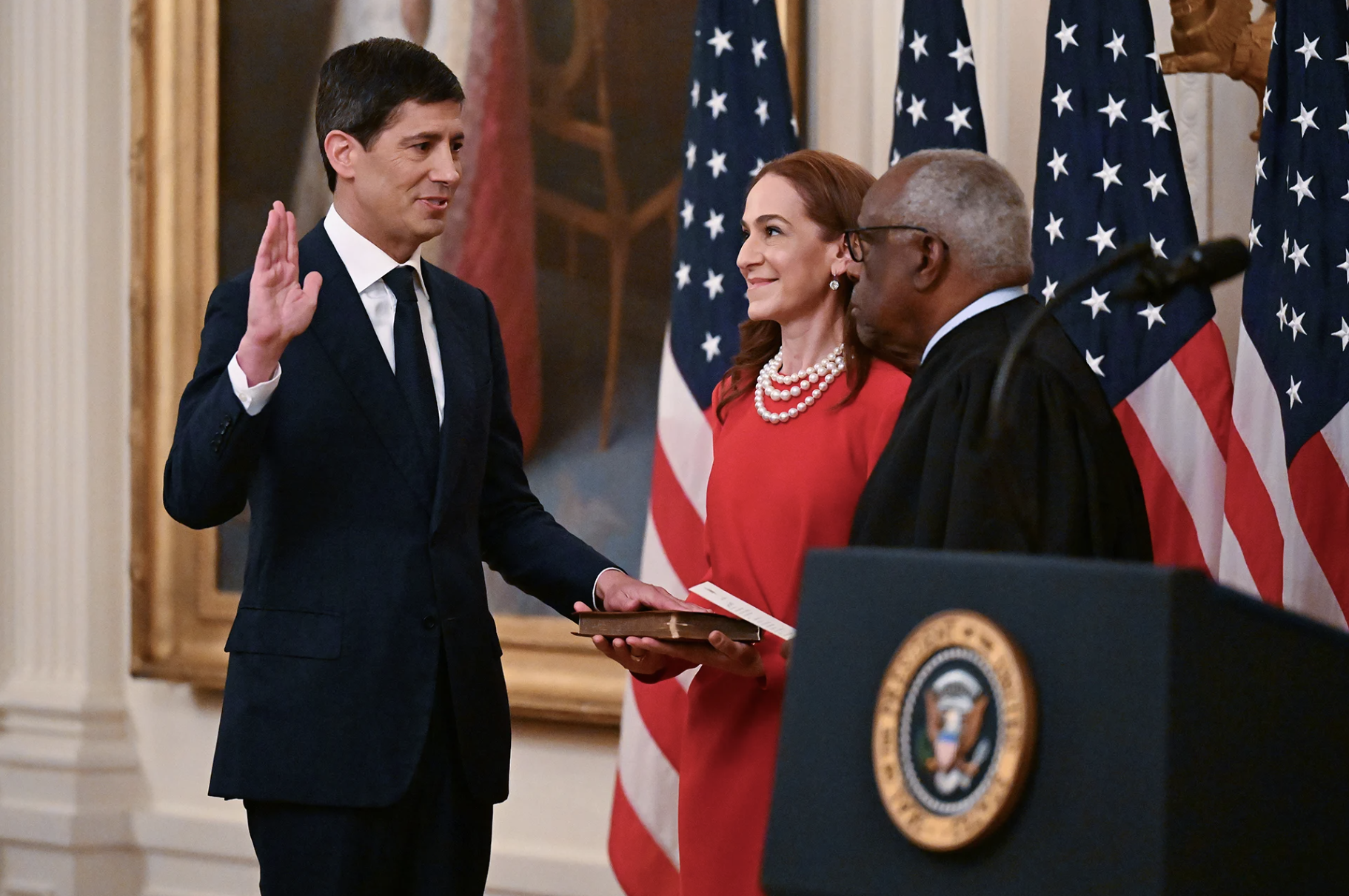
The new head of the U.S. Federal Reserve takes over at a time of heightened inflationary pressures and concern over the Fed’s independence. Warsh’s first one hundred days should give signs about how he will handle the central bank’s core role and political pressures, observe CFR Fellow Roger W. Ferguson Jr. and Research Associate Maximilian Hippold. Read their take
|
|
|
|
Ferguson and CFR Fellow Carla Anne Robbins discuss the economic outlook for the United States ahead of midterm election season, particularly in light of continued tensions and volatility in the Middle East. Watch the webinar
|
|
|
|
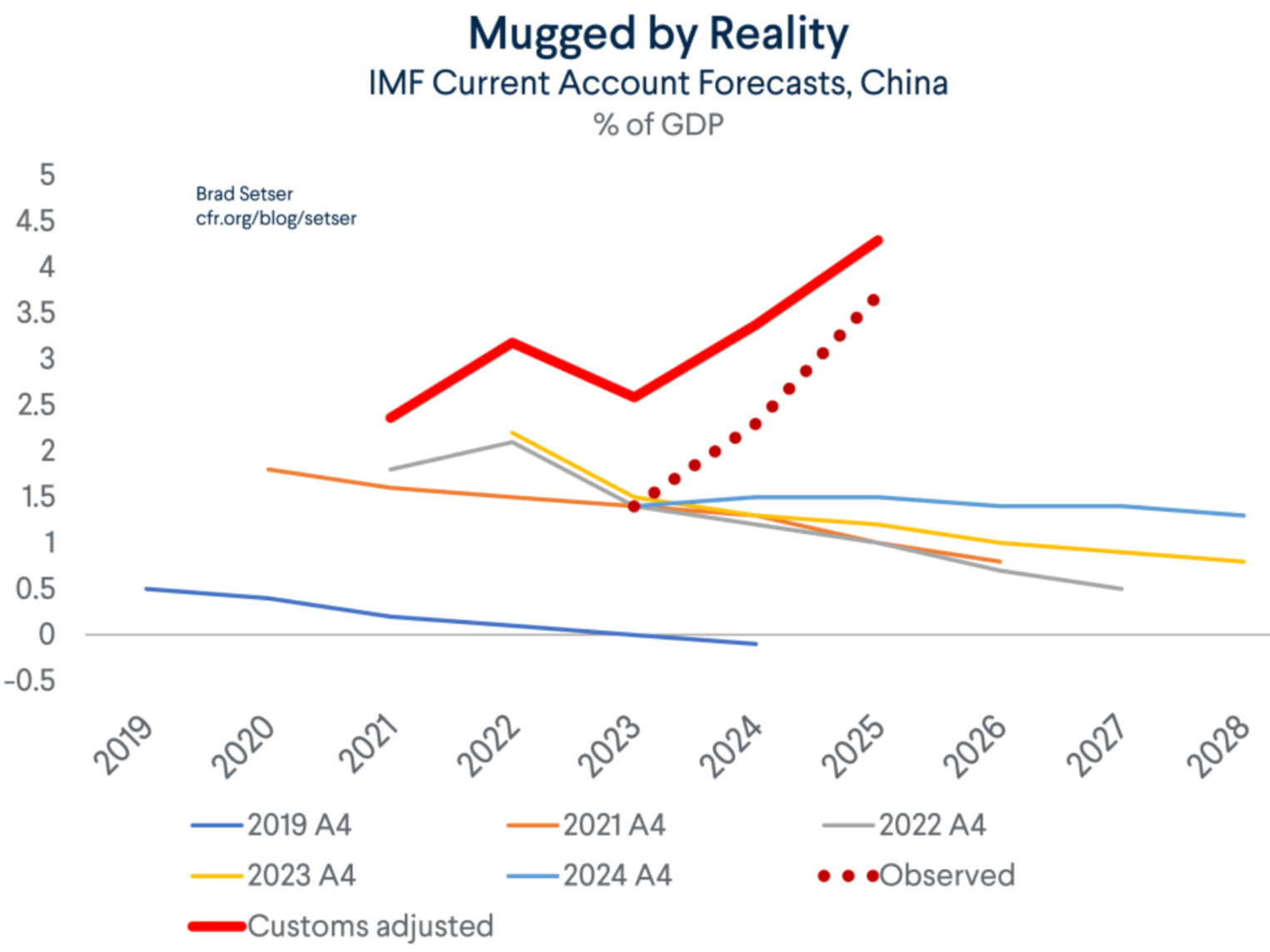
China could run a 10-percent-of-GDP external surplus if its savings rate stays over 40 percent of GDP, yet the International Monetary Fund has consistently forecast that surplus away. A China that controls more of the global supply will be in a stronger position to impose its policy preferences on the rest of the world, writes CFR Fellow Brad W. Setser. Check out the data
|
|
|
|
This new episode of the CFR podcast The Spillover unpacks why the trade and investment imbalances between the United States and China have grown to record levels despite years of pressure to correct them, and how the imbalanced system looks increasingly likely to collapse under its own weight. |
|
| |
|
About the Greenberg Center for Geoeconomics |
|
|
|
58 East 68th Street, New York, NY 10065 |
1777 F Street, NW, Washington, DC 20006 |
|
|
| |